Turkey is often described as an open-air museum.
From the ancient temples of Gobeklitepe to the Roman streets of Ephesus, from Byzantine churches to Ottoman palaces, the country contains an extraordinary concentration of historical sites. Yet many travelers focus exclusively on archaeological ruins and overlook the museums that help bring these places to life.
That is a mistake.
Turkey’s museums are not simply collections of artifacts displayed behind glass. Together, they tell the story of more than 10,000 years of human history. They reveal how prehistoric communities evolved into complex societies, how powerful empires rose and fell, and how different civilizations left their mark on Anatolia.
Some museums are famous for their architecture. Others house world-renowned masterpieces. A few preserve artifacts so important that they have changed our understanding of human history itself.
This guide brings together 15 of the best museums in Turkey. Rather than simply listing them, we’ll explore their stories, their most important collections, and the reasons they deserve a place on your itinerary.
Many of the museums featured in this guide accept the Museum Pass Turkey, which can save both time and money for travelers planning to visit multiple archaeological sites and museums. Before your trip, read our complete Turkey Travel Tips guide to learn how the pass works and whether it makes sense for your itinerary.
1. Museum of Anatolian Civilizations (Ankara)
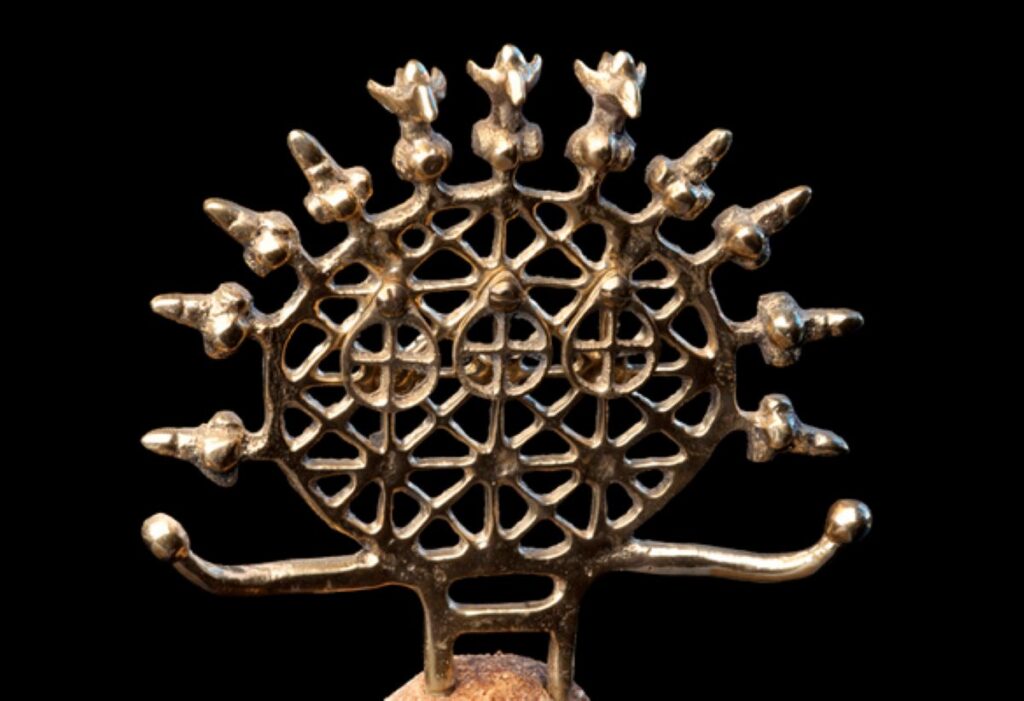
If there is one museum in Turkey that every history lover should visit, it is the Museum of Anatolian Civilizations in Ankara.
The story of the museum itself is almost as fascinating as the artifacts it contains.
Following the establishment of the Republic of Turkey, Mustafa Kemal Ataturk wanted a museum dedicated to the civilizations of Anatolia, particularly the Hittites—known in early Turkish scholarship as the Eti civilization. Because the Hittites ruled much of Anatolia for centuries and played a crucial role in its history, Ataturk believed they deserved a museum worthy of their achievements.
Ankara was chosen as the location. Instead of constructing a modern building, two remarkable Ottoman structures—the Mahmut Pasha Bedesteni and Kursunlu Han—were carefully restored and transformed into museum spaces.
What began as a project focused largely on the Hittites gradually expanded into something much larger. Today, visitors can follow the story of Anatolia from the Paleolithic period to the classical world.
One of the highlights appears almost immediately upon entering. The prehistoric galleries contain remarkable artifacts from Catalhoyuk, one of the world’s earliest urban settlements. Walking through these galleries feels like stepping back thousands of years before the pyramids, classical Greece, or the Roman Empire even existed.
The museum’s Hittite collection is arguably the finest in the world. Stone reliefs, ceremonial objects, cuneiform tablets, and monumental sculptures reveal a civilization that once rivaled Egypt and controlled much of Anatolia.
Many visitors are surprised to learn that the famous Treaty of Kadesh, often described as the world’s earliest known peace treaty, involved the Hittites and Egyptians. Seeing the cuneiform tablets and inscriptions helps bring this distant world to life.
Many of the artifacts displayed here are connected to the powerful Hittite civilization that once ruled much of Anatolia.
In 1997, the museum received international recognition when it won the European Museum of the Year Award, confirming its reputation as one of Europe’s finest museums.
Visitors interested in the earliest chapters of human history should also explore our guide to the Neolithic Sites of Turkey, including Catalhoyuk, Gobeklitepe, Karahantepe, and other groundbreaking archaeological discoveries.
Museum Information
Opening Hours:
Hours vary seasonally. Check the official website before visiting.
Ticket:
12 Euro – Museum Pass Turkey accepted.
Time Needed:
2–4 hours.
Signature Artifacts
- Hatti Sun Discs
- Hittite cuneiform tablets
- Catalhoyuk artifacts
- Phrygian collections
- Urartian treasures
Nearby Attractions
- Ankara Castle
- Hamamonu Historic District
- Temple of Augustus
- Roman Baths of Ankara
2. Sanliurfa Archaeology Museum
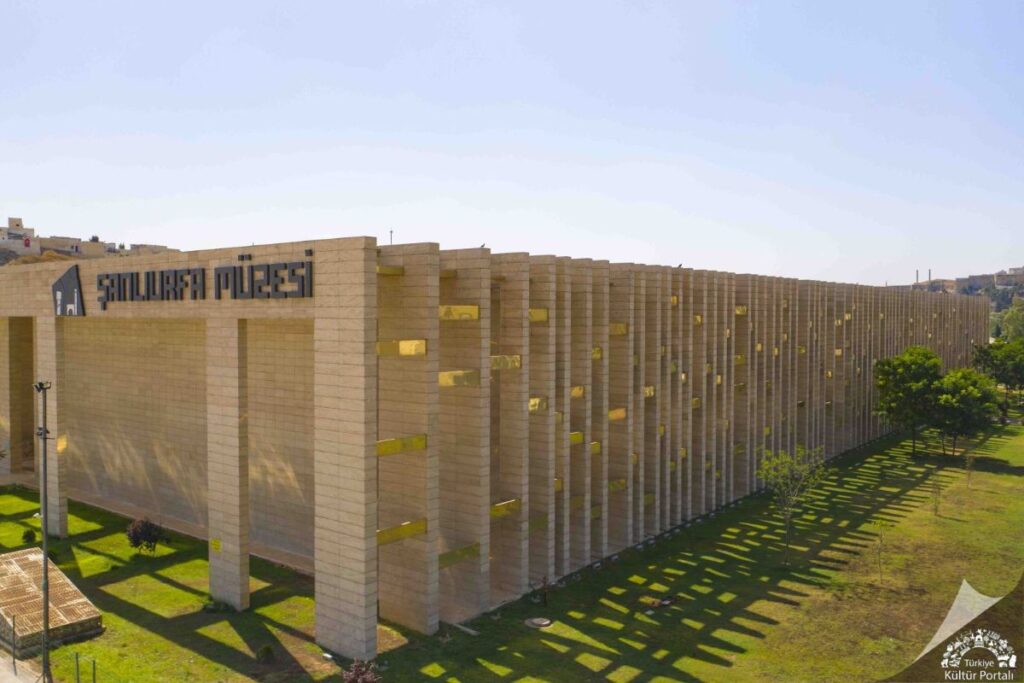
Few museums in Turkey have transformed our understanding of human history as dramatically as the Sanliurfa Archaeology Museum.
The reason is simple: Gobeklitepe.
For decades, archaeologists believed that agriculture came first and organized religion followed. Gobeklitepe challenged that theory. The discovery of monumental ritual structures dating back more than 11,000 years forced scholars to reconsider some of the most fundamental assumptions about the origins of civilization.
Many of the museum’s most important discoveries come from nearby sites such as Gobeklitepe and Karahantepe, two settlements that are reshaping our understanding of early human civilization.
The museum’s most famous artifact is undoubtedly the Urfa Man statue. Dating to approximately 9,000 BC, it is considered one of the oldest life-sized human sculptures ever discovered.
Standing face to face with Urfa Man is a remarkable experience. The statue’s large obsidian eyes and mysterious expression create an almost unsettling connection with a person who lived thousands of years ago.
The museum does an excellent job of explaining how southeastern Anatolia became one of the most important regions in the development of human civilization.
For anyone planning to visit Gobeklitepe, this museum should be considered essential rather than optional.
Museum Information
Opening Hours:
Hours vary seasonally.
Ticket:
10 Euro – Often included with Museum Pass Turkey.
Time Needed:
2–3 hours.
Signature Artifacts
- Urfa Man
- Gobeklitepe sculptures
- Karahantepe discoveries
- Neolithic ritual objects
Nearby Attractions
- Göbeklitepe
- Balıklıgöl
- Şanlıurfa Bazaar
- Haleplibahçe Mosaic Museum
3. Troy Museum (Canakkale)
The Troy Museum is one of Turkey’s newest and most impressive museums.
Opened in 2018 near the archaeological site of Troy, the museum was designed to complement rather than compete with the ancient city itself. Its modern architecture stands in dramatic contrast to the ancient ruins nearby.
Many visitors arrive expecting a museum focused solely on Homer’s Iliad.
Instead, they discover a much broader story.
The museum explores thousands of years of settlement in the Troad region and explains how Troy evolved through multiple archaeological layers. Artifacts from different periods help visitors understand that Troy was not a single city frozen in time but a place continuously inhabited and rebuilt for centuries.
One of the museum’s greatest strengths is how it connects archaeology, mythology, and history. Visitors learn not only about the legendary Trojan War but also about the real communities that lived here long before and after the events described by Homer.
The exhibits also address one of archaeology’s most controversial figures: Heinrich Schliemann. His excavations brought international attention to Troy, but his methods and removal of artifacts remain subjects of debate.
The museum provides valuable context before or after exploring the archaeological site itself.
Troy is just one of many remarkable archaeological destinations featured in our guide to the Ancient Cities of Turkey, which explores the country’s most important ancient settlements.
Museum Information
Opening Hours:
Seasonal schedule applies.
Ticket:
27 Euro – Museum Pass Turkey accepted.
Time Needed:
2–3 hours.
Signature Artifacts
- Artifacts from multiple Troy layers
- Bronze Age treasures
- Ancient ceramics
- Regional archaeological collections
Nearby Attractions
- Ancient City of Troy
- Canakkale Waterfront
- Assos
- Gallipoli Peninsula
4. Zeugma Mosaic Museum (Gaziantep)
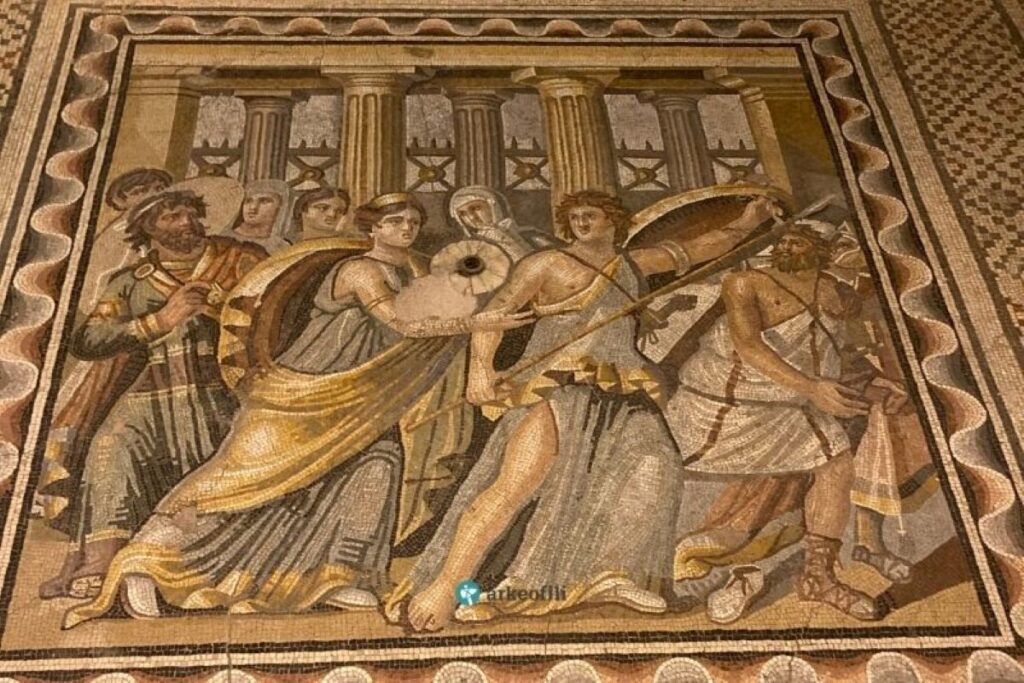
Located in Gaziantep, the Zeugma Mosaic Museum is one of the most impressive museums in Turkey and home to one of the world’s largest collections of Roman mosaics.
The story begins with the ancient city of Zeugma, founded near the Euphrates River. During the Roman period, the city became wealthy thanks to its strategic location on important trade routes connecting East and West. Wealthy merchants and officials decorated their villas with extraordinary mosaic floors that demonstrated both their status and artistic taste.
Zeugma flourished thanks to its strategic location along major trade routes that later became part of the Silk Road in Turkey, connecting Anatolia with both Asia and the Mediterranean world.
For centuries, these mosaics remained hidden beneath the earth.
Everything changed when modern archaeological excavations began revealing entire Roman villas covered with remarkably preserved artwork. The urgency increased when the construction of the Birecik Dam threatened parts of the ancient city, leading to one of Turkey’s largest rescue archaeology projects.
Today, the museum preserves these masterpieces and presents them in a way that allows visitors to understand the scale and sophistication of Roman life in southeastern Anatolia.
The museum’s most famous resident is the so-called “Gypsy Girl” mosaic. Although the figure is neither a gypsy nor necessarily a girl, the mysterious eyes and unforgettable expression have become one of Turkey’s most recognizable archaeological images.
Many visitors arrive expecting a collection of floors.
They leave realizing they have witnessed one of the finest surviving examples of Roman art anywhere in the world.
Museum Information
Opening Hours:
Hours vary seasonally.
Ticket:
12 Euro – Museum Pass Turkey accepted.
Time Needed:
2–3 hours.
Signature Artifacts
- The Gypsy Girl Mosaic
- Roman villa mosaics
- Mars statue
- Euphrates River artifacts
Nearby Attractions
- Gaziantep Castle
- Coppersmith Bazaar
- Gaziantep Archaeology Museum
- Traditional baklava workshops
5. Antalya Museum
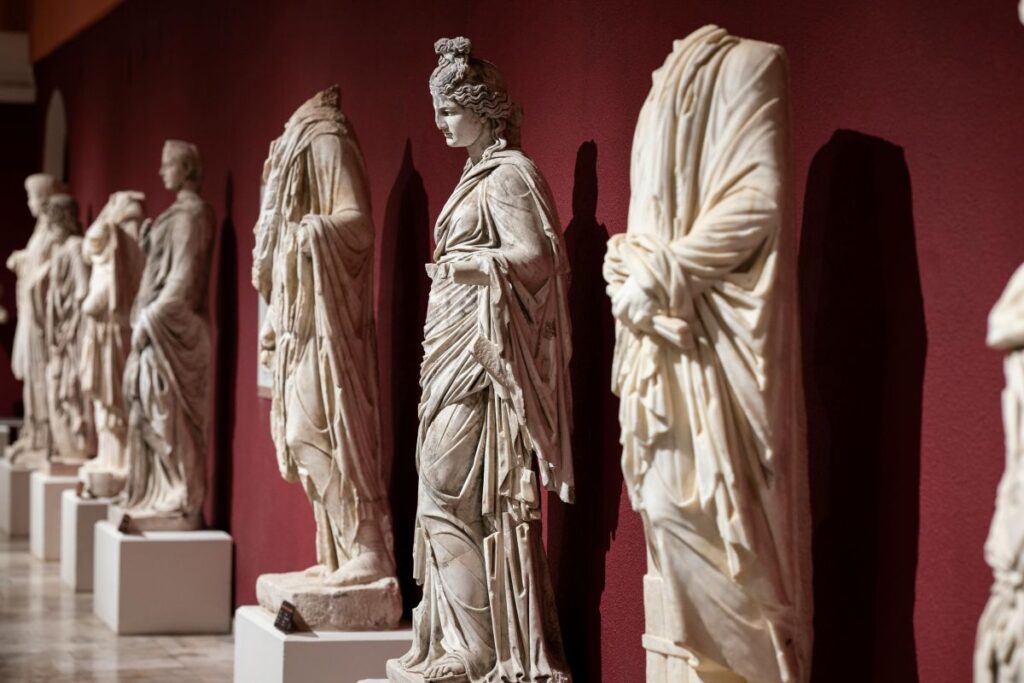
The Antalya Museum is often overlooked by travelers rushing toward beaches, resorts, and boat tours.
That is unfortunate because it is widely regarded as one of Turkey’s finest archaeological museums.
Its collection tells the story of the Mediterranean coast from prehistoric times through the Roman and Byzantine periods. Many of the artifacts come from nearby ancient cities such as Perge, Aspendos, Side, Termessos, and Phaselis.
What makes the museum exceptional is the quality of its Roman sculpture collection.
Walking through the sculpture halls feels almost like wandering through an ancient city. Emperors, gods, athletes, philosophers, and aristocrats stand silently beside one another, preserved for nearly two thousand years.
Among the museum’s most famous treasures is the Weary Heracles statue. For years, only half of the sculpture remained in Antalya while the upper section was displayed abroad. Following a lengthy international effort, the pieces were reunited, allowing visitors to see the statue as it was originally intended.
A Guide’s Story: When a Statue Returned Home
Years ago, while guiding a group through the Antalya Museum, I stopped with an American guest in front of a statue of Emperor Hadrian.
What made the sculpture unusual was that only half of it was on display.
The information panel explained that the other half was located in a museum in Boston.
Earlier that day, we had been discussing artifacts that had left Turkey over the years. I explained that while it is certainly better for ancient objects to be protected in museums than lost to smugglers or private collections, artifacts also have a powerful connection to the places where they were created.
I used Aphrodisias as an example.
Imagine visiting one of the greatest sculpture centers of the ancient world and finding no sculptures there. The experience would feel incomplete. Part of the magic of archaeology comes from seeing objects in the landscapes where they originally belonged.
Months later, I received an unexpected email from that same guest.
To my surprise, she worked at the Boston museum where the missing section of the Hadrian statue was housed.
The message contained a news article announcing that the missing section would be returned to Turkey.
She wrote:
“Nobody will ever mention your name or mine, but I started the conversation that helped make this happen.”
Of course, the return of an artifact involves many institutions, researchers, and legal processes. No single person can claim responsibility.
But every time I visit the museum and see reunited sculptures, I remember that conversation and the importance of preserving cultural heritage where it belongs.
Museum Information
Opening Hours:
It is closed for now. It will most probably open in November. Check announcements here.
Ticket:
15 Euro – Museum Pass Turkey accepted.
Time Needed:
2–4 hours.
Signature Artifacts
- Weary Heracles
- Imperial Roman statues
- Perge sculptures
- Sarcophagi collection
Nearby Attractions
- Kaleici Old Town
- Konyaaltı Beach
- Perge
- Aspendos
- Side
6. Antakya Archaeology Museum
Few museums in Turkey demonstrate the wealth and sophistication of the Roman world as beautifully as the Antakya Archaeology Museum.
Ancient Antioch was once one of the largest and most important cities in the Roman Empire. It rivaled Alexandria and Constantinople in wealth, influence, and cultural significance.
The museum’s collection reflects that remarkable history.
Its greatest treasures are the mosaics recovered from villas, bathhouses, and public buildings throughout the region. These mosaics depict scenes from mythology, daily life, nature, and religion with extraordinary detail and artistic skill.
Unlike many museum collections where artifacts appear isolated from their original context, the mosaics of Antakya help visitors imagine the luxurious homes in which they once existed.
Many were created for wealthy Roman families who wanted to display their status through elaborate decorative programs covering entire floors.
The museum also tells the story of a region shaped by Greeks, Romans, Byzantines, early Christians, and Islamic civilizations.
For travelers interested in Roman art, few places in Turkey are more rewarding.
The region around ancient Antioch played an important role in the spread of Christianity and remains one of the highlights featured in our guide to Biblical Sites in Turkey.
Museum Information
Opening Hours:
Seasonal schedule applies.
Ticket:
Museum Pass Turkey accepted.
Time Needed:
2–3 hours.
Signature Artifacts
- Roman mosaics
- Antioch villa floors
- Byzantine collections
- Ancient statues and reliefs
Nearby Attractions
- St. Peter’s Cave Church
- Antakya Old Town
- Habib-i Neccar Mosque
- Titus Tunnel (Samandağ)
7. Ephesus Museum (Selcuk)
Many travelers spend hours exploring the ancient city of Ephesus but never visit the museum in nearby Selcuk.
That is a mistake.
While Ephesus itself contains magnificent streets, temples, fountains, and theatres, many of its most important discoveries are preserved inside the Ephesus Museum. Together, the archaeological site and museum provide a far more complete understanding of one of the greatest cities of the Roman world.
Unlike many large national museums, the Ephesus Museum focuses specifically on the region surrounding ancient Ephesus. The collection includes artifacts recovered from the city itself as well as nearby sanctuaries, villas, and public buildings.
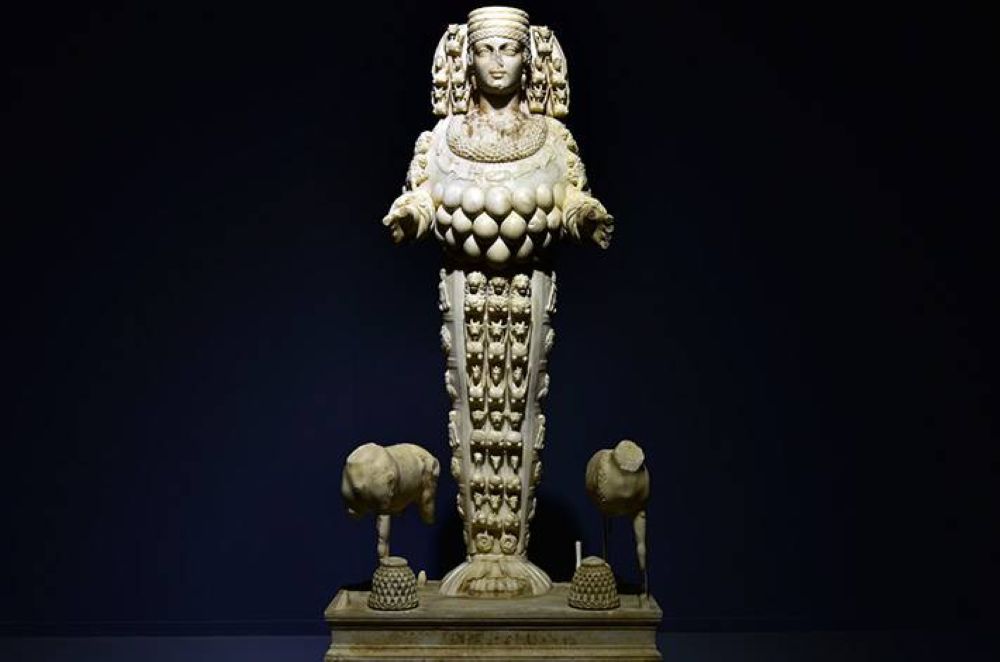
The museum’s most famous exhibits are the statues of Artemis.
Ancient Ephesus was home to the Temple of Artemis, one of the Seven Wonders of the Ancient World. Although little survives of the temple today, the museum preserves remarkable statues associated with the cult of Artemis of Ephesus. Their unusual appearance reflects local religious traditions that differed significantly from the classical Greek image of the goddess.
Ephesus was also one of the most important centers of early Christianity and appears in both our Biblical Sites in Turkey and Seven Churches of Revelation in Turkey guides.
The museum also contains portraits, imperial statues, jewelry, coins, and everyday objects that help visitors understand how people lived in Ephesus during its golden age.
For anyone interested in Roman history, early Christianity, or archaeology, the museum transforms a visit to Ephesus from impressive sightseeing into a deeper historical experience.
To better understand the archaeological site itself, be sure to read our complete Ephesus Travel Guide, which covers the Library of Celsus, the Great Theatre, and nearby attractions.
Museum Information
Opening Hours:
Seasonal schedule applies.
Ticket:
10 Euro – Museum Pass Turkey accepted.
Time Needed:
1–2 hours.
Signature Artifacts
- Artemis of Ephesus statues
- Roman imperial portraits
- Terrace House artifacts
- Ancient coins and jewelry
Nearby Attractions
- Ancient City of Ephesus
- House of the Virgin Mary
- Basilica of St. John
- Şirince Village
8. Istanbul Archaeological Museums
If the Museum of Anatolian Civilizations tells the story of Anatolia, the Istanbul Archaeological Museums tell the story of entire civilizations.
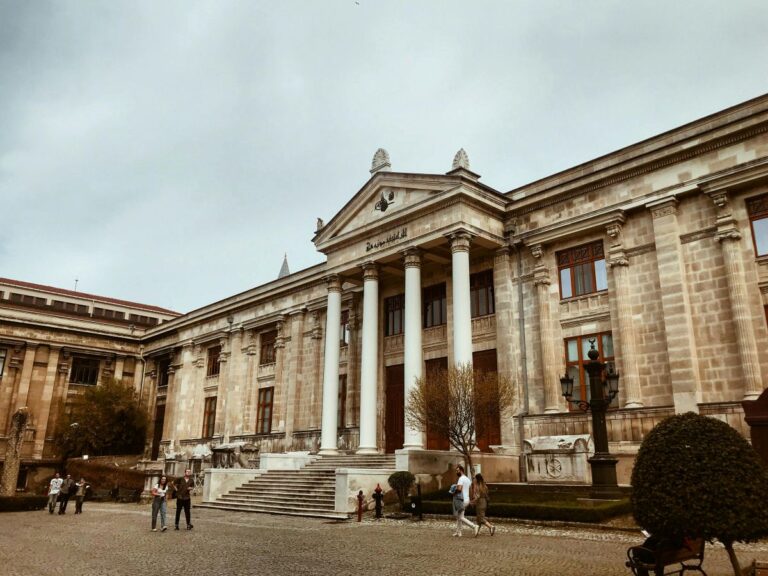
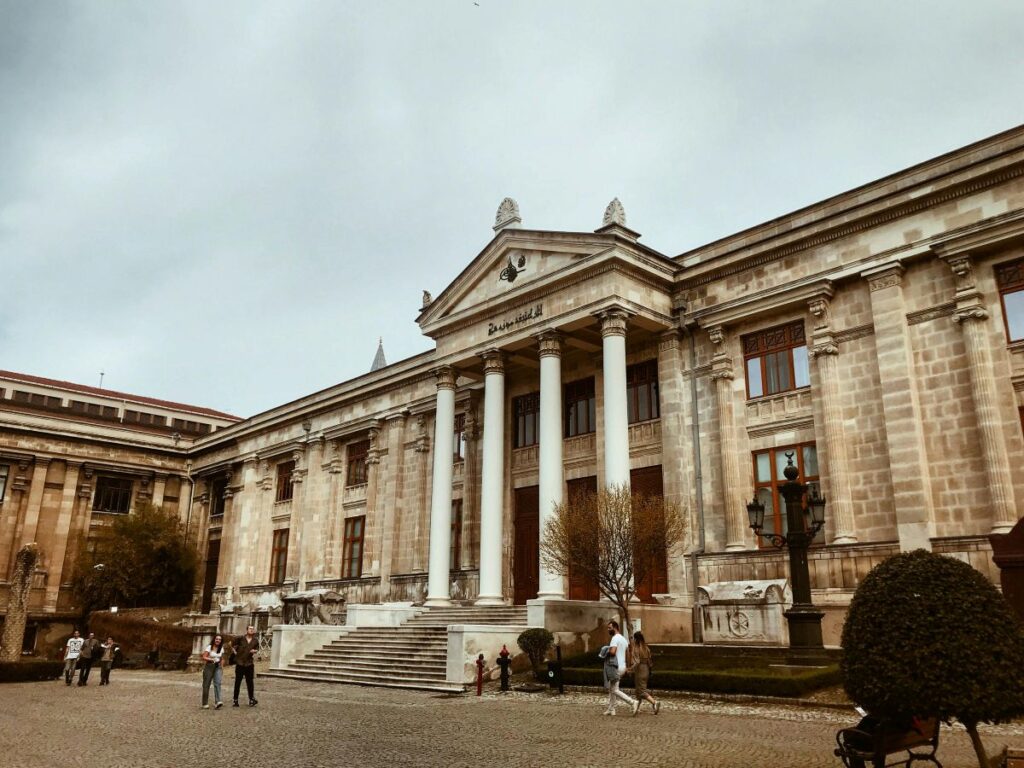
Located near Topkapı Palace, this remarkable museum complex was founded in the late nineteenth century and remains one of the most important archaeological museums in the world.
Its history is closely connected to Osman Hamdi Bey, one of the most influential figures in Turkish archaeology and museum studies. At a time when countless artifacts were leaving the Ottoman Empire, Osman Hamdi Bey worked to protect archaeological heritage and establish modern museum practices.
The result is a collection that spans thousands of years and stretches far beyond modern Turkey.
The museum houses artifacts from Mesopotamia, Anatolia, Egypt, Greece, Rome, and the ancient Near East. Visitors can see Assyrian reliefs, cuneiform tablets, monumental sculptures, sarcophagi, and some of the most important archaeological discoveries ever made in the region.
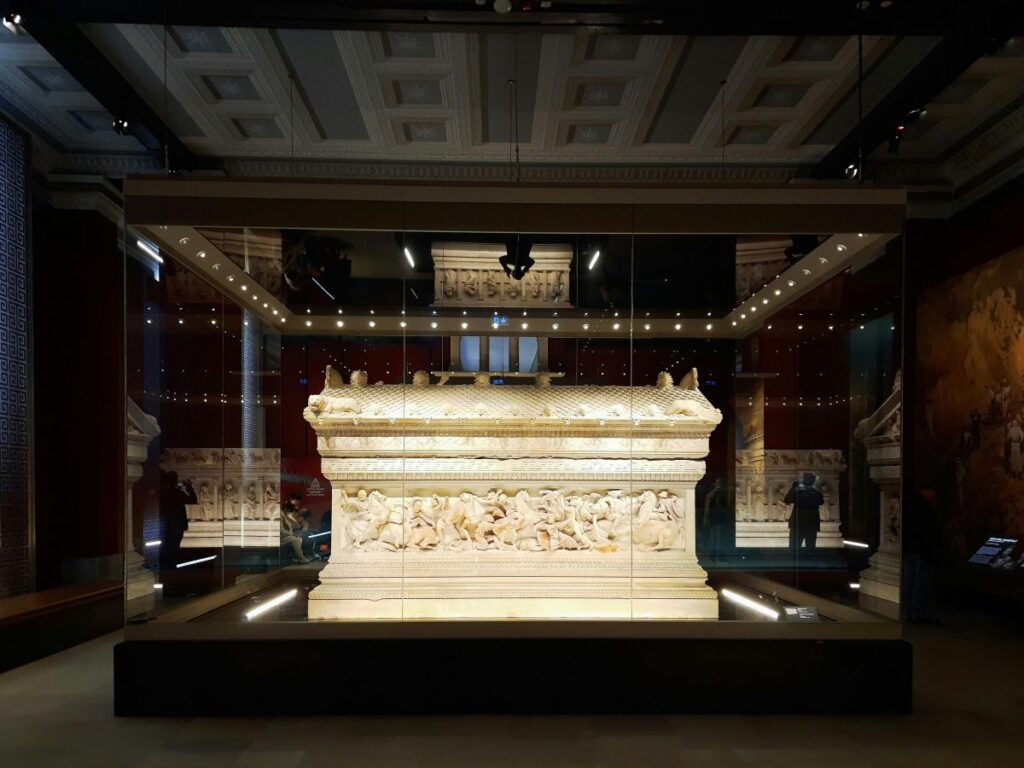
The museum’s undisputed star is the Alexander Sarcophagus.
Discovered in Sidon, modern-day Lebanon, the sarcophagus does not actually belong to Alexander the Great. However, its magnificent reliefs depict scenes associated with Alexander and represent one of the finest surviving examples of ancient sculpture.
Many visitors arrive expecting a typical archaeological museum.
Instead, they discover a collection capable of rivaling some of Europe’s most famous institutions.
Travelers spending time in the city may also enjoy our complete Istanbul Travel Guide, covering the city’s most important historical landmarks and neighborhoods.
Museum Information
Opening Hours:
Seasonal schedule applies.
Ticket:
15 Euro – Museum Pass Turkey accepted.
Time Needed:
3–4 hours.
Signature Artifacts
- Alexander Sarcophagus
- Treaty of Kadesh tablet copy
- Assyrian reliefs
- Ancient Near Eastern collections
Nearby Attractions
- Topkapı Palace
- Hagia Sophia
- Basilica Cistern
- Gulhane Park
9. Topkapi Palace Museum (Istanbul)
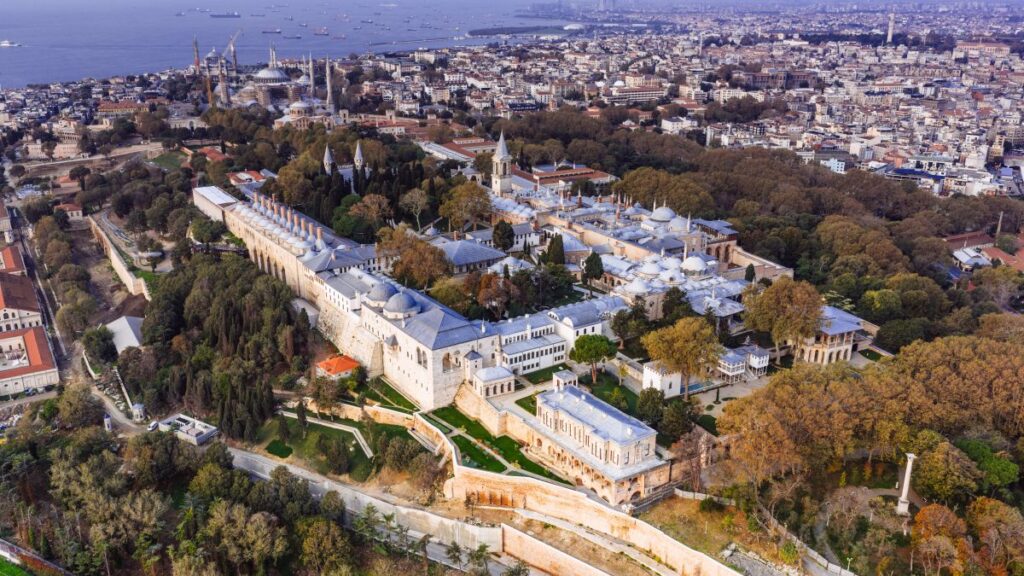
Unlike most museums on this list, Topkapi Palace was not originally built as a museum.
It was the political heart of the Ottoman Empire.
For nearly four centuries, Ottoman sultans governed one of the world’s most powerful empires from this sprawling palace overlooking the Bosphorus, the Golden Horn, and the Sea of Marmara.
Today, visitors can walk through courtyards, pavilions, audience chambers, kitchens, treasury rooms, and sections of the famous Imperial Harem.
The palace offers something that many archaeological museums cannot: context.
Rather than displaying objects removed from their original setting, Topkapı allows visitors to experience the environment where Ottoman rulers lived, governed, and shaped world history.
The Imperial Treasury is among the highlights. Here visitors encounter extraordinary jewels, ceremonial weapons, precious gifts, and some of the most famous treasures associated with the Ottoman dynasty.
Another major attraction is the Sacred Relics section.
According to Islamic tradition, the collection includes items associated with the Prophet Muhammad and other important religious figures. Regardless of personal beliefs, the atmosphere inside these galleries leaves a strong impression on many visitors.
More than any single artifact, however, Topkapi Palace offers insight into how the Ottoman Empire functioned at its height.
It is one thing to read about sultans in a history book.
It is quite another to stand in the very rooms where they ruled.
Topkapi Palace remains one of the highlights featured in our guide to the Best Things to Do in Istanbul.
Museum Information
Opening Hours:
Generally closed on Tuesdays. Check current schedules before visiting.
Ticket:
2750 Turkish Liras
Time Needed:
Half a day is recommended.
Signature Artifacts
- Imperial Treasury
- Sacred Relics Collection
- Ottoman weapons and armor
- Imperial manuscripts
Nearby Attractions
- Hagia Sophia
- Blue Mosque
- Basilica Cistern
- Istanbul Archaeological Museums
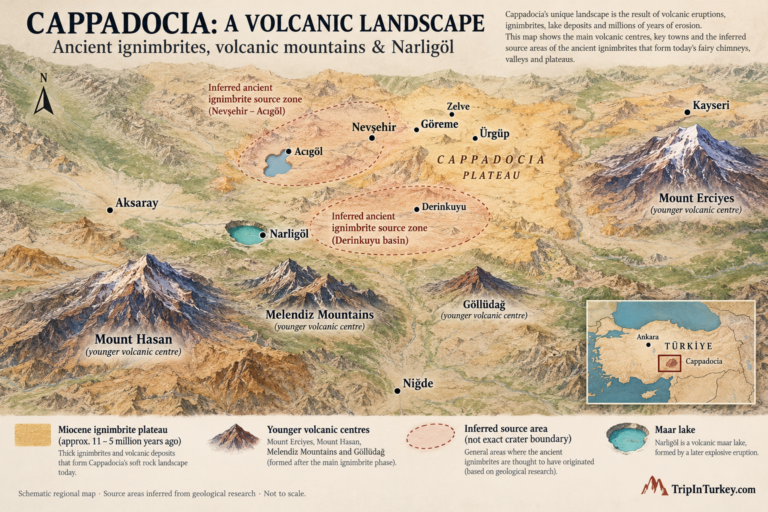
10. Goreme Open-Air Museum (Cappadocia)
Few museums in the world feel as unique as the Goreme Open-Air Museum.
Unlike traditional museums filled with display cases and galleries, this museum is an entire monastic complex carved directly into the volcanic rock of Cappadocia. For centuries, monks, hermits, and Christian communities transformed the soft tuff stone into churches, chapels, monasteries, dining halls, and living quarters.
Today, visitors walk through a landscape that looks almost unchanged from the Byzantine era.
The museum’s history is closely linked to the spread of Christianity in Anatolia. During periods of political instability and religious conflict, Cappadocia’s valleys provided both isolation and protection. Monastic communities flourished here, leaving behind hundreds of rock-cut churches decorated with remarkable frescoes.
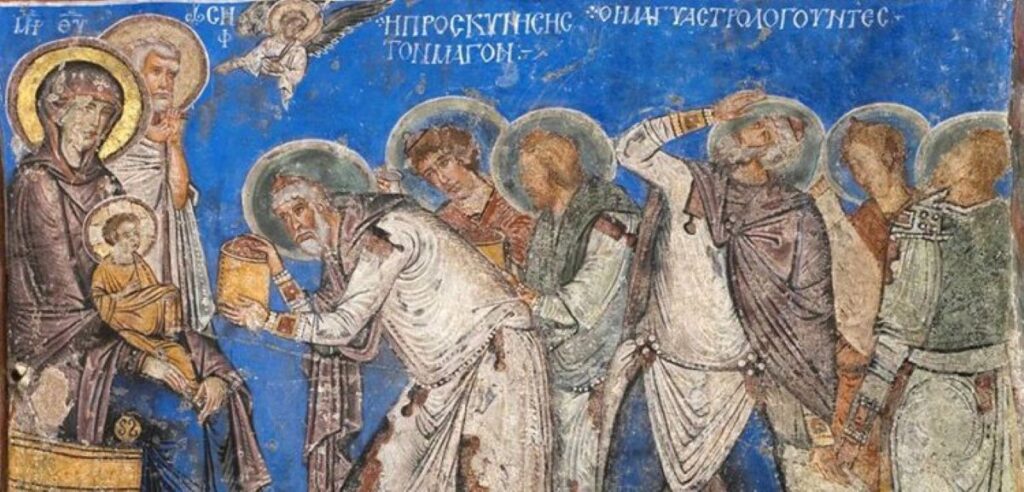
Among the highlights are the Apple Church, Snake Church, Sandal Church, and especially the Dark Church.
The Dark Church is often considered the masterpiece of Cappadocia. Because very little sunlight entered the interior for centuries, the colors of its frescoes remained exceptionally well preserved. Scenes from the life of Christ still appear vibrant nearly a thousand years after they were painted.
Visitors who have already explored the underground cities of Cappadocia often find that Goreme Open-Air Museum completes the story. Together, the churches and underground cities of Cappadocia reveal how Christian communities adapted to life in central Anatolia.
The museum is one of the most important stops featured in our comprehensive Cappadocia Travel Guide.
Museum Information
Opening Hours:
Hours vary seasonally.
Ticket:
20 Euro – Museum pass is accepted
Time Needed:
2–3 hours.
Signature Highlights
- Dark Church frescoes
- Apple Church
- Snake Church
- Monastic complexes
- Byzantine religious art
Nearby Attractions
- Göreme Town
- Uçhisar Castle
- Rose Valley
- Pigeon Valley
- Underground Cities of Cappadocia
11. Amasya Museum
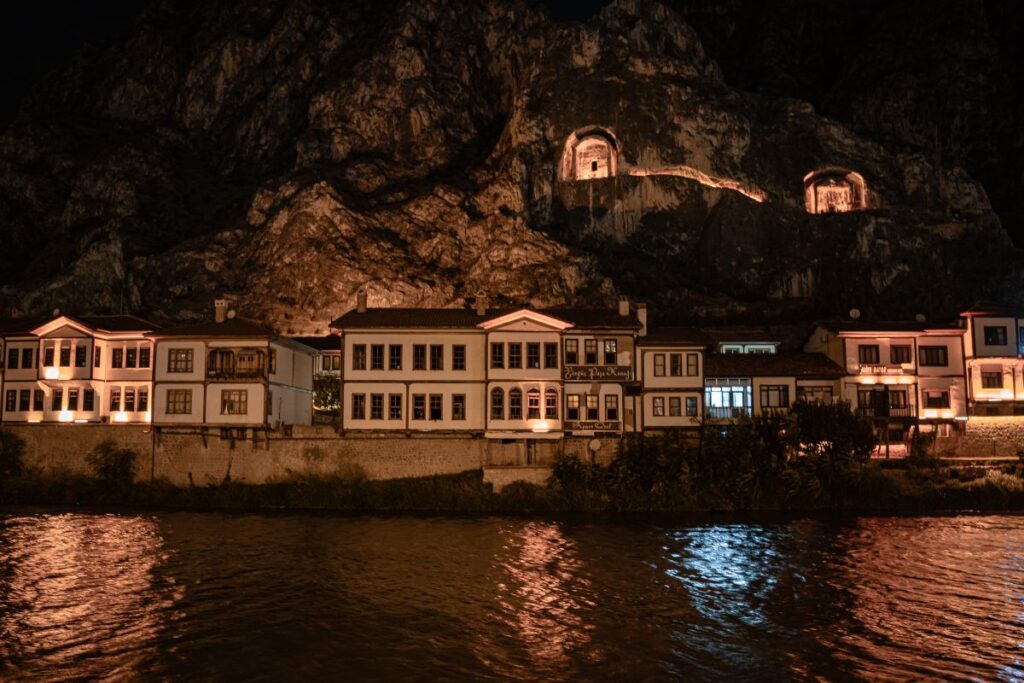
Amasya is such a beautiful city located on the green river as you see in the photo. Many travelers are surprised to discover that one of Turkey’s most unusual museum collections is located in the historic city of Amasya.
The reason is simple:
Mummies.
While mummies are often associated with ancient Egypt, Amasya Museum houses a remarkable collection of mummified individuals dating primarily to the Ilkhanid period.
The museum itself presents the history of the region from prehistoric times to the Ottoman era, but most visitors head directly to the mummy gallery.
There they encounter remarkably preserved remains of princes, governors, and important individuals who lived centuries ago. Unlike Egyptian mummies, which are often thousands of years older, the Amasya mummies provide a more immediate connection to medieval Anatolia.
Yet the museum offers much more than mummies.
Amasya has a rich history stretching back to the Hittites, Persians, Romans, Byzantines, Seljuks, and Ottomans. The museum’s archaeological collection reflects this diversity, displaying artifacts from many civilizations that once controlled the region.
Outside the museum, visitors can continue exploring one of Turkey’s most beautiful historic cities. Ottoman houses line the Yesilirmak (green) River, while the famous rock-cut tombs of the Pontic Kings overlook the city from above.
For travelers seeking something different from the standard archaeological museum experience, Amasya Museum is unforgettable.
Museum Information
Opening Hours:
Seasonal schedule applies.
Ticket:
3 Euro – Museum Pass Turkey accepted.
Time Needed:
1–2 hours.
Signature Artifacts
- Ilkhanid mummies
- Hittite artifacts
- Roman collections
- Ottoman-era objects
Nearby Attractions
- Pontic Rock Tombs
- Amasya Castle
- Ottoman riverside houses
- Sultan Bayezid II Complex
12. Haci Bektas Veli Museum (Nevsehir)
Some museums preserve artifacts.
Others preserve ideas.
The Haci Bektas Veli Museum belongs to the second category.
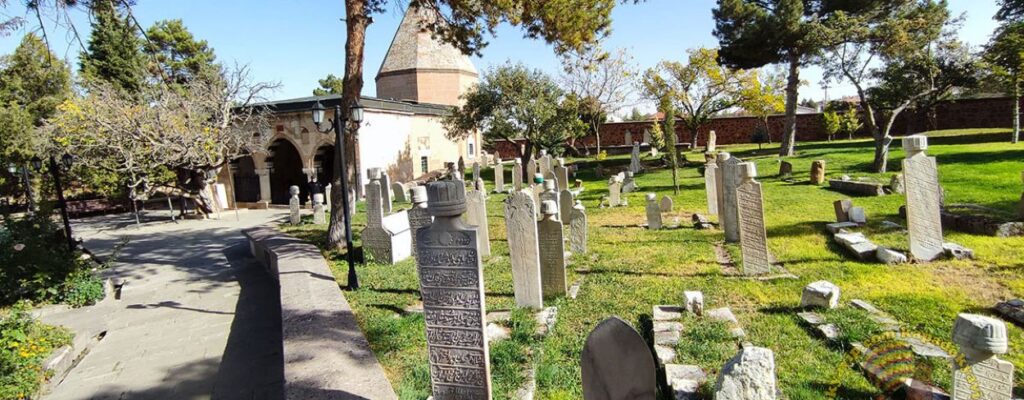
Located in the town of Hacibektas in central Anatolia, the museum occupies the historic dervish lodge associated with Hacı Bektaş Veli, one of the most influential spiritual figures in Turkish history.
Born in the 13th century, Haci Bektas Veli became a symbol of tolerance, humanism, and social harmony. His teachings helped shape the Bektashi Order, a spiritual tradition that played an important role throughout the Ottoman period.
Unlike many religious sites, the museum’s atmosphere is remarkably inclusive.
Visitors quickly discover that Haci Bektas Veli’s message focused not on division but on understanding.
His teachings emphasized respect for humanity regardless of differences in religion, ethnicity, or social status. Many of his sayings remain popular in Turkey today because they continue to feel relevant centuries later.
One of the most famous principles associated with his philosophy is:
“Do not forget that even your enemy is human.”
Another teaching encourages people to control their actions through wisdom and self-discipline:
“Be master of your hands, your tongue, and your desires.”
Perhaps the most famous saying connected to his tradition is:
“Whatever you seek, seek within yourself.”
Walking through the complex, visitors encounter courtyards, ceremonial halls, kitchens, prayer spaces, and symbolic architectural features that illustrate the values of the Bektashi tradition.
The museum offers something different from archaeological collections filled with ancient objects.
It provides insight into the spiritual and philosophical traditions that shaped Anatolian society.
For many visitors, it becomes one of the most meaningful museum experiences in Turkey.
Museum Information
Opening Hours:
Seasonal schedule applies.
Ticket:
Free entrance
Time Needed:
1–2 hours.
Signature Highlights
- Hacı Bektaş Veli’s lodge
- Bektashi ceremonial spaces
- Historical manuscripts
- Sufi cultural heritage
Nearby Attractions
- Hacıbektaş Town Center
- Cappadocia Region
- Underground Cities of Cappadocia
- Nevşehir Museum
13. Mevlana Museum (Konya)
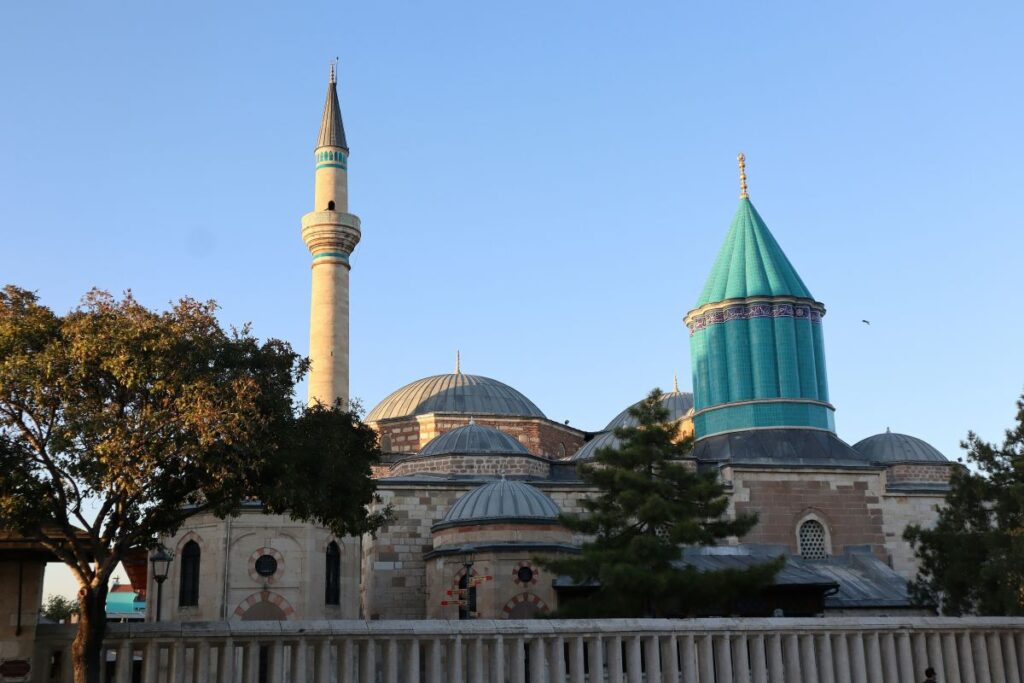
Few museums in Turkey attract visitors from as many different backgrounds as the Mevlana Museum in Konya.
Some arrive because of an interest in history. Others come for literature, philosophy, religion, or simply curiosity about one of the world’s most famous spiritual figures.
At the center of it all stands Jalal ad-Din Rumi, known in Turkey as Mevlana.
Born in the 13th century, Mevlana became one of the most influential poets and mystics in human history. His writings continue to be translated into dozens of languages, and his message of love, tolerance, and spiritual growth resonates with people around the world.
The museum itself was originally a dervish lodge and later became the center of the Mevlevi Order, often known in the West as the Whirling Dervishes.
The iconic turquoise dome above Mevlana’s tomb has become one of Turkey’s most recognizable landmarks.
Inside, visitors can see manuscripts, musical instruments, ceremonial objects, and personal items associated with the Mevlevi tradition. The exhibits help explain how music, poetry, and movement became tools for spiritual reflection.
Many travelers are surprised by the atmosphere.
Despite being one of Turkey’s most visited museums, the complex often feels calm and reflective. Visitors speak quietly, move slowly, and spend time contemplating the teachings displayed throughout the building.
One of Mevlana’s most famous invitations remains as powerful today as it was centuries ago:
“Come, come, whoever you are.”
It is a message that perfectly reflects the welcoming spirit many visitors experience here.
Museum Information
Opening Hours:
Seasonal schedule applies.
Ticket:
Museum Pass Turkey accepted.
Time Needed:
1–2 hours.
Signature Highlights
- Tomb of Mevlana Rumi
- Mevlevi manuscripts
- Dervish musical instruments
- Historic dervish lodge
Nearby Attractions
- Alaeddin Hill
- Karatay Medrese
- İnce Minareli Medrese
- Selimiye Mosque
14. Rahmi M. Koc Museum (Istanbul)
Most museums on this list focus on archaeology, ancient civilizations, or religion.
Rahmi M. Koc Museum offers something completely different.
Located along the Golden Horn in Istanbul, this fascinating museum celebrates industry, engineering, transportation, science, and technology.
For many visitors, it becomes one of the most enjoyable surprises in the city.
The museum occupies restored industrial buildings and warehouses that once formed part of Istanbul’s maritime and commercial infrastructure. Today, these spaces house everything from classic automobiles and steam engines to aircraft, locomotives, and historic boats.
Unlike traditional museums where visitors simply observe artifacts, many exhibits here are designed to be interactive and engaging.
Children love it.
Adults often love it even more.
Walking through the galleries feels like traveling through the technological history of the last two centuries. Visitors can explore vintage cars, marine engines, communication devices, scientific instruments, and countless objects that shaped everyday life.
One of the highlights is the collection of historic transportation vehicles, which demonstrates how rapidly technology transformed the modern world.
For travelers looking for a break from ancient ruins and archaeological sites, Rahmi M. Koc Museum provides a refreshing change of pace.
Museum Information
Opening Hours:
Generally closed on Mondays. Verify current schedules before visiting.
Ticket:
450 Turkish Liras
Time Needed:
2–4 hours.
Signature Highlights
- Historic automobiles
- Steam locomotives
- Maritime collection
- Aviation exhibits
- Industrial technology displays
Nearby Attractions
- Pierre Loti Hill
- Golden Horn
- Miniatürk
- Balat District
15. Museum of Turkish and Islamic Arts (Istanbul)
Located opposite the Blue Mosque in the historic heart of Istanbul, the Museum of Turkish and Islamic Arts is often overshadowed by its famous neighbors.
That is a mistake.
For travelers interested in art, craftsmanship, and cultural history, it is one of Turkey’s most rewarding museums.
The museum occupies the former palace of Ibrahim Pasha, one of the most powerful figures of the Ottoman Empire. The building itself is a historic monument, providing a fitting setting for the treasures displayed inside.
The collection spans more than a thousand years and includes extraordinary examples of Islamic calligraphy, ceramics, woodwork, metalwork, manuscripts, and textiles.
However, the museum is perhaps most famous for its carpet collection.
Many specialists consider it one of the finest collections of historic carpets in the world.
These carpets are not simply decorative objects. They tell stories about trade routes, regional traditions, religious symbolism, and artistic innovation across centuries of Anatolian history.
The museum also helps visitors understand a side of Turkish history that is often overlooked by those focused exclusively on archaeology.
While sites such as Ephesus and Troy reveal the ancient world, the Museum of Turkish and Islamic Arts explains the artistic and cultural achievements of later civilizations that shaped Anatolia.
Museum Information
Opening Hours:
Seasonal schedule applies.
Ticket:
17 Euro – Museum Pass Turkey accepted.
Time Needed:
1–2 hours.
Signature Artifacts
- Historic Anatolian carpets
- Islamic manuscripts
- Ottoman calligraphy
- Ceramic collections
- Wooden architectural elements
Nearby Attractions
- Blue Mosque
- Hagia Sophia
- Basilica Cistern
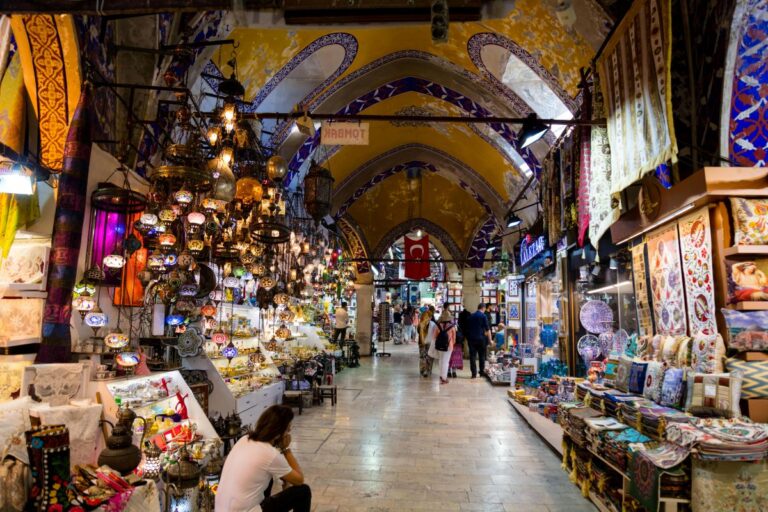
- Grand Bazaar
A Guide’s Advice
As a licensed tour guide, one of the most common mistakes I see is travelers spending hours at archaeological sites while completely skipping the museums connected to them.
I understand why.
After walking through Ephesus, Troy, Gobeklitepe, or Cappadocia, many people feel they have already seen everything.
In reality, the opposite is often true.
The archaeological site shows you where history happened. The museum helps you understand what happened there.
A statue displayed in a museum may have originally stood in a temple you visited earlier that day. A mosaic may have come from a Roman villa whose foundations are now barely visible. A small artifact inside a display case can sometimes tell a larger story than an entire archaeological site.
Whenever possible, I recommend visiting the museum before or after the site itself.
The experience becomes much richer.
You stop seeing ruins as piles of stones and begin seeing them as places where real people lived, worked, worshipped, traded, and built civilizations.
Looking for a deeper understanding of Turkey’s museum landscape? Read our comprehensive Museums in Turkey guide, where we explore 12,000 years of civilization through the country’s greatest collections.
Final Thoughts
Turkey’s museums are far more than collections of ancient objects.
Together, they tell the story of Anatolia itself.
From the world’s earliest temple builders at Gobeklitepe to the Hittites, Greeks, Romans, Byzantines, Seljuks, Ottomans, and modern Turkey, each museum preserves a chapter in a story spanning more than ten thousand years.
Some museums impress visitors with spectacular architecture.
Others amaze with priceless treasures, mosaics, sculptures, manuscripts, or religious artifacts.
But the best museums do something more important.
They help us understand the people behind the objects.
Whether you are fascinated by archaeology, religion, art, science, philosophy, or ancient civilizations, Turkey offers a museum capable of deepening your understanding of the country’s remarkable past.
And perhaps that is the greatest reason to visit them.
Not simply to see artifacts.
But to better understand the countless generations who shaped the land we know today as Turkey.
If you’re planning a cultural journey across the country, don’t miss our guide to the Best Places to Visit in Turkey, featuring destinations that combine history, archaeology, nature, and local culture.