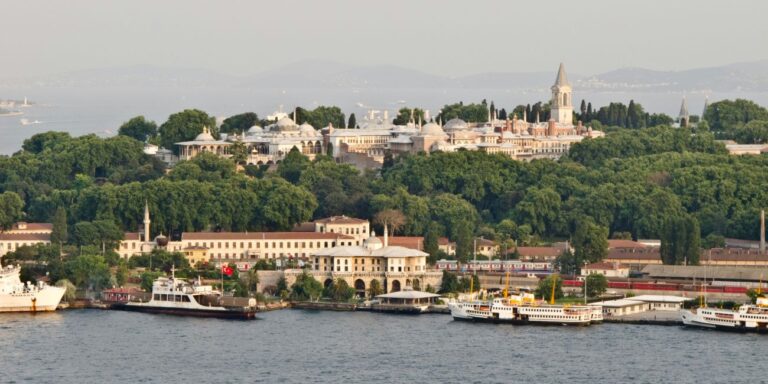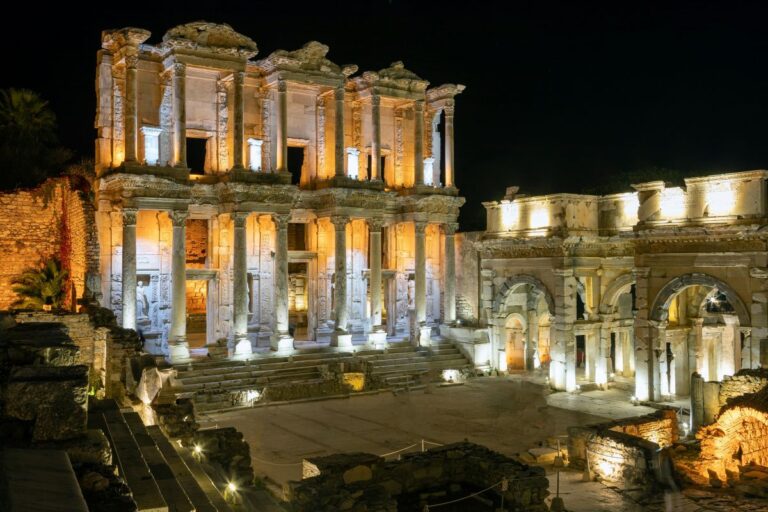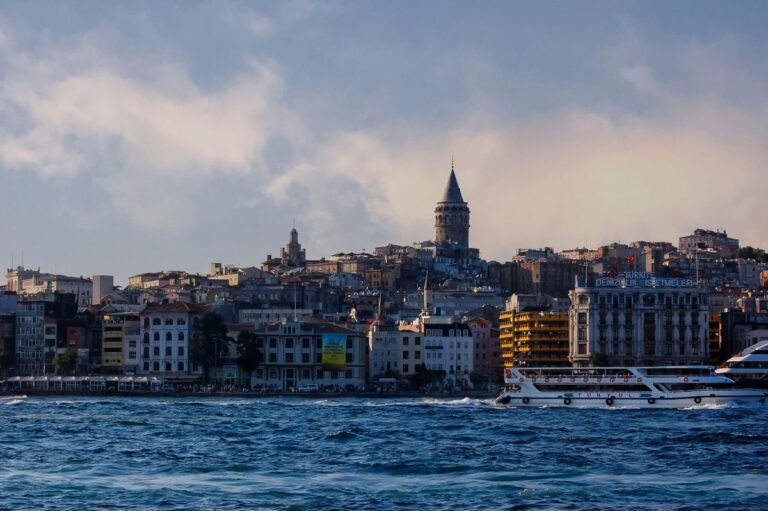
Most travelers visit Turkey for Istanbul, Cappadocia, or Ephesus. And while those places are undeniably impressive, they only tell part of the story.
Because the real story of humanity — the one that begins before cities, before writing, before even pottery — starts in Eastern Turkey.
This Eastern Turkey itinerary is not just about visiting destinations. It is about walking through the origins of civilization itself.
From the volcanic landscapes of Cappadocia to the world’s oldest temples in Şanlıurfa, from forgotten kingdoms on mountain peaks to ancient cities on the Silk Road — this journey takes you deep into the heart of Anatolia and Mesopotamia.
If you’re looking for a more classic route across the country, you can also check our 10 day Turkey itinerary covering Istanbul, Cappadocia, Ephesus, and Pamukkale.
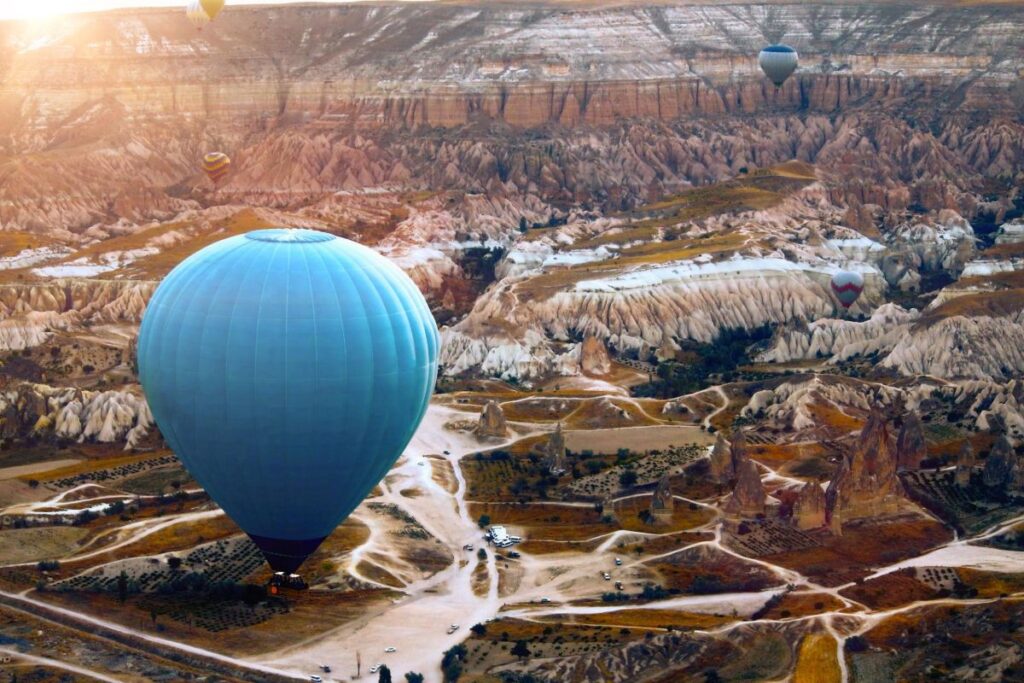
Day 1–2: Cappadocia — Where Nature and History Intertwine
Cappadocia is often described as a dreamlike landscape. But beyond its surreal beauty lies a history that stretches back thousands of years.
Millions of years ago, volcanic eruptions from Mount Erciyes and Mount Hasan covered the region with soft tuff rock. Over time, wind and erosion sculpted the famous fairy chimneys. But what makes Cappadocia unique is not just nature — it is what humans did with it.
As early as the Bronze Age, the region was part of the Hittite world, and even earlier, prehistoric settlements like Asikli Hoyuk show evidence of some of the earliest farming communities in Anatolia.
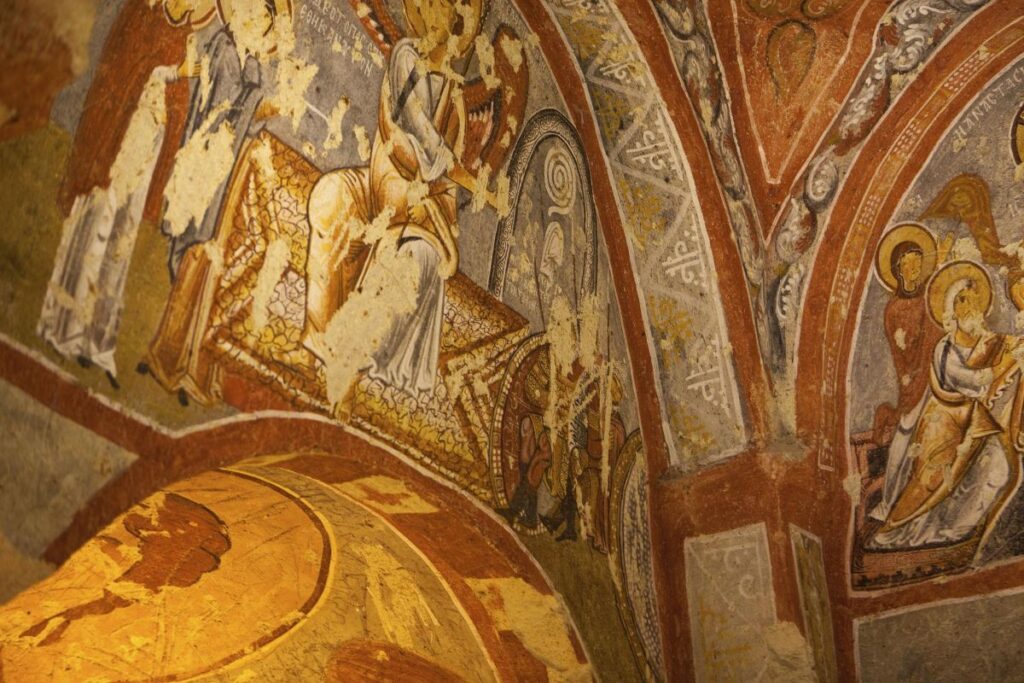
Later, early Christians carved churches, monasteries, and entire underground cities into the rock, turning Cappadocia into a refuge during Roman and Byzantine periods.
You can also explore the best experiences in our Best Things to Do in Cappadocia
Highlights:
- Sunrise hot air balloon experience
- Goreme Open-Air Museum (rock-cut churches and frescoes)
- Underground cities like Derinkuyu or Kaymakli
- Ihlara Valley hike along the Melendiz River
- Uchisar Castle panoramic views
“Check prices for Cappadocia hot air balloon tour”
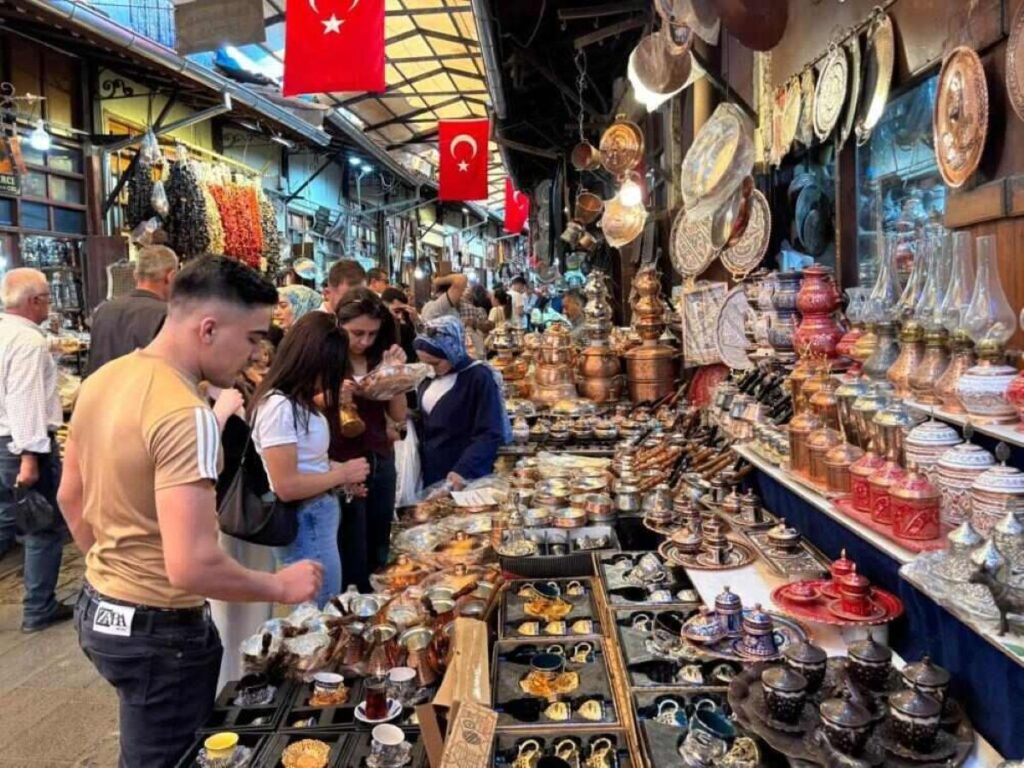
Day 3: Gaziantep — Where Trade and Taste Meet
As you travel southeast, the landscape begins to change — and so does the culture.
Gaziantep has been a crossroads of civilizations for centuries, sitting near ancient trade routes that once connected Mesopotamia with the Mediterranean.
But today, it is best known for something else: its food.
Recognized by UNESCO as a Creative City of Gastronomy, Gaziantep offers one of the richest culinary traditions in Turkey.
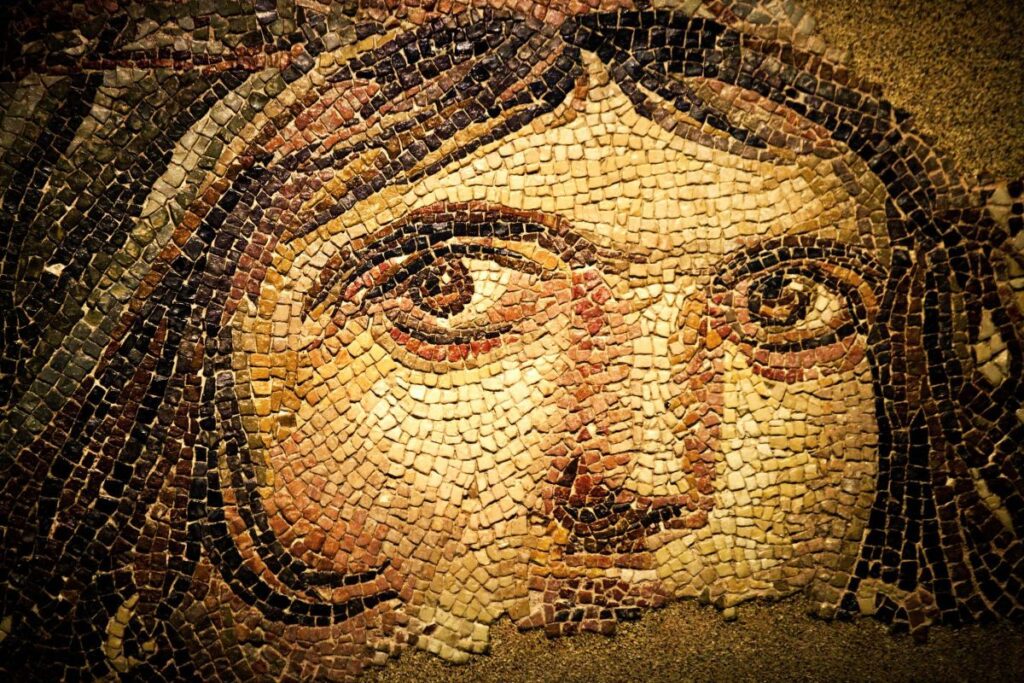
It also has one of the largest mosaic museum of the world. The mosaics of Zeugma are among the finest examples of Roman art in the eastern Mediterranean.
Highlights:
- Zeugma Mosaic Museum (home to the famous “Gypsy Girl”)
- Traditional bazaars and copper workshops
- Tasting local dishes: baklava, kebabs, and regional specialties
Yet beneath its modern identity lies a deep historical layer. The mosaics of Zeugma come from a Roman city that once flourished along the Euphrates — a reminder that this region has always been a bridge between worlds.
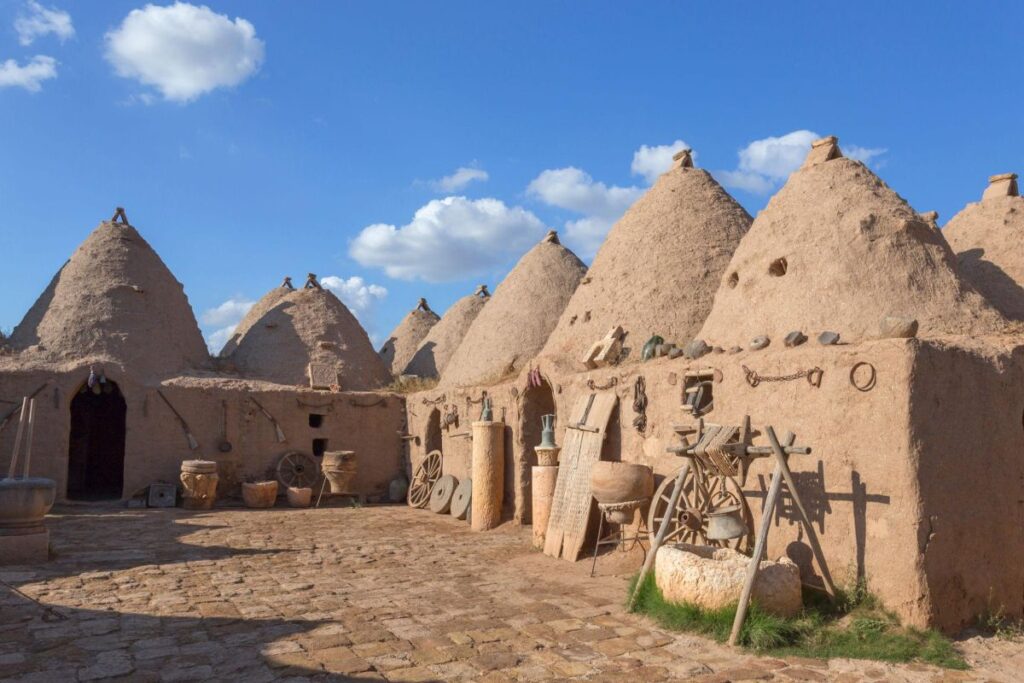
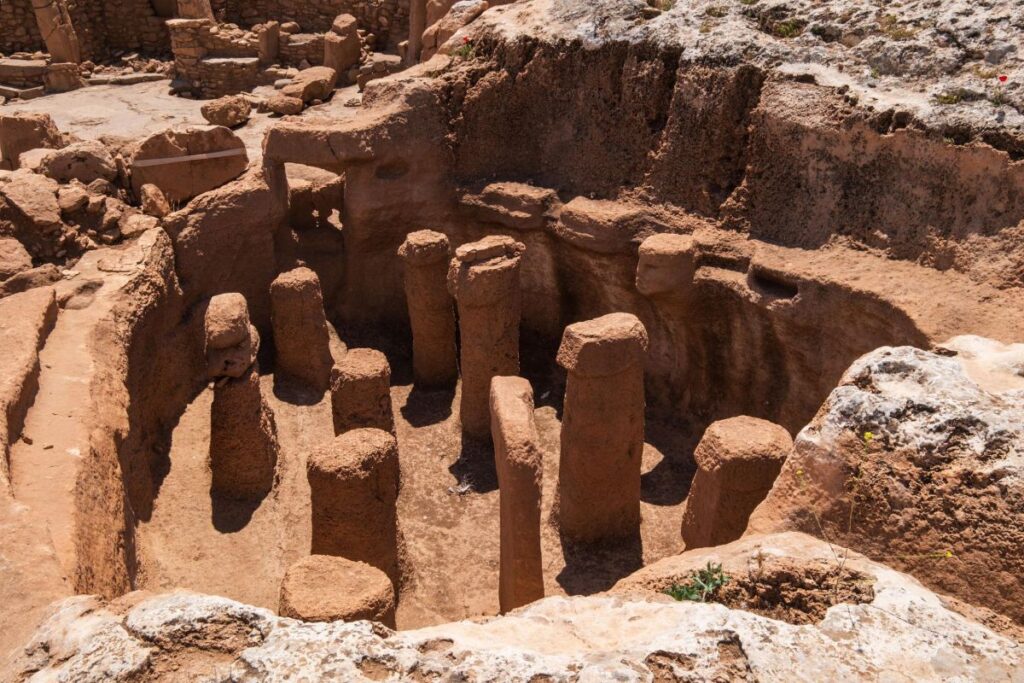
Day 4–5: Sanliurfa — The Birthplace of Belief
If there is one place on this itinerary that changes how you see history, it is Sanliurfa.
Often called the “City of Prophets,” it is deeply connected to religious traditions. But its true significance lies even further back in time.
Just outside the city stands Gobeklitepe, a site that has reshaped our understanding of human history.
According to UNESCO, Gobeklitepe is considered one of the most important archaeological discoveries in the world.
Dated to around 9600 BCE, Gobeklitepe predates Stonehenge by thousands of years. It was built by hunter-gatherers — long before the invention of agriculture or permanent settlements.
This discovery led archaeologists to question a long-held belief:
What if religion came before civilization, not after?
Nearby, Karahantepe and other sites in the Taş Tepeler region suggest that this was not an isolated monument, but part of a vast prehistoric cultural network.
Read our full breakdown in Gobeklitepe Travel Guide: The World’s First Temple
Highlights:
- Gobeklitepe (world’s oldest known temple complex)
- Karahantepe (emerging archaeological site)
- Balikligol (sacred pool tied to Abrahamic traditions)
- Harran (ancient city with unique architecture)
“Explore Gobeklitepe guided tours” from Istanbul.
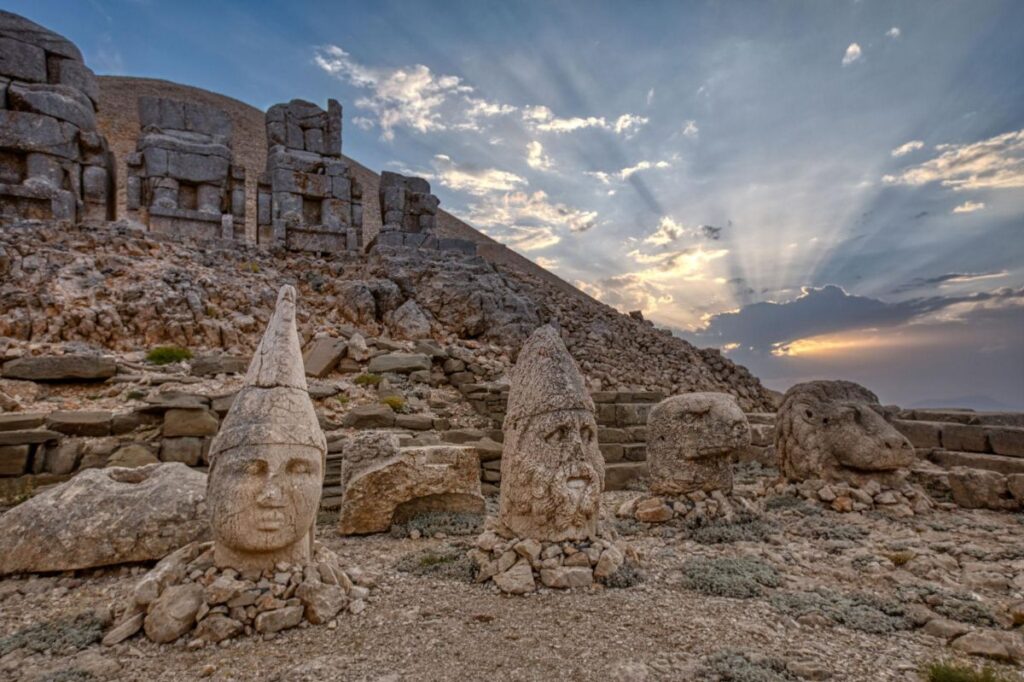
Day 6: Mount Nemrut — A Forgotten Kingdom in the Sky
High in the mountains of southeastern Turkey lies one of the most mysterious sites in the country: Mount Nemrut.
Here, at over 2,000 meters above sea level, King Antiochus I of the Commagene Kingdom built a monumental tomb sanctuary in the 1st century BCE.
The site features massive stone heads representing gods, eagles, and lions — a fusion of Greek, Persian, and Anatolian influences.
Over time, earthquakes toppled these statues, scattering their heads across the mountain. Today, they lie in silent rows, watching the sunrise and sunset.
Highlights:
- Sunrise or sunset experience (both are unforgettable)
- Colossal statues and royal tomb
- Panoramic mountain views
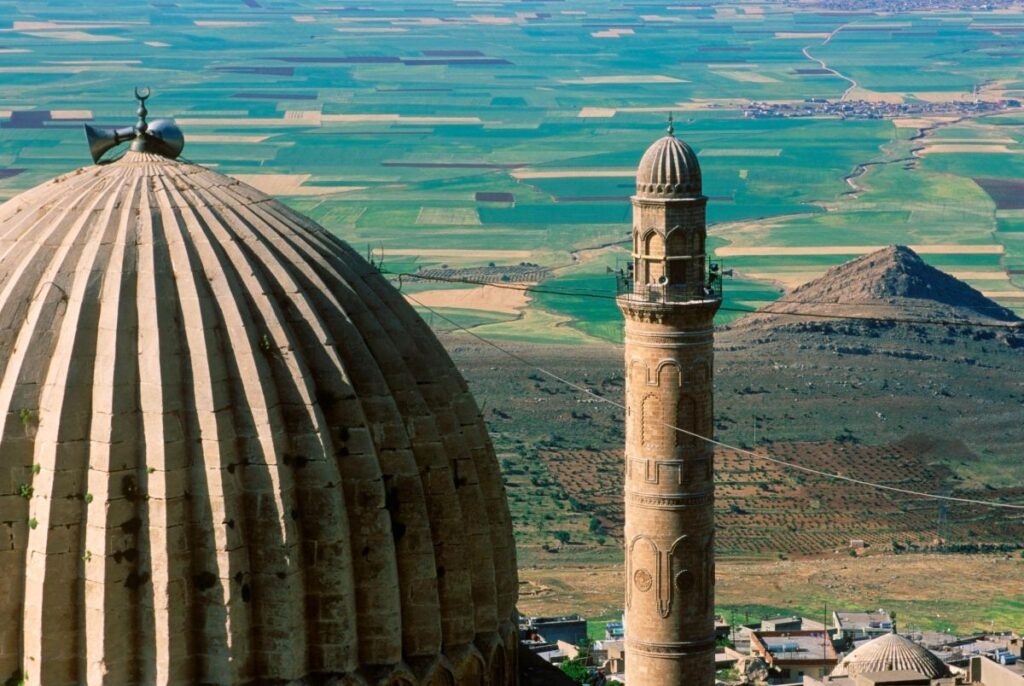
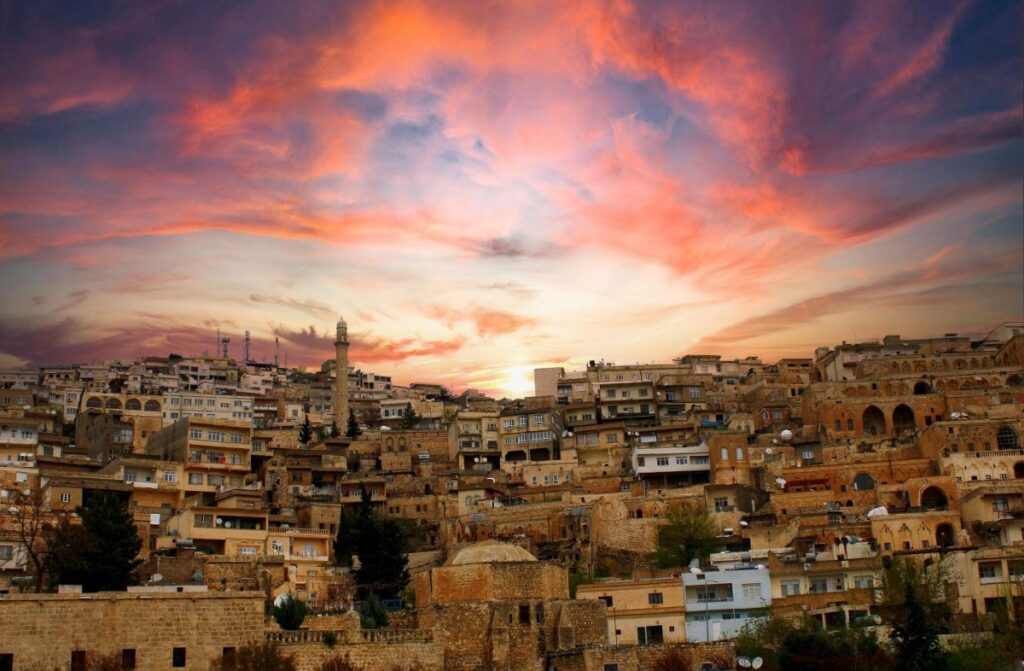
Day 7–8: Mardin — The Edge of Mesopotamia
Mardin feels like a city suspended in time.
Built on a hillside overlooking the vast plains of Mesopotamia, it has been home to a diverse mix of cultures for centuries — including Arabs, Kurds, Assyrians, and Turks.
Its golden stone houses cascade down the slope, creating one of the most iconic skylines in Turkey.
Highlights:
- Walking through the old town
- Deyrulzafaran Monastery (Syriac Orthodox heritage)
- Midyat (traditional stone architecture)
- Views over the Mesopotamian plains
Mardin is not just a destination — it is an atmosphere.
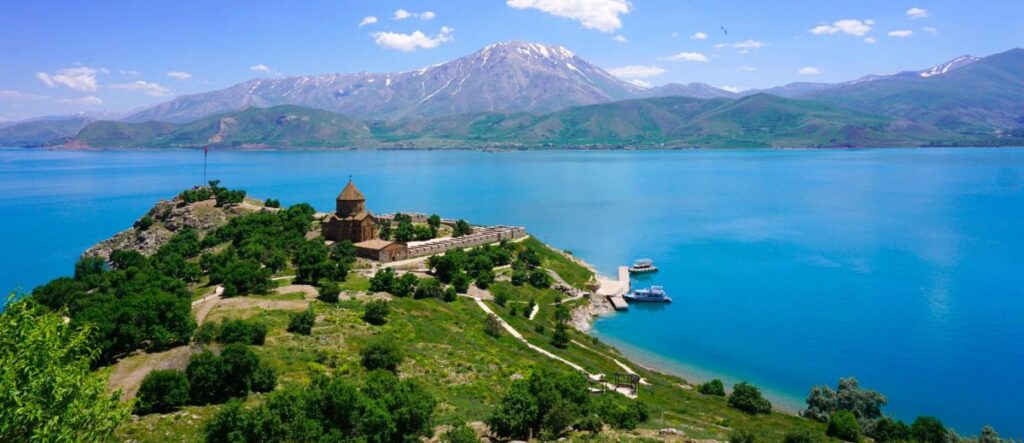
Day 9: Van — Kingdoms by the Lake
Further east, the landscape opens into vast plains and a deep blue lake: Lake Van.
This region was once the center of the Urartian Kingdom, one of the most powerful civilizations of the Iron Age.
Highlights:
- Akdamar Island and its medieval Armenian church
- Van Castle overlooking the lake
- Scenic views of Lake Van
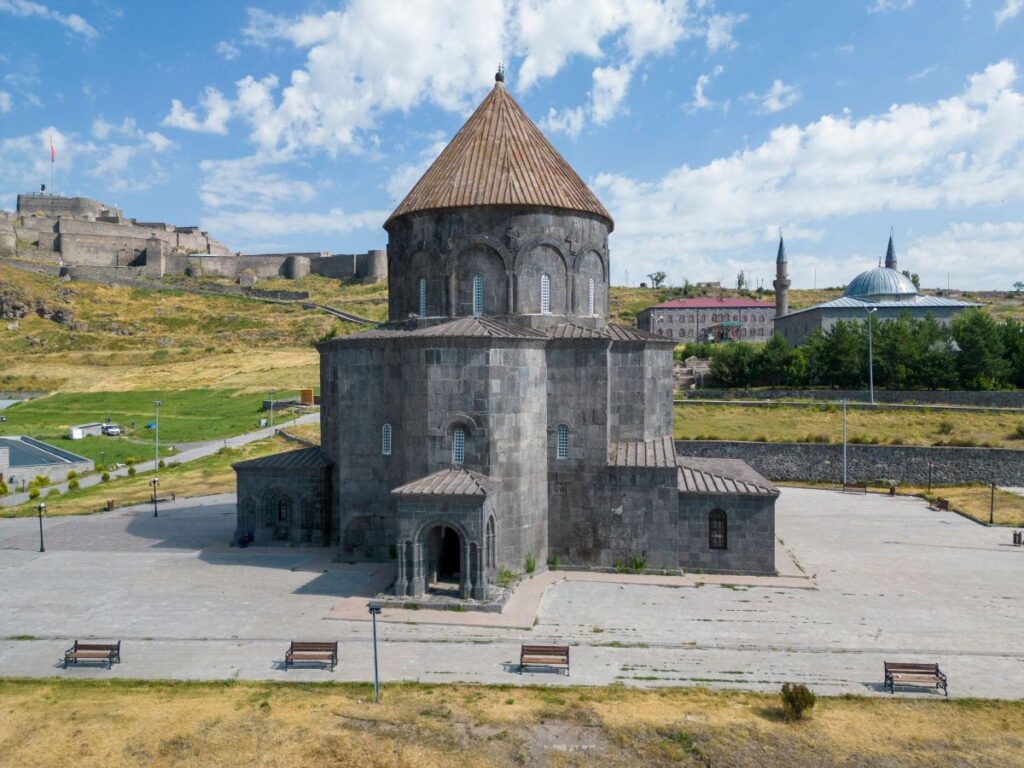
Day 10: Eastern Turkey Itinerary: Kars — The Silent Frontier
Near the Armenian border lies Kars — a city shaped by multiple empires, including the Russians.
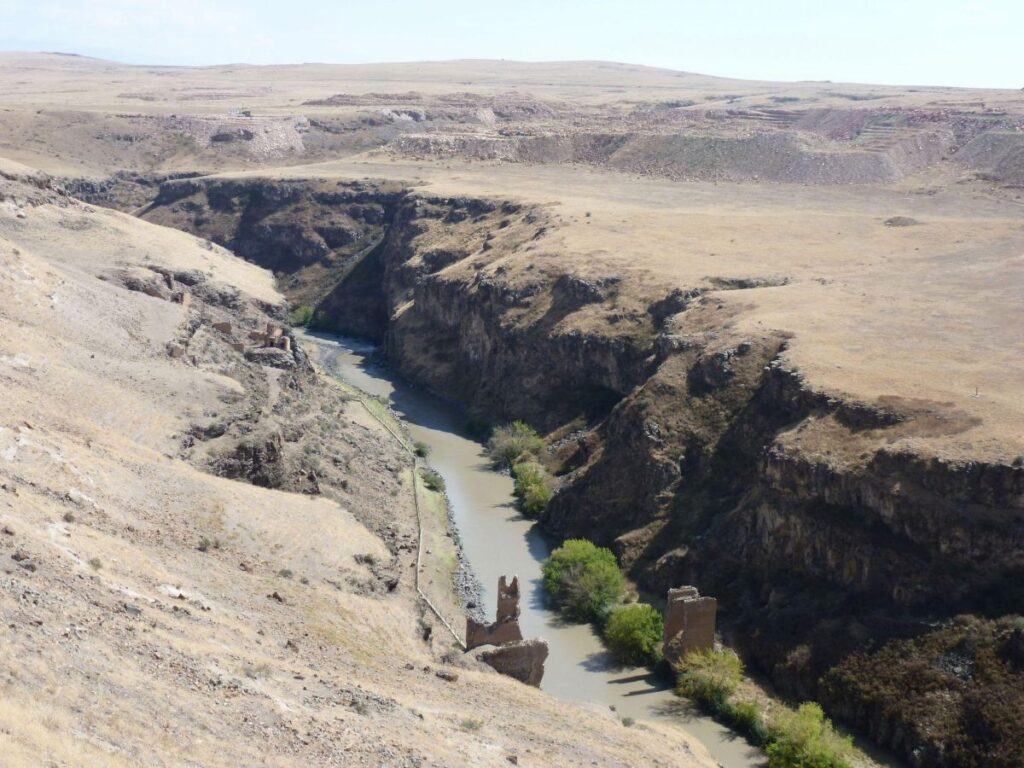
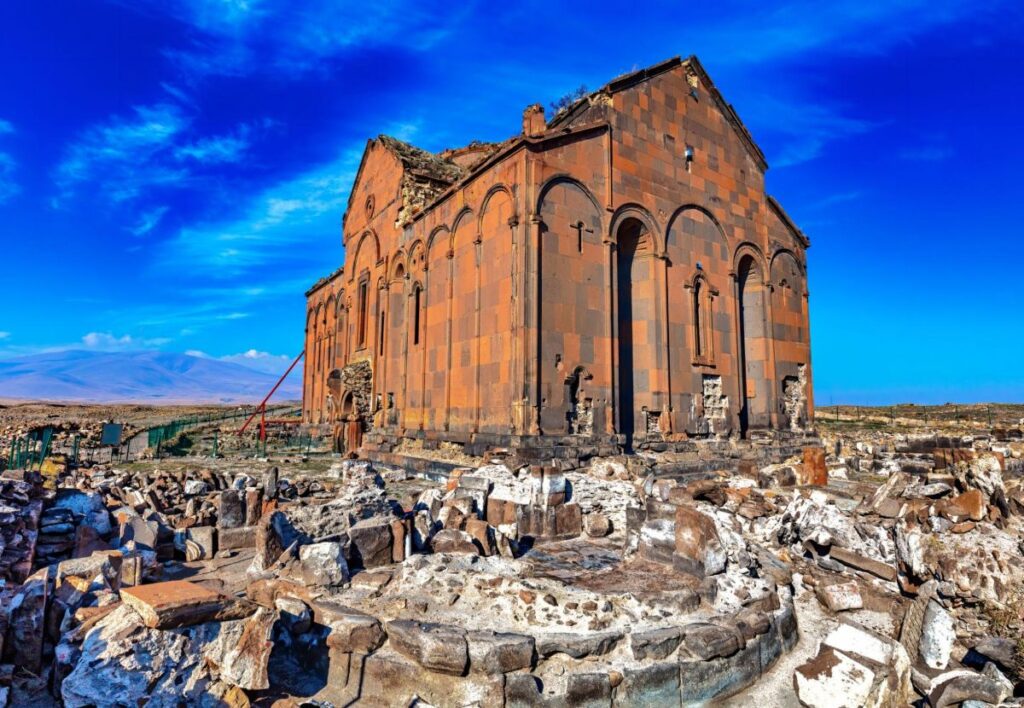
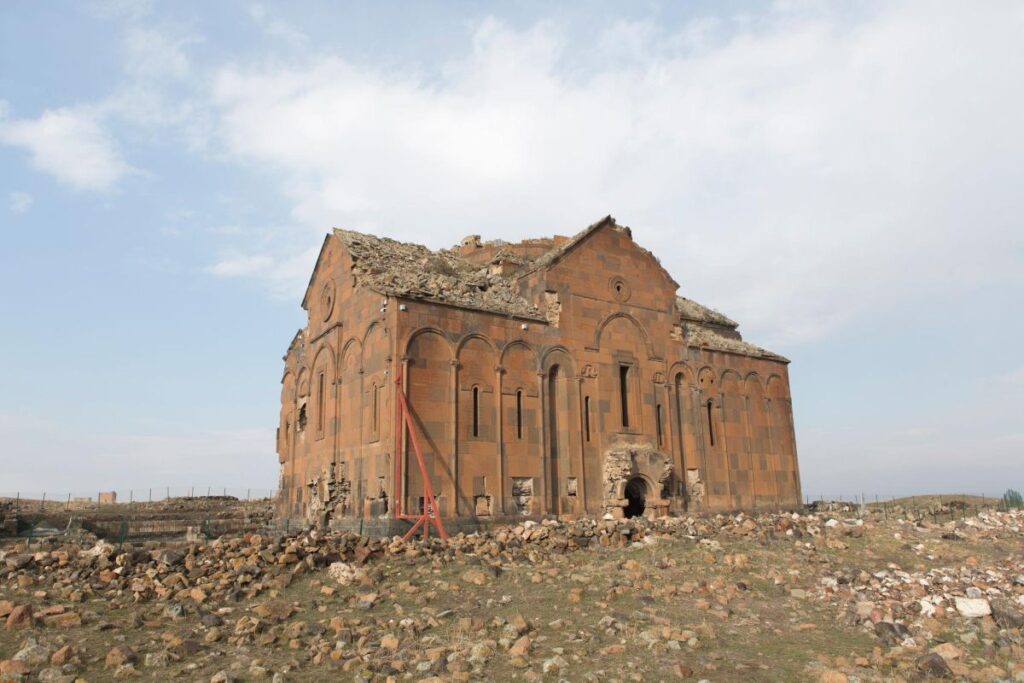
But the real highlight is nearby Ani, a once-great medieval capital known as the “City of 1001 Churches.”
Today, its ruins stand in haunting silence, overlooking a deep canyon that marks the border.
Highlights:
- Ani Ruins (UNESCO World Heritage Site)
- Kars city center

Optional Extension: Mount Ararat
If time allows, extend your journey to Mount Ararat — Turkey’s highest peak and a mountain deeply rooted in mythology.
Why This Itinerary Stands Out
Unlike classic Turkey routes, this journey focuses on:
- The origins of human civilization
- Prehistoric and ancient cultures
- Lesser-known but deeply meaningful destinations
While the 10 day Turkey itinerary is perfect for first-time visitors, this route is ideal for travelers who want to explore the hidden history of Anatolia.
It is not about ticking boxes — it is about understanding where everything began.
If this is your first time visiting Turkey, you may want to start with our 10 day Turkey itinerary before diving into this more off-the-beaten-path journey.
Practical Travel Tips
- Best time to visit is spring and autumn
- Avoid peak summer heat in southeastern region
- Plan logistics carefully considering the drive between cities
Final Thoughts
This itinerary is not for everyone but for those who are curious about history, culture, and the deeper story of humanity, it may become one of the most meaningful journeys you will ever take.
Because here, in Eastern Turkey, you are not just traveling through space — you are traveling through time. It is part of Mesopotamia where history began.
Planning your trip? Don’t miss our advises for Best Time to Visit Turkey