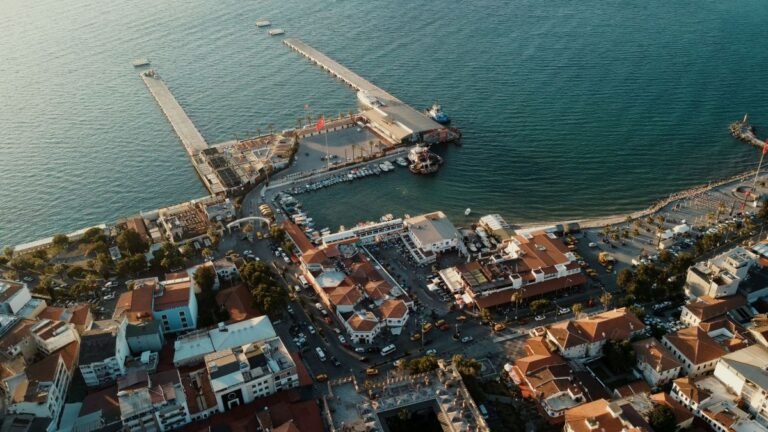
Antalya is often described as Turkey’s beach capital, but that description is only half true.
Yes, the city is famous for its turquoise Mediterranean coast, long beaches, luxury resorts, and sunny climate. But Antalya is much more than a summer holiday destination. It is a place where ancient cities, Roman gates, Seljuk architecture, mountain landscapes, waterfalls, and modern coastal life come together in one region.
Few places in Turkey offer such variety within such a short distance. In the morning, you can walk through the narrow streets of Kaleici, Antalya’s historic old town. By midday, you can swim at Konyaaltı or Lara Beach. In the afternoon, you can explore Perge, Aspendos, or Termessos—some of the most impressive ancient sites in southern Turkey.
As a licensed tour guide, I see Antalya as one of the best destinations for travelers who want both relaxation and history. Many visitors arrive for the sea and sunshine, but the ones who explore beyond the beaches often discover a much richer side of the region.
This Antalya travel guide will help you understand where to stay, how many days you need, when to visit, how to get around, and how to plan your trip without missing the historical and natural highlights that make Antalya so special.
Why Visit Antalya?
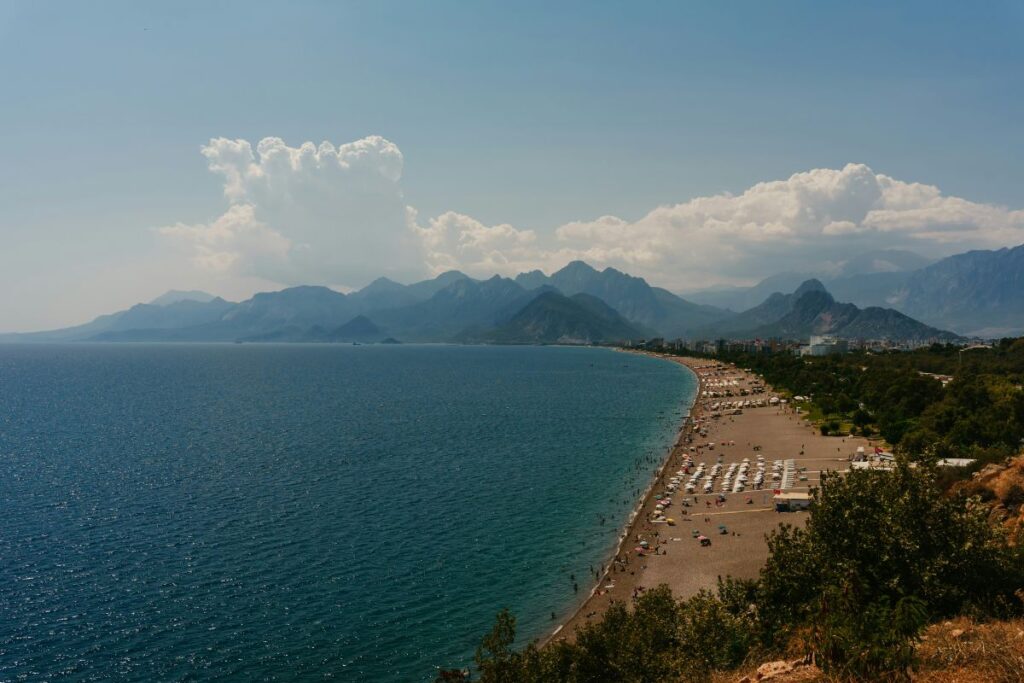
Antalya is one of the most complete destinations in Turkey.
Some travelers come for the beaches. Others come for ancient ruins, boat trips, waterfalls, or resort holidays. What makes Antalya valuable is that you do not have to choose only one type of trip.
You can combine several experiences in the same journey.
A Mediterranean City with Real History
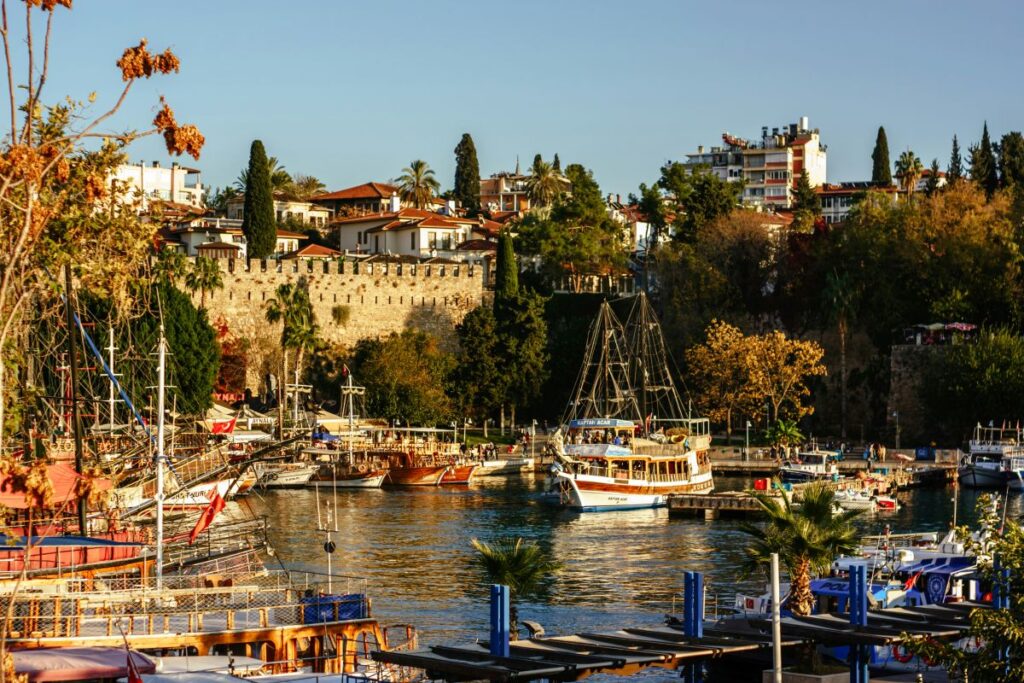
Unlike some resort towns that exist mainly for tourism, Antalya is a living city with deep historical roots. Kaleici, the old town, still preserves traces of Roman, Byzantine, Seljuk, and Ottoman history. The ancient harbor, Hadrian’s Gate, stone houses, mosques, and narrow streets all remind visitors that Antalya has been an important Mediterranean city for centuries.
History lovers should also explore Turkey’s UNESCO World Heritage Sites, which include some of the country’s most remarkable cultural and archaeological treasures.
Easy Access to Ancient Cities
Antalya is one of the best bases in Turkey for exploring ancient cities.
Perge, Aspendos, Termessos, Side, Phaselis, and Olympos are all within reach. This makes the region especially rewarding for travelers who want more than beaches.
Beaches and Mountains Together
One of Antalya’s strongest features is its landscape.
The Mediterranean Sea lies on one side, while the Taurus Mountains rise dramatically behind the city. This creates a setting that feels different from many other coastal destinations. You can swim in the sea, see snow-covered mountain peaks in the distance during parts of the year, and explore canyons or ancient ruins in the same trip.
A Good Destination for Different Travelers
Antalya works for families, couples, history lovers, beach travelers, and first-time visitors to Turkey. Luxury resort travelers may prefer Lara or Belek, while independent travelers often enjoy Kaleici or Konyaalti. Those interested in archaeology can use Antalya as a base for day trips to some of Turkey’s most important ancient sites.
Brief History of Antalya
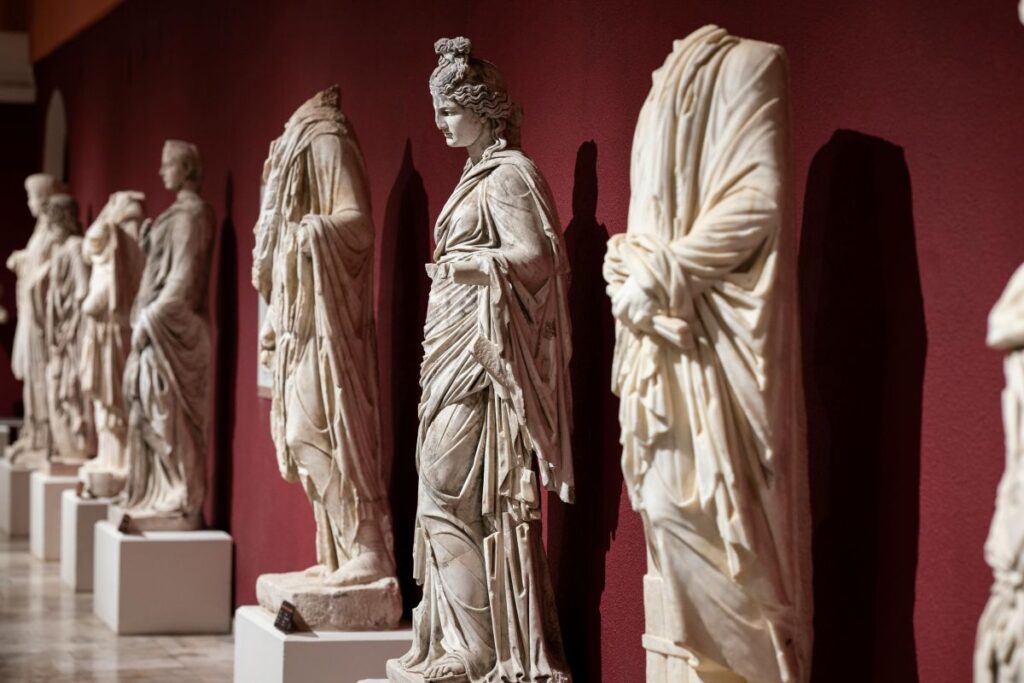
Long before Antalya became one of the Mediterranean’s most popular holiday destinations, it was a thriving port city connecting civilizations, cultures, and trade routes across the ancient world.
The story begins in the 2nd century BC when King Attalus II of Pergamon reportedly ordered his soldiers to find the most beautiful place on earth. According to tradition, when they discovered this fertile coastline framed by the Taurus Mountains and the Mediterranean Sea, the king founded a new city and named it Attaleia after himself.
The location was ideal.
Protected by natural cliffs and blessed with a safe harbor, Attaleia quickly developed into an important center for trade and maritime activity. Merchants, sailors, and travelers passed through its port, bringing goods, ideas, and cultures from across the Mediterranean.
During the Roman period, the city flourished. Emperors invested in roads, public buildings, and defensive walls, transforming Antalya into one of the region’s most important coastal settlements. The most famous reminder of this era is Hadrian’s Gate, built in honor of Emperor Hadrian’s visit in AD 130. More than nineteen centuries later, visitors still pass through the same monumental entrance while exploring the old city.
As Christianity spread across Anatolia, Antalya became part of an increasingly important religious and commercial network connecting the eastern Mediterranean. Churches, Byzantine fortifications, and expanding trade routes helped sustain the city’s importance for centuries.
As Christianity spread across Anatolia, Antalya became part of an important religious network that connected many of the region’s early Christian communities. Travelers interested in this history should explore our guide to the Biblical Sites in Turkey.
The development of Christianity in Anatolia is closely linked to the communities described in the Seven Churches of Revelation, some of the most important pilgrimage destinations in the biblical world.
The Seljuk period brought another transformation. During the 13th century, Antalya emerged as one of the most significant ports of the Seljuk Sultanate of Rum. The city’s harbor connected Anatolia with Egypt, Syria, Cyprus, and the wider Mediterranean world. Many of the historic structures visible in Kaleiçi today reflect this period, when Antalya became both a commercial gateway and a center of Islamic culture.
Under Ottoman rule, Antalya remained an active regional port while maintaining its multicultural character. Although the city never reached the size of Istanbul or Izmir, it continued to serve as an important link between inland Anatolia and the Mediterranean.
Modern Antalya began to take shape during the second half of the 20th century as tourism transformed the region. New hotels, roads, and infrastructure brought millions of visitors from around the world. Yet despite this rapid growth, traces of every major period in the city’s history remain visible.
This is what makes Antalya unique.
Few destinations allow visitors to walk through a Roman gate, wander a Seljuk-era harbor, explore ancient cities such as Perge and Aspendos, and finish the day watching the sunset over the Mediterranean—all within a single region.
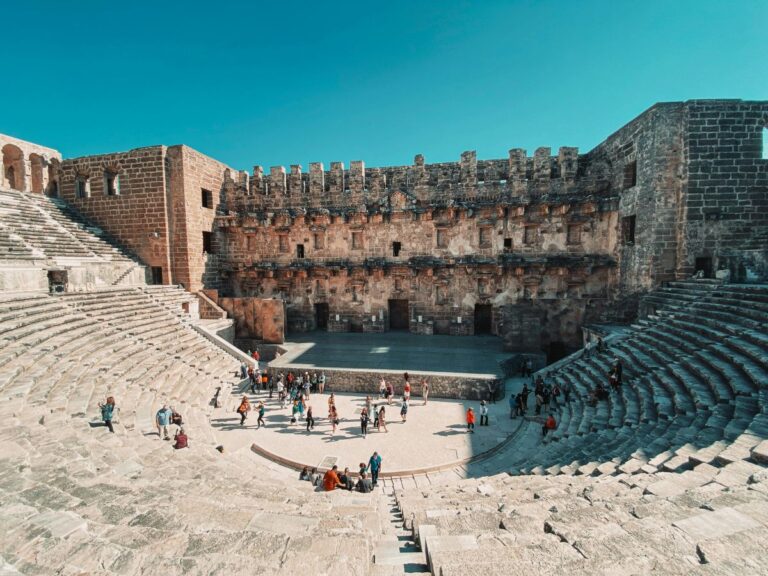
Antalya’s rich Roman heritage continues beyond the city itself. Just a short drive away, the ancient city of Perge offers some of the finest Roman ruins in Turkey, including colonnaded streets, baths, and an impressive stadium.
Travelers fascinated by Roman architecture should also consider visiting Aspendos, home to one of the best-preserved ancient theaters in the world.
Antalya’s history is part of a much larger story that stretches across Anatolia. Visitors interested in ancient civilizations may also enjoy our guide to the 15 Ancient Cities in Turkey.
Antalya is not simply a beach destination.
It is one of Turkey’s oldest continuously inhabited Mediterranean cities, where more than two thousand years of history remain woven into everyday life.
Where Is Antalya?
Antalya is located on the Mediterranean coast of southern Turkey.
It is the largest city on Turkey’s Mediterranean shore and one of the country’s most important tourism centers. Antalya Airport connects the region with many domestic and international destinations, making it one of the easiest coastal cities in Turkey to reach.
Approximate travel times:
- Istanbul to Antalya: 1-hour flight
- Cappadocia to Antalya: 7–8 hours by car
- Pamukkale to Antalya: about 3 hours by car
- Fethiye to Antalya: 3–4 hours by car
- Side to Antalya: about 1 hour
- Kas to Antalya: 3–4 hours
Because of its location, Antalya can be combined with Pamukkale, Cappadocia, Fethiye, Kaş, or the ancient cities of the Mediterranean coast.
How Many Days Do You Need in Antalya?
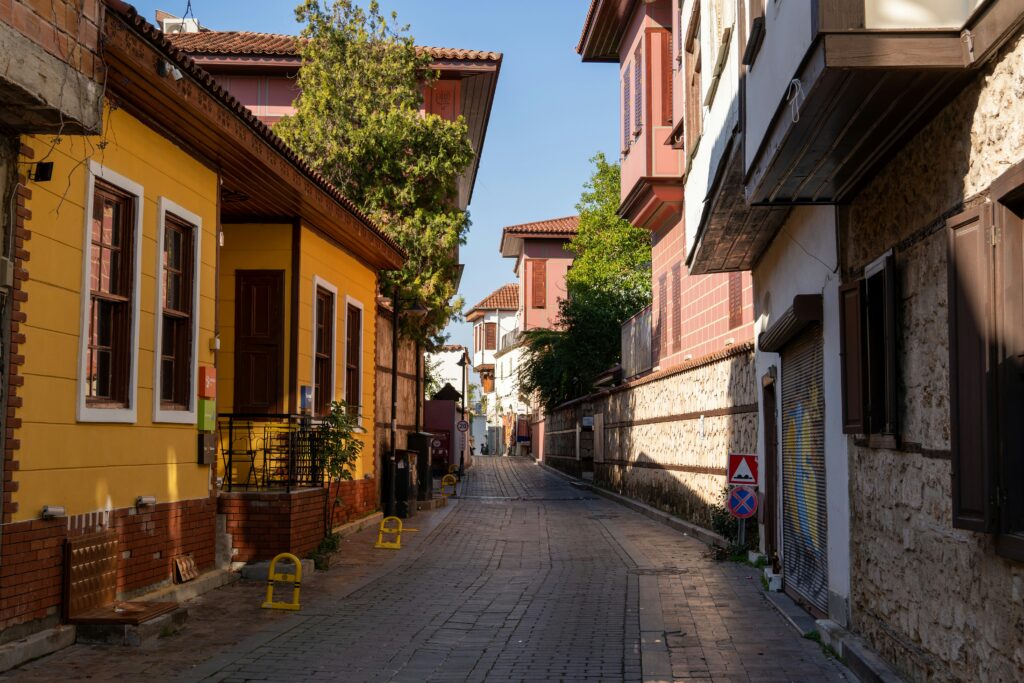
Antalya can be visited in a short trip, but the region rewards travelers who stay longer.
Two Days
Two days is enough to see Kaleici, the old harbor, Hadrian’s Gate, one beach, and perhaps Duden Waterfalls.
This works for travelers passing through Antalya as part of a larger Turkey itinerary, but it only gives a brief introduction.
Three to Four Days
For most first-time visitors, three or four days is a better choice.
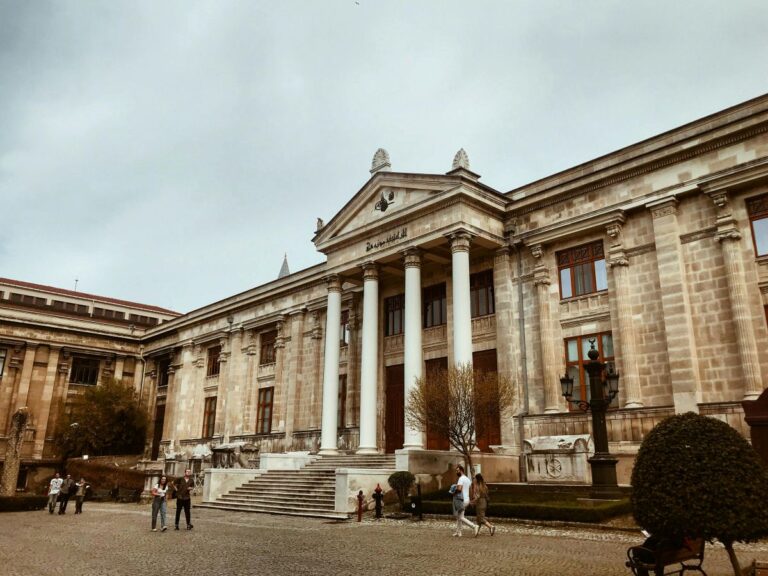
This allows time to explore the old town, relax at Konyaalti or Lara Beach, visit Antalya Museum, and take at least one day trip to an ancient city such as Perge, Aspendos, or Termessos.
Five Days or More
With five days or more, Antalya becomes much more rewarding.
You can slow down, enjoy the coast, visit several ancient sites, explore waterfalls, take a boat trip, and include nearby places such as Side, Phaselis, Olympos, or Kemer.
If your goal is both history and relaxation, five days is ideal.If Antalya is only one stop on your trip, our guide on How Many Days in Turkey can help you build a realistic itinerary based on your travel style and available time.
Many travelers combine Antalya with Istanbul, Cappadocia, Pamukkale, and Ephesus as part of a classic 10 Day Turkey Itinerary.
Where to Stay in Antalya
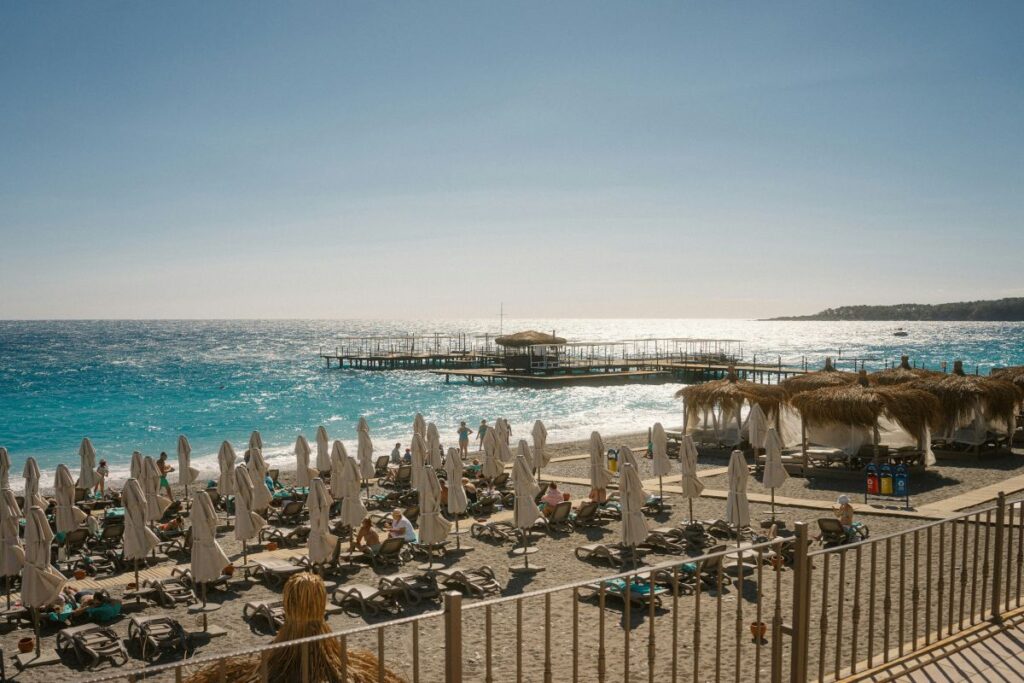
Choosing where to stay in Antalya depends on the type of trip you want.
The city and surrounding region offer very different experiences, from historic boutique hotels to large beach resorts.
Kaleici: Best for History and Atmosphere
Kaleici is Antalya’s historic old town and the best area for travelers who want character, history, and walkable streets.
Staying here means waking up among old stone houses, narrow lanes, boutique hotels, cafes, and historic buildings. Hadrian’s Gate, the old harbor, and many restaurants are within walking distance.
The downside is that Kaleici is not a beach resort area. It is better for atmosphere than swimming.
Konyaalti: Best for City and Beach Balance
Konyaalti is one of the best choices for travelers who want both beach access and city convenience.
The long pebble beach stretches west of the city center, with the Taurus Mountains forming a dramatic backdrop. There are many hotels, restaurants, cafes, and parks nearby.
For many independent travelers, Konyaalti offers the best balance.
Lara: Best for Resorts and Families
Lara is known for its sandy beach and large resort hotels.
This area is especially popular with families and travelers who want an easier holiday experience with pools, beach access, and hotel facilities.
It is less atmospheric than Kaleici but more convenient for a classic resort stay.
Belek: Best for Luxury Resorts and Golf
Belek is located east of Antalya and is famous for luxury resorts, golf courses, and all-inclusive hotels.
It is a good choice for travelers who want comfort and resort facilities rather than city exploration.
Kemer: Best for Mountains and Coast
Kemer lies southwest of Antalya between the mountains and the sea.
It is a good base for travelers interested in beaches, boat trips, mountain scenery, and nearby ancient sites such as Phaselis and Olympos.
Before booking accommodation, take a look at our Turkey Travel Costs guide for a realistic overview of hotel prices, transportation, food, and daily expenses.
Seasonal differences can have a significant impact on your experience, so be sure to read our Best Time to Visit Turkey guide before finalizing your travel dates.
How to Get to Antalya
Reaching Antalya is surprisingly easy.
As one of Turkey’s most important tourism hubs, the city enjoys excellent domestic and international connections throughout the year.
By Air
For most international visitors, flying is the easiest option.
Antalya Airport is one of the busiest airports in Turkey and receives direct flights from many European cities, particularly during the summer season. Domestic flights from Istanbul, Ankara, Cappadocia, and Izmir operate frequently throughout the year.
The airport is located approximately 15 kilometers from the city center, making transfers relatively quick and convenient.
By Bus
Turkey’s long-distance bus network provides excellent connections to Antalya.
Regular services operate from Istanbul, Ankara, Izmir, Pamukkale, Fethiye, Cappadocia, and many other destinations. While travel times can be long, modern Turkish coaches are generally comfortable and reliable.
By Car
Driving offers the greatest flexibility, particularly for travelers planning to explore the wider Antalya region.
The coastal roads connecting Antalya with Kas, Kalkan, Fethiye, and other Mediterranean destinations are among the most scenic routes in Turkey. Travelers interested in ancient cities, beaches, and smaller coastal towns often find a rental car worthwhile.
Getting Around Antalya
Antalya is larger than many first-time visitors expect.
Fortunately, transportation within the city is relatively straightforward.
Tram
The tram system is one of the easiest ways to move around central Antalya. It connects important areas including the city center, Kaleiçi, Antalya Museum, the bus station, and the airport.
For many visitors, the tram is the most convenient form of public transportation.
Public Buses
An extensive bus network connects neighborhoods throughout the city as well as nearby districts.
While buses can be useful, they may feel more challenging for visitors unfamiliar with the city.
Taxi and Ride Services
Taxis are widely available and useful for shorter journeys, particularly when traveling between the airport, hotels, and major attractions.
Rental Car
A rental car becomes especially valuable if your itinerary includes places such as Perge, Aspendos, Termessos, Olympos, Phaselis, Side, or Kas.
For travelers planning to explore beyond the city itself, driving often provides the greatest freedom and efficiency.
Nearby Places Worth Visiting
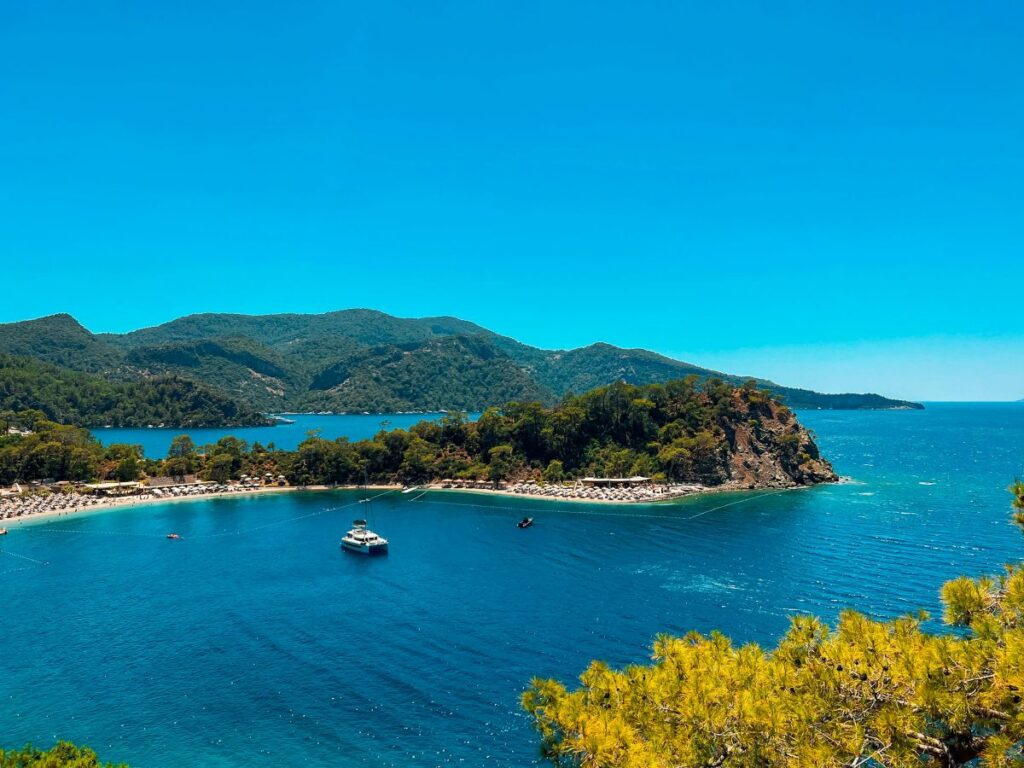
One of Antalya’s greatest advantages is that it can serve as a base for exploring some of the most beautiful destinations along Turkey’s Mediterranean coast.
While many travelers spend their entire holiday within the city limits, those who venture farther often discover a completely different side of the region.
Side
Located about an hour east of Antalya, Side combines sandy beaches with impressive Roman ruins. Visitors can explore an ancient theatre, temples, city walls, and a picturesque harbor while still enjoying a classic Mediterranean beach holiday.
For travelers who want history and relaxation in equal measure, Side is one of the most rewarding destinations on the Turkish coast.
Kas
Several hours west of Antalya, Kas offers a very different atmosphere.
Unlike the large resort areas around Antalya, Kaş is known for its relaxed pace, boutique hotels, diving opportunities, and beautiful coastal scenery. Whitewashed houses, narrow streets, and waterfront cafés create a more intimate atmosphere that appeals to independent travelers.
On clear days, visitors can even see the Greek island of Kastellorizo (Meis), located just a short distance offshore.
Many travelers who visit Kas end up wishing they had planned a longer stay.
Olympos and Cirali
For travelers seeking nature and a more laid-back atmosphere, Olympos and Çıralı are excellent choices.
Ancient ruins hidden among forests, a long beach protected by nesting sea turtles, and the famous eternal flames of Chimaera create an experience that feels very different from Antalya’s larger resort areas.
The region remains one of the most unique destinations along the Turkish Riviera.
Phaselis
Situated between Antalya and Kemer, Phaselis offers a rare combination of archaeology and nature.
Visitors can explore the remains of an ancient Lycian-Roman port city before swimming in beautiful bays surrounded by pine forests. Few places in Turkey combine history and scenery so effortlessly.
Kemer
Located southwest of Antalya, Kemer is one of the region’s most popular resort towns.
The dramatic backdrop of the Taurus Mountains, combined with beaches, marinas, and easy access to nearby archaeological sites, makes it an attractive destination for families and beach travelers.
Whether you choose Antalya as your base or explore several destinations along the coast, the region offers enough variety to fill an entire week—or much longer.
Best Time to Visit Antalya
Antalya has a long travel season, but the experience changes significantly depending on the month.
Spring
Spring is one of the best times to visit Antalya.
April, May, and early June offer warm weather, green landscapes, and comfortable sightseeing conditions. This is an excellent period for visiting ancient cities, waterfalls, and the old town without the extreme heat of summer.
Summer
July and August are the hottest and busiest months.
This is the best period for beach holidays, swimming, and resort stays. However, sightseeing can become tiring during the middle of the day, especially at ancient sites such as Perge, Aspendos, and Termessos.
If you visit in summer, plan cultural visits early in the morning or late in the afternoon.
Autumn
September and October are excellent months for Antalya.
The sea remains warm, temperatures become more comfortable, and crowds begin to decrease. For many travelers, autumn offers the best balance between beach time and sightseeing.
Winter
Winter in Antalya is mild compared with many parts of Turkey.
It is not ideal for a classic beach holiday, but it can be a good time for city exploration, museums, hiking, and visiting ancient sites with fewer crowds.
My Recommendation
If your main goal is sightseeing and exploring archaeological sites, spring and autumn offer the most comfortable conditions.
However, if you are visiting Antalya primarily for beaches, swimming, and resort holidays, June through September provides the warmest sea temperatures and the most reliable sunshine.
Related Guides
Planning a longer trip through Turkey? These guides will help you explore some of the country’s most iconic destinations.
Best Places to Visit in Turkey – Looking for more inspiration? Discover the destinations that should be on every Turkey itinerary.
Cappadocia Travel Guide – Discover fairy chimneys, underground cities, cave hotels, and one of Turkey’s most unique landscapes.
Istanbul Travel Guide – Explore the city where Europe meets Asia, from Hagia Sophia and the Blue Mosque to the Bosphorus and vibrant neighborhoods.
Ephesus Travel Guide – Walk through one of the best-preserved Roman cities in the Mediterranean and uncover the history of ancient Ephesus.
Pamukkale Travel Guide – Visit the famous white travertines and explore the ancient spa city of Hierapolis.
10 Day Turkey Itinerary – Combine Istanbul, Cappadocia, Pamukkale, Ephesus, and Antalya into one unforgettable journey.