One of the first questions travelers ask when planning a trip is simple:
“How many days in Turkey do I need?”
The honest answer is that no amount of time ever feels quite enough.
For most people, vacation time is limited. Many travelers only have seven to ten days of annual leave, while others may be fortunate enough to spend two or three weeks exploring the country. Because time is often the biggest constraint, deciding what to include in an itinerary becomes one of the most important parts of planning a trip.
The good news is that you do not need months to enjoy Turkey.
Even with just seven to ten days, it is possible to experience some of the country’s most iconic destinations, including Istanbul, Cappadocia, Ephesus, and Pamukkale. These places provide an excellent introduction to Turkey’s history, culture, landscapes, and cuisine.
The challenge is not finding enough things to do.
The challenge is choosing what to leave for another visit.
Turkey is much larger and more diverse than many first-time visitors expect. Stretching across two continents, it covers an enormous area and contains an extraordinary variety of landscapes, cultures, and historical traditions.
Western Turkey is known for its ancient Greek and Roman cities, olive groves, vineyards, and beautiful Aegean coastline. The Mediterranean coast offers turquoise waters, hidden coves, luxury resorts, and some of the best beaches in Europe. Central Anatolia presents a completely different world, where volcanic landscapes, cave churches, and underground cities define the experience of Cappadocia.
Travel farther north and you will discover the lush mountains and green valleys of the Black Sea region, where the climate, architecture, and cuisine feel entirely different from the rest of the country. Continue east and southeast, and destinations such as Mardin, Şanlıurfa, and Mount Nemrut reveal a landscape shaped by ancient Mesopotamian civilizations, early Christianity, and some of humanity’s oldest archaeological sites.
If you’re still deciding where to go, our guide to the Best Places to Visit in Turkey can help you choose the destinations that best match your interests.
Even the food changes dramatically from one region to another.
Fresh seafood dominates the Aegean coast. Olive oil dishes are central to western Turkish cuisine. Central Anatolia is famous for hearty meat dishes and traditional pottery kebab, while southeastern Turkey is celebrated for its kebabs, spices, pistachios, and rich desserts. Traveling across Turkey often feels less like moving between regions and more like discovering entirely different countries.
This diversity is one of Turkey’s greatest strengths.
It is also the reason why most travelers return.
A first trip is usually enough to experience the highlights. A second trip allows you to explore beyond the classic route. By the third visit, many travelers find themselves discovering corners of the country they had never even heard of before.
So how many days do you need in Turkey?
Seven days can give you a wonderful introduction.
Ten to fourteen days allows for a much deeper experience.
Three weeks opens the door to regions that most tourists never see.
But regardless of how long you stay, one thing is almost certain:
You will leave with a list of places you still want to visit.
7 Days in Turkey: A Perfect Introduction

If you only have one week in Turkey, the most important advice is simple:
Don’t try to see everything.
Turkey is much larger than many first-time visitors realize. Distances between destinations can be significant, and spending too much time in airports, buses, or rental cars often leaves travelers feeling exhausted rather than inspired.
Instead, focus on experiencing a few destinations properly.
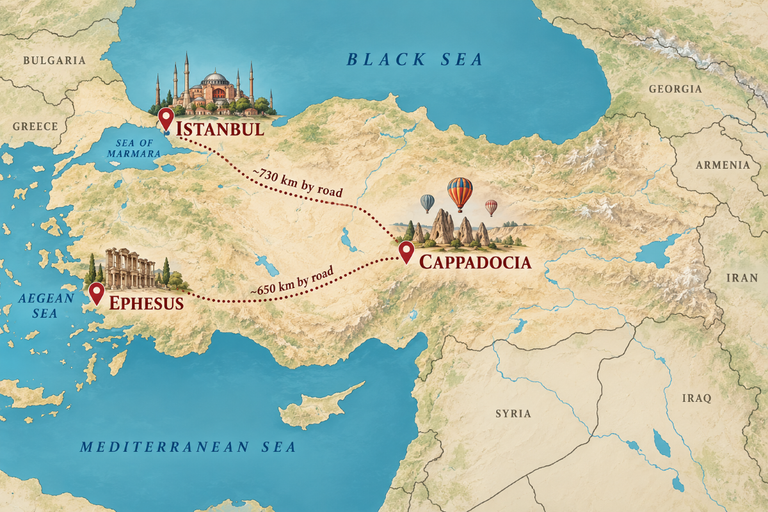
For most first-time visitors, Istanbul and Cappadocia create the ideal one-week itinerary. Together, these two destinations showcase the history, culture, architecture, food, and landscapes that make Turkey such a fascinating country.
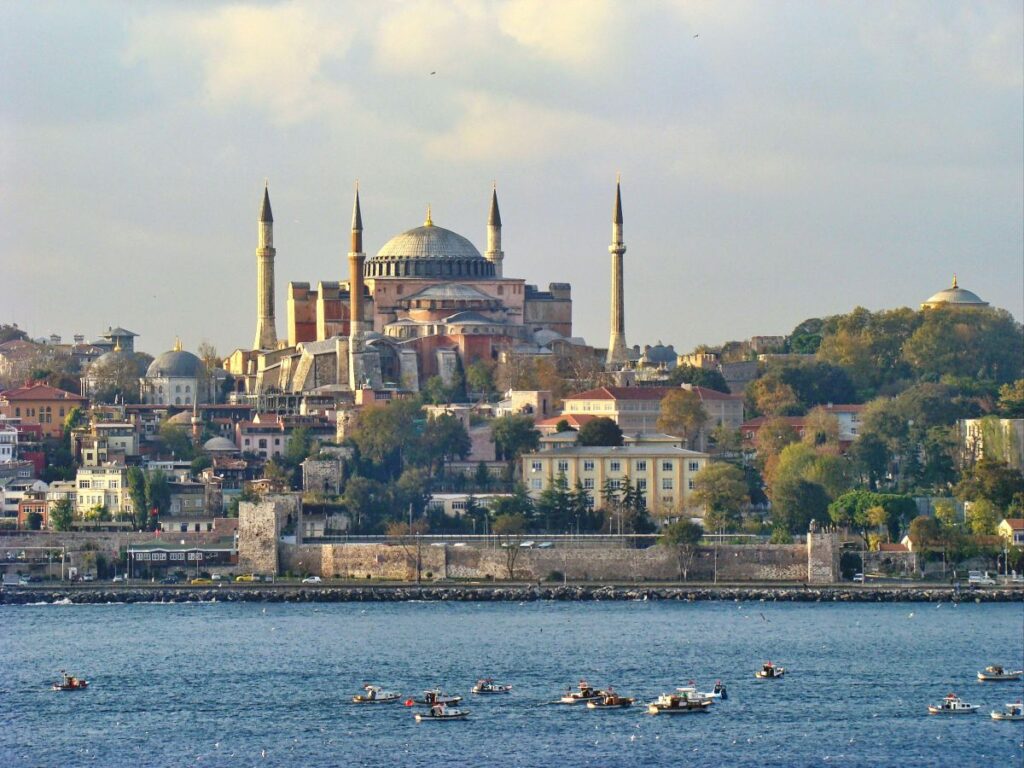
Begin your journey in Istanbul, a city that has served as the capital of three great empires. Spend at least three days exploring its historic neighborhoods and world-famous monuments.
Start in Sultanahmet, where Hagia Sophia, the Blue Mosque, and the ancient Hippodrome stand within walking distance of one another. Visit Topkapi Palace to understand the power and sophistication of the Ottoman Empire, then explore the Grand Bazaar, one of the oldest and largest covered markets in the world.
Before your trip, read our detailed Istanbul Travel Guide to discover the city’s top attractions, neighborhoods, and local experiences.
No first visit to Istanbul is complete without spending time on the Bosphorus. A cruise between Europe and Asia offers a unique perspective on the city, revealing Ottoman palaces, waterfront mansions, fishing villages, and modern neighborhoods stretching along both shores.
In the evenings, wander through Istiklal Street and Beyoglu, where historic buildings, lively restaurants, rooftop bars, and street musicians create one of the city’s most vibrant atmospheres.
After Istanbul, take a short domestic flight to Cappadocia.
The contrast is remarkable.
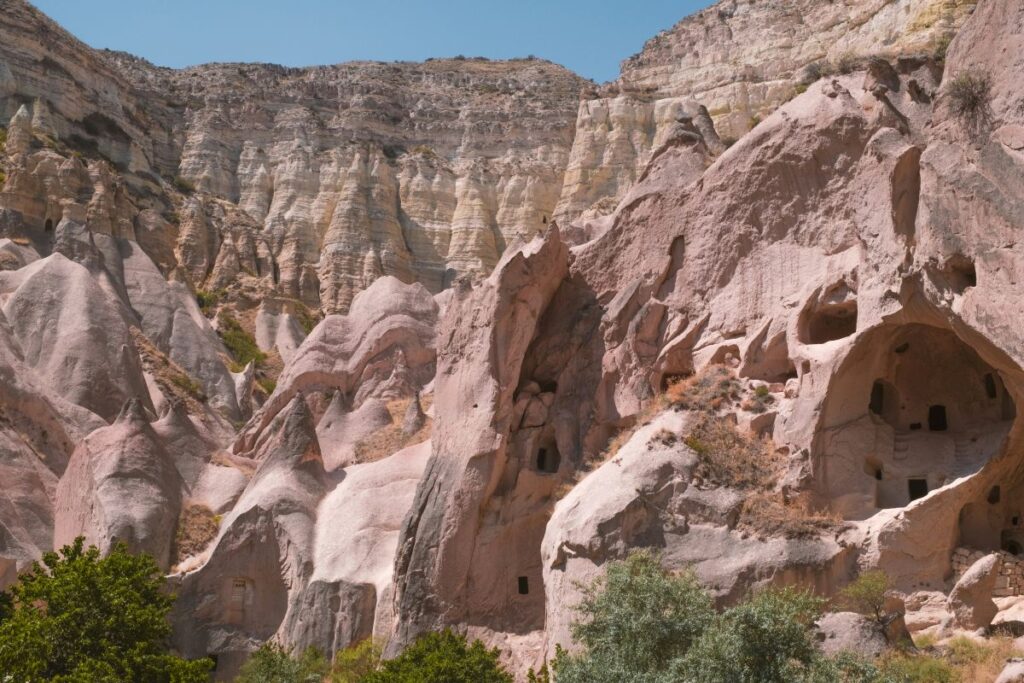
One day you are standing beneath the domes and minarets of an imperial capital. The next, you are surrounded by fairy chimneys, cave churches, and valleys carved by millions of years of volcanic activity.
Most visitors spend three nights in Cappadocia, allowing enough time to experience the region without rushing. A sunrise balloon flight is undoubtedly one of the highlights, but there is much more to discover.
Explore the Goreme Open-Air Museum, where rock-cut churches preserve remarkable Byzantine frescoes. Visit one of the underground cities such as Derinkuyu or Kaymaklı to understand how entire communities once sought refuge beneath the earth. Spend an afternoon hiking through Rose Valley or Pigeon Valley before watching sunset from Uchisar Castle, the highest point in the region.
Cappadocia is also one of the best places in Turkey to slow down and enjoy local culture. Stay in a cave hotel, try traditional pottery kebab, and take time to appreciate the peaceful rhythm of life in central Anatolia.
To make the most of your stay, explore our complete Cappadocia Travel Guide covering valleys, cave churches, and underground cities.
If your flight schedule allows, consider adding a final day in either Ephesus or Pamukkale. Ephesus is perfect for travelers interested in Roman history and early Christianity, while Pamukkale offers a combination of spectacular white travertines and the ancient city of Hierapolis.
Travel Tip:
With only seven days available, prioritize domestic flights whenever possible. Flying between Istanbul and Cappadocia saves valuable time and allows you to spend more hours exploring rather than traveling.
Who is this itinerary best for?
First-time visitors, couples, families, and travelers who want to experience Turkey’s most famous highlights without feeling rushed.
10 Days in Turkey: The Classic First-Time Route
For many travelers, ten days is the ideal amount of time for a first visit to Turkey.
It allows you to experience the country’s most famous highlights without constantly rushing from one destination to another. While you still won’t see everything Turkey has to offer, ten days is enough to understand why so many visitors return again and again.
A classic 10-day itinerary combines Istanbul, Cappadocia, Pamukkale, and Ephesus.
After spending several days in Istanbul and Cappadocia, continue west toward Pamukkale. The journey introduces a completely different side of Turkey.
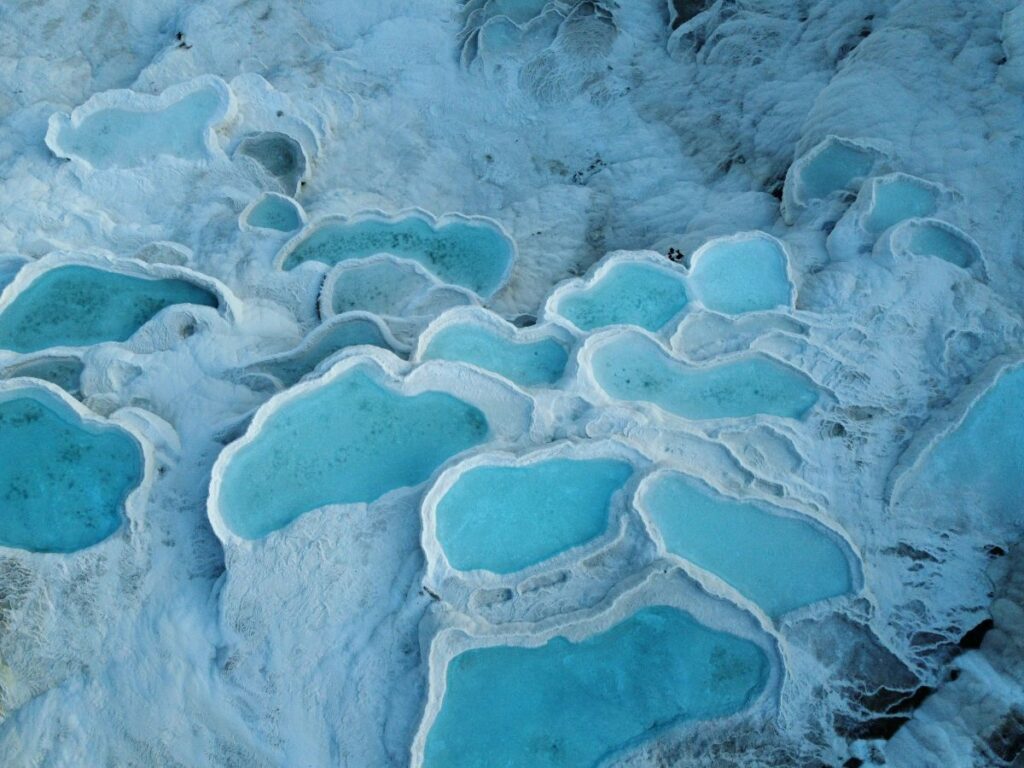
The famous white travertine terraces of Pamukkale have attracted visitors for thousands of years. Walking barefoot across the mineral-rich pools is one of the country’s most memorable experiences. Above the terraces lies Hierapolis, an ancient spa city where Roman visitors once came seeking the healing properties of the thermal waters.
Do not rush through Hierapolis.
Many travelers spend all their time taking photographs of the travertines and overlook the remarkable archaeological site above them. The Roman theatre, ancient streets, necropolis, and Cleopatra Pool are among the highlights.
Learn more about the travertines and nearby Roman ruins in our detailed Pamukkale Travel Guide.
From Pamukkale, continue to Ephesus.
If Istanbul tells the story of the Byzantine and Ottoman Empires, Ephesus tells the story of the Roman world.
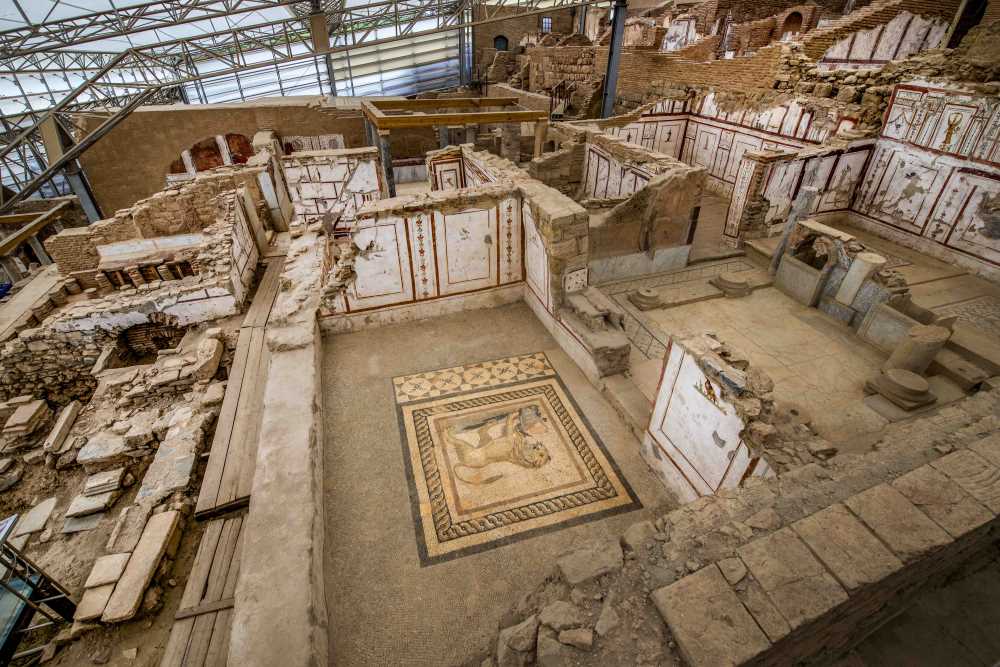
Walking through the ancient city is like stepping back nearly two thousand years. The Library of Celsus, Great Theatre, Curetes Street, and Terrace Houses provide one of the most complete pictures of Roman urban life anywhere in the Mediterranean.
Many visitors spend less than two hours in Ephesus. In my experience, those who slow down and explore the Terrace Houses often enjoy the site much more.
The surrounding region also deserves attention. Many travelers combine Ephesus with the House of the Virgin Mary, the Basilica of St. John, and the charming village of Sirince, known for its traditional stone houses and local wines.
Our complete Ephesus Travel Guide includes practical tips, nearby attractions, and historical background.
One of the greatest advantages of a 10-day trip is the variety of experiences it offers.
In a single journey, you can explore imperial palaces in Istanbul, watch balloons float above Cappadocia, walk through Roman cities in Ephesus, and relax beside the thermal waters of Pamukkale.
If you only have 10 days in Turkey, spend less time changing hotels and more time enjoying each destination.
Travel Tip:
Avoid changing hotels every night. Spending two or three nights in each destination creates a far more enjoyable experience and allows time to discover places beyond the main tourist attractions.
Who is this itinerary best for?
Travelers seeking the classic Turkey experience, combining history, culture, landscapes, and archaeology.
Common Mistakes First-Time Visitors Make
After years of working as a professional tour guide, I’ve noticed that many first-time visitors make the same mistakes when planning their trip to Turkey.
The most common mistake is trying to see too much in too little time.
Turkey looks manageable on a map, but distances can be deceptive. Travelers often plan to visit Istanbul, Cappadocia, Pamukkale, Ephesus, Antalya, and even southeastern Turkey within a single week. While technically possible, most of the trip ends up being spent in airports, buses, or cars rather than enjoying the destinations themselves.
Another common mistake is spending only one night in Cappadocia.
Many visitors arrive in the afternoon and leave the following morning, only to realize they barely had time to experience the region. In most cases, at least two or three nights are needed to properly enjoy Cappadocia’s valleys, underground cities, viewpoints, and cave churches.
Many visitors underestimate the region, which is why we created a dedicated guide on How Many Days in Cappadocia.
Travelers also tend to underestimate Ephesus. Many assume it can be visited in an hour or two, but one of the best-preserved Roman cities in the Mediterranean deserves much more time. Exploring the Terrace Houses, Basilica of St. John, and nearby House of the Virgin Mary can easily fill an entire day.
Finally, many visitors focus exclusively on Turkey’s most famous destinations and never realize how diverse the country really is. Places such as Mardin, Sanliurfa, Mount Nemrut, and the Black Sea region often become the highlights of a second visit.
14 Days in Turkey: Discovering the Country Beyond the Highlights
Two weeks in Turkey opens up possibilities that many shorter itineraries simply cannot offer.
With fourteen days, you no longer need to choose between history and relaxation. You can experience both.
After visiting Istanbul, Cappadocia, Pamukkale, and Ephesus, many travelers head south toward the Mediterranean coast.
This is where Turkey reveals another side of its personality.
The dramatic mountains, turquoise waters, hidden bays, and ancient coastal cities of the Turkish Riviera feel completely different from central Anatolia or the bustling streets of Istanbul.
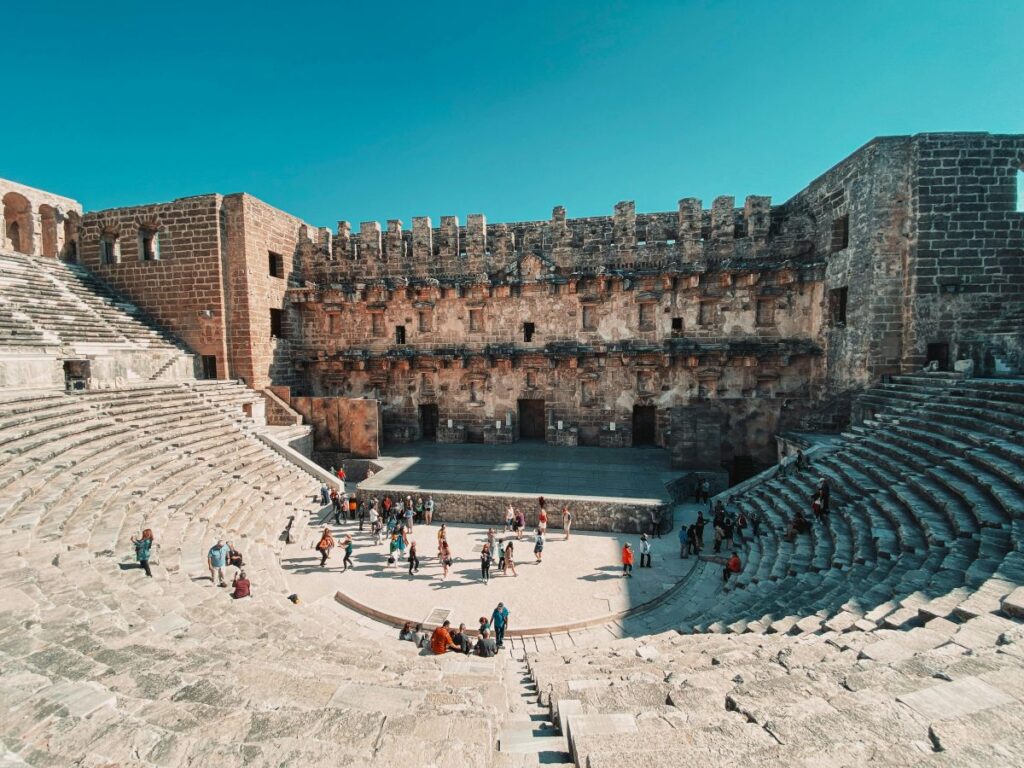
Antalya makes an excellent base. Spend time exploring Kaleici, the city’s beautifully preserved old quarter, before visiting nearby archaeological treasures such as Perge, Aspendos, and Side. The Roman theatre at Aspendos remains one of the best-preserved examples in the world and continues to host performances nearly two thousand years after it was built.
Travelers looking for a slower pace often prefer Kas.
This charming coastal town has become one of Turkey’s most beloved destinations. Days are spent swimming in crystal-clear water, taking boat trips to Kekova and the Sunken City, exploring hidden coves, and enjoying long dinners at waterfront restaurants.
The Mediterranean coast also provides a welcome contrast to the archaeological sites visited earlier in the trip. After days spent exploring ancient ruins and historic cities, many travelers appreciate the opportunity to relax beside the sea.
If beaches are a priority, don’t miss our guide to the Best Beach Destinations in Turkey.
With fourteen days available, you can finally slow down.
Instead of rushing from attraction to attraction, you can spend an extra evening watching sunset over the Mediterranean, enjoy a traditional Turkish breakfast overlooking the sea, or simply wander through the narrow streets of a coastal town without feeling pressured by time.
Travel Tip:
Many visitors underestimate how hot the Mediterranean coast can become during July and August. Spring and autumn often provide a more comfortable experience while still offering excellent beach weather.
Who is this itinerary best for?
First-time visitors who want to combine Turkey’s famous historical sites with beaches, coastal towns, and a more relaxed travel experience.
3 Weeks in Turkey: Exploring the Country’s Hidden Depths
Three weeks allows you to experience a side of Turkey that many tourists never see.
After visiting the classic destinations of Istanbul, Cappadocia, Pamukkale, Ephesus, and the Mediterranean coast, you can begin exploring regions that reveal the country’s extraordinary cultural diversity.
This is where southeastern Turkey enters the picture.
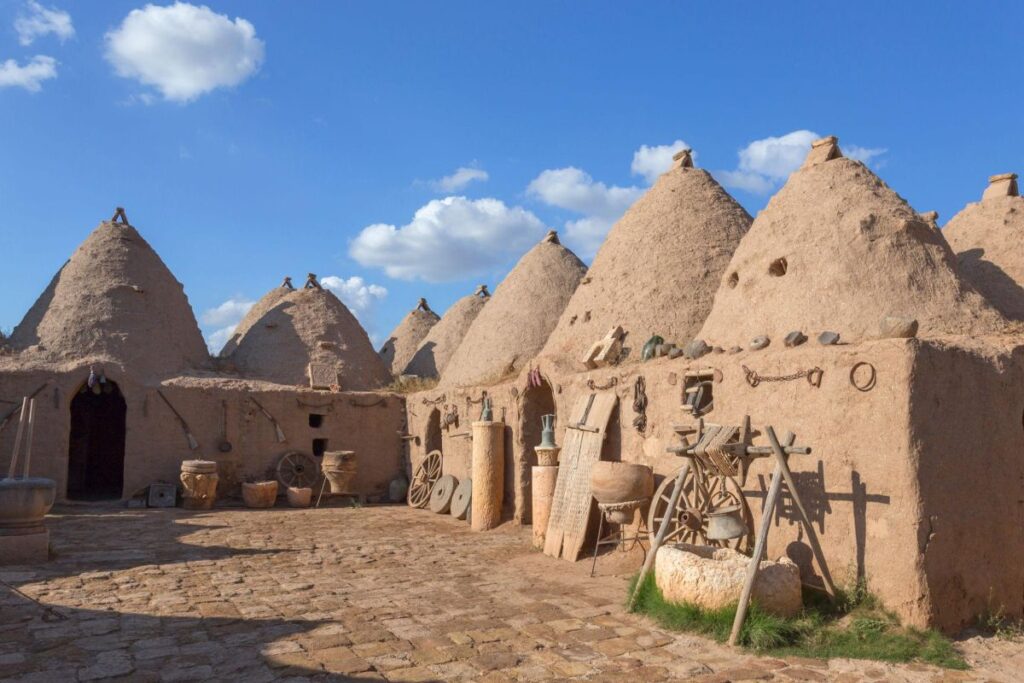
Cities such as Sanliurfa and Mardin feel like entirely different worlds compared to western Turkey. The architecture, cuisine, traditions, and landscapes reflect centuries of influence from Mesopotamian civilizations, early Christianity, Islamic scholarship, and ancient trade networks.
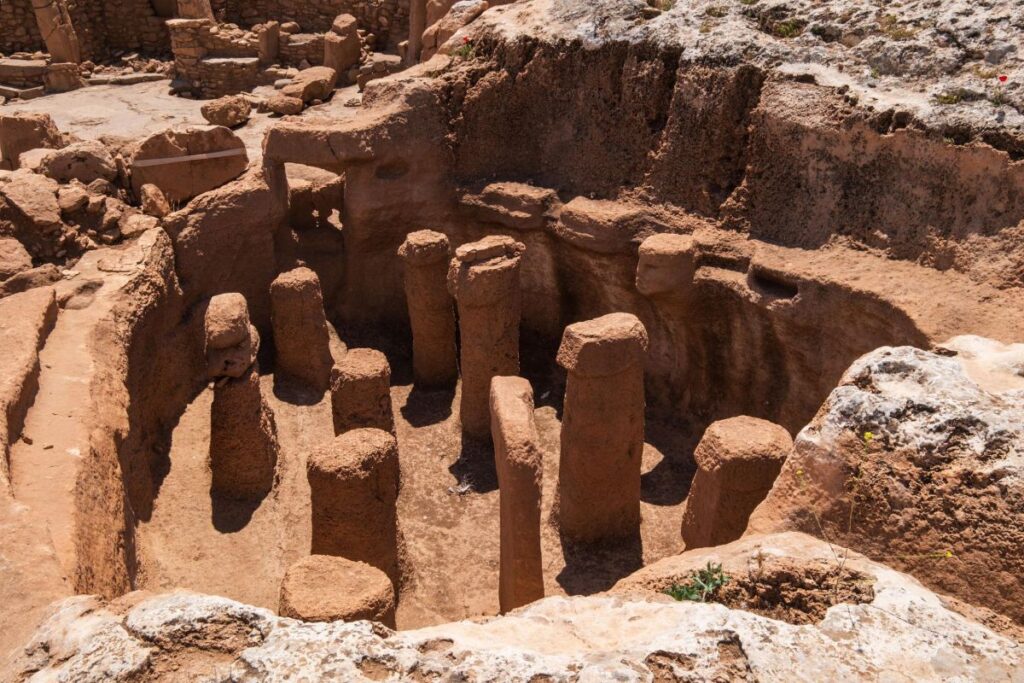
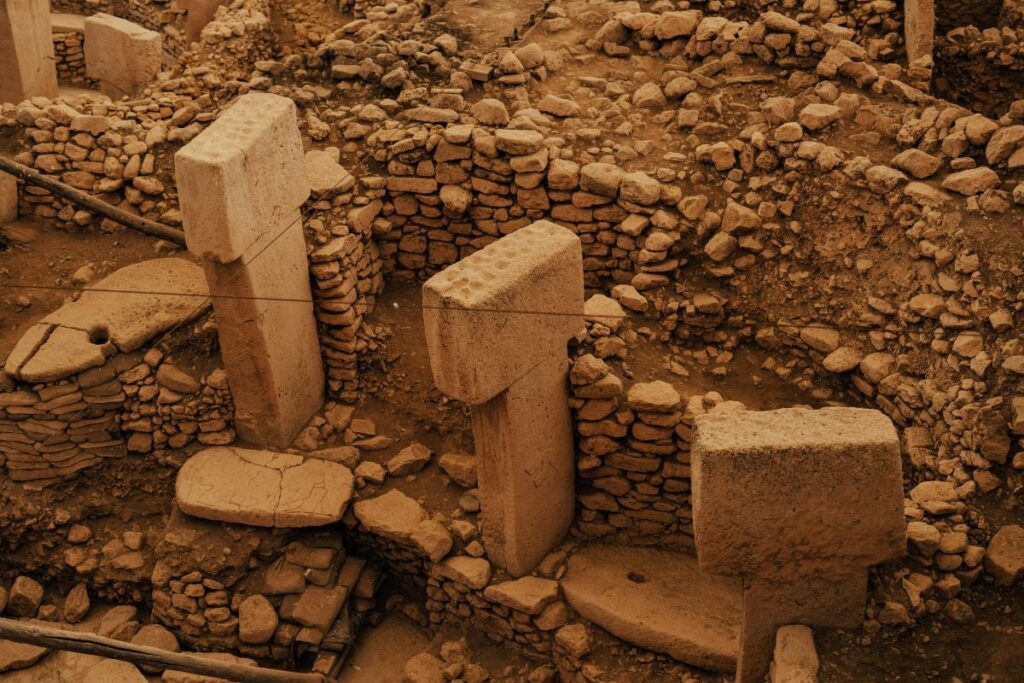
In Sanliurfa, visitors can explore Gobeklitepe, widely regarded as one of the most important archaeological discoveries in history. Dating back more than 11,000 years, the site forced archaeologists to rethink long-held assumptions about the origins of civilization.
Learn why Gobeklitepe changed our understanding of early civilization in our guide to the Neolithic Sites of Turkey.
Nearby Balıklıgol, traditional bazaars, and the city’s renowned culinary scene provide further reasons to linger.
Continue east to Mardin, one of Turkey’s most beautiful cities. Perched above the Mesopotamian plains, its honey-colored stone buildings, historic churches, mosques, and monasteries create an atmosphere unlike anywhere else in the country.
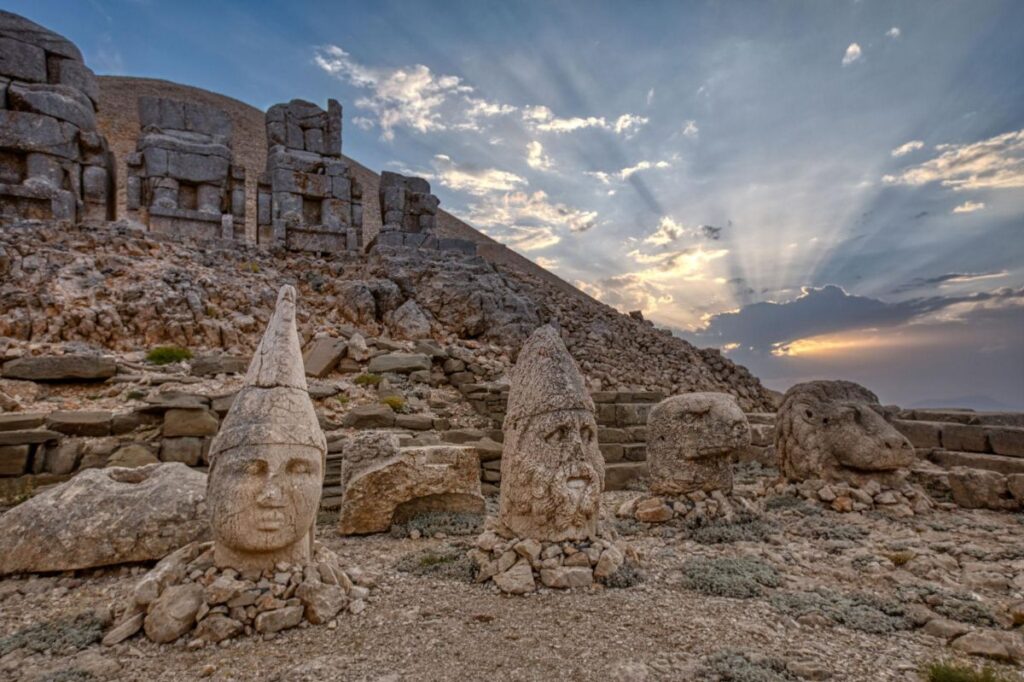
If time allows, add Mount Nemrut.
Watching sunrise among the giant stone heads of the Kingdom of Commagene is one of Turkey’s most unforgettable experiences and a fitting finale to a journey through thousands of years of history.
By this stage, many travelers begin to realize something important:
Turkey is not one destination.
It is many destinations contained within a single country.
Travelers interested in ancient civilizations may also enjoy our guide to the Ancient Cities of Turkey.
The Black Sea region, Eastern Anatolia, the Aegean coast, Cappadocia, and southeastern Turkey all offer dramatically different experiences. Each region possesses its own traditions, architecture, landscapes, and cuisine.
Three weeks will not allow you to see everything.
But it will allow you to understand why Turkey is one of the most diverse and rewarding countries in the world.
Travel Tip:
If your itinerary includes southeastern Turkey, domestic flights can save significant time. Turkey’s flight network is extensive and often makes long-distance travel much easier than overland transportation.
Who is this itinerary best for?
History lovers, repeat visitors, photographers, archaeology enthusiasts, and travelers who want to experience Turkey beyond the classic tourist route.
Which Itinerary Should You Choose?
After reading about Turkey’s incredible variety of destinations, you may still be wondering which itinerary is right for you.
The answer depends less on your budget and more on your interests and available time.
If this is your first visit and you only have one week, focus on Istanbul and Cappadocia. These two destinations alone offer enough history, culture, food, and scenery to create an unforgettable introduction to Turkey.
With ten days, you can comfortably add Pamukkale and Ephesus, creating what many travelers consider the classic Turkey route. This itinerary combines Byzantine monuments, Ottoman palaces, underground cities, Roman ruins, and natural wonders within a single journey.
Two weeks allows you to slow down and experience Turkey at a more comfortable pace. Instead of rushing between destinations, you can spend additional time along the Mediterranean coast, explore charming towns such as Kas, and enjoy some of the country’s most beautiful beaches.
Travelers fortunate enough to have three weeks or more should consider venturing beyond the traditional tourist trail. Destinations such as Sanliurfa, Mardin, and Mount Nemrut reveal a side of Turkey that many visitors never experience. Here, the influence of Mesopotamia, early Christianity, and ancient civilizations creates a completely different atmosphere from western Turkey.
There is no wrong choice.
Whether you spend seven days or three weeks in Turkey, you will discover a country where history, culture, nature, and hospitality combine in remarkable ways.
The key is to build an itinerary that matches your interests rather than trying to see everything at once.
A Guide’s Advice for How Many Days in Turkey
As a licensed tour guide, one of the biggest mistakes I see is travelers trying to see too much in too little time.
Turkey is not a country that rewards rushing.
Many visitors arrive with ambitious plans to see Istanbul, Cappadocia, Ephesus, Pamukkale, Antalya, and several other destinations in a single week. While this may look possible on a map, the reality is very different. Long travel days, airport transfers, hotel check-ins, and transportation between regions can quickly consume valuable sightseeing time.
Before finalizing your plans, it’s also worth checking our guide on the Best Time to Visit Turkey.
My advice is simple: choose fewer destinations and spend more time in each one.
Instead of checking places off a list, give yourself time to experience them.
Watch the sunset from a rooftop overlooking the Bosphorus. Sit in a small café in Cappadocia after a morning balloon flight. Spend an extra hour wandering through the ancient streets of Ephesus. Enjoy a long Turkish breakfast without feeling the need to rush to the next attraction.
These are often the moments travelers remember most.
Another recommendation is not to underestimate Turkey’s size and diversity.
Many first-time visitors think of Turkey as a single destination. In reality, it feels more like several countries combined into one. The Mediterranean coast, Cappadocia, Istanbul, the Black Sea region, and southeastern Turkey each have their own landscapes, architecture, traditions, and cuisine.
For this reason, I rarely recommend trying to see everything on a first trip.
A well-planned journey through Istanbul, Cappadocia, Ephesus, and Pamukkale is enough to understand why Turkey has become one of the world’s most rewarding travel destinations. The regions you don’t see simply become reasons to return.
And that is exactly what happens to many travelers.
They come for a week, return for two weeks, and eventually find themselves planning a third trip focused on places they had never even heard of during their first visit.
The goal of your first trip is not to see all of Turkey.
The goal is to discover the parts of Turkey that will make you want to come back.
Final Thoughts
Turkey is one of the few countries where you can explore Roman cities, Byzantine churches, Ottoman palaces, underground settlements, mountain-top sanctuaries, Mediterranean beaches, and some of the world’s oldest archaeological sites within a single trip.
Few destinations offer such extraordinary diversity.
One day you may be cruising between Europe and Asia on the Bosphorus. A few days later, you could be watching hot-air balloons rise above Cappadocia or standing before the Library of Celsus in Ephesus. Continue farther east and you may find yourself exploring Gobeklitepe, walking through the stone streets of Mardin, or watching sunrise among the giant statues of Mount Nemrut.
The challenge is not finding enough things to see.
The challenge is deciding what to save for your next visit.
Budget planning is just as important as route planning, so don’t forget to read our guide to Turkey Travel Costs.
For many travelers, a first trip to Turkey begins with Istanbul and Cappadocia. A second journey might focus on the Mediterranean coast, ancient cities, or biblical sites. Others return to discover the Black Sea region, Eastern Anatolia, or the hidden corners of southeastern Turkey.
Every region tells a different story.
Every journey reveals a different side of the country.
And that is perhaps what makes Turkey such a rewarding destination: no matter how much time you have, there is always something new waiting to be discovered.