Turkey is not a country that can be fully understood through a single destination.
Many travelers arrive in Istanbul, admire its famous monuments, and leave believing they have seen the essence of Turkey. Yet beyond the skyline of domes and minarets lies a country shaped by thousands of years of history, where ancient cities, underground settlements, Roman theaters, Silk Road caravanserais, and Mediterranean landscapes tell stories spanning entire civilizations.
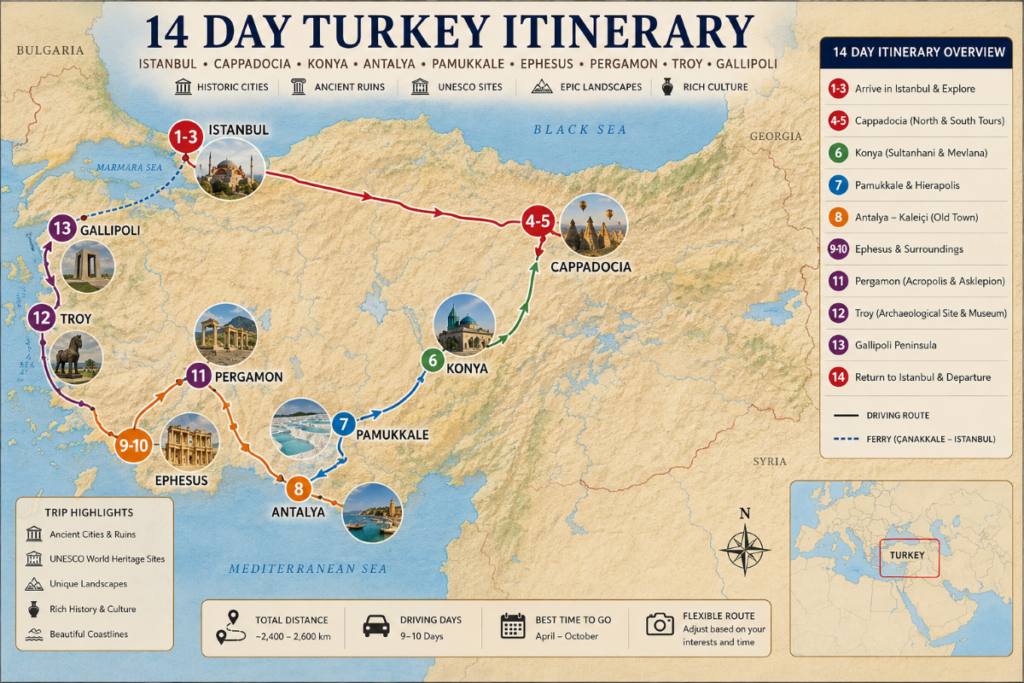
This 14 day Turkey itinerary is designed for travelers who want to experience the very best of Turkey while traveling at a comfortable pace. Beginning in Istanbul and ending there once again, the route combines world-famous landmarks with lesser-known treasures, creating a journey through Byzantine, Roman, Seljuk, Ottoman, and modern Turkish history.
Rather than rushing from place to place, this itinerary allows enough time to understand the destinations you visit and appreciate the remarkable diversity that makes Turkey one of the world’s most fascinating countries.
If this is your first visit to Turkey, you may also find our Turkey Travel Costs guide helpful for planning your budget.
14 Day Turkey Itinerary Starts:
Day 1: Discover the Historic Heart of Istanbul
Your journey begins in Istanbul, a city that has served as the capital of three great empires: Roman, Byzantine, and Ottoman.
Few places on Earth can rival its historical significance.
Start your day in Sultanahmet, the historic center of the old city.
Hagia Sophia
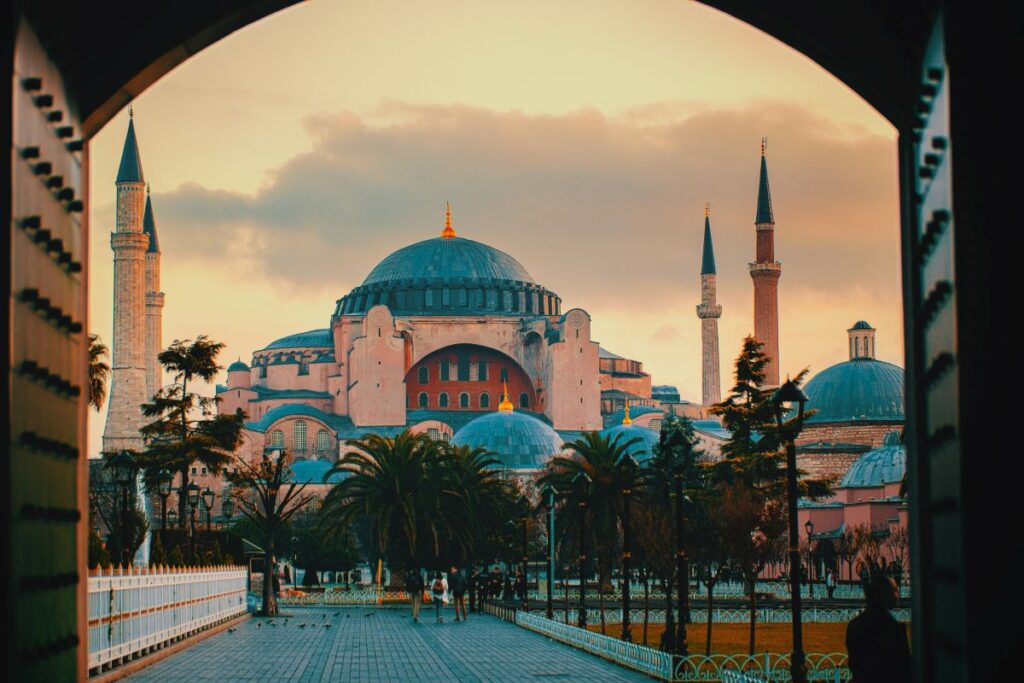
Few buildings in the world have witnessed as much history as Hagia Sophia.
Completed in 537 AD during the reign of Emperor Justinian, it remained the largest cathedral in the world for nearly a thousand years. Following the Ottoman conquest of Constantinople in 1453, it was converted into a mosque and became one of the most important symbols of the Ottoman Empire.
Inside, visitors can still admire Byzantine mosaics alongside Islamic calligraphy, reflecting the unique history of Istanbul itself.
Blue Mosque
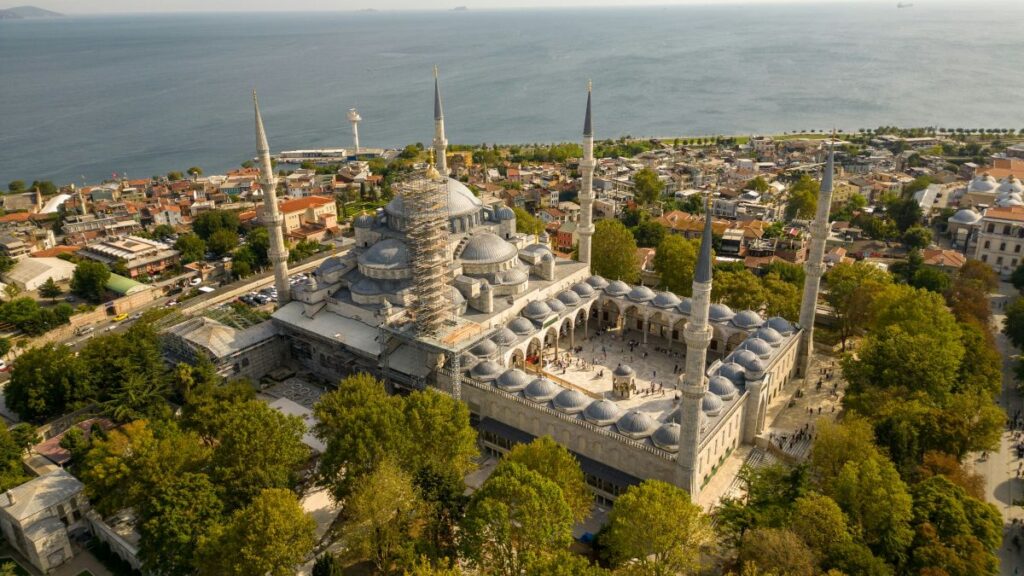
Standing opposite Hagia Sophia, the Blue Mosque represents the height of Ottoman architecture.
Completed in the early seventeenth century, its six minarets and elegant interior decorated with thousands of İznik tiles continue to impress visitors from around the world.
Hippodrome
Long before Istanbul became an Ottoman capital, this square served as the social and political center of Byzantine Constantinople.
Chariot races once attracted tens of thousands of spectators, while emperors used the Hippodrome to demonstrate their power.
Today, monuments such as the Egyptian Obelisk still stand as reminders of the city’s ancient past.
Basilica Cistern
Hidden beneath the streets of Istanbul lies one of the city’s most atmospheric attractions.
Built in the sixth century, the Basilica Cistern supplied water to the Great Palace and surrounding districts. Walking among its hundreds of columns provides a glimpse into the engineering achievements of the Byzantine Empire.
Spend the evening exploring Sultanahmet and enjoying your first Turkish dinner overlooking the Bosphorus.
Overnight: Istanbul
Day 2: Imperial Istanbul and the Ottoman Legacy
Today’s focus shifts from Byzantine Constantinople to the Ottoman Empire.
Topkapi Palace
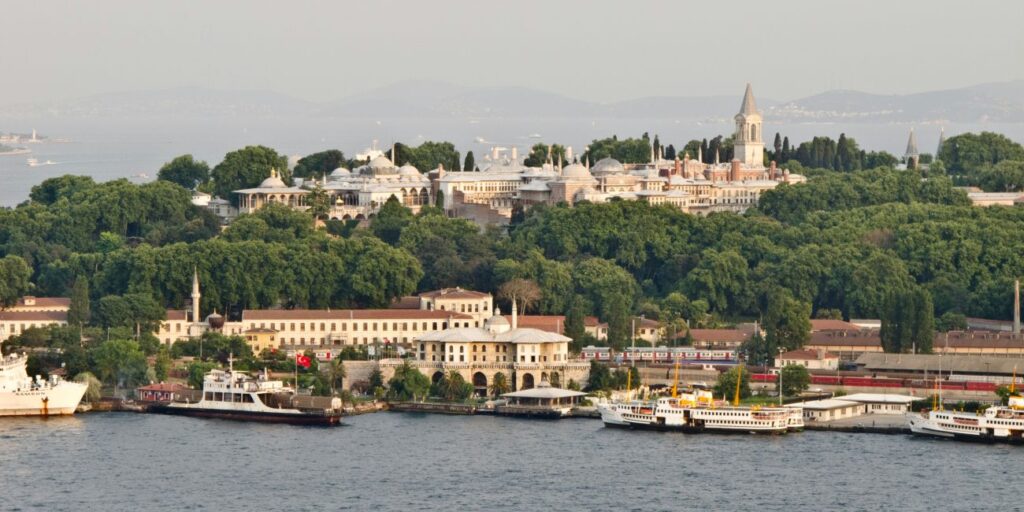
For nearly four centuries, Topkapı Palace served as the political heart of the Ottoman Empire.
From these courtyards, Ottoman sultans governed territories stretching from Hungary to Yemen.
Visitors can explore imperial kitchens, treasury collections, ceremonial courtyards, and the famous Harem section, offering insight into life at the Ottoman court.
Grand Bazaar
Founded shortly after the Ottoman conquest of Constantinople, the Grand Bazaar grew into one of the world’s largest and oldest covered markets.
Its maze-like network of streets contains thousands of shops selling carpets, ceramics, jewelry, textiles, and traditional handicrafts.
Even visitors who do not plan to shop often find the atmosphere fascinating.
Spice Bazaar
For centuries, spices arriving from Asia, Arabia, and Egypt passed through Istanbul.
The Spice Bazaar remains one of the city’s most colorful markets and offers an excellent introduction to Turkish culinary culture.
Bosphorus Cruise
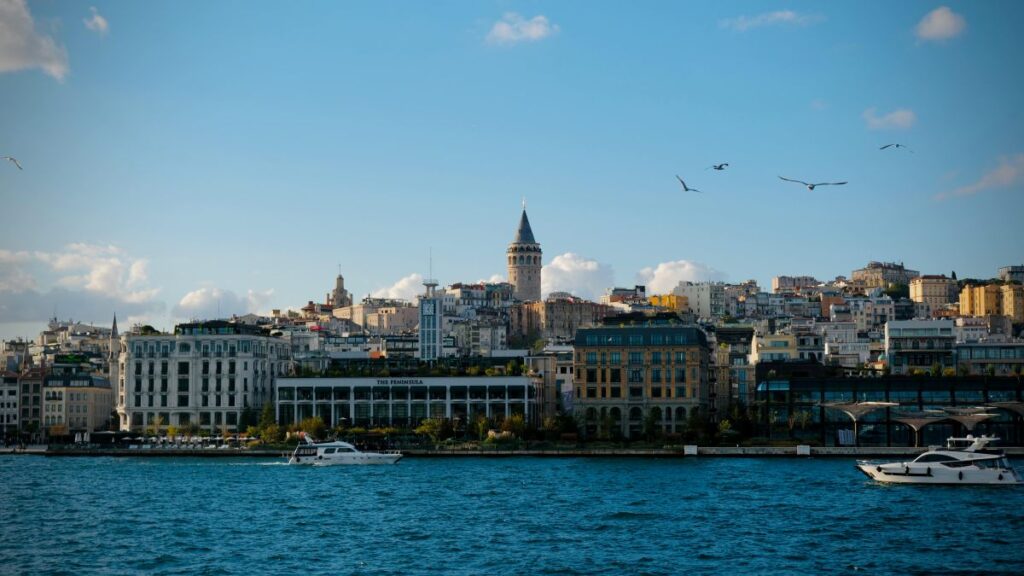
In the afternoon, take a cruise along the Bosphorus.
No activity provides a better understanding of Istanbul’s geography. As palaces, mosques, wooden mansions, and modern neighborhoods pass by, visitors quickly understand why this strategic waterway has been so important throughout history.
Overnight: Istanbul
If you’re wondering how long to stay in the city, check our detailed guide on How Many Days in Istanbul.
Day 3: Beyond the Tourist Trail
After exploring Istanbul’s most famous monuments, spend your final day discovering a more local side of the city.
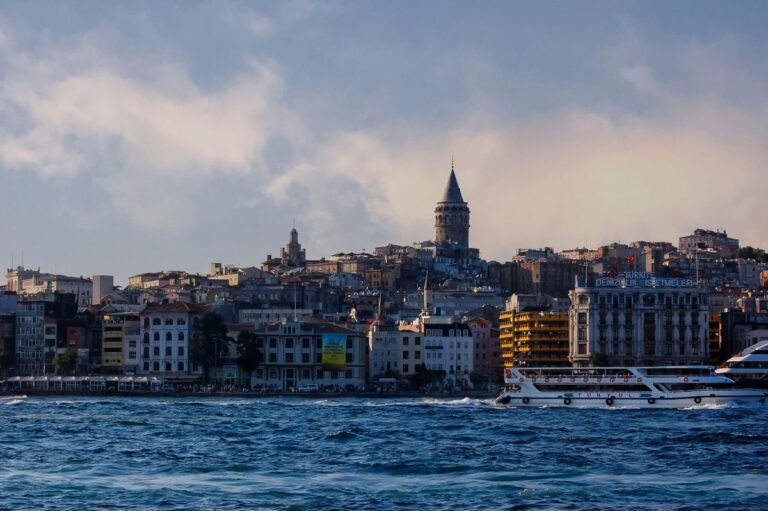
Galata Tower
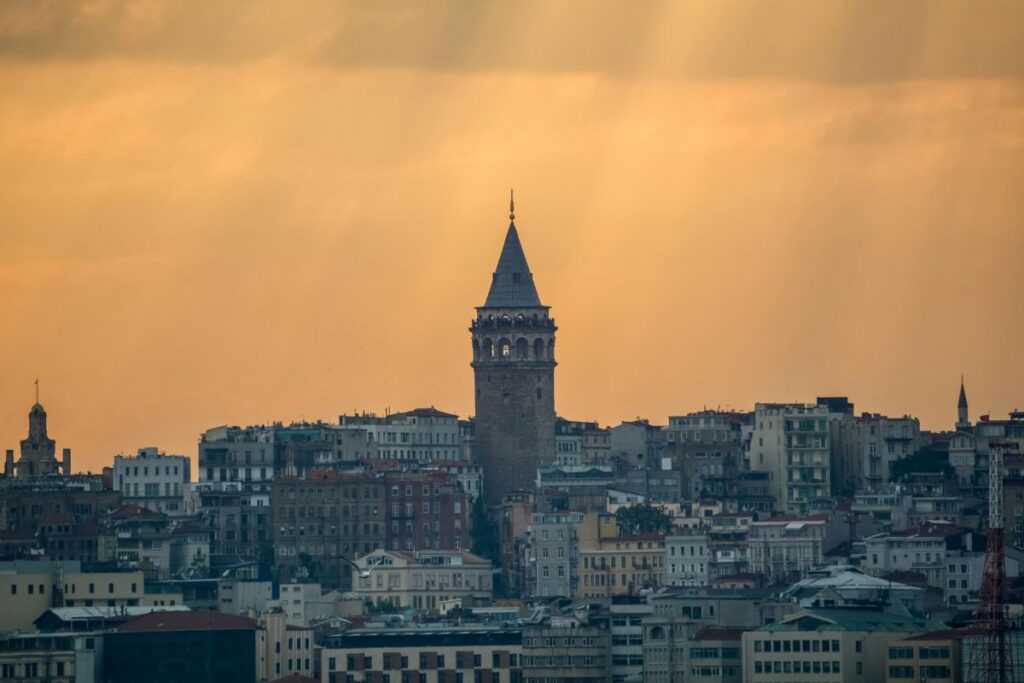
Built by the Genoese in the fourteenth century, Galata Tower offers one of the best panoramic views in Istanbul.
From its summit, visitors can see the Golden Horn, Bosphorus, and historic peninsula spread out below.
Karakoy
Once a busy port district, Karakoy has transformed into one of Istanbul’s trendiest neighborhoods while still preserving its historical character.
Balat
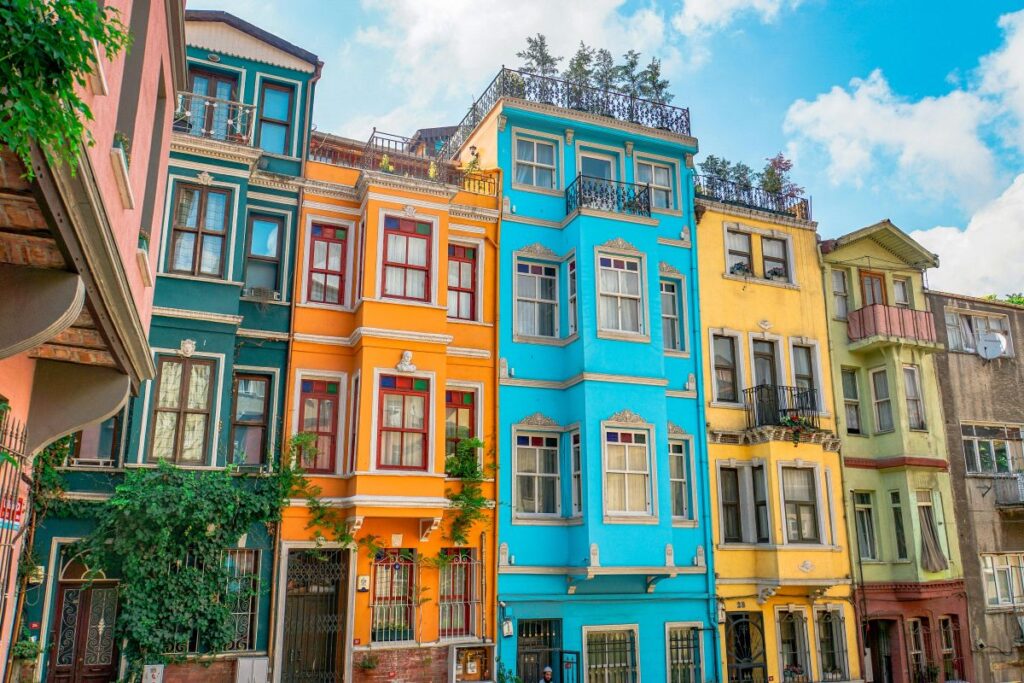
Known for its colorful houses and multicultural history, Balat was once home to large Greek, Armenian, and Jewish communities.
Walking through its steep streets offers a different perspective on Istanbul’s past.
Kadıkoy
Crossing to the Asian side reveals a completely different atmosphere.
Markets, cafés, local restaurants, and waterfront promenades make Kadıkoy one of the city’s most enjoyable districts.
Return early to your hotel and prepare for the next stage of your journey.
Tomorrow, you leave Istanbul behind and fly to Cappadocia.
Overnight: Istanbul
Looking for more ideas? Explore our guide to the best things to do in Istanbul, from historic landmarks and Bosphorus cruises to hidden local neighborhoods.
Day 4: Fly to Cappadocia and Discover a Landscape Like No Other
After three days in Istanbul, your 14 day Turkey itinerary continues with Cappadocia. Take an early morning flight to Cappadocia. Several flights arrive before 9:00 AM, allowing you to enjoy a full day of sightseeing.
As your plane descends, the landscape below begins to look unlike anywhere else in Turkey. Volcanic eruptions from Mount Erciyes, Mount Hasan, and Mount Gullu covered central Anatolia with layers of ash millions of years ago. Over time, wind and water sculpted this soft volcanic rock into the extraordinary landscape now known as Cappadocia.
Your first stop should be one of Turkey’s most important UNESCO World Heritage Sites.
Goreme Open-Air Museum
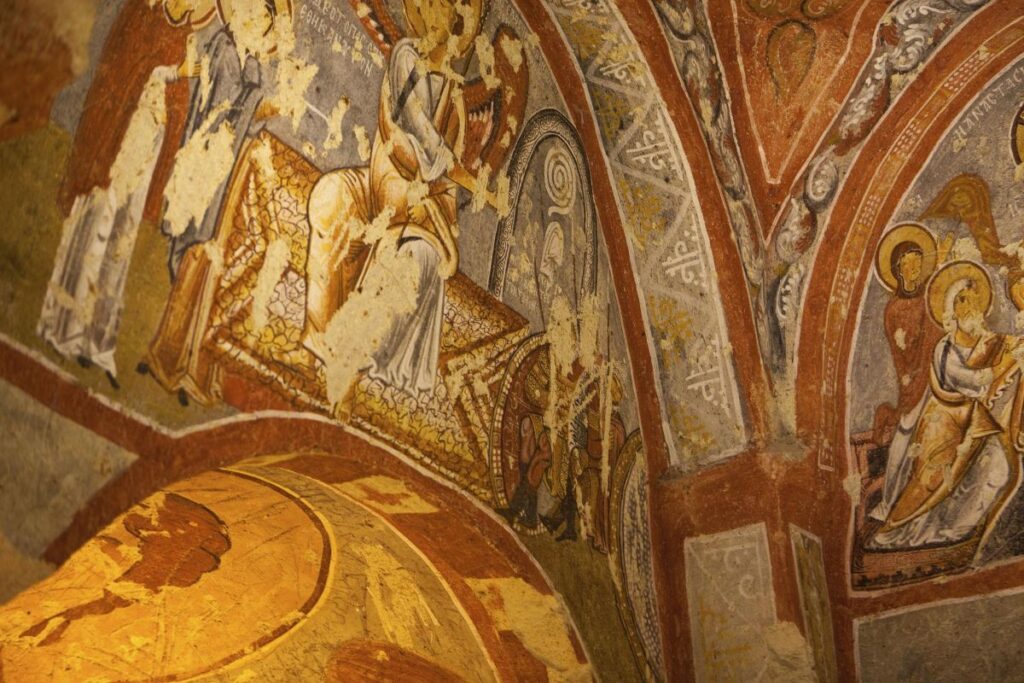
Few places explain Cappadocia’s history better than the Goreme Open-Air Museum.
Beginning in the fourth century, Christian communities sought refuge in this isolated landscape. Monks carved churches, monasteries, dining halls, and living quarters directly into the soft volcanic rock. Over time, the area evolved into one of the most important monastic centers in the Byzantine world.
Today, visitors can walk through these rock-cut churches and admire remarkably preserved frescoes dating from the ninth to eleventh centuries.
The Dark Church, famous for its vivid colors, is often considered the highlight of the complex.
More than simply a museum, Goreme offers a fascinating glimpse into how faith, geography, and survival shaped life in Cappadocia.
Esentepe Panorama
Before continuing into the valleys, stop at Esentepe Panorama.
This viewpoint provides one of the finest views in Cappadocia and helps visitors understand the scale of the region’s unique geography. Fairy chimneys, cave dwellings, vineyards, and valleys stretch across the horizon in every direction.
Pasabag (Monks Valley)
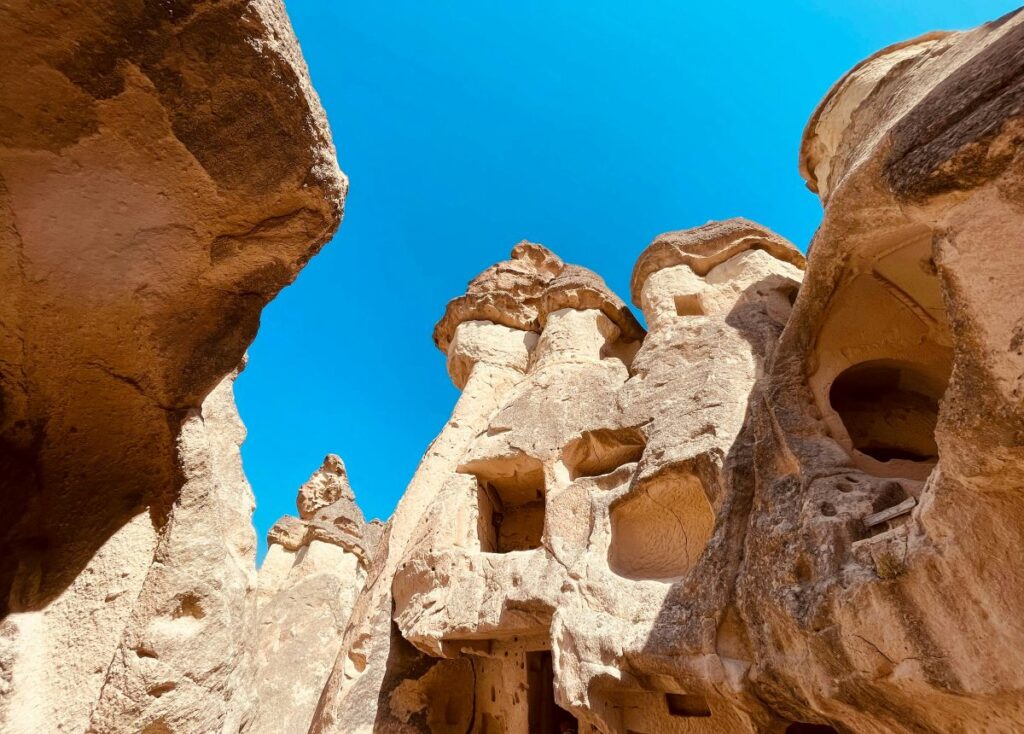
Among all the valleys of Cappadocia, Pasabag contains some of the most iconic fairy chimneys.
Unlike many other formations in the region, these towering pillars often feature multiple rock caps balanced on top of narrow stone columns, creating a landscape that appears almost surreal.
The valley takes its alternative name, Monks Valley, from the hermits who once lived here in isolation.
Devrent Valley
Unlike Goreme or Pasabag, Devrent contains no churches, monasteries, or cave settlements.
Instead, nature itself is the attraction.
Over thousands of years, erosion has sculpted the rocks into shapes resembling animals and human figures. The most famous formation resembles a camel and has become one of the most photographed landmarks in Cappadocia.
Avanos
Located on the banks of the Kızılırmak River, Avanos has been associated with pottery production for thousands of years.
The region’s red clay has been used since Hittite times, making pottery one of Cappadocia’s oldest living traditions.
Many workshops still use techniques passed down through generations, allowing visitors to observe master craftsmen at work.
Uchisar Castle
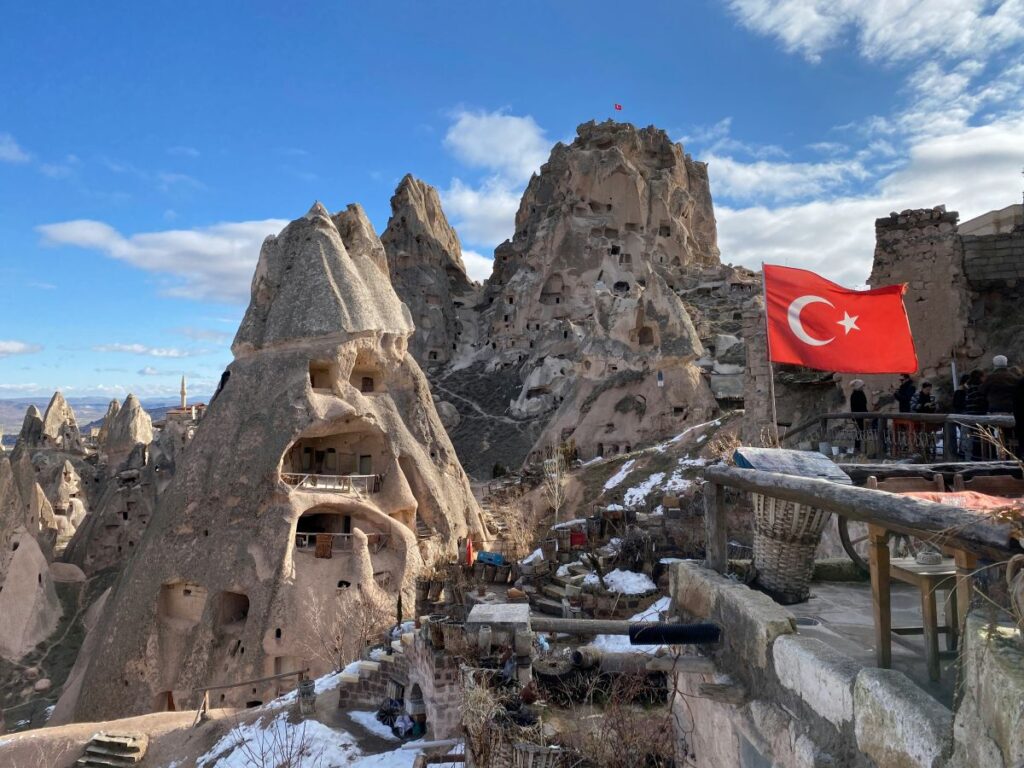
End your day at Uchisar Castle, the highest point in Cappadocia.
This enormous rock formation served as a natural fortress and refuge for centuries. Tunnels, storage rooms, and living spaces carved into the rock once sheltered local communities during periods of conflict.
Today, the summit offers spectacular panoramic views across the entire region.
Sunset is particularly memorable, as the valleys begin to glow in shades of gold, orange, and red.
Overnight: Cappadocia
Want to add more experiences to your stay? Check out our guide to the best things to do in Cappadocia, including hot air balloons, underground cities, hiking trails, and local experiences.
Day 5: Hidden Cappadocia Beyond the Tourist Trail
While most visitors spend their time around Goreme, some of Cappadocia’s most rewarding places lie beyond the standard tourist routes.
Today focuses on the region’s lesser-known treasures.
Hot Air Balloon Ride
This is one of the most popular attractions in Cappadocia. You can fly with the hot air balloon at sunrise over the unique and very interesting volcanic valleys and rock formations in Cappadocia.
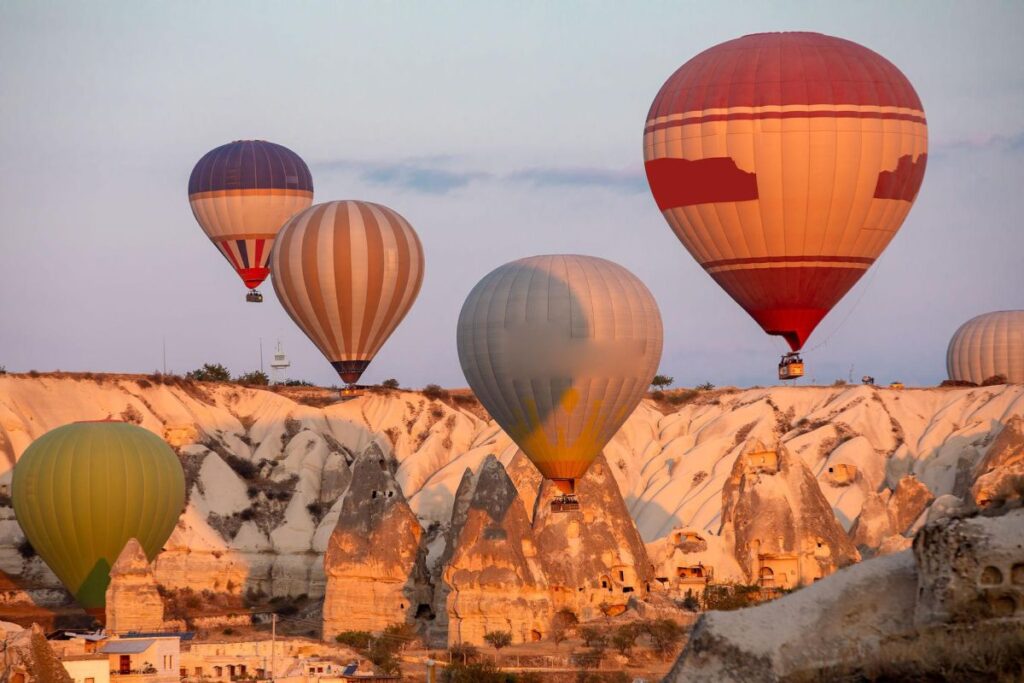
After the balloon ride, you can have breakfast and then rest at the hotel for a while and then start your journey again to discover teh highlights of Cappadocia.
Kaymakli Underground City
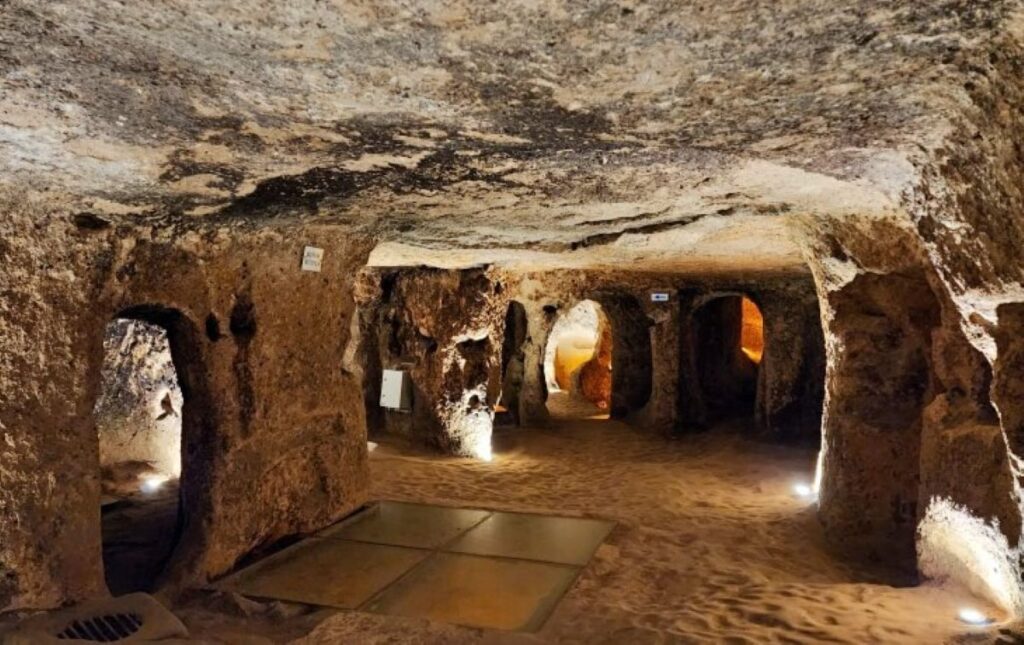
Beneath the surface of Cappadocia lies a hidden world.
Kaymaklı Underground City extends through multiple levels below ground and was expanded over centuries by different communities seeking protection during times of invasion and conflict.
Although only a portion of the city is open to visitors, its scale remains astonishing.
Narrow tunnels connect kitchens, storage rooms, stables, living quarters, ventilation shafts, and communal spaces.
Walking through its underground passages offers a remarkable insight into how people adapted to life in an uncertain world.
Soganli Valley
Far quieter than Göreme, Soğanlı Valley offers a completely different atmosphere.
The valley contains beautiful walking trails, rock-cut churches, cave dwellings, and traditional village life. Because it lies outside the main tourist circuit, visitors often enjoy a far more peaceful experience here.
For travelers seeking a glimpse of Cappadocia before mass tourism, Soganli is one of the best places to visit.
Mustafapasa (Sinasos)
Once home to a prosperous Greek Orthodox community, Mustafapaşa is one of Cappadocia’s most beautiful historic villages.
The elegant stone mansions built by wealthy merchants during the nineteenth century reveal the prosperity that once flowed through the region.
Walking through its quiet streets feels like stepping into another era.
Unlike many tourist destinations, Mustafapaşa still retains much of its authentic character.
Sobesos Archaeological Site
Discovered only in 2002, Sobesos remains one of Cappadocia’s lesser-known archaeological treasures.
The excavation revealed Roman mosaics, bath complexes, and public buildings that demonstrate the region’s importance long before the arrival of Christianity.
The colorful mosaics are particularly impressive and provide a fascinating glimpse into everyday life during the Roman period.
After returning to your hotel, spend your final evening enjoying Cappadocia’s atmosphere before continuing westward tomorrow.
Overnight: Cappadocia
You may also enjoy our guide to Cappadocia History, covering the region from prehistoric settlements to the Byzantine era.
Day 6: From Cappadocia to Konya Along the Silk Road
Today’s journey follows one of Anatolia’s historic trade routes.
As you leave Cappadocia behind, the landscape gradually opens into the vast plains of central Anatolia. For centuries, merchants, pilgrims, soldiers, and travelers crossed these same routes while moving between Asia and Europe.
Sultanhan Caravanserai
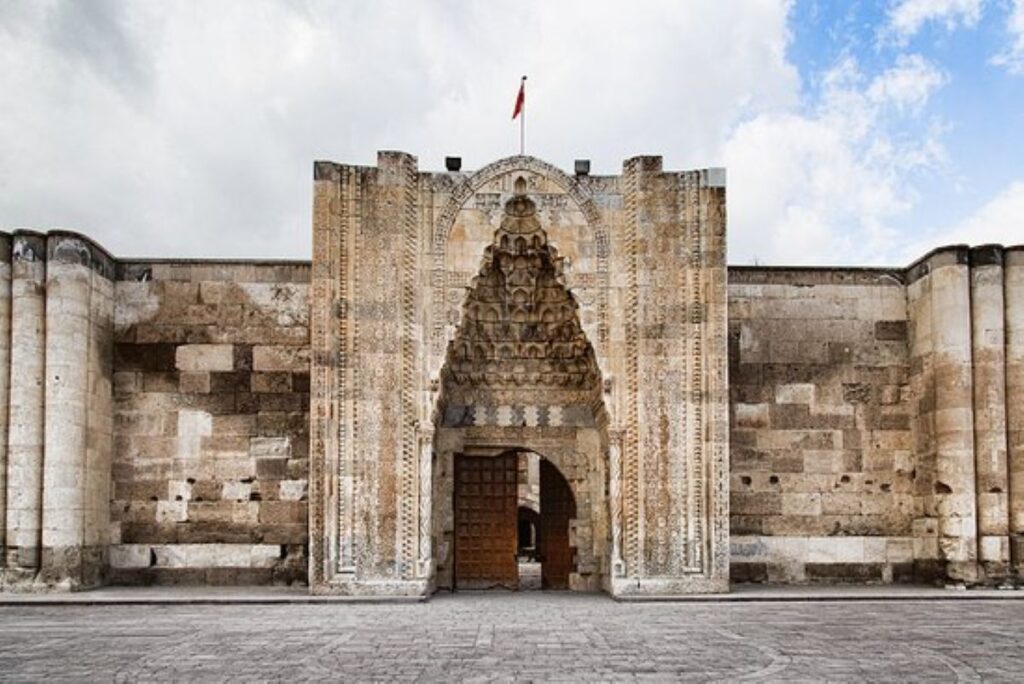
Located near Aksaray, Sultanhanı is one of the finest surviving caravanserais of the Silk Road.
Built in 1229 during the reign of Seljuk Sultan Alaeddin Keykubad I, it once welcomed merchants traveling between Persia, Central Asia, Anatolia, and Europe.
Its monumental entrance gate, vast courtyard, mosque, storage halls, and stables demonstrate the sophistication of medieval trade infrastructure.
Standing inside Sultanhanı, it is easy to imagine camel caravans arriving after weeks of travel carrying silk, spices, precious stones, and other valuable goods.
Few places in Turkey provide such a vivid connection to the age of the Silk Road.
The caravanserais of Anatolia played a vital role in Silk Road trade. Learn more in our guide to the Silk Road in Turkey.
Arrival in Konya
For centuries, Konya served as the capital of the Seljuk Sultanate of Rum and one of the most important cultural centers in the Islamic world.
The city reached its golden age during the thirteenth century and became a center of learning, philosophy, architecture, and spirituality.
Mevlana Museum
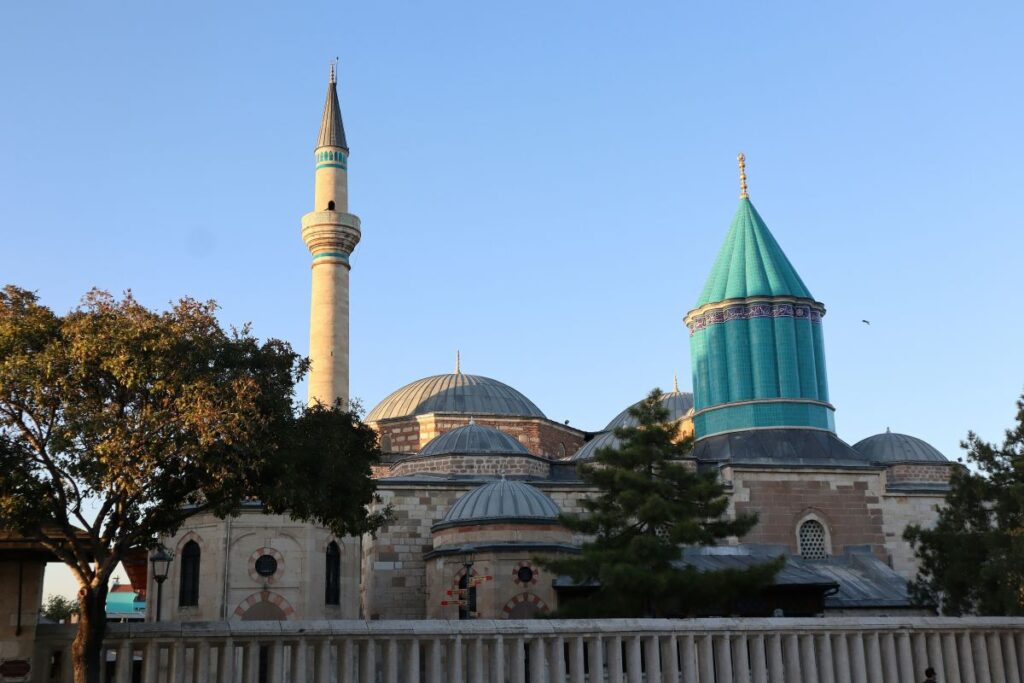
Konya’s most famous attraction is the Mevlana Museum, home to the tomb of Jalal al-Din Rumi.
Known simply as Mevlana in Turkey, Rumi remains one of the world’s most celebrated poets and spiritual thinkers.
His teachings emphasized love, tolerance, humility, and the search for inner peace.
The museum attracts millions of visitors each year and remains one of Turkey’s most important cultural landmarks.
Spend the evening exploring Konya before preparing for tomorrow’s journey toward one of humanity’s oldest settlements.
Overnight: Konya
Day 7: From Konya to Antalya via Catalhoyuk
We are now half way in our 14 day Turkey itinerary.
Before leaving the Konya region behind, begin the day with one of the most important archaeological sites ever discovered.
Catalhoyuk
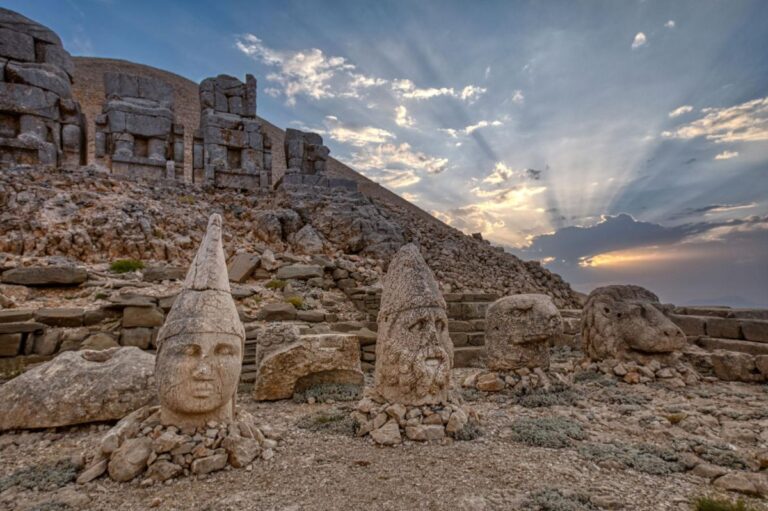
Long before the pyramids of Egypt were built, people were already living together in a large community on the plains of central Anatolia.
Dating back nearly 9,000 years, Catalhoyuk is one of the oldest known proto-cities in the world and a UNESCO World Heritage Site. Archaeologists consider it one of humanity’s earliest experiments in urban life.
What makes Catalhoyuk remarkable is not simply its age. The settlement reveals how people lived during the Neolithic period, when humanity was transitioning from hunter-gatherer societies to permanent communities.
The houses were built directly against one another with no streets between them. Residents entered through openings in the roofs and moved across the settlement by walking above the buildings.
Excavations have uncovered wall paintings, sculptures, religious shrines, and evidence of complex social organization. The discoveries at Catalhoyuk have transformed our understanding of early civilization.
After exploring one of the world’s oldest settlements, continue south toward the Mediterranean coast.
The scenery changes dramatically as the vast Anatolian plains give way to the Taurus Mountains. The winding roads eventually descend toward the turquoise waters of the Mediterranean.
Antalya and Kaleici
Few cities combine history and natural beauty as successfully as Antalya.
For more than two thousand years, Greeks, Romans, Byzantines, Seljuks, and Ottomans have all left their mark here.
Spend the evening exploring Kaleiçi, Antalya’s historic old town. Narrow cobbled streets wind between restored Ottoman houses, boutique hotels, cafés, and small courtyards.
The old Roman harbor below reminds visitors that Antalya has long served as an important gateway between Anatolia and the Mediterranean world.
As the sun sets over the sea, it becomes easy to understand why Antalya remains one of Turkey’s most beloved destinations.
Overnight: Antalya
Day 8: Discover the Ancient Cities of the Mediterranean
Today focuses on some of the finest Roman ruins in Turkey.
Perge
Located just outside Antalya, Perge was once one of the most important cities of ancient Pamphylia.
Founded during the Hellenistic period and later expanded under Roman rule, Perge became a prosperous regional center famous for trade, architecture, and culture.
Visitors can walk along its impressive colonnaded streets, explore Roman baths, admire monumental gates, and visit one of the largest ancient stadiums in Anatolia.
Unlike many archaeological sites where imagination is required, Perge allows visitors to clearly visualize the scale and sophistication of Roman urban life.
Aspendos
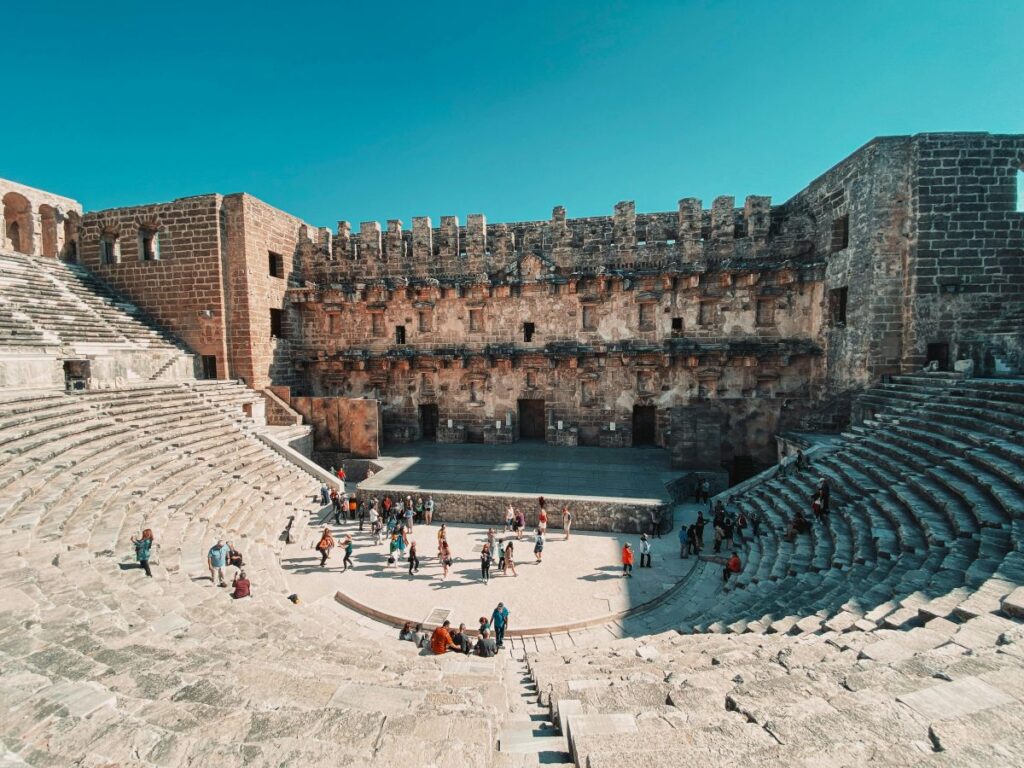
Few ancient monuments in Turkey leave a stronger impression than Aspendos.
Built during the reign of Roman Emperor Marcus Aurelius in the second century AD, its theater is widely regarded as the best-preserved Roman theater in the world.
The structure could accommodate approximately 15,000 spectators and still hosts concerts and festivals today.
Its remarkable preservation is due in part to later Seljuk rulers, who reused and maintained the building rather than allowing it to fall into ruin.
Standing in the center of the theater, visitors quickly understand the engineering skills of Roman architects.
Duden Waterfalls
After exploring ancient history, spend the afternoon enjoying one of Antalya’s most famous natural attractions.
The Düden River flows through the city before dramatically plunging into the Mediterranean Sea.
The combination of waterfalls, cliffs, and coastal scenery provides a refreshing contrast to the archaeological sites visited earlier in the day.
Return to Antalya for a relaxing evening by the sea.
Overnight: Antalya
Day 9: Antalya to Pamukkale
Leave the Mediterranean coast behind and travel northwest toward one of Turkey’s most famous natural wonders.
Pamukkale Travertines
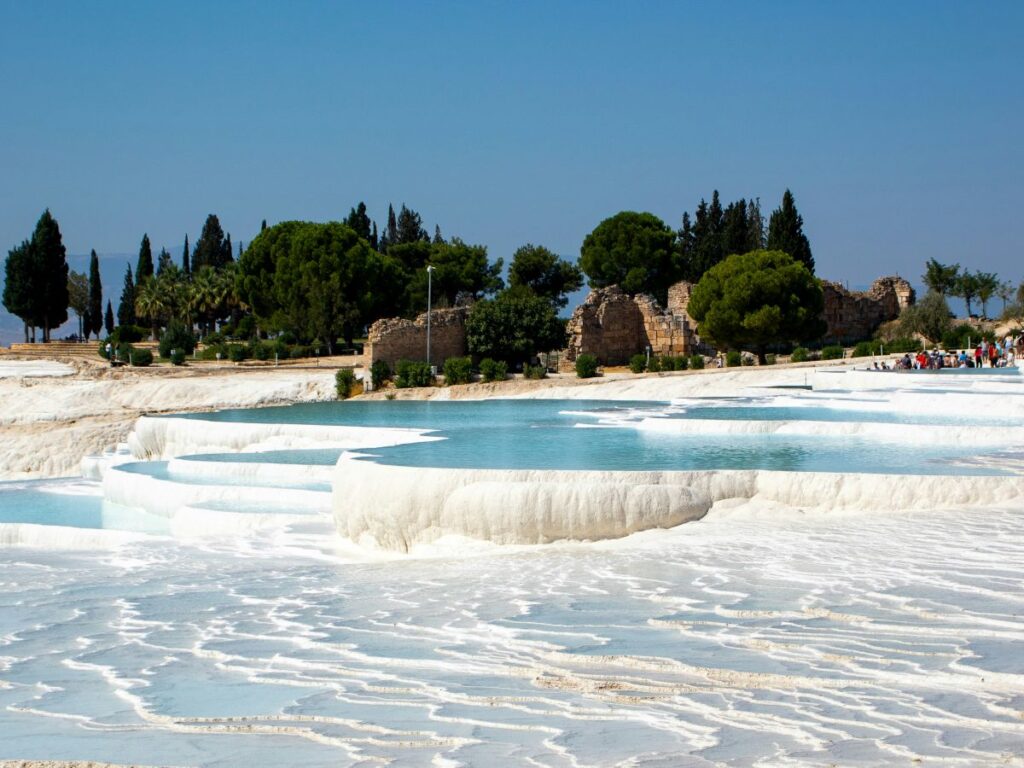
Known as the “Cotton Castle,” Pamukkale is one of the most recognizable landscapes in Turkey.
For thousands of years, mineral-rich thermal waters have flowed down the hillside, depositing layers of calcium carbonate and creating the brilliant white terraces visible today.
The result is a surreal landscape that appears almost covered in snow, even during the height of summer.
The site has attracted visitors for more than two millennia.
Hierapolis Ancient City
Above the terraces stands Hierapolis, an ancient city founded during the Hellenistic period and later developed under Roman rule.
Thanks to its thermal waters, Hierapolis became one of the most important spa destinations in the ancient world.
Wealthy Romans traveled here seeking relaxation and healing.
Today visitors can explore its impressive theater, necropolis, baths, and colonnaded streets.
Hierapolis Theatre
Among the city’s highlights is its magnificent theater.
Built into the hillside, the structure could accommodate thousands of spectators and remains one of the finest surviving Roman theaters in Turkey.
As the afternoon light illuminates both the ancient ruins and the white terraces below, visitors are rewarded with one of the most memorable views in the country.
Overnight: Pamukkale
If you have extra time in the region, don’t miss our guide to the best things to do in Pamukkale, including Hierapolis, Cleopatra Pool, and nearby attractions.
Day 10: Pamukkale to Ephesus via Aphrodisias
Today’s journey connects two of the greatest archaeological sites in Turkey.
Aphrodisias
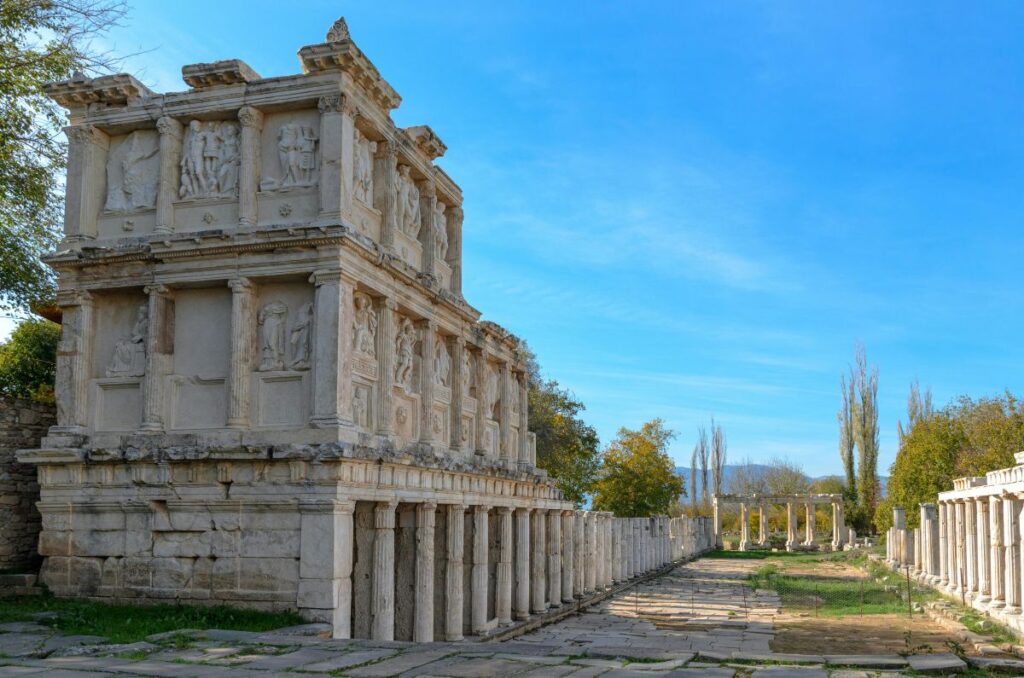
Although often overshadowed by Ephesus, Aphrodisias is one of the most impressive ancient cities in the country.
Named after Aphrodite, the Greek goddess of love, the city became famous for its sculptors and artistic schools.
Its remarkably preserved stadium is among the best in the ancient world and once held approximately 30,000 spectators.
The Temple of Aphrodite, monumental gateway, theater, and sculpture museum offer an extraordinary glimpse into life during the Roman period.
Many visitors consider Aphrodisias one of Turkey’s most underrated archaeological treasures.
Continue west toward the Aegean coast.
Arrival in Selcuk or Kusadasi
The evening is best spent relaxing in preparation for tomorrow’s exploration of Ephesus.
Whether staying in the historic town of Selçuk or the seaside resort of Kuşadası, you are now in one of the most historically significant regions of Turkey.
Overnight: Selcuk or Kusadasi
Day 11: Ephesus – One of the Greatest Cities of the Ancient World
Today is dedicated to one of the highlights of any trip to Turkey.
Ephesus Ancient City
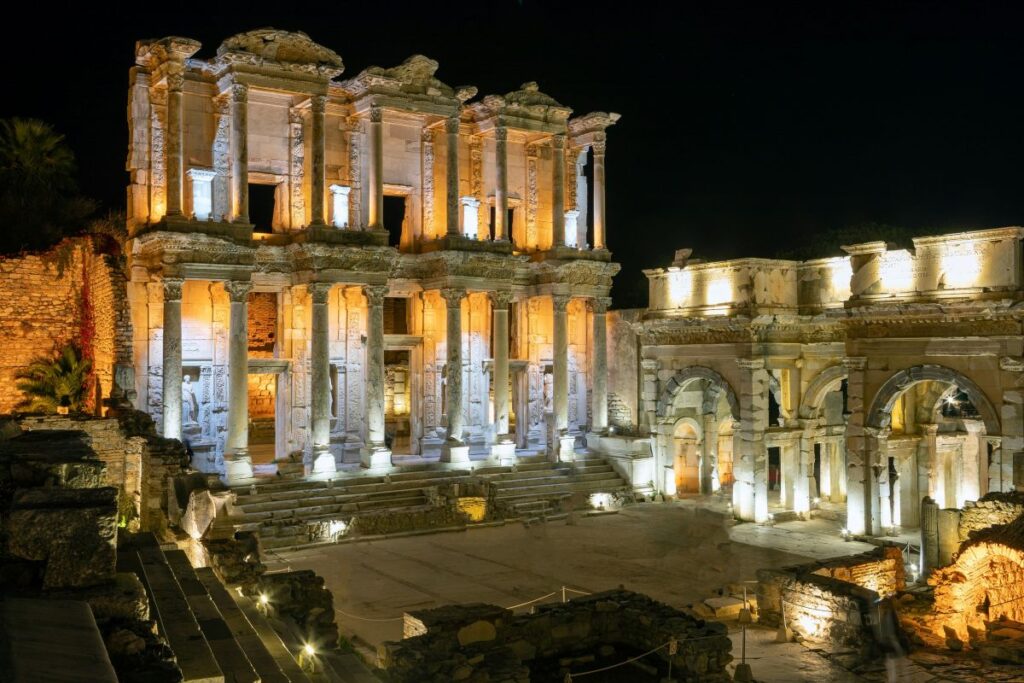
At its peak, Ephesus was among the largest and most important cities in the Roman Empire.
Its strategic location near the Aegean coast transformed it into a major commercial, religious, and cultural center.
Walking through Ephesus feels remarkably different from visiting most archaeological sites.
Its marble streets, monumental buildings, and impressive urban planning make it easy to imagine daily life two thousand years ago.
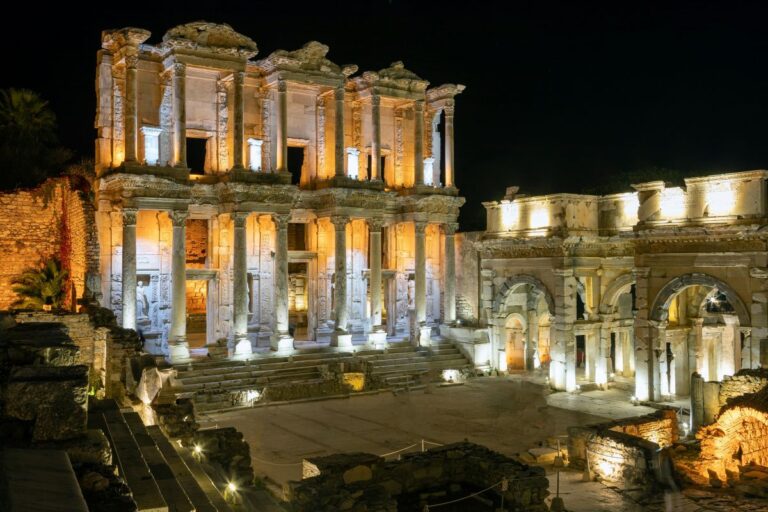
Library of Celsus
The most famous structure in Ephesus is undoubtedly the Library of Celsus.
Built in the second century AD, it once housed thousands of scrolls and served as one of the most important libraries in the Roman world.
Its reconstructed façade has become one of the most recognizable images of Turkey.
Great Theatre
Capable of accommodating approximately 25,000 spectators, the Great Theatre reflects the immense wealth and importance of Ephesus.
According to Christian tradition, Saint Paul preached here during his missionary journeys.
House of the Virgin Mary
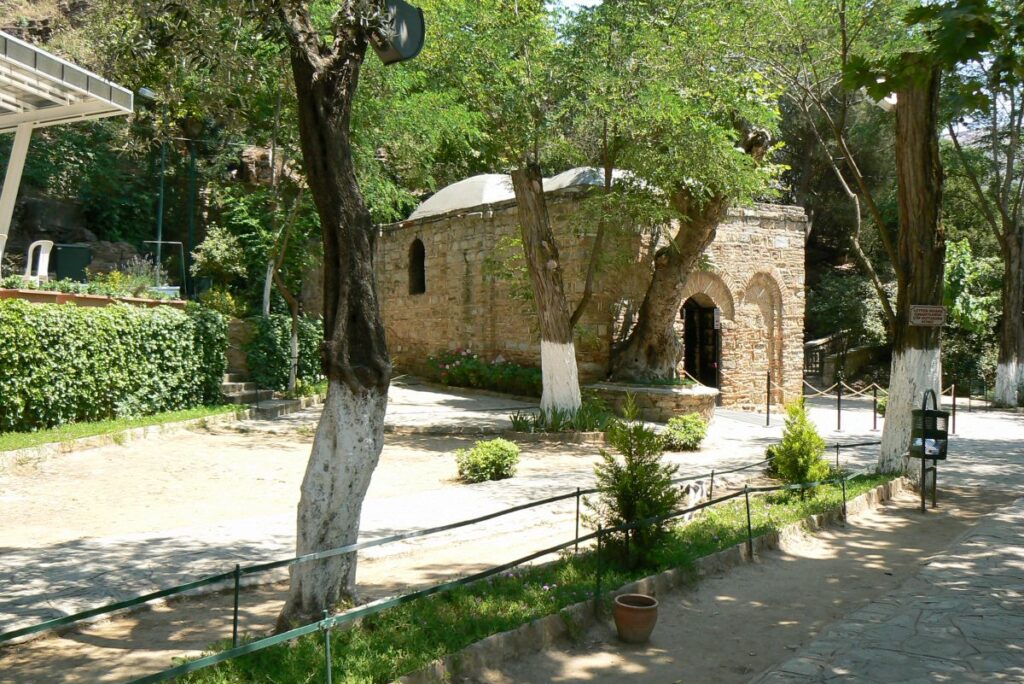
Located on Mount Koressos, this peaceful sanctuary is believed by many Christians to be the final home of the Virgin Mary.
Today it attracts pilgrims from around the world.
Temple of Artemis
Although only a few remains survive today, the Temple of Artemis was once considered one of the Seven Wonders of the Ancient World.
Its scale and beauty astonished ancient visitors.
Spend the evening enjoying the relaxed atmosphere of the Aegean coast.
Overnight: Selcuk or Kusadasi
Planning to spend more time in the area? See our guide to the best things to do in Ephesus and the surrounding region.
Day 12: Pergamon, Troy, and the Journey to Çanakkale
Today is one of the most rewarding days of the itinerary. You will visit two of Turkey’s most important archaeological sites before reaching the shores of the Dardanelles.
The day begins in Bergama, the modern town built beside the ancient city of Pergamon.
Pergamon Acropolis
Perched dramatically on a hilltop overlooking the surrounding landscape, Pergamon was once the capital of one of the most powerful kingdoms of the Hellenistic world.
Following the death of Alexander the Great, his empire fragmented into several successor states. Pergamon emerged as one of the most influential among them, becoming a center of culture, science, medicine, and learning.
The city’s rulers sought to rival Alexandria in Egypt, establishing one of the ancient world’s greatest libraries. According to some historical accounts, the shortage of papyrus contributed to the development of parchment, which takes its name from Pergamon itself.
Today, visitors can explore the spectacular Acropolis, where temples, palaces, and public buildings once stood.
Theatre of Pergamon
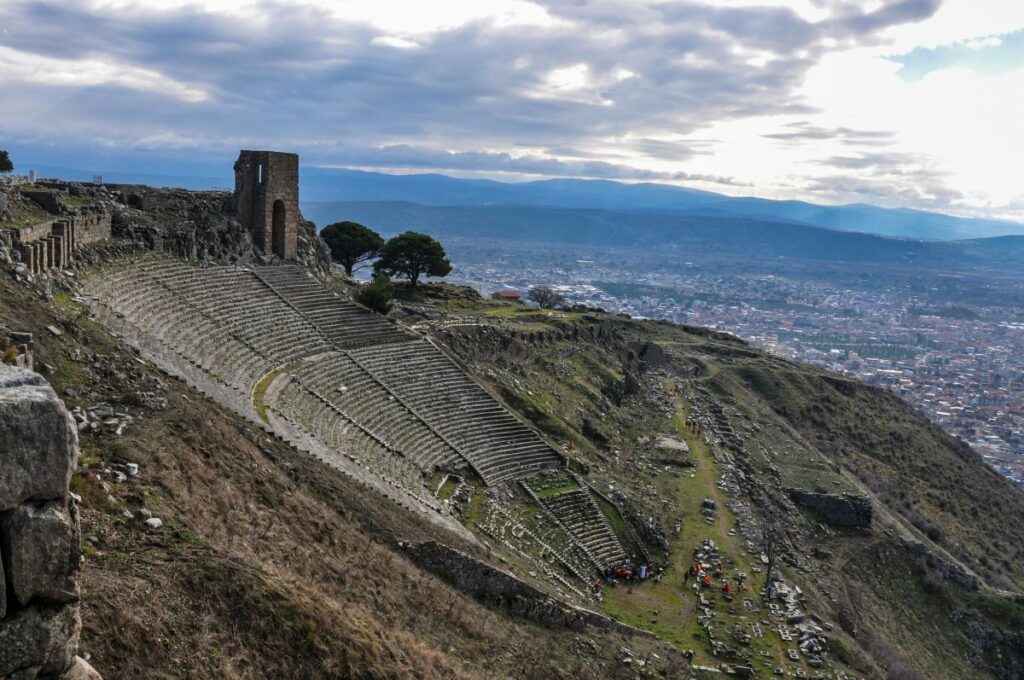
One of the highlights of the site is its extraordinary theater.
Built into the steep hillside, it is often considered the steepest theater in the ancient world. The view from the upper rows stretches across the surrounding plains and helps explain why Pergamon occupied such a strategic position.
Asklepion
A short distance from the Acropolis lies the Asklepion, one of antiquity’s most famous healing centers.
Patients traveled from across the Roman world seeking treatment from physicians, therapists, and priests. Treatments included baths, herbal remedies, exercise, music therapy, and psychological healing techniques that were surprisingly advanced for their time.
After exploring Pergamon, continue north toward one of the most legendary places in history.
Troy
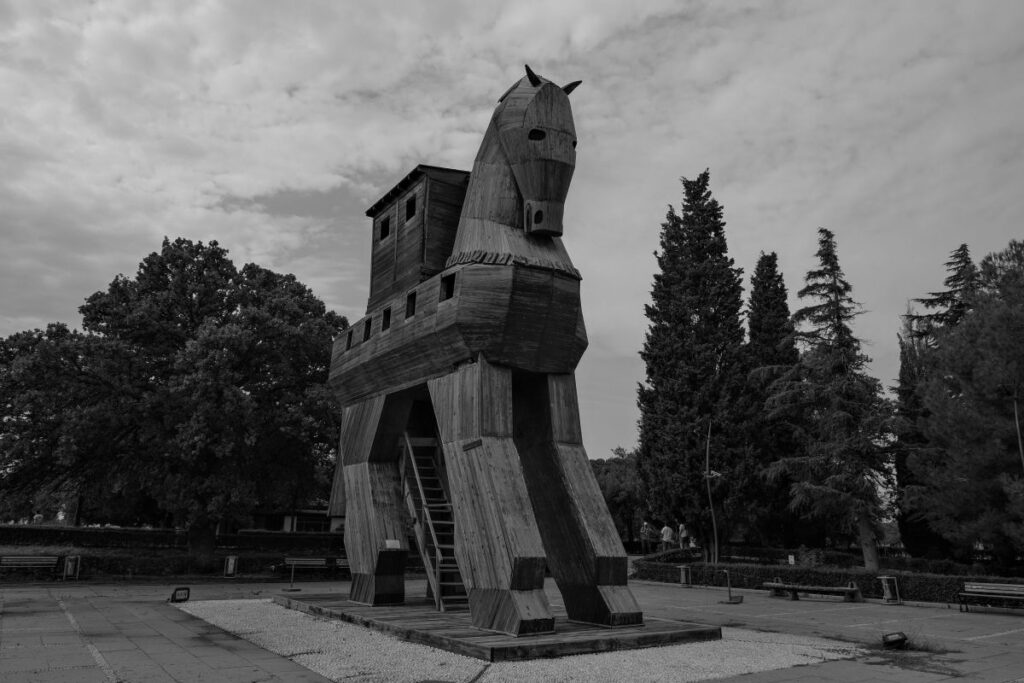
Few archaeological sites capture the imagination quite like Troy.
For centuries, many scholars believed Homer’s story of the Trojan War was little more than myth. Everything changed in the nineteenth century when excavations revealed the remains of multiple ancient cities built on top of one another.
Archaeologists now know that Troy was occupied for thousands of years and played an important role in regional trade and politics.
While historians still debate the details of the Trojan War, the discoveries confirmed that a powerful city once stood here.
Walking through the ruins, visitors encounter layers of history spanning more than four millennia.
Troy Museum
Before leaving, visit the Troy Museum, one of Turkey’s finest archaeological museums.
Its exhibits help explain the many different settlements discovered at Troy and provide valuable context for understanding the site.
Continue to Canakkale in the evening.
Located along the Dardanelles, this lively waterfront city has witnessed some of history’s most important events, from the ancient world to the twentieth century.
Enjoy a stroll along the promenade and watch the ferries crossing between Europe and Asia.
Overnight: Canakkale
Many of Turkey’s most important archaeological sites are UNESCO-listed. Explore our guide to the UNESCO World Heritage Sites of Turkey.
Day 13: Gallipoli and Return to Istanbul
Today’s journey combines powerful history with beautiful scenery.
After breakfast, cross the Dardanelles and head toward the Gallipoli Peninsula.
Gallipoli
For Australians, New Zealanders, Turks, and many others, Gallipoli remains one of the most emotional and significant historical landscapes in the world.
During the First World War, Allied forces attempted to capture the Dardanelles and open a route to Istanbul. The campaign resulted in months of intense fighting and heavy casualties on all sides.
Today, the battlefields have become places of remembrance rather than conflict.
Turkey’s story stretches far beyond the destinations included in this itinerary. Explore our History & Culture collection to learn more about the civilizations that shaped Anatolia.
ANZAC Cove
Perhaps the most famous location on the peninsula, ANZAC Cove marks the landing site of Australian and New Zealand forces on 25 April 1915.
Standing on the narrow beach, visitors quickly understand the enormous challenges faced by soldiers attempting to advance through the rugged terrain above.
Lone Pine Cemetery
One of the most important memorial sites at Gallipoli, Lone Pine commemorates thousands of soldiers who fought and died during the campaign.
Chunuk Bair
This strategic hill became the scene of some of the fiercest fighting of the campaign.
The views from the summit reveal why control of the high ground was so important.
Turkish Memorials
Gallipoli is unique because it commemorates all who fought there.
Visitors will encounter memorials honoring Turkish soldiers as well as those from Australia, New Zealand, Britain, France, and other nations.
The words attributed to Mustafa Kemal Atatürk, honoring the mothers of fallen ANZAC soldiers, remain among the most moving messages found anywhere on a battlefield.
After exploring Gallipoli, begin the drive back to Istanbul.
As you approach the city once again, the skyline that greeted you at the beginning of the journey feels different.
Over the past two weeks, you have traveled through thousands of years of history, from Neolithic settlements and Roman cities to Seljuk caravanserais and First World War battlefields.
Spend your final evening enjoying Istanbul one last time.
Perhaps take a final walk along the Bosphorus, enjoy a traditional Turkish dinner, or simply reflect on the incredible diversity of experiences encountered throughout the journey.
Overnight: Istanbul
Day 14: Departure
Every journey eventually comes to an end.
Depending on your flight schedule, enjoy a relaxed breakfast before heading to the airport.
Over the past fourteen days, you have explored the imperial monuments of Istanbul, wandered through the valleys of Cappadocia, visited one of the world’s oldest settlements at Çatalhöyük, followed sections of the Silk Road, discovered Roman cities along the Mediterranean and Aegean coasts, stood among the ruins of Troy, and reflected on the battlefields of Gallipoli.
This 14 day Turkey itinerary offers far more than a collection of famous landmarks.
It tells the story of Anatolia itself.
From ancient civilizations and great empires to religious traditions, trade networks, and modern history, few countries offer such an extraordinary concentration of cultural heritage within a single journey.
For first-time visitors, it provides an unforgettable introduction to Turkey.
And for many travelers, it is only the beginning of a much deeper exploration of one of the world’s most fascinating destinations.