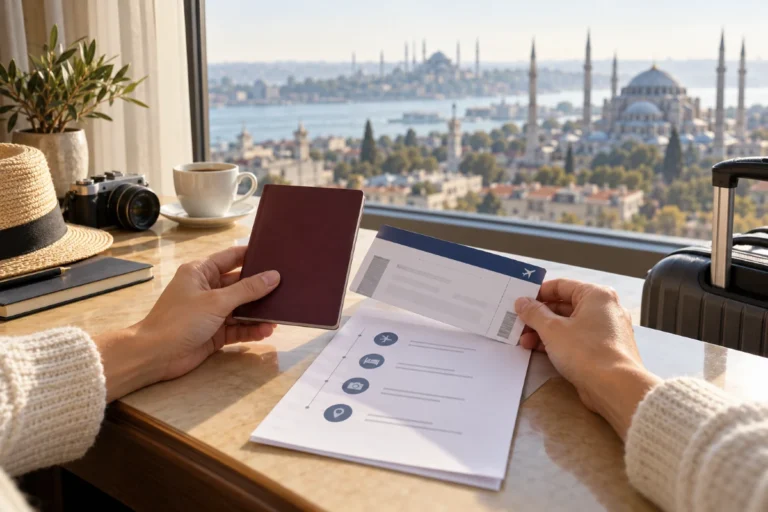
Istanbul does not reveal itself in one visit to a monument. Its story unfolds as you move through the city: from the imperial heart of the Historic Peninsula, across the Golden Horn to Galata, and over the Bosphorus to neighborhoods such as Kadıköy and Üsküdar.
That geography matters when you plan your time. Hagia Sophia, the Hippodrome, the Blue Mosque and the Basilica Cistern sit close together. Galata Tower and İstiklal Street belong to a different part of the city. Kadıköy is across the water on the Asian side. Trying to fit all of them into one or two days can turn a fascinating city into a sequence of hurried stops.
For most first-time visitors, four full days offer a good balance: enough time to understand the Historic Peninsula, see how the city changed under the Ottomans, explore the districts around Galata, and cross to the Asian side. Three full days can cover the main historical and cultural highlights. Two days give you an introduction, while five days let you slow down or add another experience.
As a licensed tour guide who has worked in Turkey since 2008, I recommend planning Istanbul by neighborhood and story, not by trying to collect as many attraction names as possible.
How many days in Istanbul should you plan?
| Time available | What the visit can realistically include |
|---|---|
| 2 full days | A fast introduction to the Historic Peninsula, plus one day around Galata and the Bosphorus |
| 3 full days | The main historic areas, an Ottoman palace visit and time around Galata or the waterfront |
| 4 full days | A balanced first visit, with the Asian side included |
| 5 or more full days | More time for museums, Dolmabahçe Palace, the Princes’ Islands or slower neighborhood exploration |
These are full sightseeing days, not simply the number of nights you book. If you arrive in Istanbul in the afternoon and fly out early on your fourth day, you may have only two or three useful days in the city. Four full days usually means arriving the evening before your first sightseeing day and leaving after the fourth day.
Why Istanbul takes longer than it looks on a map
The monuments in Sultanahmet form a compact historic cluster, but Istanbul itself is much larger. A day spent on the Historic Peninsula is different from a day in Galata or Kadıköy. You may cross the city by tram, metro, bus or ferry, and traffic can affect road journeys.
The Bosphorus is not just a view between attractions. It is part of how people move through the city. A public ferry can take you between districts on the European and Asian shores, while also giving you a view of the city’s waterfront. Check current routes and timetables through Şehir Hatları.
The best itinerary therefore avoids crossing back and forth without a reason. Give each day a center of gravity, then add nearby places around it.
A four-day Istanbul itinerary, told through the city
Day 1: Begin with the imperial heart of the Historic Peninsula
Start in Sultanahmet, where a short walk connects places that represent very different moments in Istanbul’s history. The square beside Hagia Sophia and the Blue Mosque follows the line of the ancient Hippodrome, once the ceremonial and sporting center of Constantinople. The open space helps explain why this part of the city became a stage for imperial life: processions, public gatherings and the display of power all met here.
Hagia Sophia brings those layers together inside one building. Commissioned by Emperor Justinian and opened in 537, it served as the great church of Constantinople. After the Ottoman conquest of 1453, it became a mosque and acquired new architectural features and furnishings. Its long history is visible not as a simple change from one identity to another, but as successive periods leaving their marks on the same structure. Hagia Sophia functions as a mosque today, so check current visitor arrangements and respect worship times before your visit. muze.gov.tr
Nearby, the Blue Mosque offers a different experience of Ottoman religious architecture. The two buildings face one another across the square, but they belong to different historical settings and should not be treated as interchangeable stops. Allow time to observe the space around them as well as the interiors; this is one of the places where Istanbul’s imperial scale becomes easiest to understand.
Finish the day at the Basilica Cistern, below the streets of the old city. After the bright, open square, the dim columns and water create a striking contrast. It is a good final visit because it offers a glimpse of the infrastructure that supported life in an imperial capital, not only the monuments built to display its power.
Planning note: These sites are close enough to combine, but queues, security checks, prayer times and time spent inside can change the pace. Start early and leave room for a meal or a rest. Check the current opening arrangements before you go.
Affiliate disclosure: Some links in this article are affiliate links. If you book through one of them, I may earn a commission at no extra cost to you. This helps support TripInTurkey and allows me to continue creating practical travel guides.
For a closer look at Hagia Sophia, you can compare Hagia Sophia tickets and guided tours.
Day 2: Understand the Ottoman city through Topkapı and its surroundings
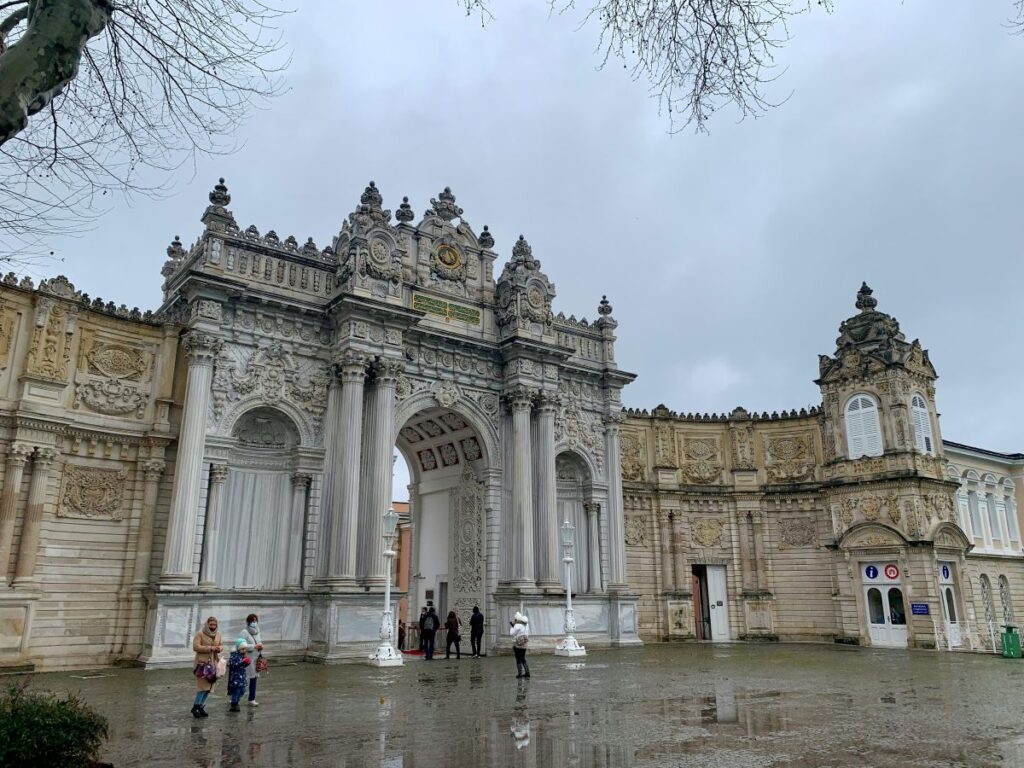
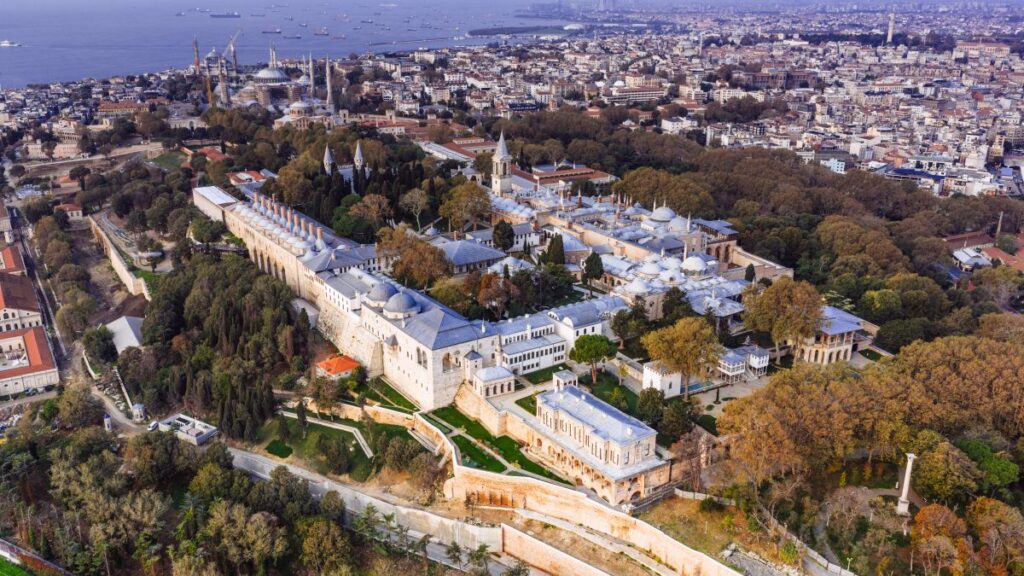
On the second day, stay on the Historic Peninsula but shift the focus from the public imperial square to the Ottoman court. Topkapı Palace was built after the conquest of Constantinople and became a center of Ottoman government, education and court life for nearly four centuries. Its courtyards, pavilions and views over the meeting point of the Bosphorus and the Golden Horn make more sense when you see it as a working palace complex rather than a single grand building. Milli Saraylar
Do not try to rush through Topkapı as if it were one room on a checklist. The courtyards create a gradual transition from public administration to more private parts of palace life. How much you can see depends on your interest and the current visiting arrangements, so check the official Topkapı Palace visitor information before choosing your start time.
After the palace, you can walk through Gülhane Park or choose one nearby museum, rather than trying to fit every museum into the same day. If Ottoman architecture is a priority, continue toward Süleymaniye. The mosque complex sits above the Golden Horn and offers a very different view from the crowded streets below: here, the city’s skyline, hills and waterways become part of the experience.
End the day around the old markets if you still have energy. The Grand Bazaar and Spice Bazaar are not simply places to shop; they show how commerce shaped the city and connected it to wider trade routes. You do not need to buy anything to enjoy the atmosphere. If the crowds become tiring, step away for a tea or a meal and let the pace slow down.
Day 3: Cross the Golden Horn into Galata and modern Istanbul
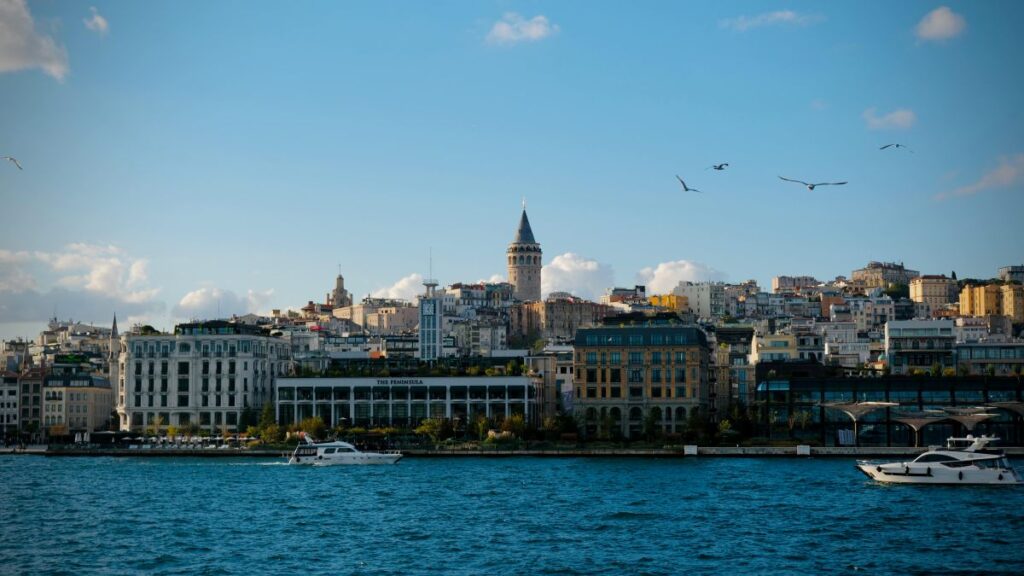
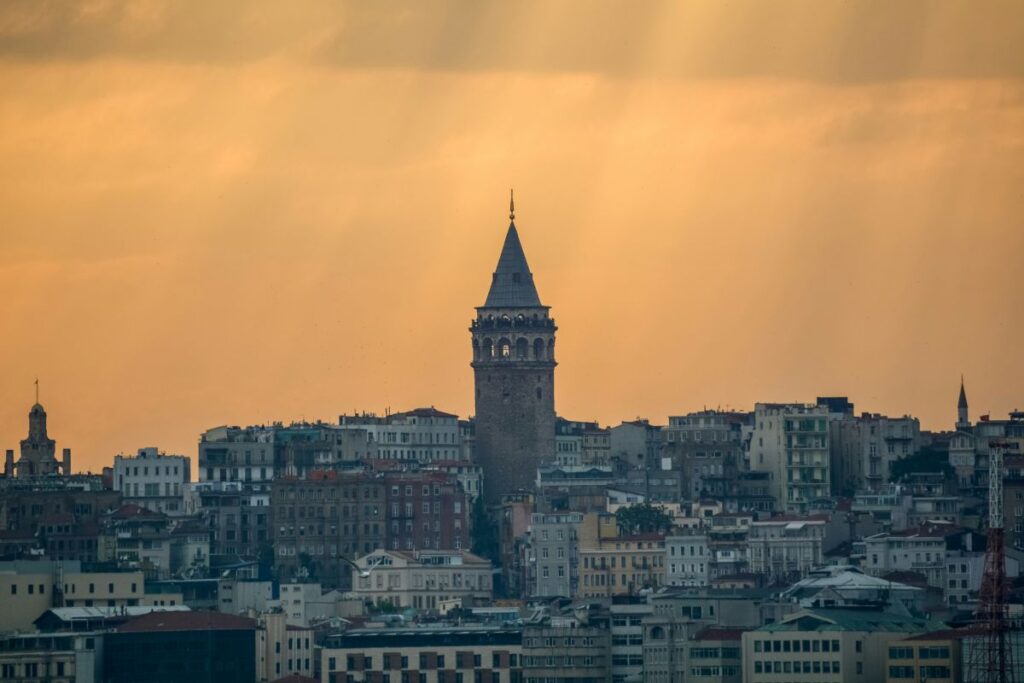
The third day moves from the imperial peninsula toward the Golden Horn and the districts around Galata. Begin near Eminönü, where the waterfront has long linked markets, ferries and city traffic. From there, crossing the Galata Bridge brings you into a different urban landscape. The view back toward the domes and minarets of the Historic Peninsula is one of the clearest reminders that Istanbul is a city of connected shores rather than one single center.
Explore Karaköy and the streets rising toward Galata. This is a day for noticing how the city changes as you climb: the waterfront gives way to narrower streets, cafés, shops and buildings from later periods. Galata Tower is a useful landmark, but the neighborhood around it is part of the visit too. If you want to go up the tower, check its current admission and operating information in advance.
Continue along İstiklal Street toward Taksim if you want to see one of Istanbul’s busiest modern districts. It is not a quiet historic lane; it is a lively urban avenue with shops, restaurants, side streets and a steady flow of people. Take a side street when you need a break from the main route.
You can add a Bosphorus cruise in the late afternoon or evening, but choose the cruise based on its departure point and duration. A cruise is a separate experience from taking a public ferry across the Bosphorus. If you already have a full day of walking, a short cruise may be more enjoyable than trying to combine a long boat tour with several distant sights.
If you prefer context while walking through the old city or Galata, a guided visit can help connect the monuments to the city’s wider history. Keep the existing Istanbul tour link here rather than placing a generic sales link at the top of the article.
A Bosphorus cruise offers a different perspective on Istanbul: from the water, palaces, waterfront neighborhoods and the city’s two shores become part of one continuous landscape. You can [compare Bosphorus cruise options here]. Check the departure pier and cruise duration before booking so it fits your plans for the day.
Day 4: Cross to the Asian side and experience the city at a different pace
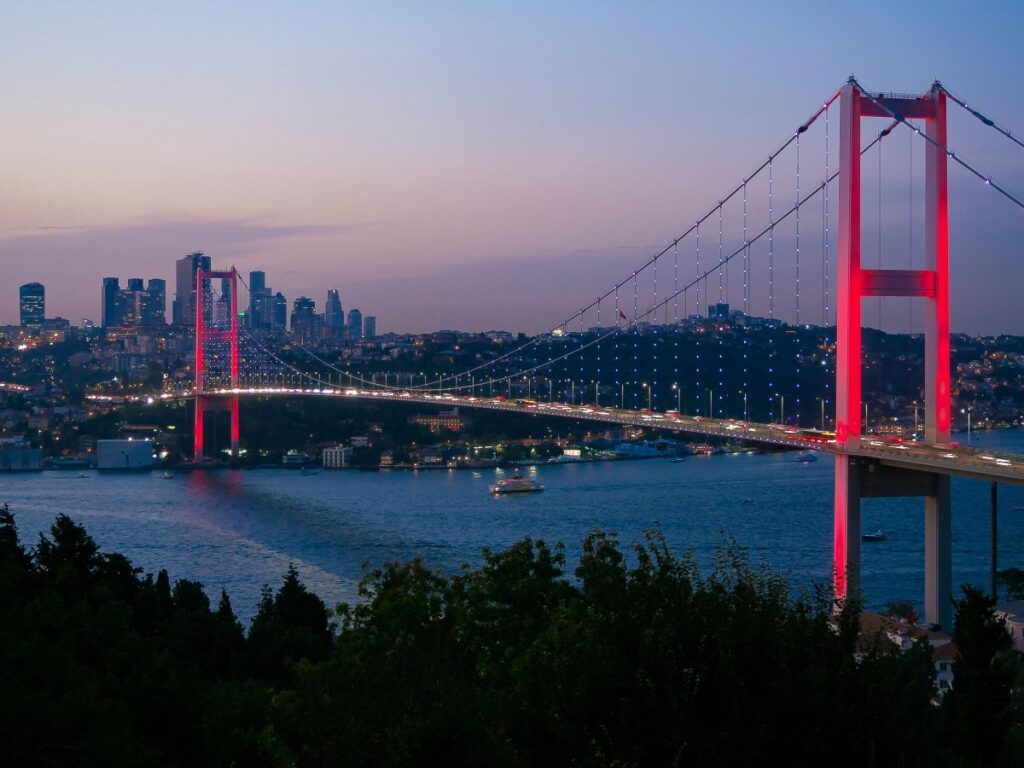
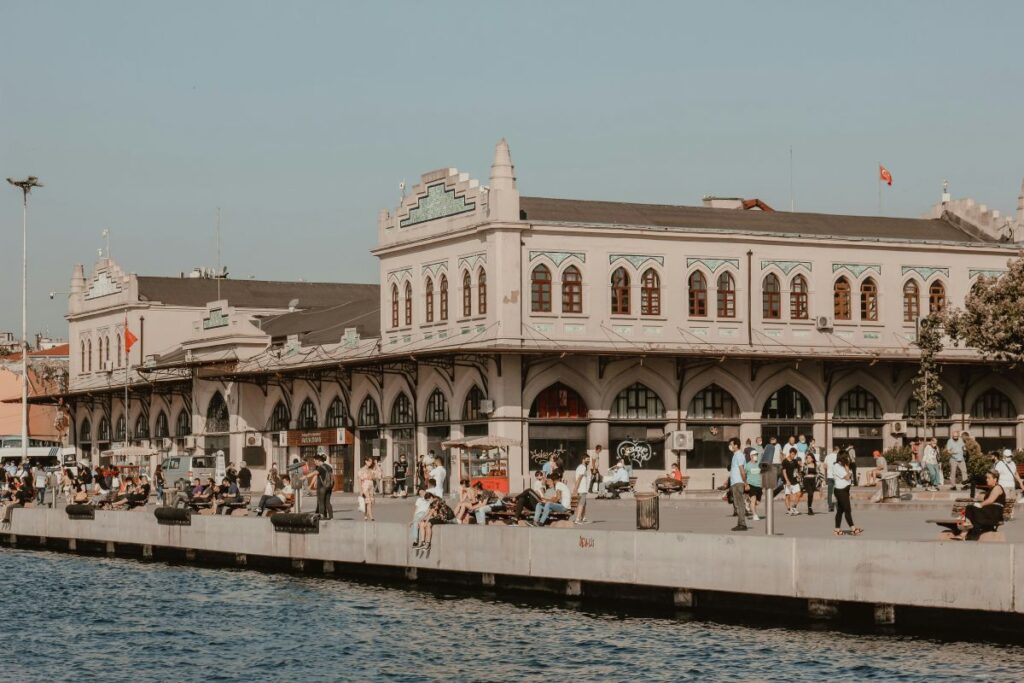
Use the fourth day to cross the Bosphorus by ferry. Routes such as Kadıköy–Karaköy–Eminönü connect the two shores; check the latest timetable before you leave, as schedules can vary. Sehir Hatlari ®
Kadıköy is a good place to spend time without trying to repeat the monument-heavy days on the European side. Walk through the market area, find a café or restaurant, and continue toward Moda if you want a longer waterfront walk. The point is not that this is the only “real” Istanbul. It is another part of the city, with its own daily rhythm, food culture and relationship to the water.
You can also choose Üsküdar if you are more interested in waterfront views and historic mosques. The two districts offer different experiences, so on a four-day visit I would choose one rather than trying to cover both quickly. A ferry ride is not just a transfer between sights; it gives you time to see the city from the water and understand why the Bosphorus is central to Istanbul’s geography.
What if you have fewer or more days?
If you have two full days
Use the first day for Sultanahmet: Hagia Sophia, the Blue Mosque, the Hippodrome and the Basilica Cistern. On the second day, choose either Topkapı Palace or a route through Eminönü, Karaköy and Galata, then finish with a Bosphorus ferry or cruise.
This will be a quick introduction, not a complete visit. I would not try to add Kadıköy, Dolmabahçe Palace and several museums as well. Choose the experiences that matter most to you and leave the rest for another trip.
If you have three full days
Keep the first day in Sultanahmet. Use the second for Topkapı Palace and the Ottoman surroundings, and the third for the Golden Horn, Karaköy and Galata. If the Bosphorus is a priority, add a short cruise or public ferry where it fits naturally.
With three days, you can see much of the historic core, but you will probably have to choose between the Asian side and additional sites such as Dolmabahçe Palace. That is a reasonable trade-off; the city is more enjoyable when you allow time to absorb what you are seeing.
If you have five days
A fifth day gives you a choice rather than another compulsory checklist. You could visit Dolmabahçe Palace and explore more of the Bosphorus waterfront, spend more time in museums, or take a trip to the Princes’ Islands. The islands are a separate excursion and should be treated as a substantial part of the day; check current ferry schedules before deciding.
You could also use the extra day to return to a neighborhood you liked, visit a hammam or simply leave the schedule open. Istanbul rewards that kind of unplanned time.
Where should you stay?
For a first visit focused on monuments, Sultanahmet puts you close to the Historic Peninsula, which can make early starts easier. It is quieter in the evening than some central nightlife districts, and it is not the best base for every part of the city.
Sirkeci and Eminönü can be useful if you want access to the old city, ferries and public transport. Karaköy or Galata can suit visitors who want cafés, restaurants and a base between the waterfront and Beyoğlu, but some streets are steep. Taksim and Beyoğlu offer a busy central atmosphere and transport connections, though noise and hills may matter depending on the exact hotel.
Kadıköy can be a good choice for visitors who want to spend more time on the Asian side and enjoy its restaurants and neighborhood life. If most of your plans are on the European side, remember to include ferry or other cross-city journeys in your daily schedule.
Before booking, check the exact location, the nearest transit stop, hills or stairs on the route, and how you will get back in the evening. For destination-specific advice, see our Istanbul Travel Guide.
A few practical details that make the days easier
Istanbul is a walking city in parts, but it is not a city where you should assume every major district is within walking distance of the next. Wear shoes suitable for slopes, uneven paving and long days. Plan by area, check current public transport routes, and leave extra time when crossing the city.
If you arrive late, are travelling with children or have several bags, a pre-booked private transfer may make the journey to your hotel easier. You can [check private Istanbul airport transfer options here]. Before booking, confirm which airport the service covers, your hotel’s drop-off area, vehicle capacity and cancellation terms.
At mosques, follow posted visitor guidance and avoid entering during restricted times. At palaces and museums, check current opening days, ticket rules and visiting hours; these can change. For the latest transport and airport options, see our getting around Turkey guide and Istanbul, Cappadocia and Ephesus airport transfer guide.
If you want to compare Istanbul’s costs with the rest of your trip, our Turkey travel costs guide is a useful next step. For a full route beyond the city, see the 10-day Turkey itinerary.
Frequently asked questions
Is three days enough for Istanbul?
Three full days are enough for a rewarding first visit focused on the Historic Peninsula, Topkapı Palace and the Galata area. You will still need to choose what to leave out. If you want to include the Asian side, add a fourth full day or replace another activity.
Is four days in Istanbul too long?
No. Four full days allow you to explore the city’s historic core, see another side of Istanbul and leave time for meals, ferries and breaks. It is a good duration for visitors who want more than a quick highlights tour.
Can I see both the European and Asian sides in one day?
Yes, but it is better to choose one or two neighborhoods on the Asian side rather than trying to cover all of it. A ferry crossing is straightforward, but the city is large and the day should not be planned as though each shore were a single attraction.
Is it worth visiting Istanbul for only two days?
Yes, if that is the time you have. Focus on the Historic Peninsula and one additional area such as Galata or the Bosphorus. Treat it as an introduction; do not expect to see every major district and museum.
How many nights should I book for four days in Istanbul?
For four complete sightseeing days, plan to arrive the evening before the first day and leave after the fourth day. That often means booking five nights, depending on your flight times.
Give Istanbul time to unfold
Istanbul is not simply a collection of famous buildings. It is a city whose history becomes clearer as you move through it: from the imperial square of the Historic Peninsula to the markets and waterfront, then across the Golden Horn and the Bosphorus into neighborhoods with their own rhythms.
You can see important highlights in two or three days. With four full days, you can connect more of those stories without making every hour a race. If you have five, give yourself permission to explore more slowly.