In Turkey, coffee is rarely rushed.
It is slowly prepared, carefully served, and deeply connected to conversation, hospitality, friendship, and tradition. A small cup of Turkish coffee can begin a business meeting, welcome a guest into a home, accompany hours of conversation, or even play a role in marriage traditions that have survived for centuries. Turkish coffee culture remains one of the most important parts of daily life and hospitality traditions in Turkey.
For many travelers visiting Turkey, Turkish coffee initially appears simple: dark coffee served in a small cup beside a glass of water and sometimes a piece of Turkish delight. But behind that small cup lies a much larger story stretching across continents, trade routes, empires, and generations of social life.
Turkish coffee culture is not only about flavor. It is about time, ritual, and human connection.
Today, despite modern cafés and international coffee chains, traditional Turkish coffee remains one of the strongest cultural symbols of Turkey and continues to shape daily life from Istanbul to small Anatolian towns.
To explore the wider culinary history of Anatolia, read our complete Turkish Food Guide covering the civilizations and traditions that shaped Turkish cuisine.
The Origins of Coffee — From Ethiopia to the Ottoman World
The story of coffee began far from Istanbul.
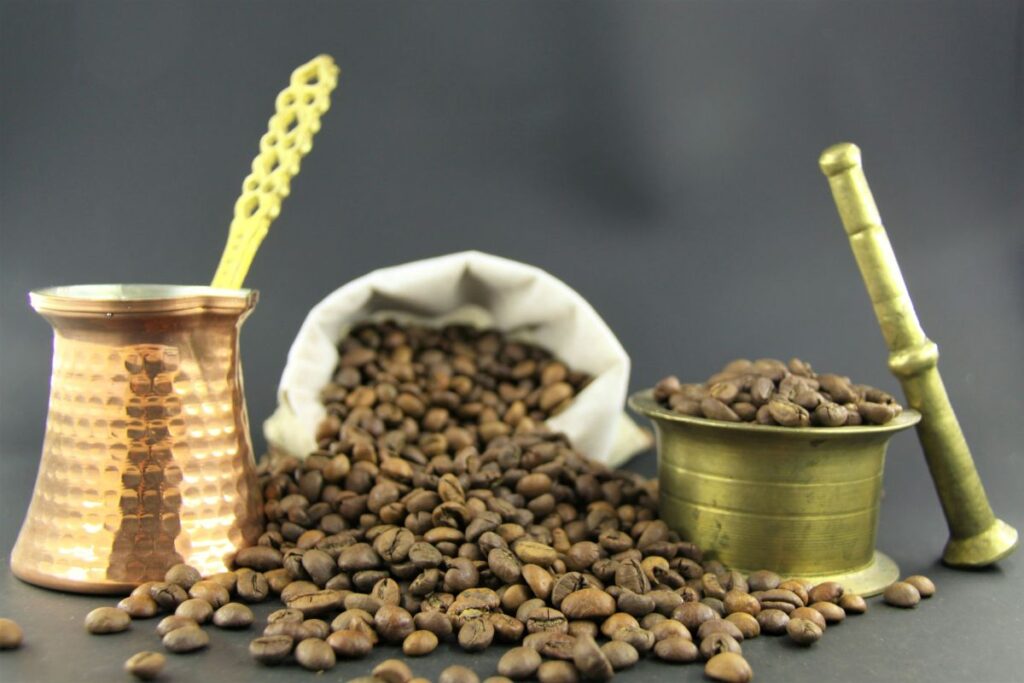
Most historians believe coffee originated in the highlands of Ethiopia, where wild coffee plants grew naturally for centuries. According to legend, Ethiopian goat herders noticed their animals becoming unusually energetic after eating coffee berries.
From Ethiopia, coffee traveled across the Red Sea into Yemen, where it became closely connected to Sufi religious communities. Yemeni Sufis are believed to have used coffee to stay awake during long nights of prayer and meditation.
By the fifteenth century, coffeehouses had already begun appearing in major cities of the Islamic world, including:
- Mecca
- Cairo
- and other important trade centers.
Coffee spread rapidly because it was unlike alcohol. It stimulated conversation, concentration, and social interaction while remaining acceptable within many Islamic societies.
Through Ottoman trade networks and maritime routes, coffee eventually reached Anatolia and transformed urban life forever.
How Coffee Reached Istanbul
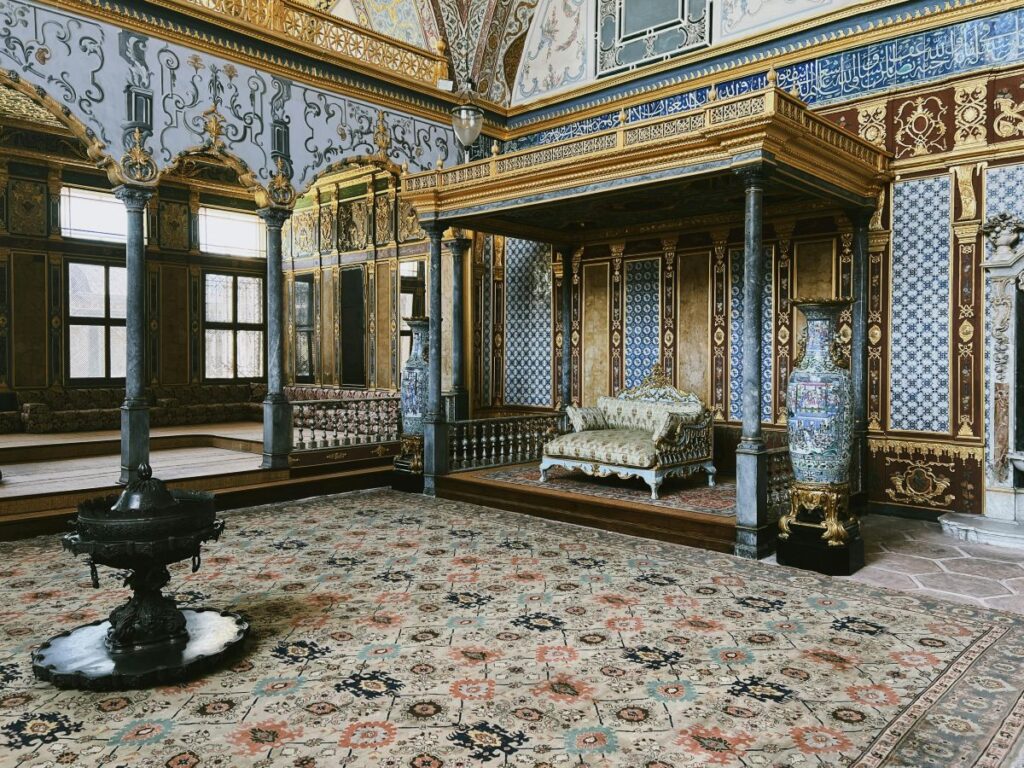
Coffee arrived in Istanbul during the Ottoman period, most likely in the sixteenth century during the reign of Suleiman the Magnificent.
At the time, the Ottoman Empire controlled vast territories stretching across the Middle East, North Africa, and southeastern Europe. Trade routes connected Yemen, the Arabian Peninsula, Egypt, and Istanbul, allowing coffee beans to travel north into the imperial capital.
According to Ottoman historical accounts, two merchants from Syria opened some of Istanbul’s earliest coffeehouses in the mid-1500s.
The impact was immediate.
Coffeehouses quickly became gathering places where people could:
- discuss politics,
- listen to poetry,
- play backgammon,
- share stories,
- debate ideas,
- and spend long hours socializing.
For the first time in Ottoman urban culture, large groups of people regularly gathered in public spaces centered not around food or trade, but conversation itself.
Ottoman Coffeehouses — Where Conversation Became Culture
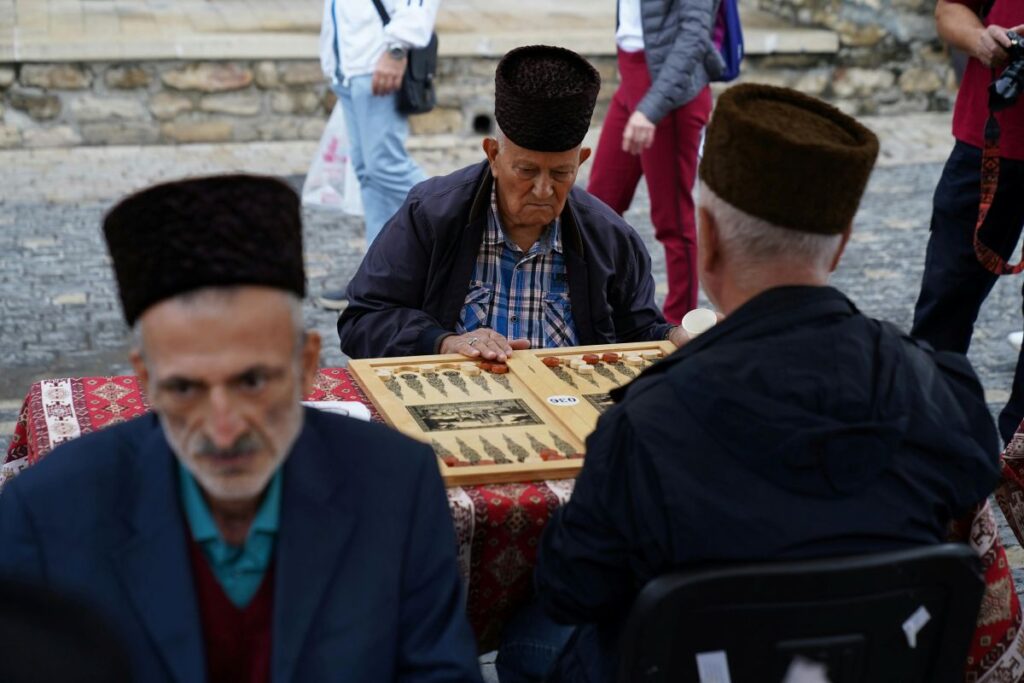
The Ottoman kahvehane, or coffeehouse, became one of the most important social institutions in the empire.
These cafés were far more than places to drink coffee.
They functioned as:
- social clubs,
- storytelling spaces,
- political discussion centers,
- literary meeting points,
- and gathering places for travelers, craftsmen, merchants, and intellectuals.
In many Ottoman cities, coffeehouses filled with:
- storytellers,
- shadow puppet performers,
- musicians,
- chess players,
- and men discussing daily events late into the night.
The atmosphere of traditional coffeehouses still survives in parts of modern Turkey today.
In older neighborhoods of Istanbul, visitors can still find elderly men drinking tea or coffee while playing tavla (backgammon) beneath clouds of conversation and cigarette smoke.
These places move at a slower rhythm than modern cafés. People stay for hours rather than minutes.
In many ways, Turkish coffee culture reflects a different relationship with time itself.
Many travelers exploring Istanbul today can still experience the atmosphere of traditional coffeehouses hidden within the city’s historic neighborhoods.
Why Turkish Coffee Is Different
Turkish coffee differs from most modern coffee styles because of both its preparation method and social meaning.
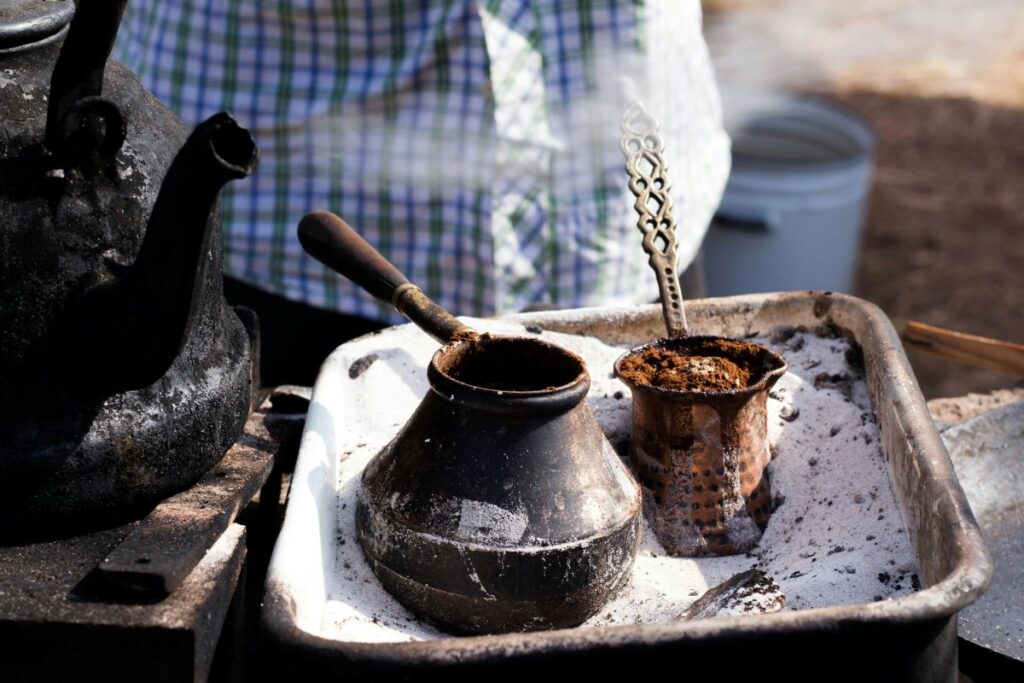
The beans are ground extremely finely — almost into powder — before being slowly cooked in a small metal pot called a cezve.
Unlike filtered coffee or espresso:
- the grounds remain inside the cup,
- the coffee is not filtered,
- and foam is considered an essential sign of quality.
Traditionally, Turkish coffee is prepared slowly over low heat, sometimes even over hot sand or embers.
The result is strong, thick, aromatic coffee served in small cups designed for slow drinking rather than quick consumption.
But what truly makes Turkish coffee different is not only taste.
It is the ritual surrounding it:
- the serving style,
- the conversation,
- the waiting,
- and the hospitality.
Why Turkish Coffee Is Served with Water

Many foreign visitors immediately notice that Turkish coffee is traditionally served with a small glass of water.
There are several explanations behind this custom.
Historically, water helped cleanse the palate before drinking coffee so the flavors could be appreciated more clearly.
In Ottoman etiquette, the way a guest drank the water also carried subtle meaning. If a visitor drank the water first, it could quietly signal hunger, encouraging the host to offer food.
This small detail reflects how deeply hospitality shaped Ottoman social customs.
Today, the tradition continues throughout Turkey.
Turkish Delight and Coffee
Turkish delight, known locally as lokum, often accompanies Turkish coffee.
The combination reflects Ottoman culinary culture, where sweet flavors balanced the bitterness of coffee.
Luxury Ottoman households historically served coffee with elaborate sweets, perfumes, and decorative presentation styles intended to impress guests.
Even today, offering coffee with lokum remains a gesture of hospitality and generosity.
Ottoman culinary traditions continue to influence modern Turkish desserts, sweets, and street food culture today.
Turkish Coffee Fortune Telling — Reading the Future from Coffee Cups
One of the most fascinating traditions connected to Turkish coffee is fortune telling.
After finishing the coffee, the cup is turned upside down onto the saucer and allowed to cool. The patterns left by the coffee grounds are then interpreted symbolically.
Known as kahve falı, this practice remains extremely popular in Turkey, especially among friends and family gatherings.
For many people, fortune telling is less about predicting the future and more about:
- conversation,
- humor,
- imagination,
- and social bonding.
Tourists are often surprised to discover how common this tradition still is, even among younger generations.
In modern Turkey, centuries-old coffee rituals continue to exist comfortably beside smartphones and contemporary urban life.
Salty Coffee and Turkish Marriage Traditions
One of the most famous Turkish coffee traditions appears during marriage ceremonies.
During a traditional family meeting, the bride-to-be prepares coffee for the groom and his family. In many cases, she secretly adds salt instead of sugar to the groom’s cup.
The groom is expected to drink the coffee politely without complaint.
The custom is playful, but it also symbolizes patience, respect, and good humor.
For foreign visitors, this tradition often becomes one of the most memorable examples of how deeply coffee is woven into Turkish social rituals.
Coffeehouses in Modern Turkey
Modern coffee culture in Turkey now exists in two parallel worlds.
On one side are traditional kahvehane cafés filled mostly with older generations playing tavla, discussing football, politics, or local news.
On the other side are modern third-wave coffee shops serving:
- espresso,
- V60,
- cold brew,
- and specialty beans.
In neighborhoods like:
- Karakoy
- Cihangir
- Kadıkoy
young entrepreneurs have created a modern café culture blending international coffee trends with Turkish traditions.
Yet despite this modernization, traditional Turkish coffee has not disappeared.
Instead, old and new coffee cultures now exist side by side.
Why UNESCO Recognized Turkish Coffee Culture
Turkish coffee culture is recognized by UNESCO as part of the world’s intangible cultural heritage.
The recognition highlights that Turkish coffee is not simply a beverage, but a social practice connected to:
- hospitality,
- identity,
- conversation,
- ceremony,
- and community life.
Outlink
Turkish coffee culture was added to UNESCO’s Intangible Cultural Heritage list for its role in hospitality, social interaction, and cultural identity.Coffee, Time, and Turkish Daily Life
Perhaps the most important thing visitors notice about Turkish coffee culture is its relationship with time.
In many countries, coffee is associated with speed and productivity.
In Turkey, coffee is often associated with slowing down.
People sit longer.
Conversations last longer.
Meetings become social experiences rather than transactions.
A single cup of coffee can stretch across an hour of conversation.
This slower rhythm remains one of the defining characteristics of Turkish social life.
Final Thoughts
Turkish coffee is not simply an old tradition preserved for tourists.
It remains a living part of everyday life throughout Turkey.
From Ottoman coffeehouses to modern cafés, from fortune telling rituals to marriage ceremonies, coffee continues to connect people through conversation, hospitality, and shared experience.
For travelers visiting Turkey, understanding Turkish coffee culture means understanding something much deeper than a drink itself.
It offers a glimpse into:
- Ottoman history,
- social rituals,
- hospitality traditions,
- and the slower human connections that still shape daily life across the country.
In Turkey, coffee is never only coffee.
It is time shared together.
You may also enjoy our guides to Turkish Street Food, Turkish Food Guide, Essential Turkey Travel Tips, and UNESCO World Heritage Sites in Turkey.