The real story of Turkish food is not found only in restaurants. It is found in real world as you walk in local streets. Turkish street food is one of the best ways to experience the culture, history, and daily life of Turkey.
It lives in ferry terminals filled with the smell of simit and sea air. In smoky alleyways where grills burn late into the night. In crowded market streets where vendors call out to passing strangers. In tiny family shops where the same recipes have been repeated for generations.
Street food in Turkey is more than a quick meal. It reflects migration, trade routes, empire, regional identity, working-class traditions, and daily life. Some dishes were shaped by Ottoman palace culture, while others emerged from factories, fishing ports, nomadic traditions, or the need to feed workers cheaply and quickly.
For many travelers, eating street food becomes one of the most memorable parts of visiting Turkey because it reveals something deeper than tourist attractions:
the rhythm of everyday Turkish life.
To better understand the deeper culinary traditions of Anatolia, read our complete Turkish Food Guide exploring the history and cultural roots of Turkish cuisine.
Simit — The Symbol of Istanbul Mornings
Few foods are more closely connected to daily life in Istanbul than simit.
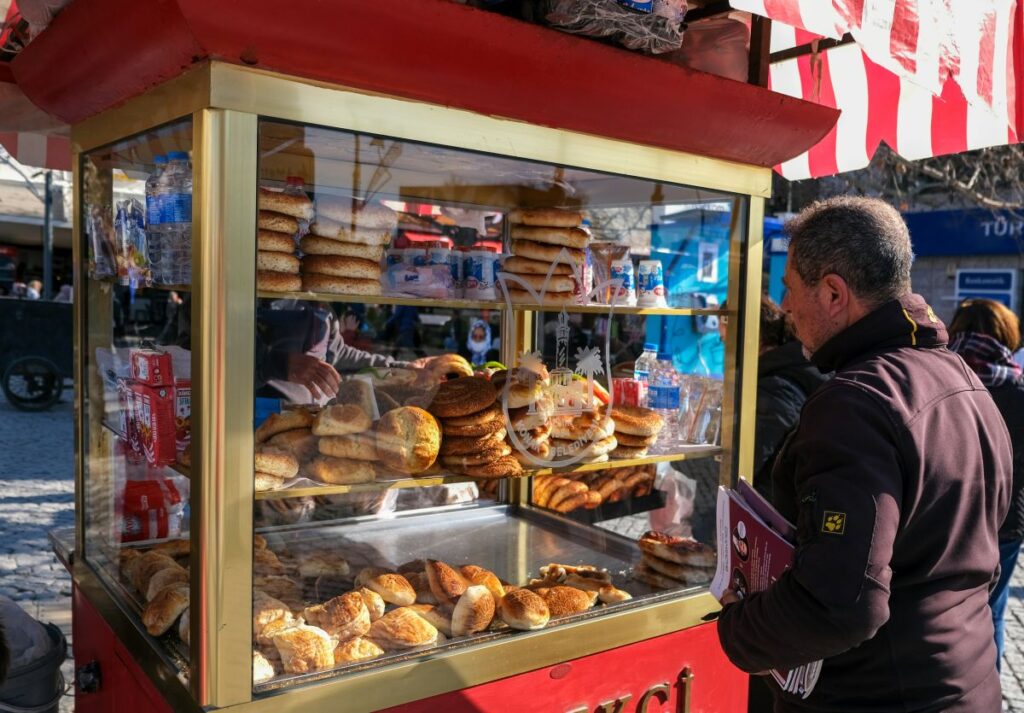
Covered in sesame seeds and baked until golden, simit is often described as a Turkish bagel, but the comparison does not fully capture its cultural importance. In Istanbul, simit is part of the city’s morning ritual.
Early in the day, ferry terminals begin filling with commuters holding tulip-shaped glasses of tea and paper-wrapped simit. Street vendors push red carts through crowded squares while seagulls circle above the Bosphorus waiting for tourists to throw small pieces into the air.
The tradition dates back centuries to the Ottoman period, when circular bread rings were already being sold in Istanbul’s streets. Historical records mention simit sellers as early as the sixteenth century.
Today, simit remains one of the simplest and most authentic ways to experience Istanbul like a local.
Many travelers first experience simit while exploring the historic streets and ferry terminals of Istanbul.
Kokorec — Turkey’s Most Controversial Street Food
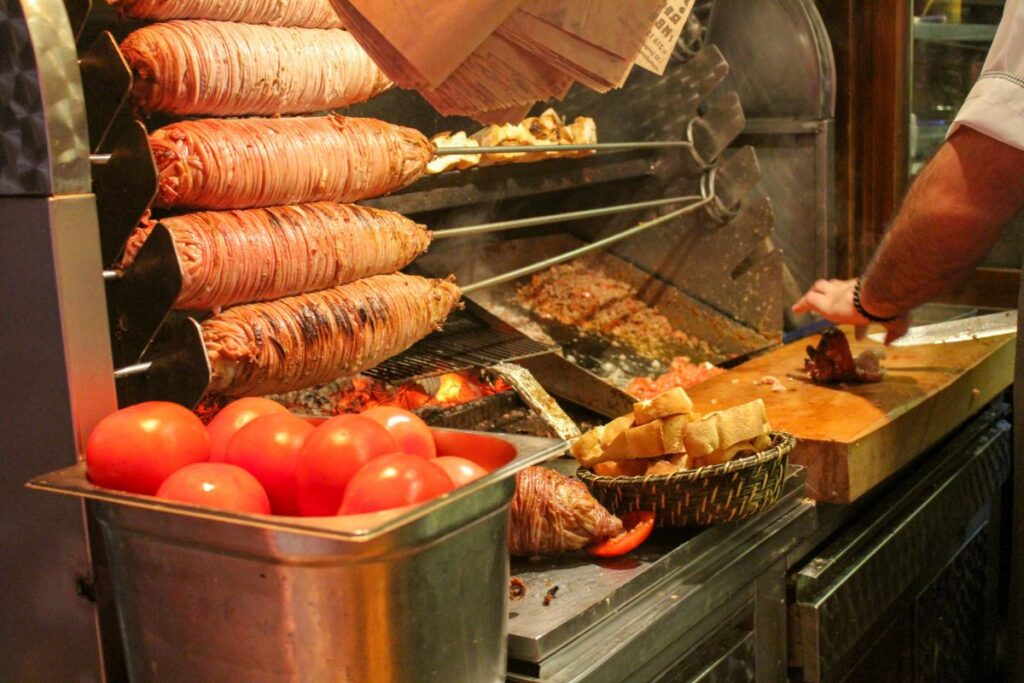
Few foods create stronger reactions among tourists than kokorec.
Made from seasoned lamb intestines wrapped around sweetbreads and slowly cooked over charcoal, kokorec initially surprises many foreign visitors. Yet those who try it often become passionate fans.
Its roots are linked to Balkan and Anatolian cooking traditions where no part of the animal was wasted. Over time, kokoreç evolved into one of Turkey’s most beloved late-night foods.
The atmosphere surrounding kokorec is part of the experience itself.
In many Turkish cities, especially Istanbul and Izmir, kokoreç shops become busiest after midnight. Smoke rises from the grill while cooks rhythmically chop meat with large knives against hot metal plates.
Locals argue passionately about:
- spicy vs non-spicy,
- tomato or no tomato,
- Istanbul style vs Izmir style.
For many tourists, trying kokorec becomes a moment of cultural curiosity and adventure rather than simply eating another dish.
For visitors exploring Istanbul at night, trying local street food is one of the city’s most memorable experiences.
Midye Dolma — The Taste of Istanbul Nights
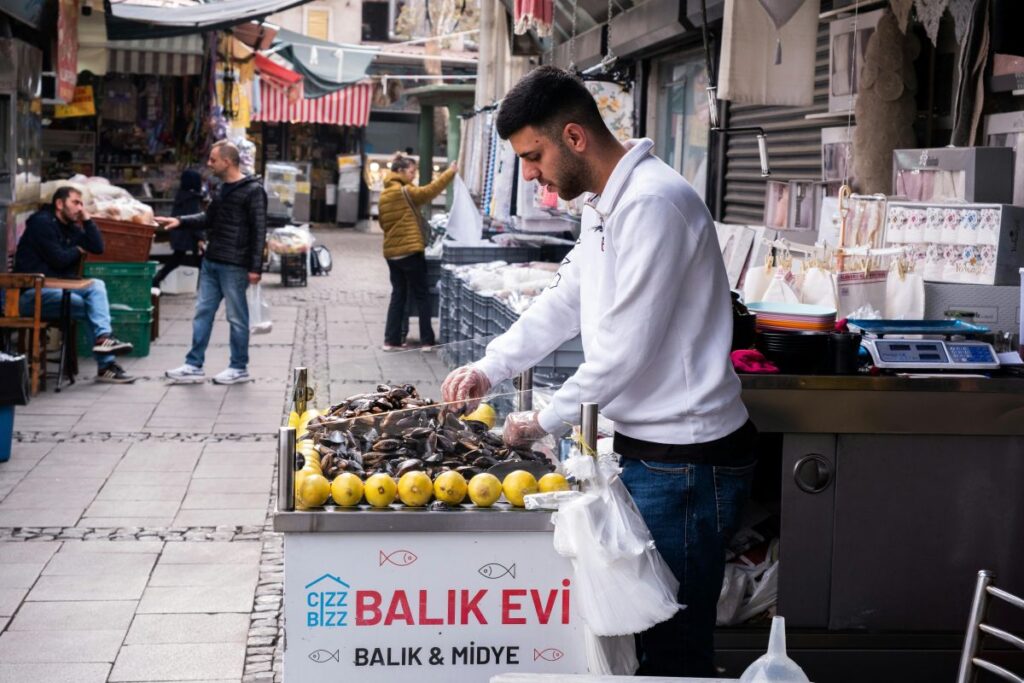
Stuffed mussels, known as midye dolma, are deeply connected to Istanbul’s nightlife and street culture.
Fresh mussels are filled with aromatic rice seasoned with cinnamon, black pepper, currants, and pine nuts before being served with generous amounts of lemon juice.
At night, especially along the Bosphorus or around neighborhoods like Beyoğlu and Kadıköy, vendors stand beside shining metal trays stacked with mussels while crowds gather around them.
There is an entire social rhythm to eating midye dolma:
- one more,
- another lemon,
- conversations continuing on sidewalks late into the evening.
The flavors themselves reveal the layered culinary history of the Ottoman Empire, where spices, seafood, and rice traditions from different regions blended together.
Food culture in Istanbul is deeply connected to the Bosphorus, ferry life, and the city’s unique atmosphere between Europe and Asia.
Tantuni — A Street Food Born from Necessity
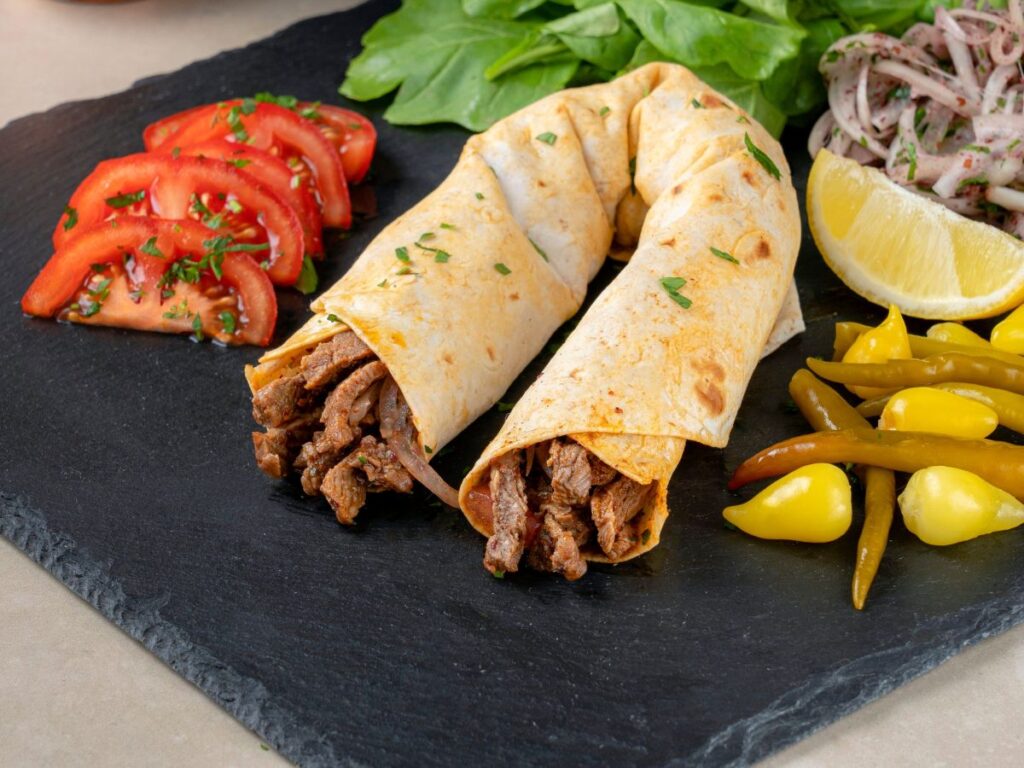
Mersin is famous for tantuni, one of Turkey’s most beloved street foods.
Thinly chopped beef is cooked rapidly on a hot metal pan with cottonseed oil, tomatoes, parsley, and spices before being wrapped in thin bread or served between loaves.
Tantuni emerged partly from working-class culture in southern Turkey. Historically, cheaper cuts of meat were chopped finely to make them more tender and affordable for laborers.
Even today, tantuni shops are fast-paced places where cooks move with incredible speed and precision. The sound of metal spatulas hitting hot pans is part of the identity of the dish itself.
Many tourists first discover tantuni expecting something similar to doner, but the flavor and texture are entirely different.
Southern Turkey is also famous for its rich culinary traditions, ancient cities, and unique regional culture.
Fish in Bread — Istanbul Between Sea and City
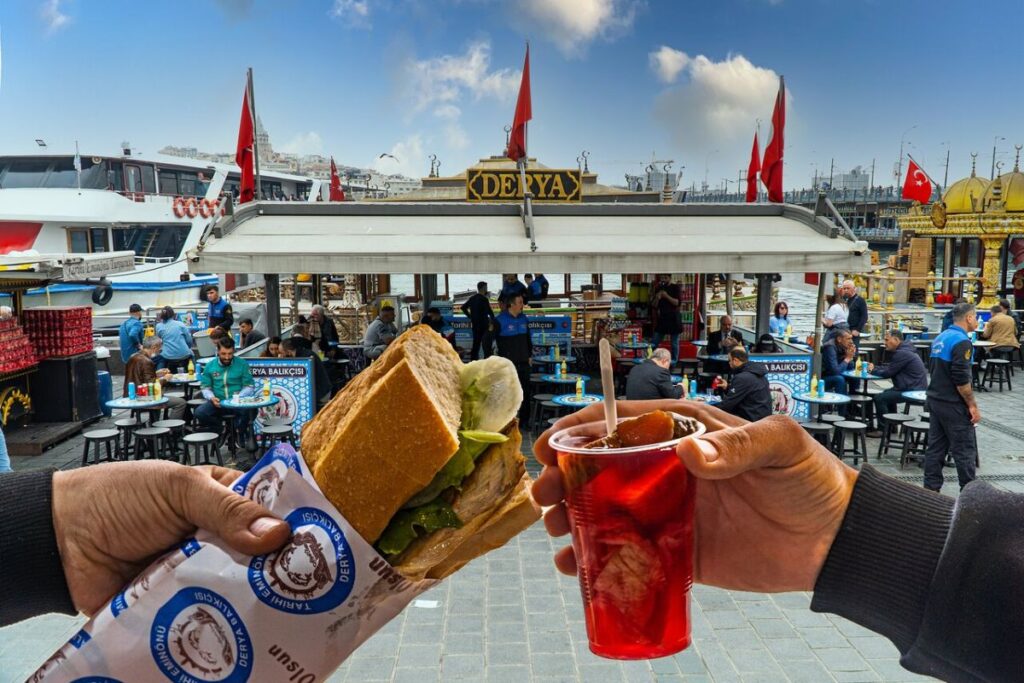
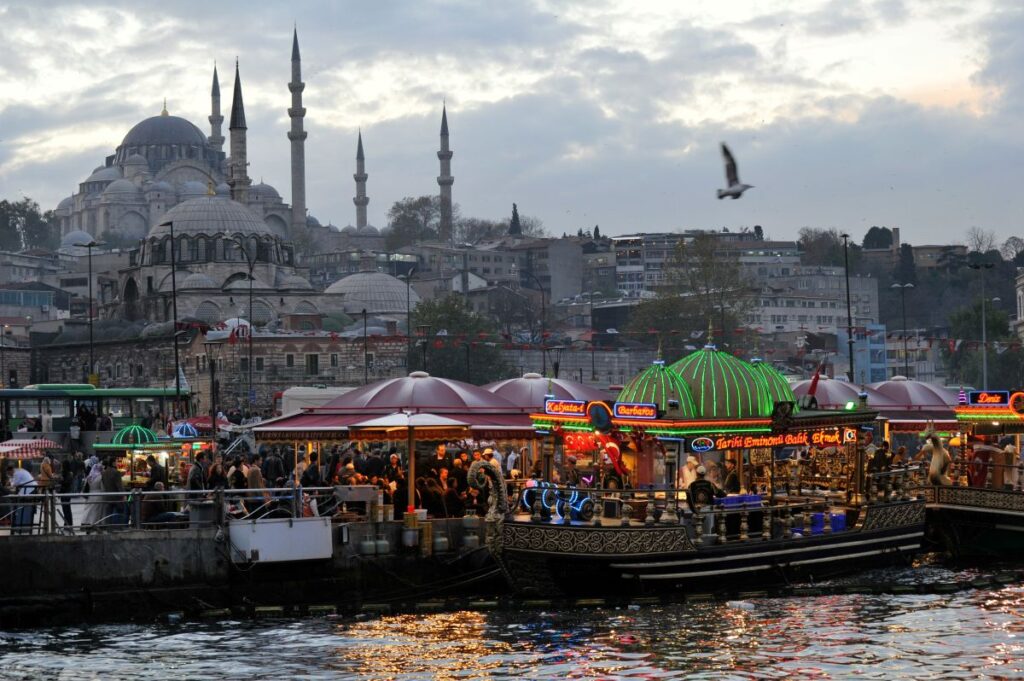
On the shores of Istanbul, especially near Eminönü, fish sandwiches known as balık ekmek have become an iconic part of the city’s identity.
Fresh grilled fish served inside bread with onions and salad may sound simple, but the experience reflects Istanbul’s relationship with the Bosphorus and the sea itself.
For centuries, Istanbul’s identity has been shaped by fishermen, ports, ferries, and maritime trade. Balık ekmek connects modern visitors with that living coastal culture.
Tourists often eat these sandwiches while watching ferries cross between Europe and Asia, surrounded by mosque silhouettes and the cries of seagulls overhead.
Cig Kofte — From Ancient Legends to Modern Street Food
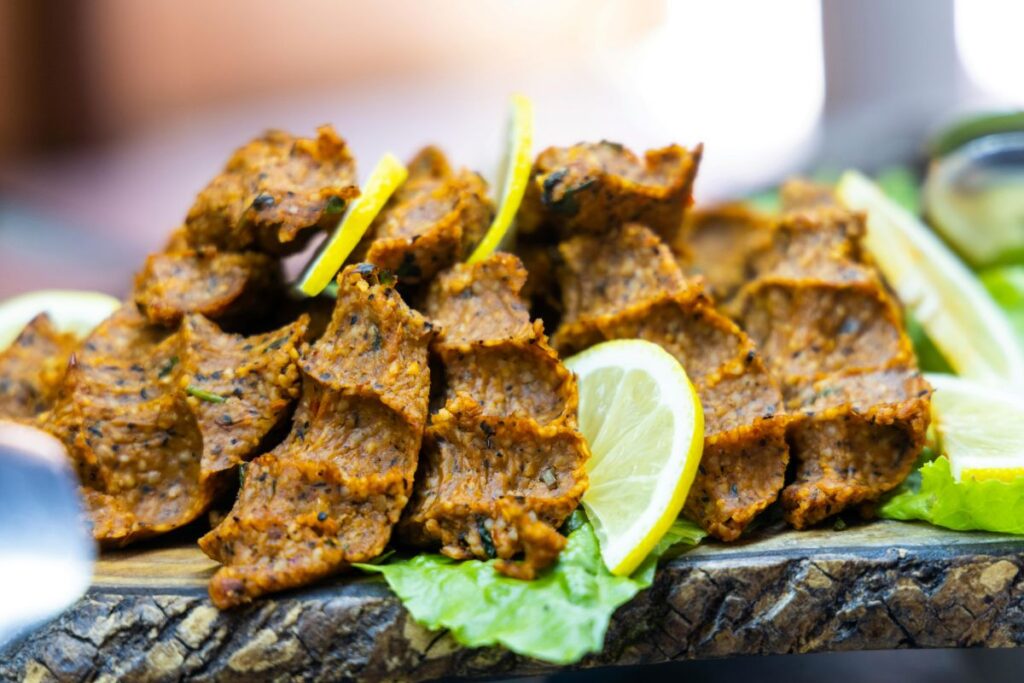
The story of cig kofte (raw meatball) begins in southeastern Anatolia and is deeply connected to the culinary traditions of Sanliurfa.
According to local legend, a hunter was forbidden from lighting fire during the reign of Nimrod. To prepare food, raw meat was kneaded with bulgur and spices until softened enough to eat.
Whether historically accurate or not, the story reflects how deeply food and mythology intertwine in Anatolia.
Traditional cig kofte originally contained raw meat, but modern commercial versions in Turkey are usually vegetarian due to food regulations.
Today, cig kofte shops are everywhere across Turkey, serving spicy bulgur mixtures wrapped in lettuce leaves with pomegranate syrup and lemon.
The transformation of cig kofte from ancient regional tradition into modern nationwide street food mirrors Turkey’s broader cultural evolution.
The culinary traditions of Sanliurfa are closely connected to the ancient history of Mesopotamia and southeastern Anatolia.
Wet Hamburger — Istanbul’s Late-Night Obsession
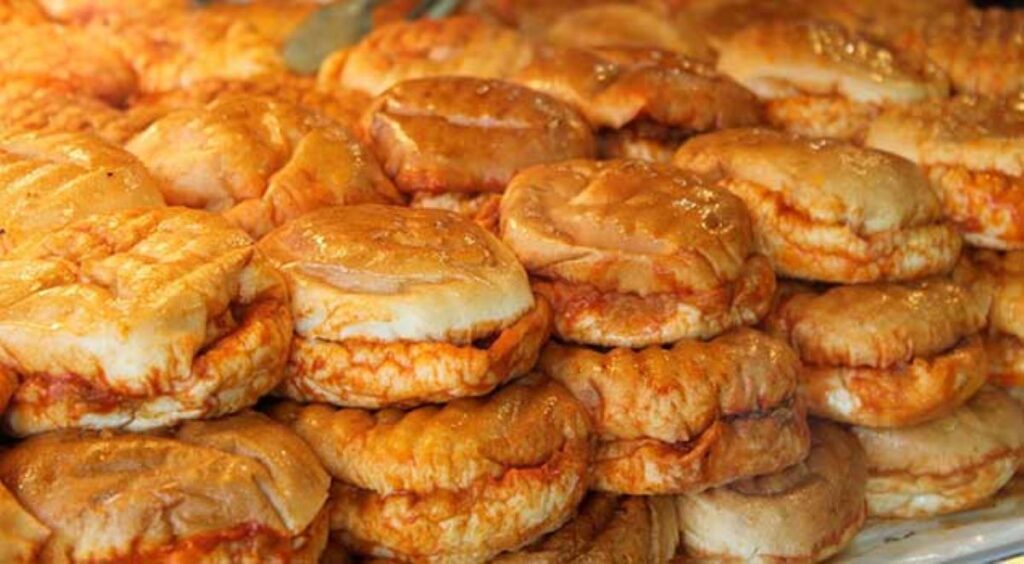
Near Taksim Square, small steamed burgers known as ıslak hamburger (“wet burger”) have achieved legendary status.
The burgers are stored inside heated glass cabinets filled with steam, giving the bread its soft texture and intense tomato-garlic flavor.
Many tourists initially laugh at the appearance of wet burgers. Then they try one — and immediately order another.
Islak hamburger is closely associated with Istanbul’s nightlife culture:
- late concerts,
- football matches,
- bars,
- crowded midnight streets.
It is not luxury food. It is urban comfort food.
Turkish Tea — The Invisible Heart of Street Culture
No discussion of Turkish street food culture is complete without tea.
Tea in Turkey is not simply a drink. It is hospitality, conversation, negotiation, routine, and social connection.
Tea appears everywhere:
- barbershops,
- markets,
- ferry terminals,
- carpet stores,
- village cafés,
- bus stations.
A tiny tulip-shaped glass of tea often accompanies business discussions, friendships, and even brief encounters between strangers.
For travelers, understanding Turkish tea culture means understanding something essential about Turkey itself:
people are expected to sit, talk, and share time together.
This may be one of the biggest differences between Turkey and faster-paced societies.
Tea culture remains one of the most important parts of daily life throughout Turkey, from Istanbul to small Anatolian towns.
Turkish tea culture has become an important part of daily social life across the country. Learn more on UNESCO’s official Intangible Cultural Heritage page: Tea Culture in Türkiye.
Sogus — One of Turkey’s Most Local Street Food Traditions
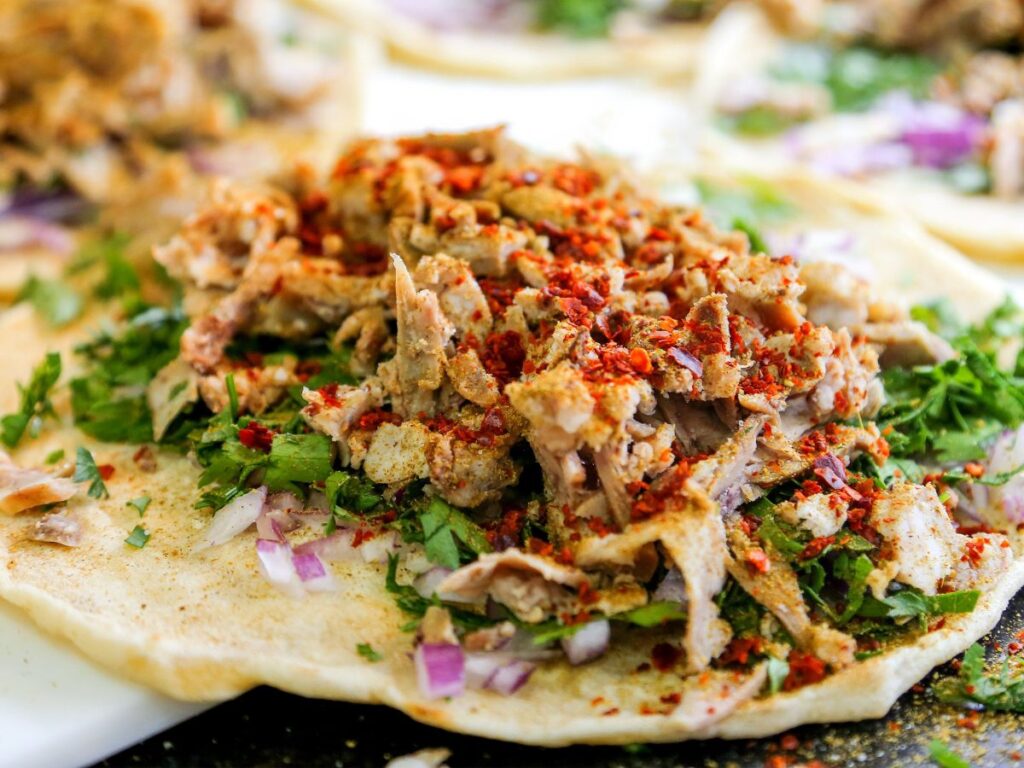
In Izmir, few street foods feel more deeply local than sogus.
Made from thinly sliced lamb head meat mixed with tomatoes, onions, parsley, and spices inside crisp bread, sogus is not designed for tourists. It belongs to neighborhood life, local habits, and generations of late-night eating culture.
Many foreign visitors are initially surprised when they learn what the sandwich contains. Yet for locals in Izmir, sogus is a source of pride and one of the city’s most distinctive culinary traditions.
Like kokorec, sogus reflects an older Anatolian and Ottoman understanding of food:
respect every part of the animal and waste nothing.
Its popularity also reveals something important about Turkish street food culture:
many of the country’s most beloved dishes were born not from luxury, but from practicality, resourcefulness, and working-class traditions.
Roasted Chestnuts — The Smell of Winter Streets
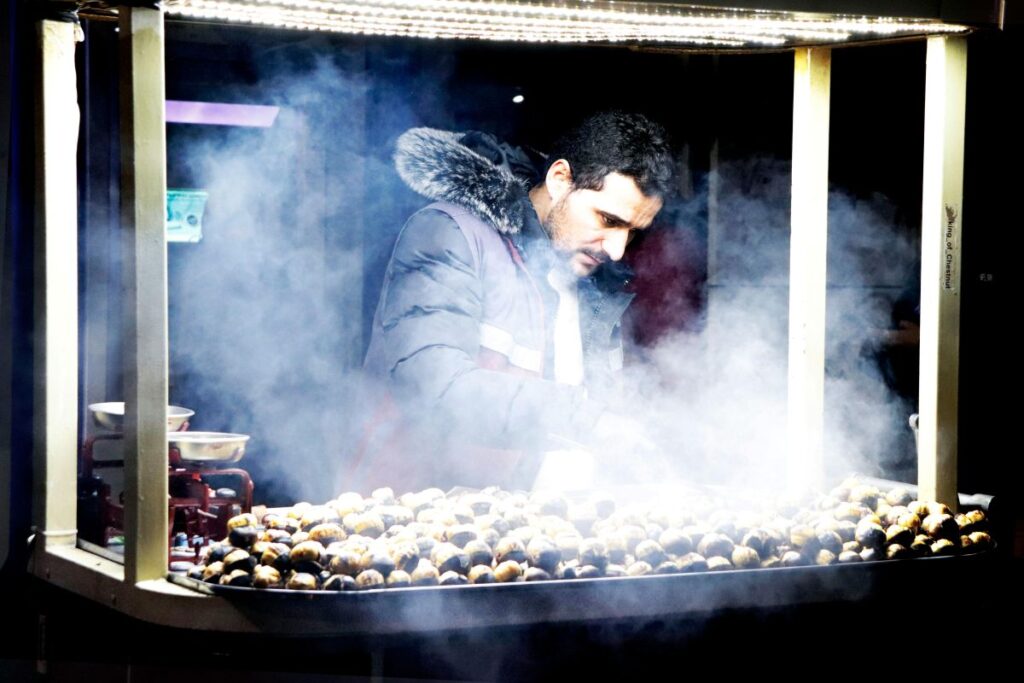
During winter, the streets of Istanbul fill with the smell of roasted chestnuts.
Small red carts stand on busy corners while vendors slowly roast kestane over hot metal drums. The scent drifts through cold evening air, mixing with rain, sea breeze, and traffic.
For many locals, roasted chestnuts are connected to memories of:
- ferry rides,
- winter walks,
- football nights,
- and crowded shopping streets.
Tourists often notice that Turkish street food culture changes with the seasons. In winter, chestnuts and hot salep replace cold summer snacks.
The experience is as important as the food itself.
Street Corn — Simple Food with a Bosphorus View
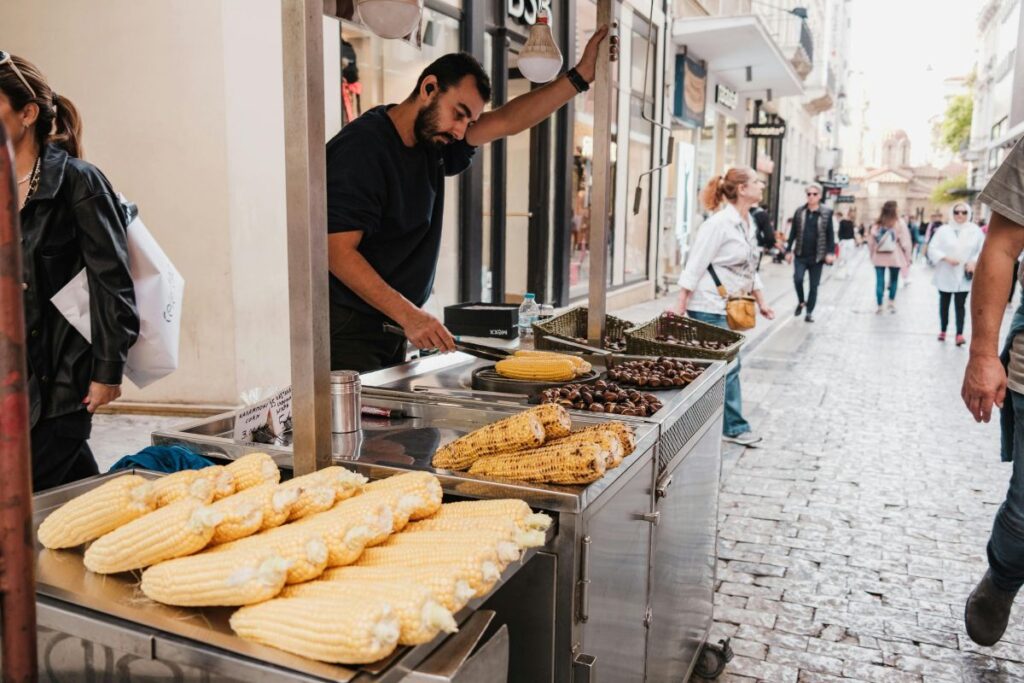
Corn sold from small street carts may seem simple at first glance, yet it is part of everyday life across Turkey.
Vendors typically offer:
- boiled corn,
- or roasted corn cooked over charcoal.
Along the Bosphorus, in parks, and near seaside promenades, eating corn while walking has become a familiar ritual for both locals and visitors.
In places like:
- Istanbul
- Izmir
- Antalya
street corn is less about culinary complexity and more about atmosphere:
the sea, conversation, and slow evening walks.
Pickle Juice — One of Turkey’s Most Unexpected Street Drinks
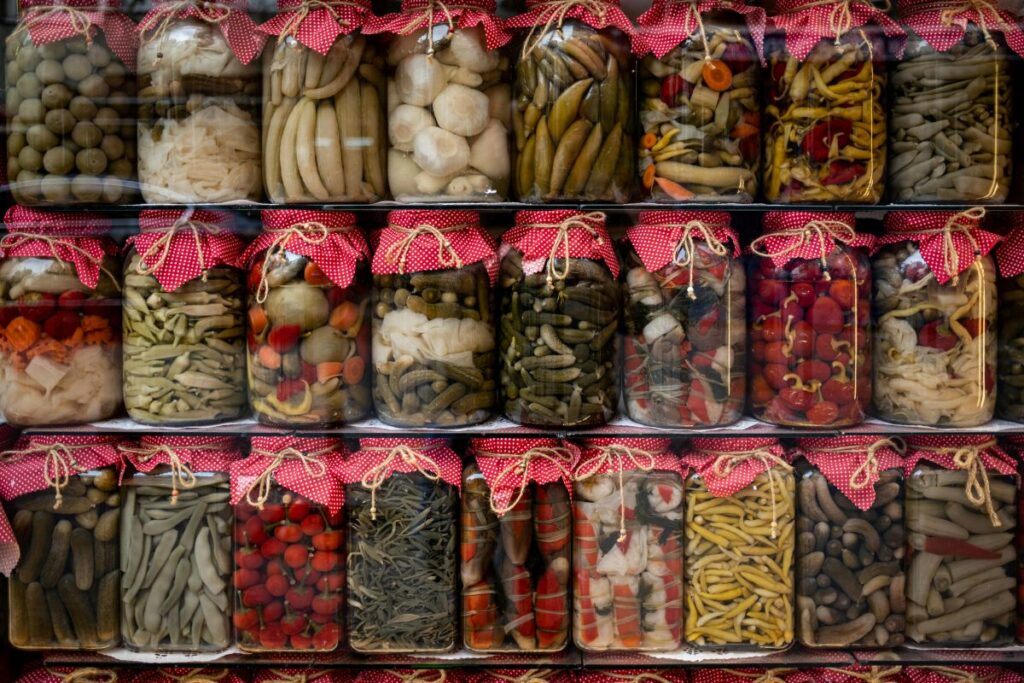
One of the most surprising experiences for many tourists is discovering people drinking pickle juice in the streets.
Known as turşu suyu, this salty and sour drink is especially popular in cities like Istanbul and Ankara.
Large barrels filled with pickled vegetables stand outside tiny shops while vendors pour bright-colored liquids into plastic cups.
For first-time visitors, the idea can sound unusual. For locals, however, turşu suyu is:
- refreshing,
- nostalgic,
- and strongly associated with traditional street food culture.
Many Turks also believe it helps digestion and restores energy.
Like many Turkish street flavors, it balances extremes:
salty, sour, sharp, and refreshing all at once.
Why Turkish Street Food Matters
Street food in Turkey is not separated from history or culture.
The flavors of modern Turkey were shaped by:
- Ottoman kitchens,
- Silk Road trade,
- nomadic traditions,
- Mediterranean agriculture,
- Balkan migrations,
- Middle Eastern spices,
- Anatolian village cooking.
Every simit cart, tea glass, ferry snack, and late-night grill reflects centuries of cultural exchange.
For travelers, eating Turkish street food is therefore not only about taste.
It is one of the most direct ways to experience the living culture of Turkey itself.
Final Thoughts
The best meals in Turkey are often not found inside luxury restaurants.
They are found:
- beside ferry docks,
- in crowded night streets,
- at smoky grills,
- in hidden local shops,
- and in conversations shared over tea.
From simit sellers in Istanbul to spicy çiğ köfte shops in Şanlıurfa, Turkish street food tells the story of a country shaped by empires, migration, trade, and hospitality.
For many visitors, these small everyday moments become the memories that stay longest after leaving Turkey.
You may also enjoy our guides to Turkish Food Guide, Biblical Sites in Turkey, Ancient Cities in Turkey, UNESCO World Heritage Sites in Turkey, and Essential Turkey Travel Tips.