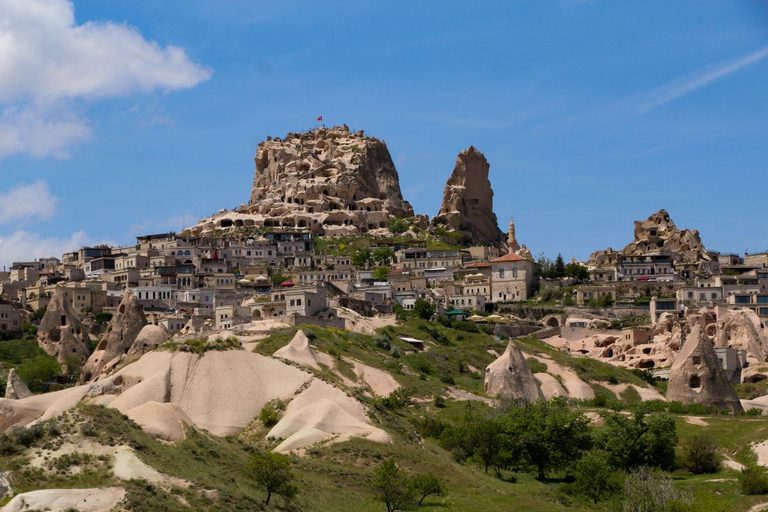
Cappadocia can feel like a quick stop on a Turkey itinerary, but the region is larger and more varied than many visitors expect. The familiar fairy chimneys around Göreme are only one part of the experience. A short drive can take you from rock-cut churches and panoramic valleys to an underground city, a riverside canyon, or a quiet village of historic stone houses.
For most travelers, two full days are enough to see Cappadocia’s main highlights at a sensible pace. With a third day, you can explore the quieter southern villages and archaeological sites. A fourth day gives you time for a longer walk or a more distant excursion without turning every day into a race.
How many days in Cappadocia should we stay in Cappadocia’s answer depends on how you travel. A rental car or private driver gives you more freedom to combine places. Organized tours make distant sites easier to visit, especially if you do not want to plan the transport yourself. For a broader overview of the region, see our Cappadocia Travel Guide and best things to do in Cappadocia.
Some links in this article are affiliate links. If you book through one of them, I may earn a commission at no extra cost to you. This helps support TripInTurkey and allows me to continue creating practical travel guides.
Quick answer: two, three, or four days?
- Two days: Göreme Open-Air Museum, Paşabağ, Devrent Valley and Avanos; then Ihlara Valley and one underground city.
- Three days: Add Mustafapaşa, Sobesos and Soğanlı Valley. Kaymaklı can be included, but the day becomes long; it may fit better on Day 2.
- Four days: Keep the southern route unhurried and add a hike in Gomeda Valley, or plan a separate excursion to Kültepe near Kayseri.
These are full sightseeing days. If your arrival or departure takes up part of a day, count only the time you can actually spend exploring.
Two days in Cappadocia
Day 1: Göreme Open-Air Museum, Paşabağ, Devrent Valley and Avanos
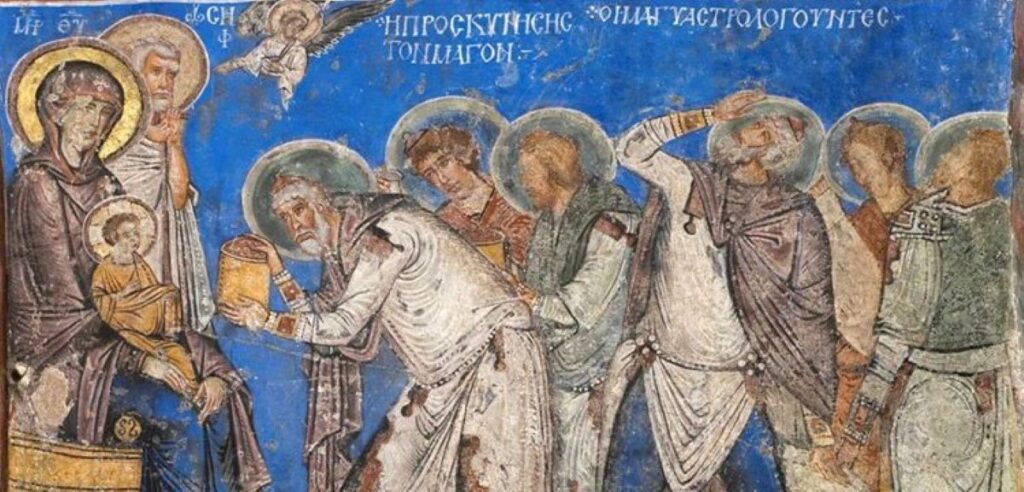
After breakfast, begin at the Göreme Open-Air Museum. This is a good first stop because it helps make sense of the landscape you will see throughout the region. The museum is a group of rock-cut religious spaces, including churches, chapels and monastic rooms. Inside, you can see how people shaped everyday and sacred spaces directly into the soft volcanic rock. The painted interiors also give you a reason to slow down: the churches are not simply caves to walk through, but rooms with different layouts, details and states of preservation.
Give the museum enough time to look beyond the most famous church. Then continue north toward Paşabağ, also known as Monks Valley. Here, tall, clustered rock formations rise from the fields, some with multiple caps that make them look almost architectural. It is one of the clearest places to see how erosion shaped Cappadocia’s familiar fairy-chimney landscape. Paths around the formations let you view them from different angles, so you do not need to rush from one photo stop to the next.
Next, visit Devrent Valley. The formations here are different: the valley is known for rocks whose outlines suggest animals and other familiar shapes. These are natural forms rather than carved monuments, and the fun is in looking carefully and deciding what you see. It is a short stop, but it offers a useful contrast to Paşabağ.
End the route in Avanos, a riverside town with a long tradition of pottery making. The red clay associated with the area comes from the Kızılırmak River, Turkey’s longest river. You can walk through the town, watch a potter work, or visit a workshop to see how the clay is shaped on a wheel. If you would like a guided day covering the northern Cappadocia sights, compare the stops and inclusions of this Cappadocia Red Tour before booking; tour itineraries can vary.
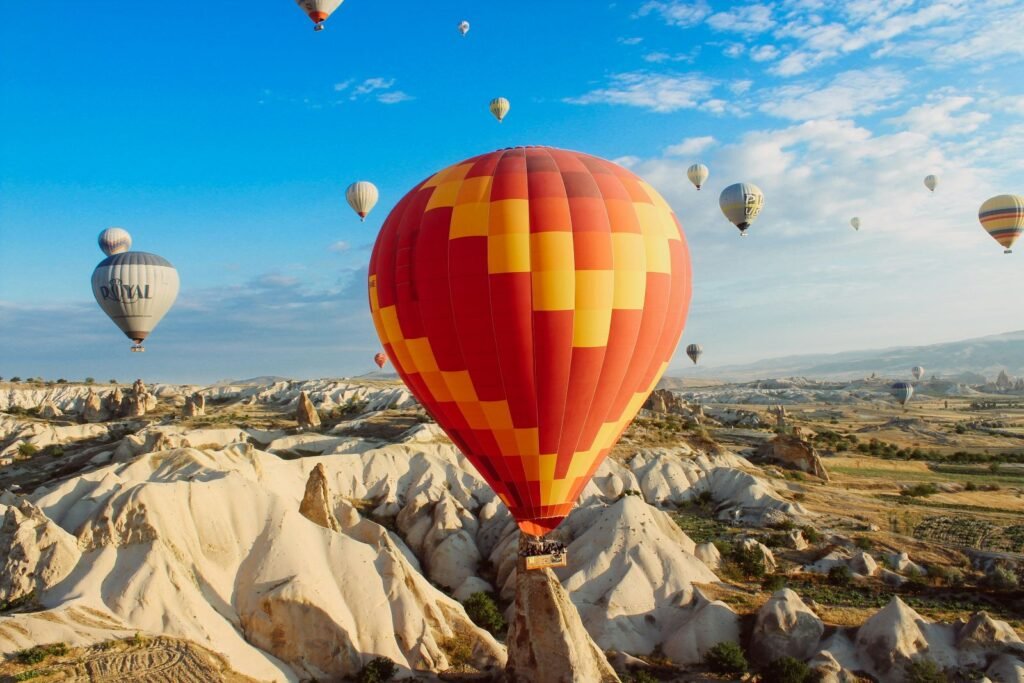
A sunrise balloon flight is an optional extra, not a requirement for enjoying the day. If you plan to fly, it usually means an early start before breakfast, so leave room to rest afterward. Flights depend on the daily aviation and weather assessment; a reservation alone does not guarantee that balloons will fly. You can check the details of this sunrise balloon flight, and read our Cappadocia Travel Guide for more planning advice.
Day 2: Ihlara Valley and an underground city
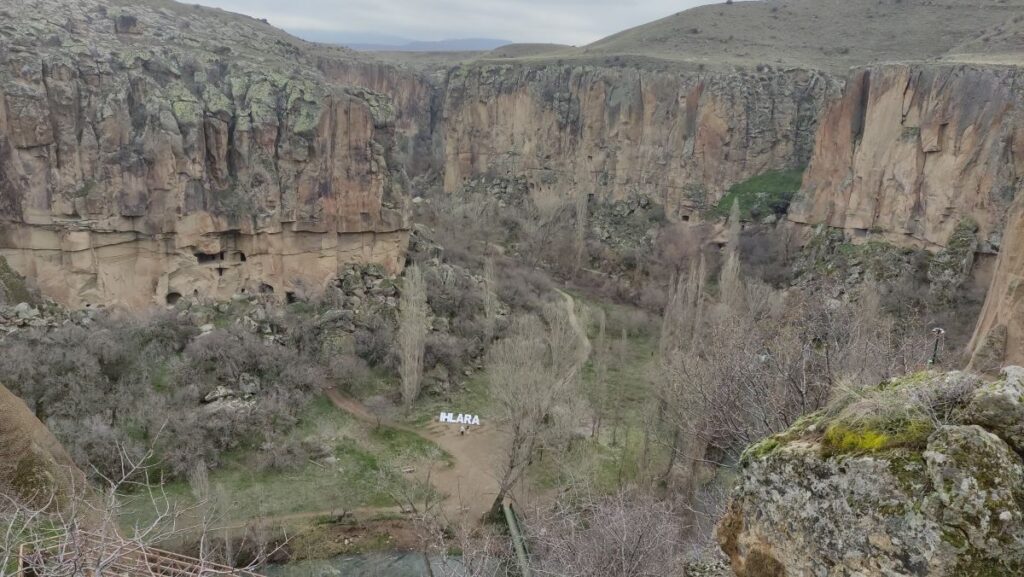
Day 2 takes you farther from Göreme, into a greener and more open landscape. Ihlara Valley is a deep canyon with a stream running along its floor. Walking down into it feels quite different from the dry valleys around Göreme: there are trees, shade, water and paths that follow the canyon between the cliffs.
You do not need to walk the entire valley to appreciate it. Choose a manageable section, allow time to look at the rock-cut churches along the route, and take a break by the river if conditions and opening arrangements allow. The walk involves steps and uneven ground, so wear comfortable shoes and bring water, particularly in the warmer months.
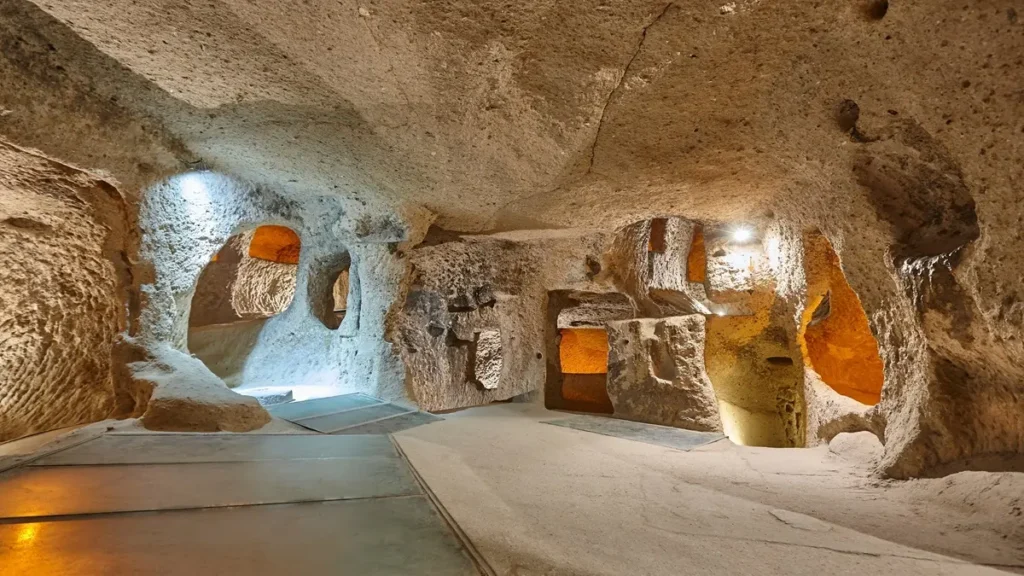
On the same day, visit Kaymaklı or Derinkuyu Underground City. These are extensive underground spaces with rooms and passages arranged across multiple levels. As you move through them, you will see how kitchens, storage areas, ventilation shafts and communal spaces were fitted into the rock. The passages can be narrow and low, which is part of the experience but may be uncomfortable for visitors with limited mobility or claustrophobia.
Both cities are interesting; you do not need to visit both on a two-day trip. Choose one, and leave enough time to explore it without watching the clock. Kaymaklı is a practical choice for this route. Derinkuyu is deeper and has some distinctive communal and religious spaces. Check the current museum information before setting out, since access and visiting arrangements can change.
This is a long day by road. Ihlara is roughly 80 km from Göreme, so expect a substantial drive in each direction, in addition to the walk and underground-city visit. If you would rather have transport and the main stops arranged, compare this Cappadocia Green Tour with the itinerary above and confirm exactly which underground city and other stops are included.
Three days in Cappadocia
Day 3: Mustafapaşa, Sobesos and Soğanlı Valley—with Kaymaklı as an ambitious addition
Use the third day to see a less familiar side of Cappadocia. Start in Mustafapaşa, a village of stone houses, churches and quiet lanes south of Ürgüp. It was formerly known as Sinasos, and its architecture reflects the area’s Greek Orthodox and Turkish communities. Rather than treating it as a quick photo stop, take time to notice the carved doorways, balconies and façades; they show a different kind of local history from the rock-cut sites around Göreme.
Continue toward Sobesos, near Şahinefendi. The archaeological site includes excavated buildings and mosaic floors, offering a change of scale and material from Cappadocia’s better-known churches carved into rock. It is a compact visit, but it helps show that the region’s past is not limited to cave settlements. Check access before you go, as archaeological-site conditions can change. The official museum listing places Sobesos in Şahinefendi, about 25 km from Ürgüp. muze.gov.tr
Then head to Soğanlı Valley. The valley’s paths lead past rock-cut churches, dovecotes and caves set among a rural landscape. Some churches are easy to spot; others take a little walking to reach. The visit is rewarding when you give yourself time to explore rather than trying to see every church in a hurry. You may also come across the handmade Soğanlı dolls associated with the village. GoTürkiye describes the area as a combination of rock churches, caves and inhabited village surroundings. GoTürkiye Destinations
You can add Kaymaklı Underground City to this day if you have a private vehicle, start early and are comfortable with a full schedule. But it makes the route more demanding. For a calmer three-day itinerary, visit Kaymaklı on Day 2 and keep Day 3 for Mustafapaşa, Sobesos and Soğanlı. The southern sites are best explored with a car, private driver or a tour that specifically includes them; do not assume that a standard Cappadocia tour visits every stop.
Four days in Cappadocia
Day 4 option 1: Walk Gomeda and Üzengi valleys
If you would like a slower day outdoors, consider Gomeda and Üzengi valleys, near Mustafapaşa. The route passes through a greener landscape, with a stream, rock-cut spaces, churches and dovecotes. It feels different from the more frequently visited viewpoints around Göreme, and the walk gives you time to experience the landscape instead of moving between stops by car.
This is a proper hike, not just a short viewpoint walk. The combined valley route is about 6 km, and the stream crossings can make footwear and conditions important. Ask locally about the route before setting off, especially after rain or when water levels are higher. The regional tourism authority notes that the walk includes repeated stream crossings and can take around four hours at a relaxed pace. Kapadokya Turizm Bölgesi Altyapı Hizmet Birliği
You can pair the walk with a meal or an unhurried visit to Mustafapaşa if you did not have time there on Day 3. Bring water and wear shoes suitable for uneven ground.
Day 4 option 2: Kültepe-Kanesh near Kayseri
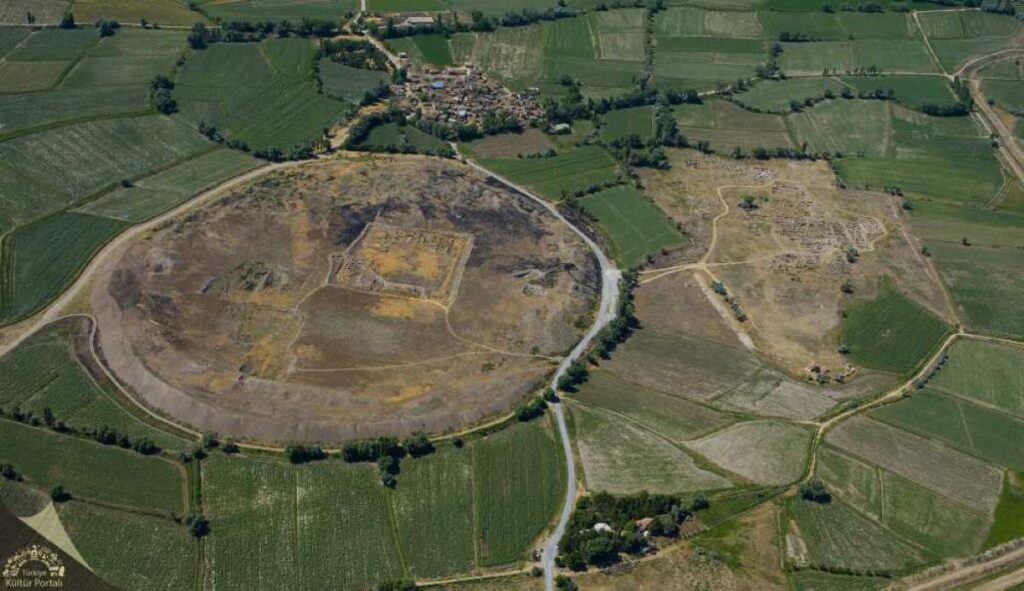
Travelers with a particular interest in archaeology may prefer Kültepe-Kanesh, near Kayseri. It is outside the usual Göreme–Ürgüp sightseeing loop, so treat it as a separate excursion rather than a small stop to squeeze between Cappadocia’s valleys. The site is about 20 km northeast of Kayseri and is associated with the ancient city of Kanesh and the Assyrian trading-colony network. Its cuneiform tablets record the business and daily concerns of people who lived and traded there thousands of years ago. muze.gov.tr
Kültepe makes the most sense if you have a car, are spending time in Kayseri, or can arrange a driver. If you are flying from Kayseri, check the journey and site hours carefully before making it part of your departure day.
Is one day in Cappadocia enough?
One day is enough for a first impression, but it means choosing between the northern highlights and a longer southern excursion. You could visit Göreme Open-Air Museum, Paşabağ, Devrent and Avanos, or join a full-day tour that covers a different route. Trying to add Ihlara Valley or Soğanlı to that same day would leave little time to enjoy any of the stops.
If you only have one day, stay overnight nearby if your schedule allows. That gives you the option of a sunrise balloon flight and avoids spending most of your short visit traveling to and from the region.
Where should you stay?
For a first visit, Göreme is convenient for tours, restaurants and the central valleys. Ürgüp has a more town-like feel and works well for visitors planning to explore Mustafapaşa and the southern route. Uçhisar is quieter and known for its elevated views, while Avanos can suit travelers interested in pottery and a less tour-focused base.
Your choice of accommodation affects how easily you can reach early-morning activities and evening meals. For help comparing areas and planning transport, see our guides to getting around Turkey and Turkey travel costs.
So, how many days should you spend in Cappadocia?
For most first-time visitors, two full days are a good minimum: one for Göreme and the northern sights, and one for Ihlara Valley and an underground city. Choose three days if you want to include the quieter southern villages and archaeological sites. Stay four days if you enjoy walking, want more unstructured time, or plan a separate trip to Kültepe near Kayseri.
Cappadocia rewards a little breathing room. The rock formations, churches and villages make more sense when you have time to look around, pause for a meal and take the road at a comfortable pace. If you are building a longer Turkey trip, our guides to how many days to spend in Turkey and the 10-day Turkey itinerary can help you fit Cappadocia into the rest of your route.