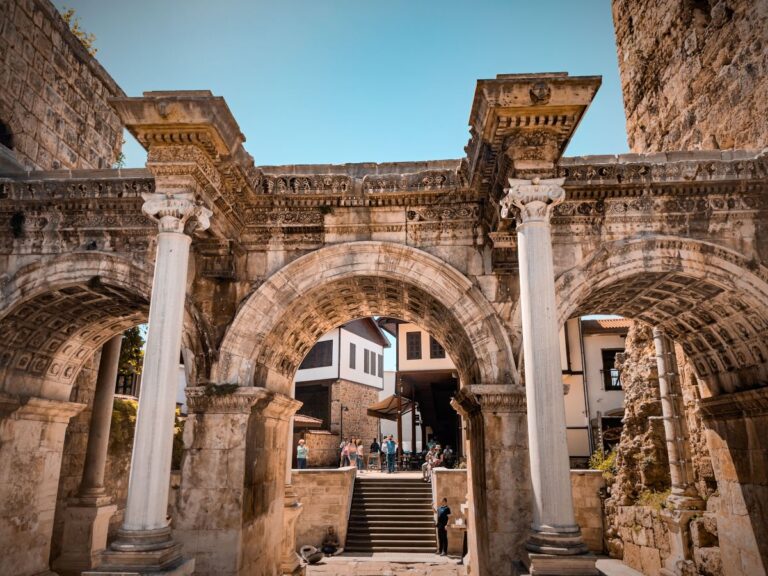
Turkey is often celebrated for its ancient cities, UNESCO World Heritage Sites, and rich cultural heritage, but it is also one of the most rewarding hiking destinations in the world. Stretching from the turquoise Mediterranean coast to the snow-capped peaks of Eastern Anatolia, Turkey offers an astonishing variety of landscapes for walkers and trekkers.
Whether you dream of following long-distance trails such as the Lycian Way, exploring the fairy-tale valleys of Cappadocia, or trekking through the alpine scenery of the Kaçkar Mountains, Turkey provides unforgettable hiking experiences for every level.
Many trails combine spectacular natural scenery with archaeological sites, traditional villages, and layers of history spanning thousands of years.
In this guide, you will discover the best hiking trails in Turkey and learn why the country is one of Europe and the Middle East’s most exciting destinations for outdoor adventure.
Why Turkey Is a Fantastic Hiking Destination
Turkey is uniquely positioned at the crossroads of Europe and Asia, and this geography has created an extraordinary diversity of landscapes and ecosystems. Within a single country, hikers can walk along dramatic coastal cliffs, through volcanic valleys, across alpine meadows, and among the ruins of ancient civilizations.
Several factors make Turkey especially attractive for hikers:
- Exceptional landscape diversity — Mediterranean coastlines, canyons, mountains, plateaus, forests, and high-altitude lakes.
- Long-distance marked trails — internationally recognized routes such as the Lycian Way and St. Paul Trail.
- Mild climate in many regions — ideal for spring and autumn trekking.
- Historical depth — many trails pass Roman roads, Byzantine churches, Lycian tombs, and traditional villages.
- Warm hospitality — rural communities often welcome hikers with tea and local food.
- Excellent value — compared with many European trekking destinations, Turkey offers outstanding experiences at relatively affordable prices.
For travelers who love both nature and culture, few countries provide such a compelling combination.
Best Time for Hiking in Turkey
The best season depends on the region and elevation.
Spring (April–June)
The most pleasant season in much of the country. Wildflowers bloom, temperatures are comfortable, and mountain passes begin to open.
Autumn (September–November)
Another ideal period, especially for coastal and inland routes. The weather is generally stable and crowds are smaller.
Summer (July–August)
Suitable for high mountain regions such as the Kaçkar Mountains and Aladağlar National Park, but often too hot for Mediterranean coastal trails.
Winter (December–March)
Limited to selected lower-elevation routes and weather-dependent day hikes.
1. Lycian Way
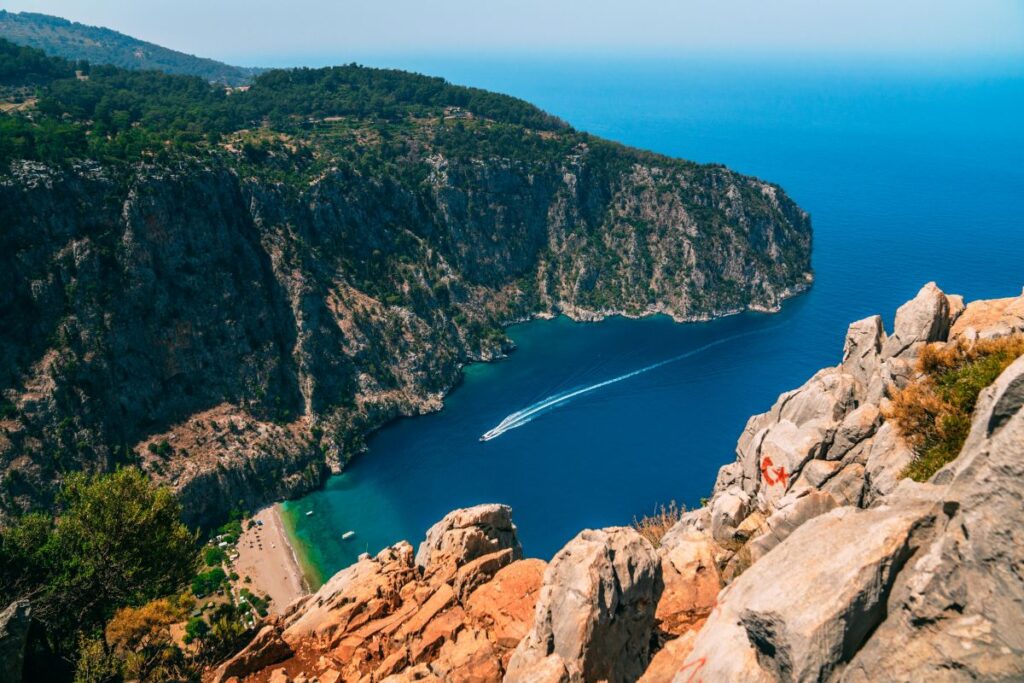
Lycian Way is Turkey’s most famous long-distance hiking trail and one of the world’s great trekking routes. Stretching for more than 500 kilometers between Fethiye and Antalya, it follows ancient footpaths through pine forests, mountain villages, and spectacular coastal scenery.
The route passes many important archaeological sites, including Xanthos-Letoon, Patara, and Olympos.
Highlights
- Turquoise Mediterranean views
- Lycian rock tombs and ancient cities
- Traditional villages and guesthouses
- Flexible stages for both short and long hikes
Best Time to Hike
April–June and September–November
Difficulty
Moderate to challenging
Why It Matters
The Lycian Way combines world-class coastal scenery with thousands of years of history, making it one of the finest hiking experiences in the Mediterranean.
The Lycian Way was created by British-Turkish travel writer Kate Clow and is widely recognized as one of the world’s great long-distance hiking routes. For detailed stage information and maps, visit the official Culture Routes Society website: The Lycian Way.
2. Cappadocia Valleys
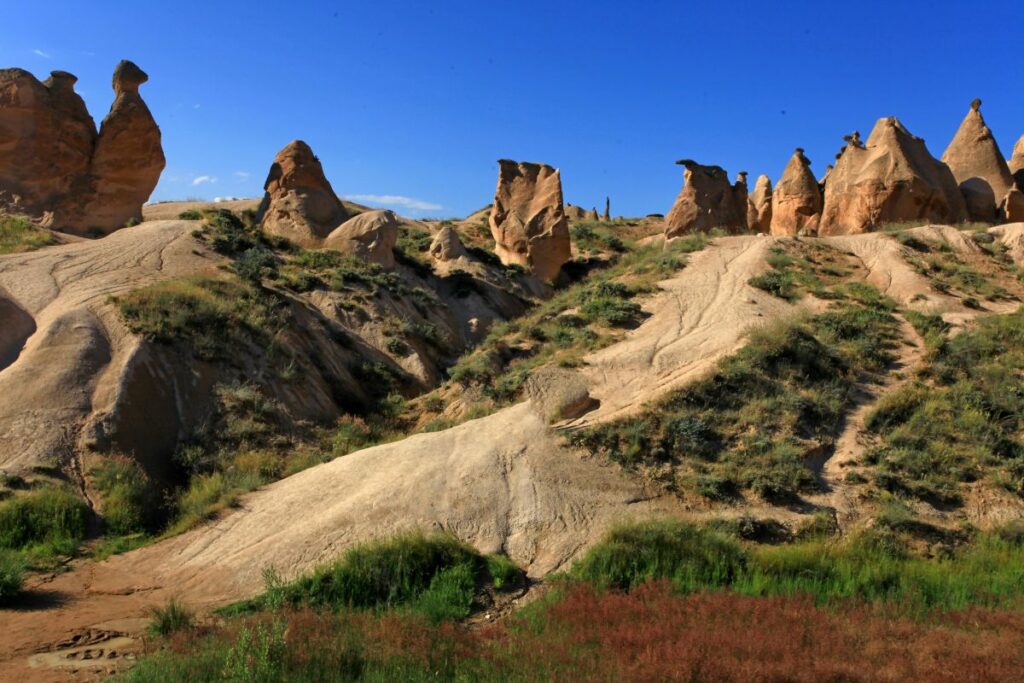
Cappadocia is best known for its fairy chimneys and hot air balloons, but it is also one of Turkey’s most rewarding destinations for day hiking. A network of well-marked trails winds through volcanic valleys, rock-cut churches, cave dwellings, and hidden monasteries, offering an extraordinary blend of nature and history.
Unlike long-distance trekking routes, Cappadocia is ideal for travelers who want to combine comfortable accommodations with unforgettable daily walks. Many of the region’s most beautiful valleys can be explored in a few hours, making it perfect for both casual walkers and experienced hikers.
Best Valleys for Hiking
- Rose Valley
- Red Valley
- Pigeon Valley
- Love Valley
- Zemi Valley
- Ihlara Valley
Highlights
- Unique volcanic landscapes
- Rock-cut Byzantine churches and monasteries
- Spectacular sunrise and sunset viewpoints
- Excellent options for half-day and full-day hikes
Best Time to Hike
April–June and September–November
Difficulty
Easy to moderate
Why It Matters
Few places in the world offer such a remarkable combination of geology, archaeology, and living cultural heritage. Hiking through Cappadocia allows travelers to experience hidden valleys, ancient Christian sanctuaries, and some of the most distinctive landscapes on Earth.
Planning a visit? Explore our detailed guides to Cappadocia, including Best Things to Do in Cappadocia and How Many Days in Cappadocia.
3. St. Paul Trail
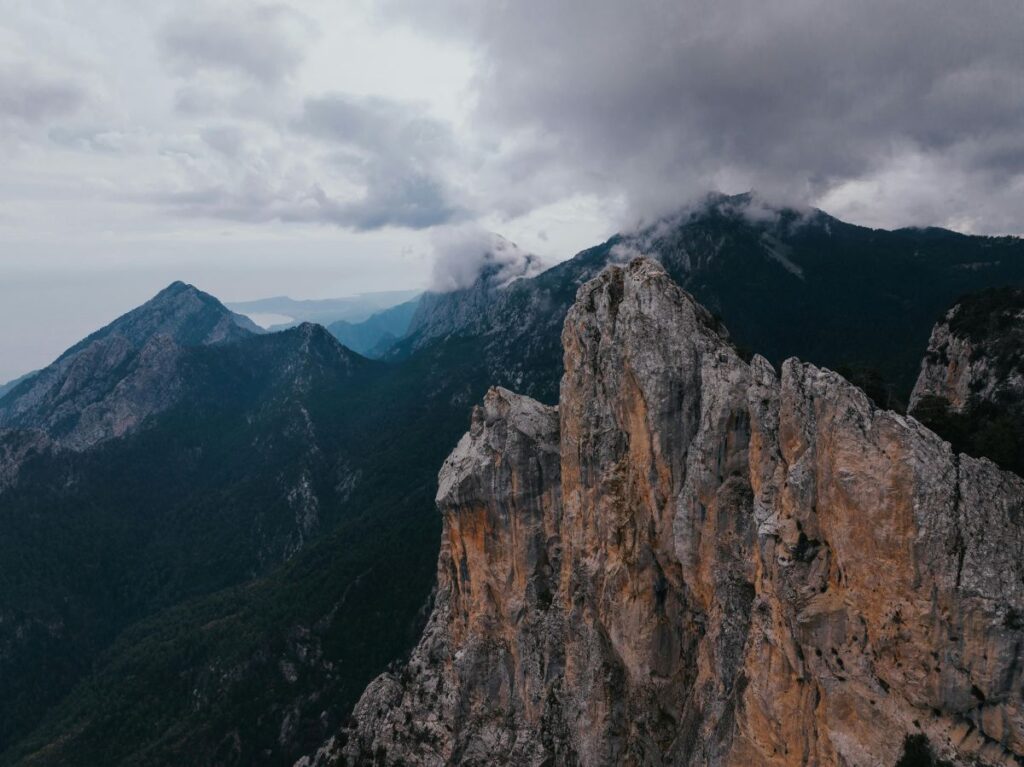
St. Paul Trail is one of Turkey’s most fascinating long-distance hiking routes, combining dramatic mountain scenery with profound historical and spiritual significance. Inspired by the journeys of Paul the Apostle, the trail follows ancient Roman roads and traditional footpaths from the Mediterranean coast into the rugged interior of southern Anatolia.
Developed by Kate Clow, the St. Paul Trail extends for approximately 500 kilometers and consists of two principal branches beginning near Perge and leading toward Yalvaç, close to the ancient city of Pisidian Antioch.
The route passes through pine forests, limestone canyons, high mountain plateaus, and remote villages where traditional rural life remains largely unchanged. Along the way, hikers encounter Roman bridges, ancient roads, and landscapes that evoke the world of the New Testament.
Highlights
- Historic connection to the missionary journeys of St. Paul
- Ancient Roman roads and archaeological sites
- Mountain scenery and authentic village life
- Far fewer crowds than the Lycian Way
Best Time to Hike
April–June and September–October
Difficulty
Moderate to challenging
Why It Matters
The St. Paul Trail offers one of Turkey’s most meaningful and adventurous trekking experiences. It is ideal for travelers who want to combine physical challenge, natural beauty, and the historical landscapes of early Christianity.
To explore the biblical context of this region, read our 10 Day Biblical Turkey Itinerary.
4. Kackar Mountains
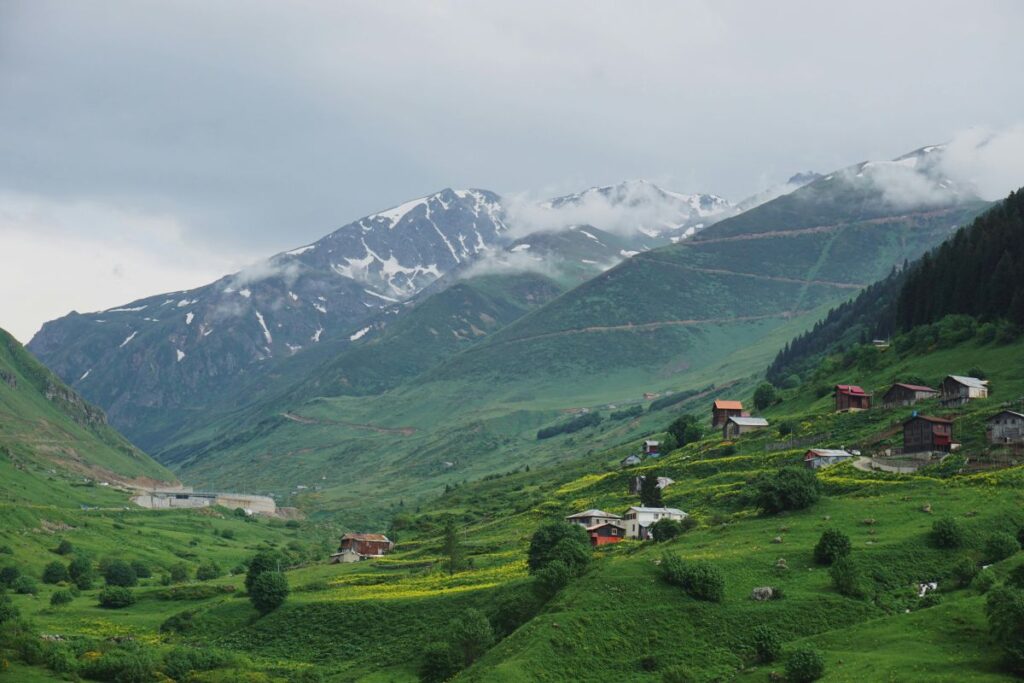
Kackar Mountains are among the most spectacular alpine hiking destinations in Europe and the Near East. Rising dramatically above the lush Black Sea coast, this rugged mountain range forms part of the Kaçkar Mountains National Park and offers a breathtaking landscape of glacial lakes, wildflower meadows, high passes, and traditional yayla (summer pasture) villages.
The highest summit, Mount Kackar, reaches 3,937 meters and attracts both trekkers and mountaineers from around the world. Multi-day routes connect remote valleys such as Ayder, Yukari Kavrun, and Olgunlar, revealing some of Turkey’s most pristine and dramatic mountain scenery.
The cultural experience is equally memorable. Hikers encounter wooden houses, stone bridges, and communities that continue to practice transhumance, moving livestock to high pastures during the summer months.
Highlights
- Glacial lakes and snow-capped peaks
- Rich biodiversity and alpine flora
- Authentic Black Sea mountain culture
- Exceptional summer trekking opportunities
Best Time to Hike
July–September
Difficulty
Moderate to strenuous
Why It Matters
The Kackar Mountains offer a level of alpine beauty that rivals the Alps and the Caucasus. For hikers seeking dramatic landscapes, cool summer temperatures, and immersive cultural experiences, this region is one of the finest trekking destinations in Turkey.
5. Mount Ararat
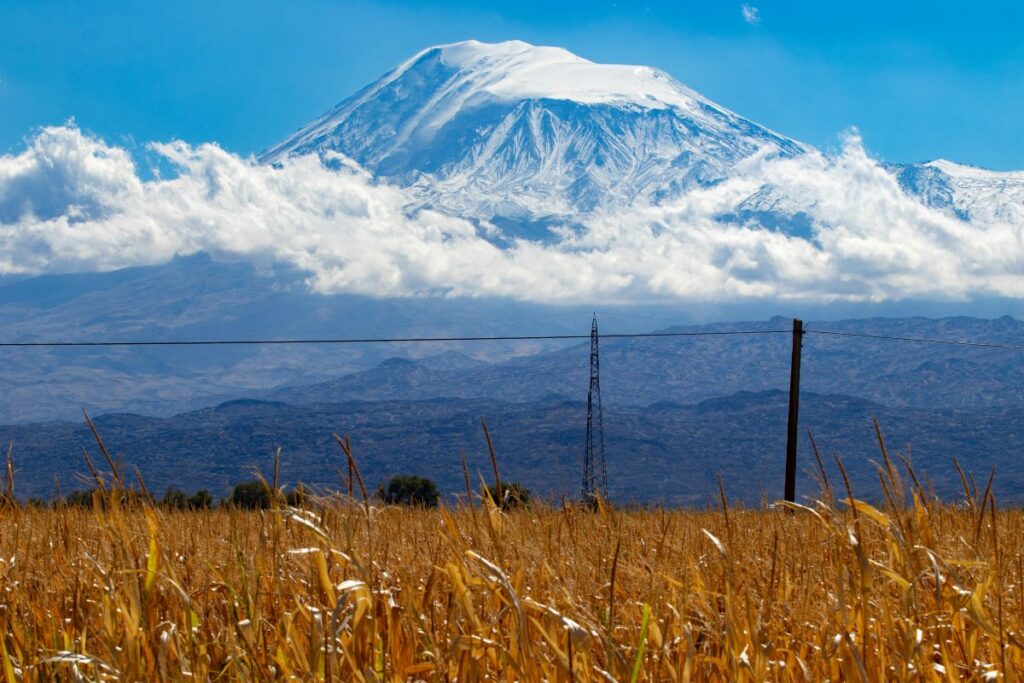
Mount Ararat is the highest mountain in Turkey, rising to 5,137 meters above sea level near the borders of Armenia and Iran. This massive dormant volcano dominates the landscape of eastern Anatolia and holds deep significance in both mountaineering and religious tradition.
According to the Book of Genesis, the Ark of Noah came to rest “on the mountains of Ararat,” making the region one of the most symbolically important destinations for many Christian and Jewish travelers.
Climbing Mount Ararat is a demanding multi-day expedition that typically requires four to five days, including acclimatization and a summit attempt. Trekkers ascend through broad volcanic slopes and high camps before reaching one of the most spectacular viewpoints in the Middle East.
Highlights
- Turkey’s highest summit
- Extraordinary panoramic views
- Biblical and historical significance
- One of the most iconic trekking goals in the region
Best Time to Hike
July–September
Difficulty
Strenuous
Important Note
Climbing Mount Ararat requires permits and is generally undertaken with licensed local guides and organized trekking operators.
Why It Matters
Mount Ararat combines epic scenery, physical challenge, and profound symbolic resonance. For experienced trekkers, it is one of the most memorable mountain adventures in Turkey and the wider region.
6. Aladaglar National Park
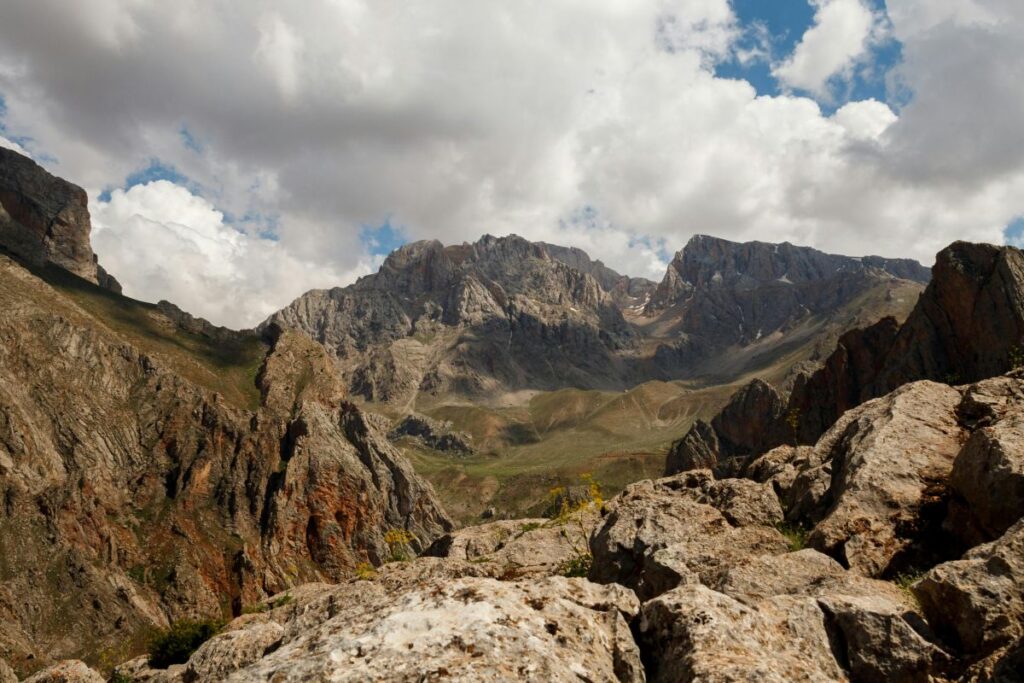
Aladaglar National Park is often referred to as the “Alps of Turkey,” and for good reason. This rugged section of the Taurus Mountains offers some of the finest mountain trekking, rock climbing, and wilderness camping opportunities in the country.
Jagged limestone peaks, deep valleys, alpine meadows, and crystal-clear streams create a dramatic landscape that attracts experienced hikers and mountaineers from around the world. The region is particularly famous for the Yedigöller Plateau, a breathtaking high-altitude area dotted with small glacial lakes and surrounded by soaring summits.
Popular trekking routes begin from villages such as Cukurbag and Demirkazik and lead to mountain refuges, hidden lakes, and spectacular viewpoints. Mount Demirkazik, the highest peak in the range, is one of Turkey’s most iconic mountains.
Highlights
- Dramatic limestone peaks and alpine scenery
- Exceptional multi-day trekking opportunities
- Wildflower-filled meadows and glacial lakes
- World-class climbing and mountaineering
Best Time to Hike
June–September
Difficulty
Moderate to strenuous
Why It Matters
Aladaglar offers some of the most impressive mountain landscapes in Turkey and remains relatively under the radar compared with more famous European trekking destinations. For outdoor enthusiasts seeking wilderness, adventure, and stunning scenery, it is one of the country’s greatest natural treasures.
7. Kaz Mountain (Mount Ida)
Mount Ida (Kaz Maountains) is one of Turkey’s most atmospheric hiking destinations, combining dense forests, mountain streams, and a rich layer of mythology. In ancient literature, this mountain was known as Mount Ida and was revered in Greek mythology as the place where the gods watched the Trojan War.
Located between the Aegean coast and the Gulf of Edremit, Kaz Mountains National Park is celebrated for its exceptional biodiversity, clean air, and extensive hiking opportunities. Trails wind through pine and fir forests, waterfalls, and traditional villages, offering refreshing alternatives to Turkey’s more arid landscapes.
The mountain is closely associated with the stories of Homer and the legends surrounding The Trojan War. According to mythology, Paris of Troy judged the beauty contest between Hera, Athena, and Aphrodite here, setting in motion the events that led to the war.
Highlights
- Forested mountain landscapes and waterfalls
- Rich biodiversity and excellent air quality
- Strong connections to Greek mythology
- Pleasant day hikes and nature walks
Best Time to Hike
April–June and September–November
Difficulty
Easy to moderate
Why It Matters
Kaz Mountains offers a rare combination of natural beauty, mythology, and tranquility. For hikers seeking cooler forests and culturally meaningful landscapes, it is one of the most rewarding destinations in western Turkey.
8. Frig Valley (Phrygian Valley)
Phrygian Valley is one of Turkey’s most underrated hiking destinations, where dramatic volcanic formations, rock-cut monuments, and ancient roads create an extraordinary landscape for exploration.
This vast cultural region was once the heartland of the Phrygian Kingdom and is closely associated with King Midas. Over centuries, Phrygians, Romans, Byzantines, and later communities carved churches, tombs, and dwellings into the soft rock.
The most iconic monument is the Midas Monument, a massive rock façade covered with intricate geometric patterns and believed to have been used as a cult monument.
Marked trekking and cycling routes pass through valleys, forests, and isolated villages, making the region ideal for travelers who want to combine outdoor adventure with archaeology and mythology.
Highlights
- Monumental Phrygian rock-cut architecture
- Extensive marked hiking trails
- Quiet landscapes and traditional villages
- Deep connections to Anatolian history
Best Time to Hike
April–June and September–October
Difficulty
Easy to moderate
Why It Matters
The Phrygian Valley offers a unique blend of nature and ancient history in a setting that remains largely undiscovered by international travelers. For hikers who enjoy archaeology as much as scenery, it is one of Turkey’s most rewarding hidden gems.
9. Kure Mountains National Park
Kure Mountains National Park is one of Turkey’s most biodiverse protected areas and a paradise for hikers seeking dense forests, deep canyons, and unspoiled wilderness. Located in the western Black Sea region, the park preserves one of the best remaining temperate forest ecosystems in Europe.
The landscape features dramatic limestone gorges, waterfalls, caves, and old-growth forests that support a remarkable variety of plant and animal species. Well-known highlights include Valla Canyon, one of the deepest canyons in Turkey, and the scenic trails around Horma Canyon.
Highlights
- Ancient forests and exceptional biodiversity
- Spectacular canyon landscapes
- Quiet, uncrowded hiking routes
- Excellent eco-tourism opportunities
Best Time to Hike
May–October
Difficulty
Easy to moderate
Why It Matters
Kure Mountains National Park offers one of the most pristine wilderness experiences in Turkey. For hikers who appreciate forests, canyons, and conservation-oriented travel, it is an outstanding destination in the Black Sea region.
10. Butterfly Valley
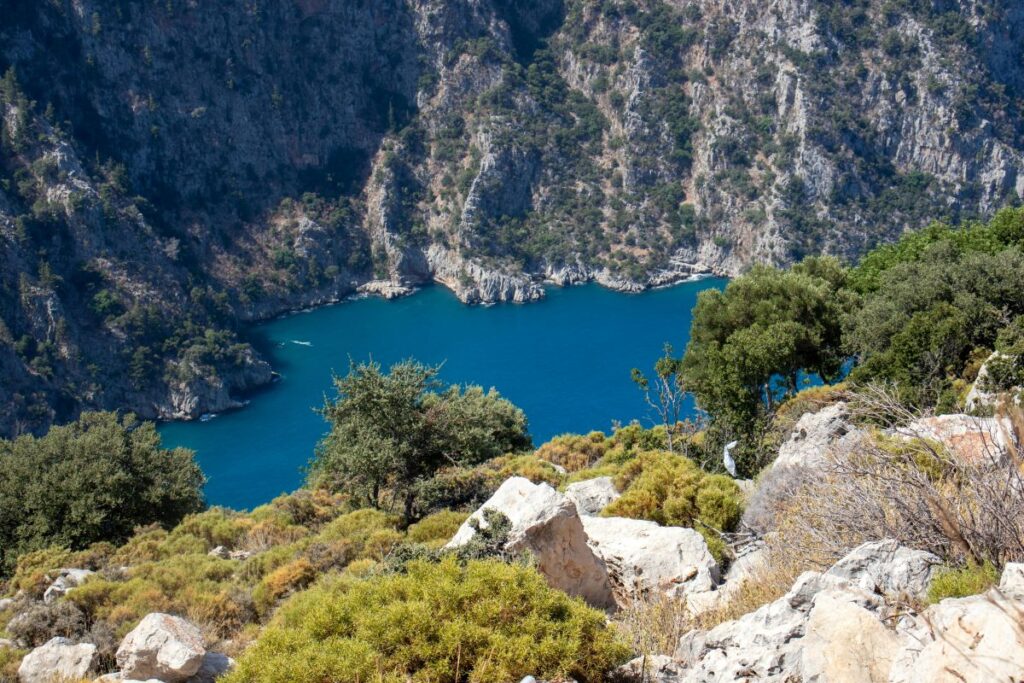
Butterfly Valley is one of the most scenic coastal hiking destinations in Turkey. Surrounded by steep cliffs along the turquoise Mediterranean coast, this protected valley is famous for its dramatic natural beauty, crystal-clear waters, and peaceful atmosphere.
Accessible primarily by boat from Oludeniz or via steep hiking paths, Butterfly Valley offers short but memorable trekking opportunities through pine forests, streams, and rocky terrain. During certain seasons, visitors may also encounter the rare Jersey tiger butterfly species that gave the valley its name.
The surrounding region is also connected to sections of the Lycian Way, making Butterfly Valley a rewarding stop for long-distance hikers exploring Turkey’s Mediterranean coast.
Highlights
- Stunning Mediterranean scenery
- Secluded beaches and cliffs
- Access to Lycian Way trails
- Relaxed atmosphere and camping opportunities
Best Time to Hike
April–June and September–October
Difficulty
Moderate
Why It Matters
Butterfly Valley combines coastal adventure with spectacular scenery and is one of the most photogenic hiking destinations in Turkey. For travelers seeking nature, sea views, and a more relaxed trekking experience, it is an unforgettable stop along the Turkish Riviera.
11. Yedigoller National Park
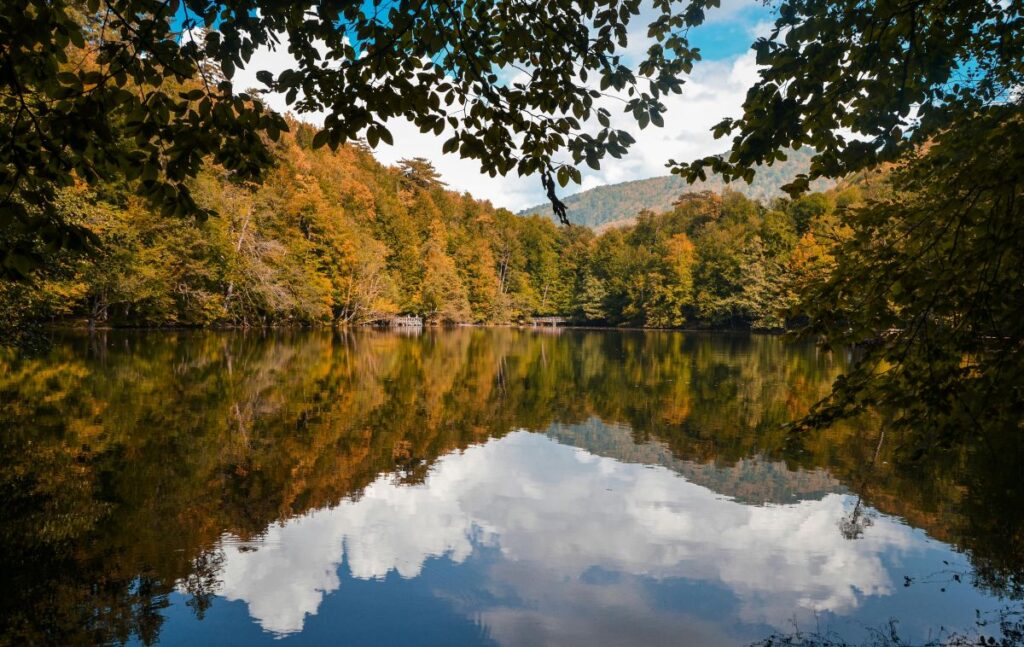
Yedigoller National Park is one of Turkey’s most picturesque forest landscapes and an ideal destination for leisurely hikes surrounded by lakes, beech forests, and rich autumn colors. The park takes its name from seven interconnected lakes formed by landslides and is especially famous for its tranquil atmosphere.
Well-maintained walking paths wind around the lakes and through dense woodlands, making the area suitable for hikers of all ages and experience levels. In autumn, the foliage transforms the park into one of the most photogenic natural destinations in the country.
Highlights
- Seven beautiful forest lakes
- Spectacular fall colors
- Easy and family-friendly hiking routes
- Abundant wildlife and birdlife
Best Time to Hike
April–November, with October being particularly beautiful.
Difficulty
Easy
Why It Matters
Yedigoller offers a peaceful and accessible hiking experience in one of Turkey’s most enchanting forest settings. It is perfect for travelers who enjoy nature walks, photography, and serene landscapes away from the crowds.
12. Cilo Mountains and Sat Lakes (Hakkari)
Cilo Mountains and Sat Lakes form one of Turkey’s most spectacular and least-visited trekking destinations. Located in the far southeast near the borders of Iraq and Iran, this dramatic alpine landscape features jagged peaks, glacial valleys, turquoise lakes, and some of the most pristine wilderness in the country.
The region includes Mount Uludoruk (Reşko), which at 4,135 meters is the second-highest peak in Turkey after Mount Ararat. Summer trekking routes reveal wildflower meadows, high plateaus, and crystal-clear glacial lakes that rival the scenery of the Alps and the Caucasus.
Because of its remoteness and limited international exposure, the Cilo-Sat region remains one of Turkey’s most authentic outdoor destinations. In recent years, improved access and growing recognition have begun to introduce more travelers to this extraordinary landscape.
Highlights
- Dramatic alpine scenery and glacial lakes
- Turkey’s second-highest mountain
- Remote and uncrowded trekking routes
- Unique Kurdish highland culture
Best Time to Hike
July–September
Difficulty
Moderate to challenging
Why It Matters
The Cilo Mountains and Sat Lakes are among the most breathtaking mountain landscapes in Turkey. For adventurous hikers seeking remote wilderness and truly unforgettable scenery, Hakkari is one of the country’s greatest hidden treasures.
13. Mount Nemrut National Park
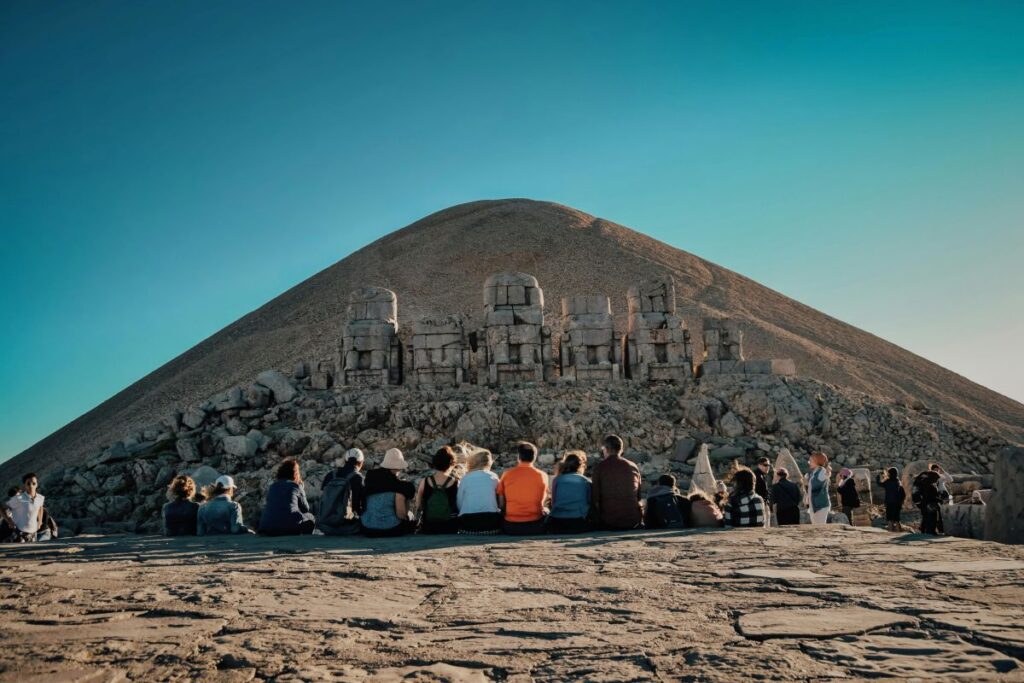
Mount Nemrut National Park offers one of the most memorable short hikes in Turkey. Although it is not a long-distance trekking destination, the walk to the summit and the monumental sanctuary at Mount Nemrut combines dramatic scenery, archaeology, and spiritual atmosphere in a way few places can match.
Visitors typically ascend via a short but rewarding trail to reach the UNESCO-listed summit, where colossal stone heads commissioned by Antiochus I Theos of Commagene watch over the landscape. Sunrise and sunset are especially magical, as the statues glow in the changing light and panoramic views extend across southeastern Anatolia.
Highlights
- Iconic UNESCO World Heritage Site
- Spectacular sunrise and sunset views
- Unique blend of hiking and archaeology
- One of Turkey’s most unforgettable mountain experiences
Best Time to Hike
May–October
Difficulty
Easy to moderate
Why It Matters
Mount Nemrut demonstrates that hiking in Turkey is not limited to wilderness alone. Here, a relatively short walk leads to one of the most extraordinary archaeological sites in the world, creating an experience that is both physically rewarding and deeply inspiring.
Mount Nemrut is also featured in our UNESCO World Heritage Sites in Turkey guide and our Eastern Turkey travel itinerary.
14. Yenice Forests
Yenice Forests are among Turkey’s most pristine and ecologically important woodland areas. Recognized by conservation organizations as one of Europe’s valuable forest ecosystems, this region offers peaceful hiking routes through old-growth beech and fir forests, deep valleys, and traditional villages.
Located near Safranbolu, the forests provide a refreshing alternative for travelers who enjoy nature, birdwatching, and low-impact outdoor experiences. Trails range from easy walks to longer routes suitable for more experienced hikers.
Highlights
- Ancient forest ecosystems
- Quiet and uncrowded trails
- Rich biodiversity
- Easy access from Safranbolu
Best Time to Hike
April–November
Difficulty
Easy to moderate
Why It Matters
Yenice Forests offer one of Turkey’s most tranquil hiking experiences. For nature lovers seeking lush landscapes and minimal crowds, this hidden gem in the western Black Sea region is an excellent choice.
15. Lake Van and Akdamar Island Trails
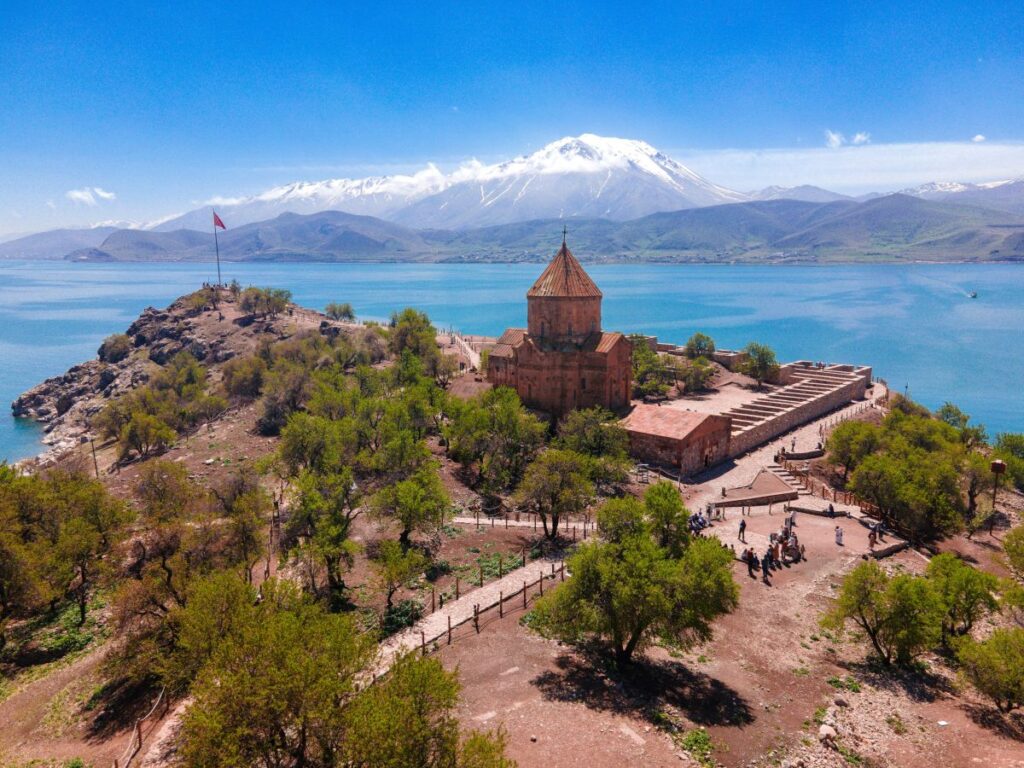
Lake Van and the surrounding highlands offer a unique combination of hiking, volcanic landscapes, and cultural heritage. The region’s broad mountain vistas, semi-arid plateaus, and lakeshore routes create one of the most distinctive outdoor experiences in eastern Turkey.
A highlight of the area is Akdamar Island, home to the magnificent Church of the Holy Cross, one of the masterpieces of medieval Armenian architecture. In addition to exploring the island, hikers can enjoy scenic walks around the lake and nearby mountains, including routes around Mount Suphan, Turkey’s third-highest peak.
Highlights
- Vast lake and mountain panoramas
- Historic Akdamar Church
- Opportunities for both cultural and outdoor exploration
- Access to volcanic trekking routes such as Mount Süphan
Best Time to Hike
June–September
Difficulty
Easy to challenging, depending on the chosen route
Why It Matters
The Lake Van region combines extraordinary natural beauty with deep historical significance. For travelers interested in both hiking and cultural heritage, eastern Turkey offers a truly unforgettable experience.
Practical Tips for Hiking in Turkey
Hiking in Turkey can be one of the most rewarding travel experiences you will ever have, but preparation is essential. Conditions vary widely, from well-marked coastal trails to remote alpine regions where weather can change rapidly.
Choose the Right Season
Spring and autumn are ideal for most regions, while high mountain destinations such as the Kaçkar Mountains, Mount Ararat, and Cilo Mountains are best visited in summer.
Use Reliable Navigation
Carry offline maps and GPS applications such as Maps.me or AllTrails. Even on established routes, weather and trail conditions can affect navigation.
Pack Essential Gear
Bring sturdy hiking boots, layered clothing, sun protection, a reusable water bottle, and a basic first-aid kit. In mountainous regions, temperatures can drop significantly at night.
Respect Local Communities
Many trails pass through villages and grazing areas. Greeting locals, dressing modestly, and supporting family-run guesthouses can enrich your experience.
Consider Hiring a Licensed Guide
For challenging treks such as Mount Ararat or specialized cultural routes, working with an experienced local guide can enhance both safety and understanding.
Protect Nature
Stay on marked trails whenever possible, carry out all waste, and help preserve Turkey’s remarkable landscapes for future generations.
Final Thoughts
From the turquoise coast of the Lycian Way to the high glaciers of the Cilo Mountains, Turkey offers some of the most diverse and rewarding hiking experiences in the world.
What makes hiking in Turkey truly special is the way nature and history are woven together. In a single journey, you may walk Roman roads, pass Byzantine churches, sleep in traditional mountain villages, and stand atop peaks that have inspired myths and religious traditions for thousands of years.
Whether you are looking for a gentle valley walk in Cappadocia, a demanding ascent of Mount Ararat, or a remote expedition in Hakkâri, Turkey offers unforgettable adventures for every kind of traveler.
If you love landscapes, culture, and meaningful journeys, the best hiking trails in Turkey deserve a place on your travel bucket list.
If you enjoy combining nature with history, you may also like our guides to UNESCO World Heritage Sites in Turkey, Ancient Cities in Turkey, and Biblical Sites in Turkey.
For trail maps, reviews, and route conditions, many hikers also use AllTrails, one of the world’s most popular hiking resources.