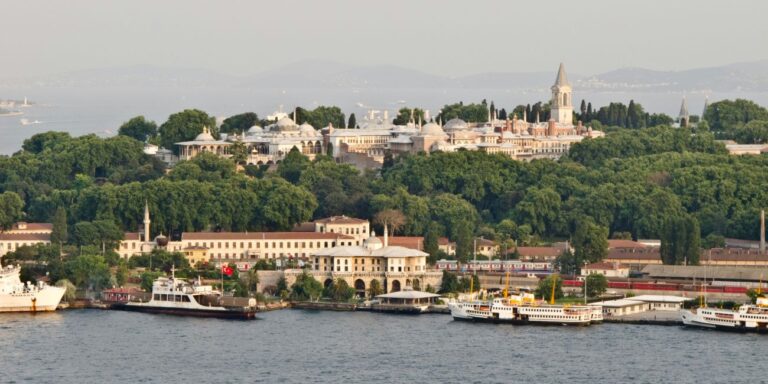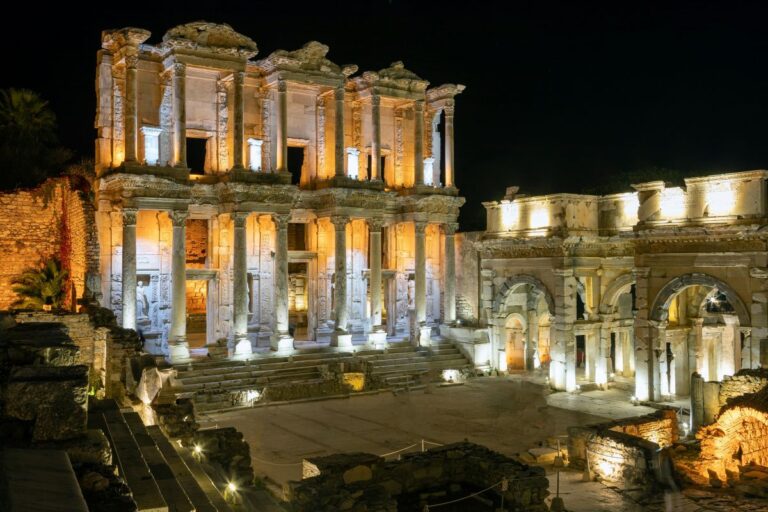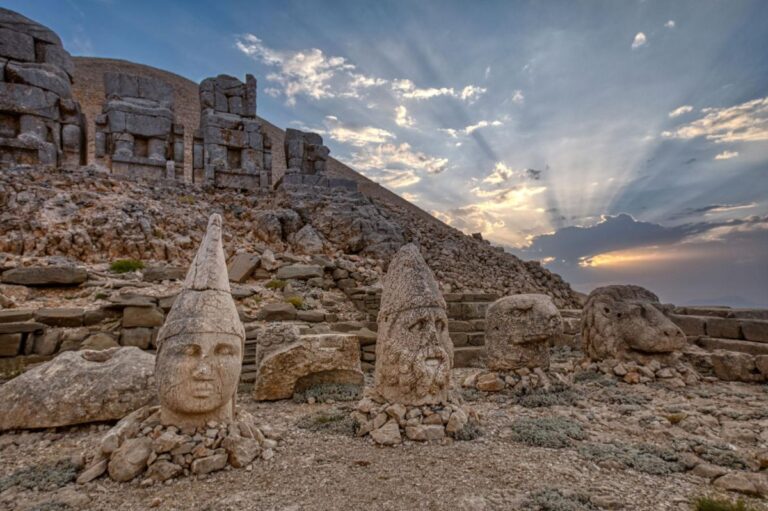
Turkey is not a country that can be fully discovered in ten days. Its distances are long, its history stretches across thousands of years, and every region could easily fill an entire journey of its own.
However, ten days is enough to experience four of Turkey’s most remarkable destinations if the route is planned carefully.
This itinerary begins in Istanbul, where Byzantine churches, Ottoman palaces, lively neighborhoods and the Bosphorus reveal the many layers of Turkey’s largest city. It then continues to Cappadocia for volcanic valleys, underground cities, rock-cut churches and the possibility of a sunrise hot-air balloon flight.
From Cappadocia, the route moves west to Ephesus and the Aegean region before including a full-day visit to Pamukkale and the ancient city of Hierapolis. The journey ends near İzmir, allowing you to depart from İzmir Adnan Menderes Airport instead of losing valuable time returning across the country by road.
As a licensed tour guide who has worked with international travelers across Turkey since 2008, I have designed this route around the questions visitors ask most often: how long transfers really take, where to stay each night, which airports to use, and how much can realistically be seen without turning the entire trip into a race.
This is still an active itinerary. You will change hotels, take domestic flights and spend several full days exploring on foot. But compared with routes that attempt to connect Cappadocia directly with Pamukkale by road, this version uses Turkey’s transport network more efficiently and keeps the longest transfers under better control.
10 Day Turkey Itinerary at a Glance
Route: Istanbul → Cappadocia → Selçuk or Kuşadası → Pamukkale → İzmir
Total length: 10 days / 9 nights
Recommended arrival airport: Istanbul Airport (IST) or Sabiha Gökçen Airport (SAW)
Recommended departure airport: İzmir Adnan Menderes Airport (ADB)
Best transport: Domestic flights combined with private transfers, airport shuttles or a rental car in the Aegean region
Suggested overnight stays:
- Istanbul: 3 nights
- Cappadocia: 2 nights
- Selcuk or Kusadasi: 4 nights
Pace: Moderate to fast
Best for: First-time visitors who want to combine Turkey’s most famous city, Cappadocia’s landscapes and the archaeological highlights of the Aegean region
Less suitable for: Travelers looking for a slow holiday, families who prefer minimal hotel changes, or visitors who want several beach days
Day-by-Day Route Summary
Day 1: Arrive in Istanbul and explore your neighborhood
Day 2: Historic Peninsula — Hagia Sophia, Blue Mosque, Topkapi Palace and the Basilica Cistern
Day 3: Bosphorus cruise, Galata or the Asian side
Day 4: Fly from Istanbul to Cappadocia and explore the first viewpoints
Day 5: Hot-air balloon option, underground city, valleys and rock-cut churches
Day 6: Fly to Izmir and continue to Selcuk or Kusadasi
Day 7: Full-day exploration of Ephesus and its surrounding sites
Day 8: Day trip to Pamukkale and Hierapolis
Day 9: Sirince, Selcuk Museum, Izmir or a slower final day in the Aegean region
Day 10: Departure from Izmir Adnan Menderes Airport
Why This Route Works
Many ten-day Turkey itineraries place Istanbul, Cappadocia, Pamukkale and Ephesus in a simple geographical list without explaining how travelers will move between them. On a map, the route may appear straightforward. In practice, the Cappadocia–Pamukkale journey is one of its most difficult sections.
Driving between the two regions takes most of a day. Overnight buses save the cost of a hotel but can leave travelers exhausted before visiting Pamukkale. Flights generally require careful schedule planning and may involve a connection.
For that reason, this itinerary travels from Cappadocia toward Izmir and uses Selcuk or Kusadasi as the Aegean base. Ephesus is nearby, Pamukkale can be visited on a long but manageable day trip, and Izmir Airport provides convenient onward connections.
It is a more practical route for most first-time visitors—and it gives you more time to experience Turkey rather than simply moving across it.
Day 1: Arrival in Istanbul and a Gentle Introduction to the City
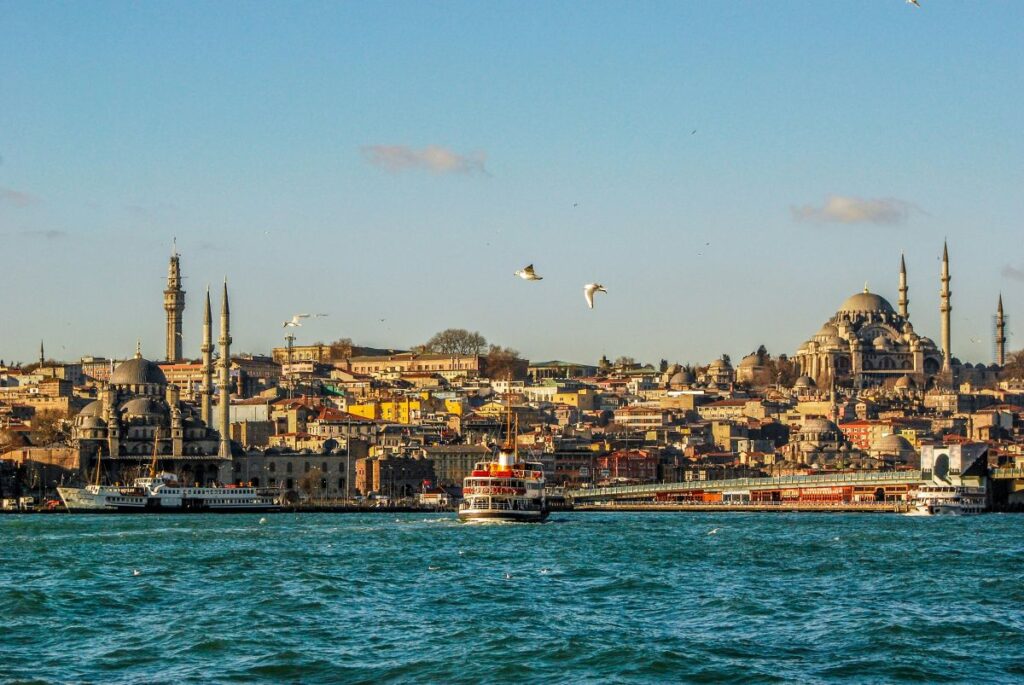
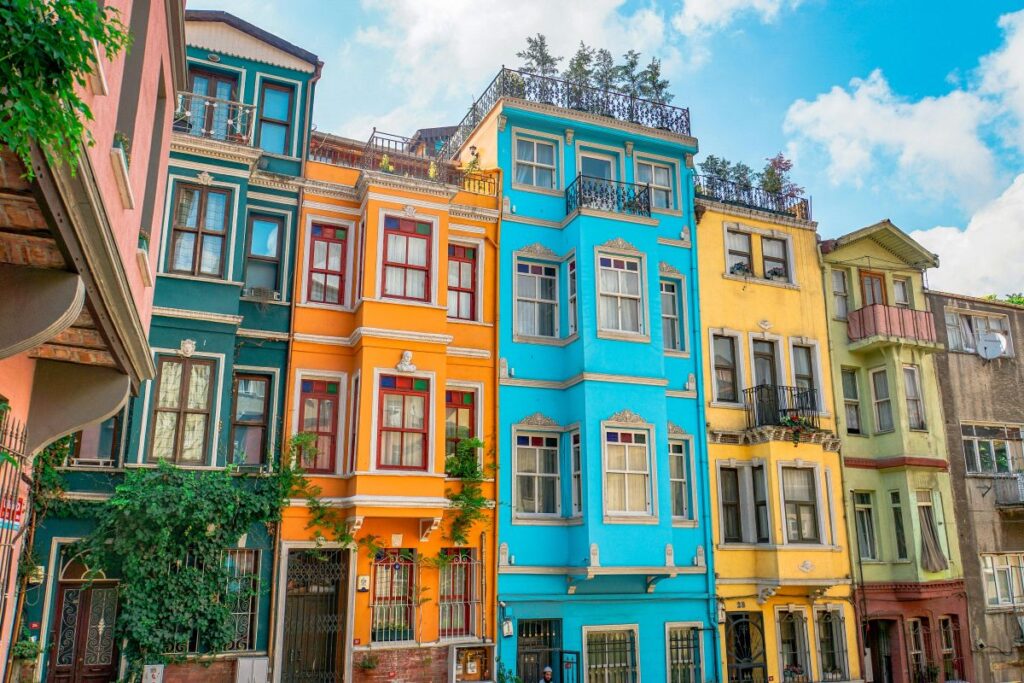
Your first day should remain flexible. Istanbul has two major airports, and both are located far from the historic center. Immigration, baggage collection, traffic and the journey to your hotel can easily take several hours.
Most international travelers arrive through Istanbul Airport (IST), on the European side, or Sabiha Gokcen Airport (SAW), on the Asian side. When choosing your flight, do not look only at the airfare. The airport’s location and your hotel neighborhood can make a significant difference to the first and final hours of your journey.
For this itinerary, I recommend staying in one of three areas:
Sultanahmet
Sultanahmet is the most convenient base for first-time visitors who want to stay within walking distance of Hagia Sophia, the Blue Mosque, Topkapi Palace and the Basilica Cistern.
The neighborhood becomes considerably quieter in the evening after many day visitors leave. It is an excellent choice for history-focused travelers, although its restaurant scene is more tourist-oriented than areas such as Karakoy or Kadikoy.
Sirkeci
Sirkeci lies between Sultanahmet, Eminönü and the Galata Bridge. It provides easy access to the historic monuments while also offering convenient tram, ferry and Marmaray connections.
For a short first visit, Sirkeci is one of the most practical places to stay in Istanbul.
Karakoy or Galata
Karakoy and Galata are better suited to travelers who want cafés, restaurants and a livelier evening atmosphere. You will need to use the tram or walk uphill to reach some historic attractions, but the neighborhood offers a more contemporary side of Istanbul.
After checking into your hotel, avoid planning a long list of monuments. Instead, use the remaining daylight to understand the rhythm of the city.
If you are staying in Sultanahmet or Sirkeci, walk through Sultanahmet Square, see Hagia Sophia and the Blue Mosque from outside, and continue toward the Hippodrome. This first walk provides an introduction to the monuments you will explore properly the following day.
If you are staying near Karakoy, walk along the waterfront, cross the Galata Bridge and watch the ferries moving between the European and Asian shores.
For dinner, choose somewhere close to your hotel and return early. The following day will involve several hours of walking and some of Istanbul’s most important historical sites.
Overnight: Istanbul
Suggested pace: Light
Local guide’s note: Istanbul often looks smaller on a map than it feels in reality. Hills, traffic, crowds and queues can slow down even a well-planned day. Keeping the arrival day simple usually makes the rest of the itinerary much more enjoyable.
Day 2: The Historic Peninsula
Your second day is dedicated to Istanbul’s Historic Peninsula, the heart of Byzantine Constantinople and the Ottoman capital that followed it.
Begin early in Sultanahmet Square. Several of Istanbul’s most famous monuments stand within a short distance of one another, but each deserves more than a quick photograph.
The Hippodrome and Sultanahmet Square
Start at the ancient Hippodrome, once the center of public life in Constantinople. Chariot races, imperial ceremonies and political demonstrations took place here for centuries.
Today, the original stadium is largely hidden beneath the modern square, but several monuments remain. These include the Egyptian Obelisk, the Serpent Column and the Walled Obelisk.
The square provides useful historical context before entering Hagia Sophia or the Blue Mosque. It shows that this area was already the ceremonial heart of the city long before the Ottoman period.
The Blue Mosque
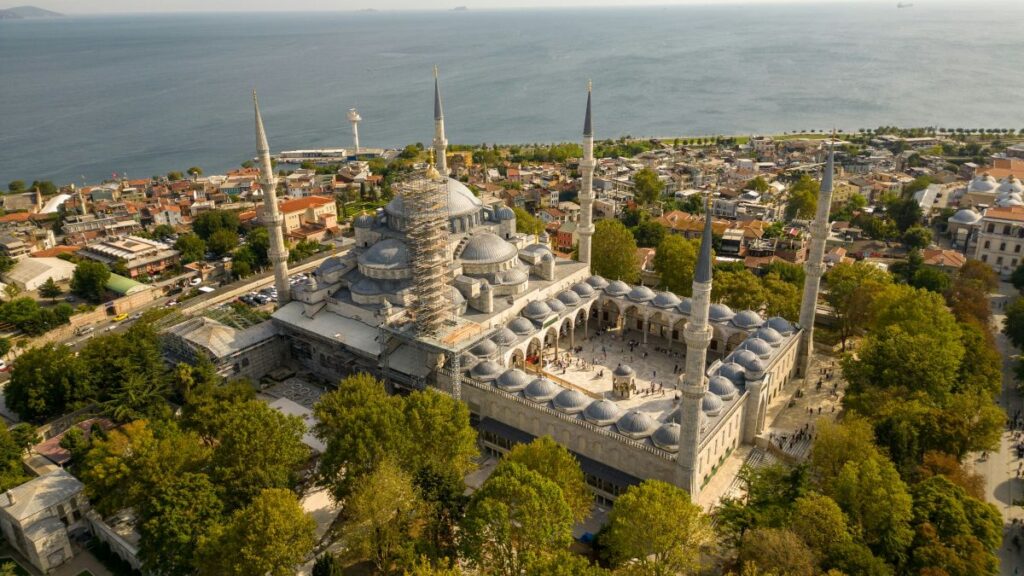
Continue to the Blue Mosque, officially known as the Sultan Ahmed Mosque. Completed in the early seventeenth century, it remains an active place of worship as well as one of Istanbul’s defining monuments.
Visitors should dress respectfully, remove their shoes before entering and avoid prayer times. Scarves are normally available for visitors when required, but carrying your own lightweight scarf is useful when visiting religious sites across Turkey.
The mosque is famous for its six minarets, spacious courtyard and İznik tiles. However, its location opposite Hagia Sophia is equally important: the two buildings create one of the most remarkable architectural conversations in Istanbul.
Hagia Sophia
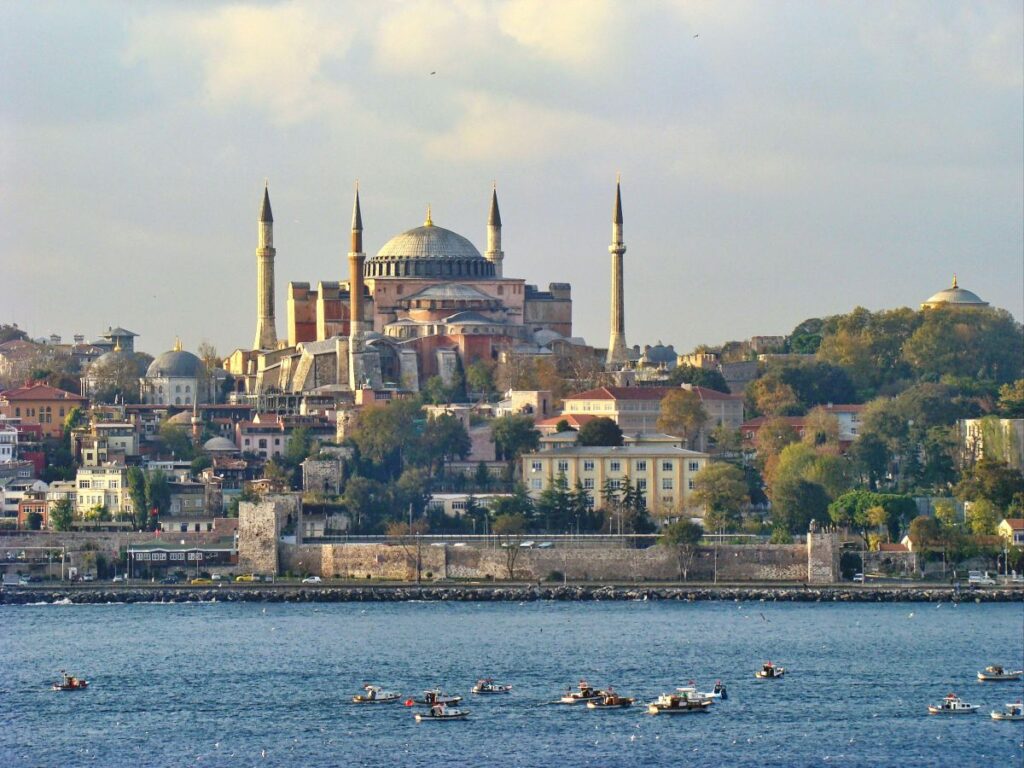
Hagia Sophia has served as an imperial church, a mosque, a museum and once again a working mosque. Few buildings express Istanbul’s layered history so powerfully.
The present structure was completed in the sixth century during the reign of the Byzantine emperor Justinian I. Its immense dome influenced religious architecture for centuries, while later Ottoman additions transformed the building without erasing its earlier history.
Visitor access arrangements, entrance areas and opening conditions can change. Check the latest official information shortly before your visit rather than relying on an old schedule or price quoted in a travel article.
Basilica Cistern
From Hagia Sophia, continue to the Basilica Cistern. Built during the Byzantine period, this vast underground reservoir once supplied water to the imperial palace and surrounding buildings.
Its rows of columns, reflected light and famous Medusa-head bases create one of the city’s most atmospheric interiors. The cistern is especially useful during the hottest part of a summer day, although queues can become long in busy periods.
Lunch in the Historic Peninsula
For lunch, move a few streets away from the most crowded part of Sultanahmet Square. Restaurants directly beside major monuments often prioritize convenience and location, while better-value local food can usually be found toward Sirkeci, Hocapaşa or the quieter streets behind the tram line.
Topkapi Palace
Spend the afternoon at Topkapi Palace, the administrative and residential center of the Ottoman Empire for several centuries.
The palace is not a single monumental building. It is a large complex of courtyards, council chambers, treasury rooms, pavilions and gardens overlooking the Bosphorus and the Golden Horn.
Allow at least two to three hours. The Harem requires additional time but provides a deeper understanding of palace life, imperial family structure and the private world behind the formal state rooms.
Do not leave Topkapi until the final hour of the day. Entrance lines and the size of the complex make rushed visits frustrating.
Grand Bazaar Alternative
If Topkapı Palace is closed on the day of your visit, use the afternoon for the Grand Bazaar, Suleymaniye Mosque and the streets around Eminonu.
The Grand Bazaar is not simply a shopping center. It developed around the Ottoman bedesten system and became one of the commercial hearts of the empire. Its streets still reveal the connection between trade, craftsmanship and urban life.
Opening days for museums, palaces and bazaars do not always align. Arrange Days 2 and 3 according to current opening information, particularly if your stay includes Sunday or the weekly closing day of a major monument.
Overnight: Istanbul
Suggested pace: Moderate to active
Estimated walking: Approximately 6–9 kilometers, depending on your hotel and additional stops
For a more detailed explanation of the city’s neighborhoods, transport and accommodation options, read the Istanbul Travel Guide. You can also explore the Best Things to Do in Istanbul before deciding which additional monuments deserve your limited time.
Day 3: The Bosphorus, Galata and the Asian Side
After spending the previous day among imperial monuments, use Day 3 to experience Istanbul as a living city.
The Bosphorus is not merely a scenic waterway separating Europe and Asia. It has shaped Istanbul’s geography, trade, defense and daily life for centuries. Ferries remain part of the city’s public transport system, and traveling by water is one of the best ways to understand its scale.
Morning Bosphorus Cruise
Begin with a Bosphorus cruise from the Eminonu, Karakoy or Besiktas area.
Different cruise options follow different routes. Some provide a short sightseeing loop, while public ferries and longer excursions travel farther toward the northern Bosphorus.
For a ten-day itinerary, a shorter cruise or carefully selected public ferry route is usually enough. It allows you to see Dolmabahce Palace, Ortakoy Mosque, the Bosphorus bridges, Ottoman waterfront mansions and the fortresses lining the strait without using the entire day.
A public ferry can provide a more local experience, while a narrated sightseeing cruise may be easier for first-time visitors who want historical explanations. Check the exact route before booking; the words “Bosphorus cruise” are used for experiences of very different lengths and quality.
Planning a Bosphorus cruise? Compare sightseeing cruises, public ferry alternatives and guided experiences before choosing the route that best fits your Istanbul itinerary.
Some links in this guide are affiliate links. If you book through them, I may earn a small commission at no extra cost to you.
Compare Bosphorus Cruise Options →
Galata and Karakoy
After the cruise, explore Karakoy and Galata.
Karakoy was historically connected with maritime trade, merchants and Istanbul’s diverse communities. Today, traditional workshops stand beside cafés, galleries and modern restaurants.
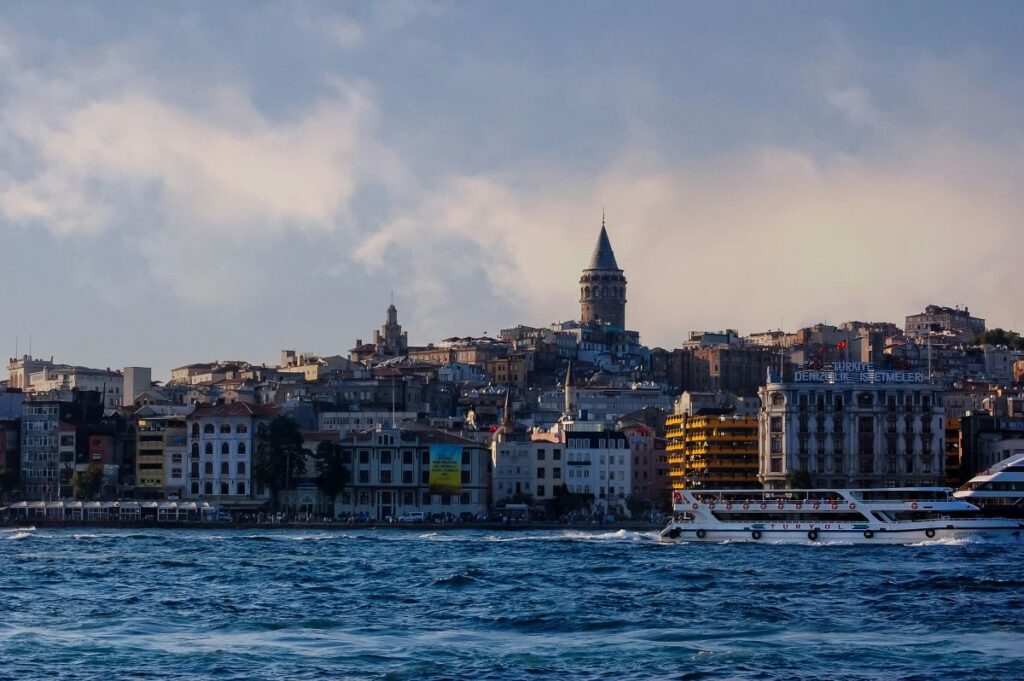
Walk uphill toward Galata Tower if you want a panoramic view, but expect steep streets. The surrounding neighborhood is rewarding even if you decide not to enter the tower.
From Galata, you can continue toward Istiklal Avenue and the historic passages of Beyoglu. However, do not try to combine every part of the European and Asian sides in a single afternoon.
Ferry to Kadıkoy
For a more local side of Istanbul, take a ferry to Kadıkoy.
The crossing itself is part of the experience. You will see the skyline of the Historic Peninsula, the Galata Tower and the Bosphorus from the water while commuters move between continents as part of their ordinary day.
Kadıkoy Market is an excellent area for exploring Turkish food culture. The surrounding streets contain fishmongers, bakeries, delicatessens, coffee shops, meyhanes and restaurants serving dishes from different regions of Turkey.
If time permits, continue to Moda for a waterfront walk and sunset views across the Sea of Marmara.
Alternative: Uskudar and the Maiden’s Tower View
Travelers who prefer historic mosques and Bosphorus scenery can choose Uskudar instead of Kadıkoy.
Uskudar has a more traditional atmosphere and provides one of the best waterfront views of the Maiden’s Tower and the European skyline. It is particularly beautiful in the late afternoon.
Choose either Kadıköy or Üsküdar rather than rushing through both.
Prepare for the Flight to Cappadocia
Return to your hotel at a reasonable time and prepare for the following morning’s domestic flight.
Confirm:
- Whether your flight departs from Istanbul Airport or Sabiha Gokcen Airport
- Your airport transfer or public transport route
- The baggage allowance included in your domestic ticket
- Your arrival transfer from Kayseri or Nevsehir Airport
- The pickup time for any Cappadocia airport shuttle
The two Istanbul airports are on opposite sides of the metropolitan area. Never assume that a domestic flight departs from the same airport at which you originally arrived.
Overnight: Istanbul
Suggested pace: Moderate
Best experience of the day: Crossing the Bosphorus by ferry and watching Istanbul’s skyline from the water
If you want to explore beyond the famous monuments, see the guide to Non-Touristy Things to Do in Istanbul.
Day 4: Fly to Cappadocia and Explore the First Valleys
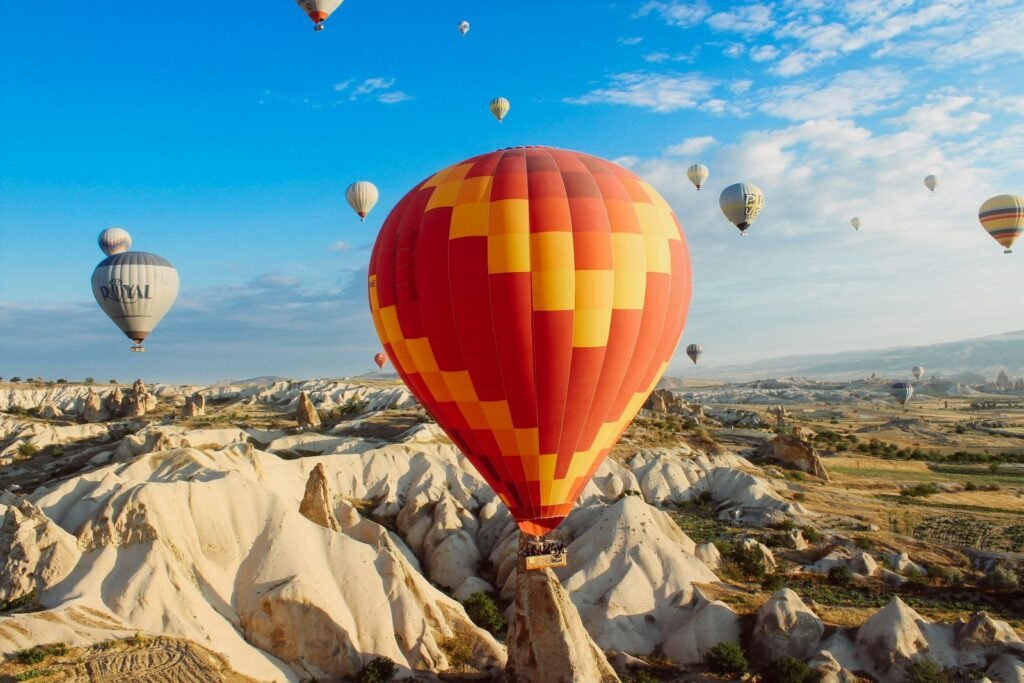
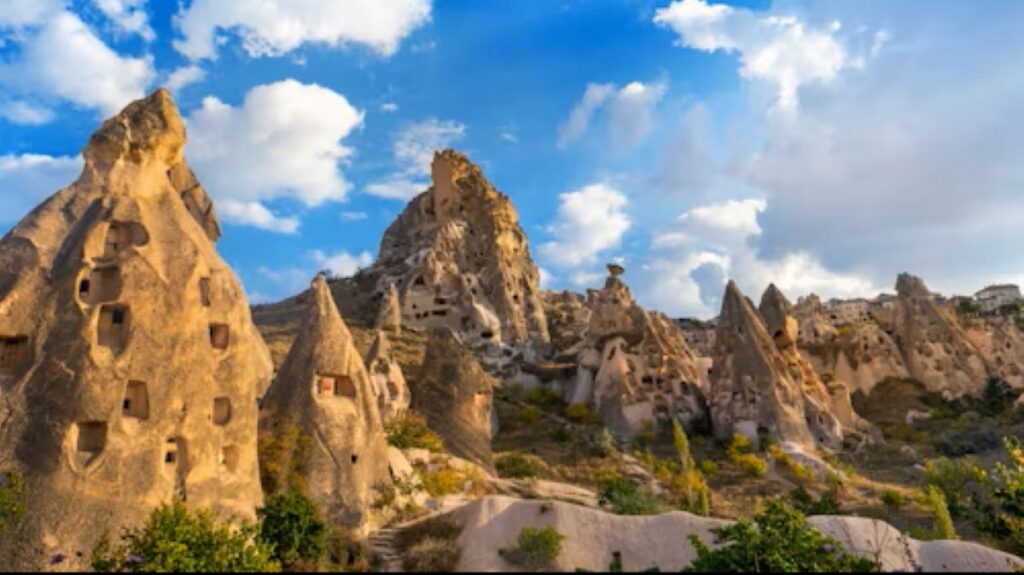
Today you leave Istanbul and fly to Cappadocia in Central Anatolia.
Cappadocia is not a city. It is a large historical and geographical region containing towns, villages, valleys, rock-cut churches and underground settlements spread across a wide area. For that reason, your choice of airport, hotel location and local transport will have a significant effect on how much you can see.
Flying from Istanbul to Cappadocia
Cappadocia is served by two airports:
Nevsehir Kapadokya Airport (NAV) is closer to Goreme, Uchisar and the central tourist area.
Kayseri Erkilet Airport (ASR) is farther away but usually offers a wider selection of flights.
The transfer from Nevşehir Airport to the main Cappadocia towns generally takes around 40–50 minutes. From Kayseri Airport, allow approximately 60–90 minutes depending on your hotel location, traffic and the number of stops made by a shared shuttle.
Do not choose an airport based only on distance. A well-timed flight to Kayseri may be more convenient than an inconvenient flight to Nevşehir. Compare the complete journey, including departure airport in Istanbul, arrival time and transfer availability.
Book your Cappadocia airport shuttle in advance. Shared shuttles normally operate according to flight arrivals and may not accept passengers without reservations.
Where to Stay in Cappadocia
For a short two-night stay, choose a central location.
Goreme is the most convenient base for visitors without a car. It offers cave hotels, restaurants, tour departures and easy access to several viewpoints and valleys.
Uchisar is quieter and more upscale, with panoramic hotels overlooking the region. It is a good choice for travelers who value views and atmosphere but may require more taxi use.
Urgup has excellent boutique hotels, restaurants and traditional stone architecture. It feels more like a functioning town than a compact tourist center.
With only two nights, avoid choosing a remote hotel simply because it looks beautiful in photographs. The time and cost required to reach restaurants, tour meeting points and attractions can reduce the benefit of staying outside the central towns.
What to Do After Arrival
Your plan will depend on your flight time.
If you arrive before midday, leave your luggage at the hotel and use the afternoon to explore several nearby sites. A practical first-day route can include:
- Uchisar Castle viewpoint
- Pigeon Valley
- Goreme town
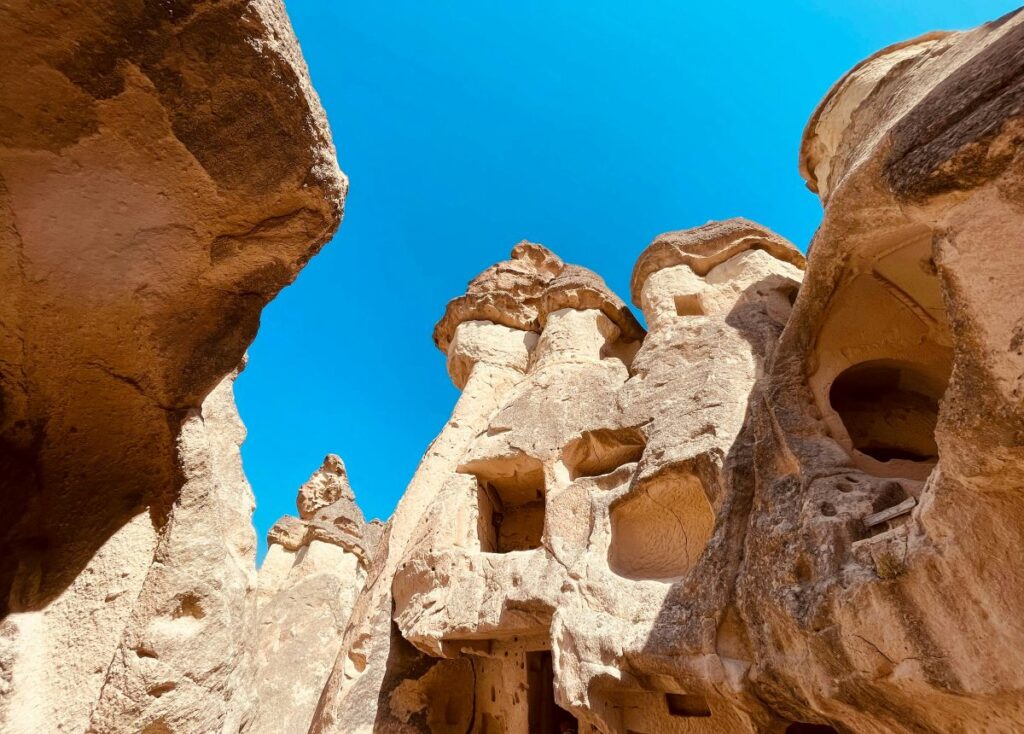
- Pasabag or Zelve
- A sunset viewpoint over Red Valley
If your flight arrives later, do not force a full sightseeing program into the remaining hours. Check into your hotel, walk through the town and choose one sunset location.
Cappadocia’s landscape changes dramatically in the late afternoon. The soft volcanic formations take on warmer colors, and viewpoints overlooking Red Valley, Uçhisar or Göreme provide an excellent introduction to the region.
Uçhisar and Pigeon Valley
Uchisar Castle is one of Cappadocia’s most recognizable landmarks. The large rock formation rises above the surrounding valleys and provides wide views across the region.
Nearby Pigeon Valley takes its name from the pigeon houses carved into the rocks. Pigeons played an important role in traditional Cappadocian agriculture because their droppings were collected and used as fertilizer, particularly in vineyards.
The viewpoint is easy to visit, but walking the full valley requires additional time. On a short arrival day, enjoy the viewpoint and save your energy for the following day.
Paşabağ or Zelve
If time permits, continue toward Pasabag, known for some of Cappadocia’s most distinctive fairy chimneys, or visit the Zelve Open Air Museum.
Zelve was once a rock-cut settlement containing homes, religious spaces and passages carved into the volcanic landscape. It provides a different experience from Goreme Open Air Museum and helps visitors understand how communities adapted the rocks for everyday life.
Do not attempt to visit Pasabag, Zelve, Goreme Open Air Museum and an underground city during the same short afternoon. Cappadocia rewards time on foot, and rushing between entrances turns a remarkable landscape into a checklist.
Sunset in Cappadocia
End the day at a viewpoint overlooking Red Valley, Goreme or Uchisar.
Red Valley is particularly famous for its sunset colors. The surrounding rocks reflect shades of red, rose and orange as the light changes.
Sunset viewpoints can become crowded during the busiest months. Arrive early enough to find a comfortable place, especially if you are driving.
Return to your hotel for dinner and sleep early. Hot-air balloon pickups often take place well before sunrise.
Overnight: Cappadocia
Suggested pace: Moderate
Transport: Domestic flight, pre-booked airport shuttle and either a rental car, taxi or organized afternoon tour
Local guide’s note: Avoid booking the last flight of the day if possible. A delay can cause you to lose nearly all of your first day in Cappadocia.
Day 5: Hot-Air Balloon, Underground City and Cappadocia Highlights
Day 5 is your only full day in Cappadocia, so it requires careful planning.
The most efficient option is a sunrise balloon experience followed by a full-day regional tour. Travelers with a rental car can create their own route, but distances between the principal attractions are greater than many first-time visitors expect.
Sunrise Hot-Air Balloon Flight
Hot-air balloon flights normally operate around sunrise, when wind conditions are generally calmer. Hotel pickups often begin very early, with the exact time changing according to the season.
The experience usually includes transfer to the launch area, flight preparation, approximately one hour in the air and a return transfer. Exact flight duration and route depend on weather and operational conditions.
Balloon flights are regulated and can be cancelled when conditions are unsafe. Cancellation is a normal part of balloon operations and should be understood as a safety decision, not a service failure.
With only two nights in Cappadocia, you may have only one realistic balloon morning. If the balloon is the main reason for your visit, consider adding a third night to provide a second opportunity in case of cancellation.
Book early during spring, summer and autumn, but compare the following before choosing:
- Confirmed flight duration
- Basket capacity
- Hotel transfer inclusion
- Cancellation and refund conditions
- Operator reputation
- Whether the advertised price includes all charges
If you prefer not to fly, you can still watch the balloons from a sunrise viewpoint. The hills around Göreme offer some of the most famous views, but ask your hotel about the best location according to that morning’s launch area.
Balloon flights can sell out during busy periods, particularly in spring and autumn. Compare flight duration, basket capacity, hotel transfers and cancellation conditions before booking.
Check Cappadocia Balloon Availability →
Breakfast and the Rest of the Day
Balloon passengers usually return to their hotels in time for breakfast. Afterward, begin the main sightseeing program at around 9:00 or 9:30.
Do not underestimate the effect of the early start. A day combining a balloon flight, underground city, valley walk and museum visit can be tiring.
Underground City
Choose one underground city rather than trying to visit several.
Kaymakli contains wide areas of interconnected rooms and tunnels and is conveniently located for many southern Cappadocia routes.
Derinkuyu descends deeper and is one of the region’s most famous underground complexes.
Both contain storage spaces, ventilation shafts, kitchens, religious areas and defensive passages. Their development occurred over different historical periods, and it is misleading to assign the entire complexes to one civilization or a single exact date.
Communities expanded and reused these underground spaces over centuries. They became particularly valuable as refuges during periods of insecurity, allowing inhabitants to shelter people, food, animals and essential supplies below ground.
Visitors with claustrophobia, mobility limitations or serious knee problems should consider the narrow tunnels and steep passages before entering. Kaymaklı may feel slightly more manageable to some travelers, although both involve confined spaces.
Goreme Open Air Museum
Goreme Open Air Museum is one of Cappadocia’s most important cultural sites.
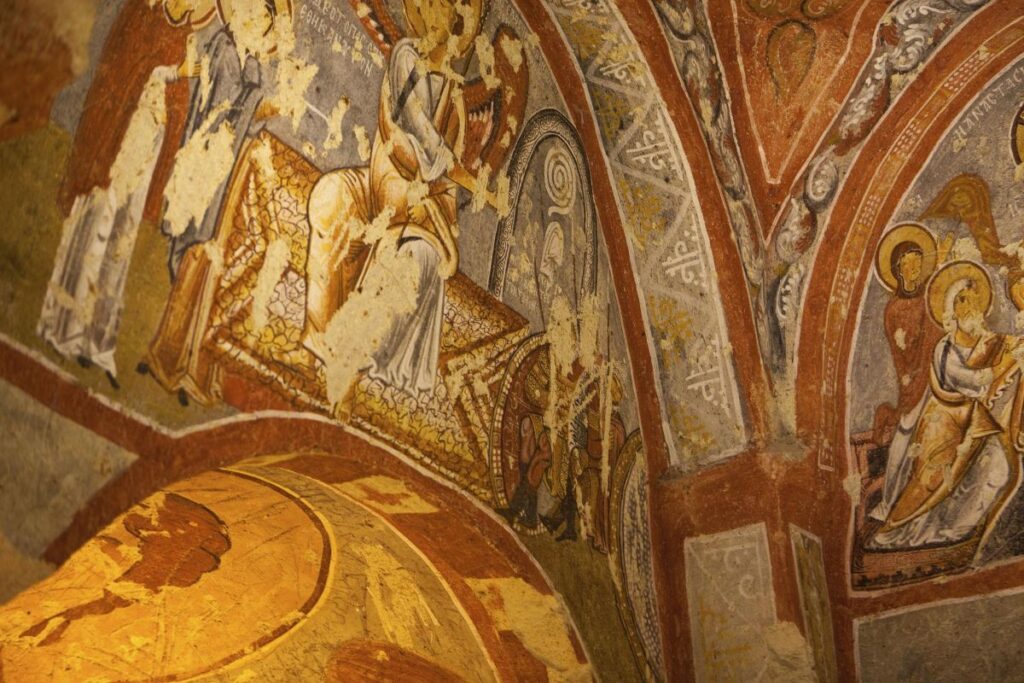
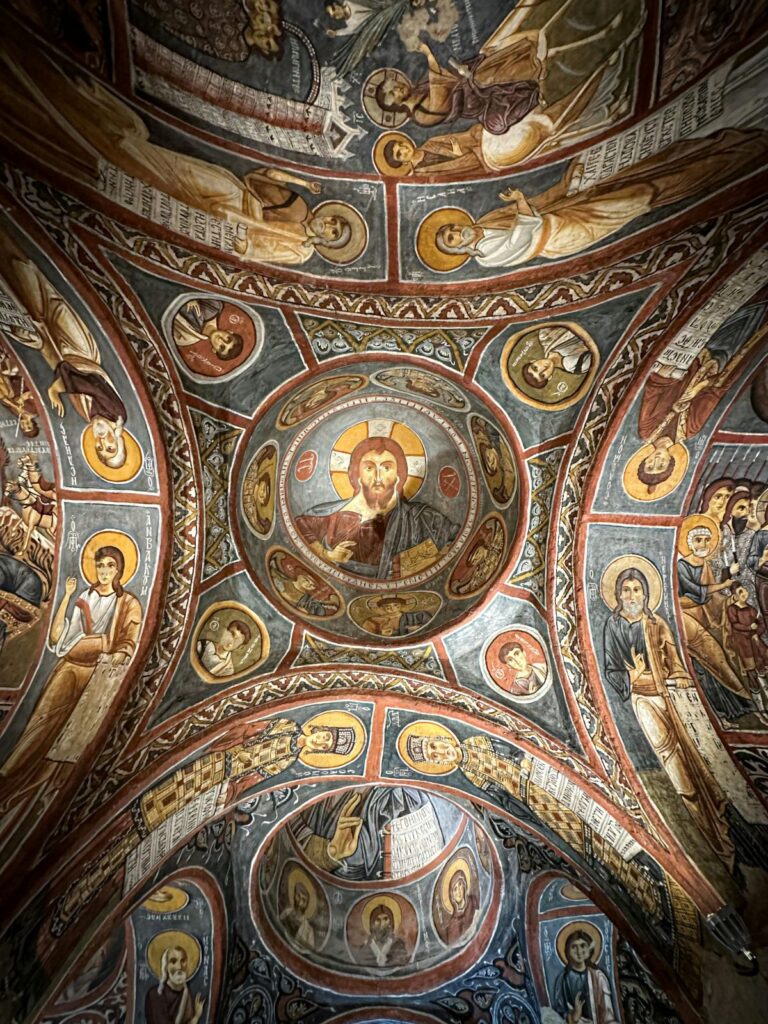
The complex contains rock-cut churches, chapels and monastic spaces decorated with Byzantine frescoes. These buildings demonstrate how religious communities transformed the volcanic landscape into places of worship and communal life.
Allow enough time to enter the principal churches and examine the paintings rather than simply walking between caves. Some sections may require separate admission, and access arrangements can change.
The Dark Church is especially known for the preservation and intensity of its frescoes. Limited natural light helped protect the paintings from centuries of exposure.
Visit earlier in the day when possible. The museum receives large tour groups, particularly during peak season.
Choose a Realistic Afternoon Route
After the underground city and Goreme Open Air Museum, choose one additional experience according to your interests and energy.
Option 1: Red Valley or Rose Valley Walk
This is the best choice for travelers who want to experience Cappadocia’s landscape on foot.
Trails pass between rock formations, cave dwellings, vineyards and panoramic viewpoints. The length can be adapted to your available time, but carry water and use footwear with good grip.
Avoid exposed valley walks during the hottest hours of summer.
Option 2: Avanos and Pottery
Avanos lies beside the Kızılırmak River and has a long pottery tradition connected with the region’s clay.
A genuine workshop visit can provide insight into local techniques, but be aware that some tour stops are primarily designed for sales. You should never feel obligated to purchase anything after a demonstration.
Option 3: Mustafapasa and the Southern Villages
Mustafapasa offers stone mansions, churches and an architectural character shaped by the Greek Orthodox and Muslim communities that lived in the town.
It is a rewarding alternative for travelers who prefer cultural history and quieter streets to the busiest fairy-chimney viewpoints.
The broader southern route can also include Soğanlı Valley, with its rock-cut churches and rural landscape, but this requires a car, private guide or a carefully planned tour.
Organized Tour or Rental Car?
An organized tour is the simplest option for visitors with limited time. Most include transport, hotel pickup and a guide, allowing you to visit distant attractions without arranging individual taxis.
The commonly marketed Red and Green tours provide convenient frameworks, but routes differ between operators. Check the actual list of stops before booking rather than relying only on the tour’s color.
A rental car offers more flexibility, especially for Mustafapaşa, Soğanlı, quieter valleys and sunset viewpoints. However, the driver must manage navigation, parking and the early start after a balloon flight.
Public transport connects the main towns but is not efficient for completing a full sightseeing route in one day.
Final Evening in Cappadocia
Return to your hotel before dinner and allow some time to rest.
For your final evening, choose a restaurant in Goreme, Urgup or Uchisar and try regional dishes such as testi kebabı. Quality varies, particularly in highly tourist-oriented restaurants, so select a place based on recent reviews and local recommendations rather than the most theatrical presentation.
Confirm the following before going to sleep:
- Flight departure time
- Whether you are flying from Kayseri or Nevşehir
- Airport transfer pickup time
- Domestic baggage allowance
- Arrival transfer from İzmir Airport to Selçuk or Kuşadası
Overnight: Cappadocia
Suggested pace: Active
Recommended combination: Balloon flight, one underground city, Göreme Open Air Museum and one valley or cultural stop
For more detailed planning, read the Cappadocia Travel Guide, the guide to the Best Things to Do in Cappadocia and the detailed article about the Underground Cities of Cappadocia.
Day 6: Fly to Izmir and Continue to Selcuk or Kusadasi
Day 6 is primarily a transfer day, but careful flight selection can leave enough time for a relaxed introduction to Turkey’s Aegean region.
Your destination is Izmir Adnan Menderes Airport (ADB), the most convenient airport for Ephesus, Selcuk and Kusadasi.
Flying from Cappadocia to Izmir
Flights between Cappadocia and Izmir vary according to the season and airline schedules. Direct flights may be available on certain dates, but they should not be assumed to operate every day throughout the year.
Search from both Cappadocia airports:
- Kayseri Erkilet Airport (ASR)
- Nevsehir Kapadokya Airport (NAV)
If a convenient direct flight is unavailable, you may need to connect through Istanbul. Compare the complete travel time carefully. A cheap ticket with a long connection can consume most of the day.
Choose the flight before reserving your Cappadocia airport transfer. Kayseri and Nevsehir airports are in different directions, and a transfer booked for the wrong airport can create a serious problem on departure day.
Allow sufficient time for the journey from your hotel. A shared shuttle may collect passengers from several hotels before continuing to the airport.
From İzmir Airport to Selcuk
Selcuk is the most convenient base for travelers whose main priority is Ephesus.
The town is approximately one hour from İzmir Airport by road, depending on traffic. Rail connections may also be available between the airport and Selçuk, but departure frequency and journey times should be checked for your travel date.
Selcuk is compact and practical. Ephesus, the Temple of Artemis, the Ephesus Archaeological Museum and the Basilica of St. John are all nearby.
Choose Selçuk if you want:
- Easy access to archaeological sites
- A quieter and more local atmosphere
- Short transfers on the Ephesus sightseeing day
- Small hotels and guesthouses
- Convenient access to Şirince
From Izmir Airport to Kusadasi
Kusadasi is a coastal resort and cruise port located south of Izmir.
It offers a larger selection of hotels, restaurants and seafront accommodation. The journey from Izmir Airport generally takes around one hour, depending on traffic and your hotel location.
Choose Kusadasi if you want:
- A wider choice of resort-style hotels
- Evening walks beside the sea
- More nightlife and restaurant options
- Beach access during warmer months
- A coastal base rather than a small inland town
Ephesus is normally around 25–35 minutes away by road, although traffic and the site entrance used can affect the journey.
For this itinerary, both bases work. Selçuk is more efficient for archaeology, while Kuşadası provides a more relaxed coastal atmosphere after several days of intensive sightseeing.
What to Do After Check-In
If you arrive in the afternoon, keep the program light.
Travelers staying in Selcuk can walk through the town, visit the remains of the Temple of Artemis or explore the area around the Basilica of St. John from outside.
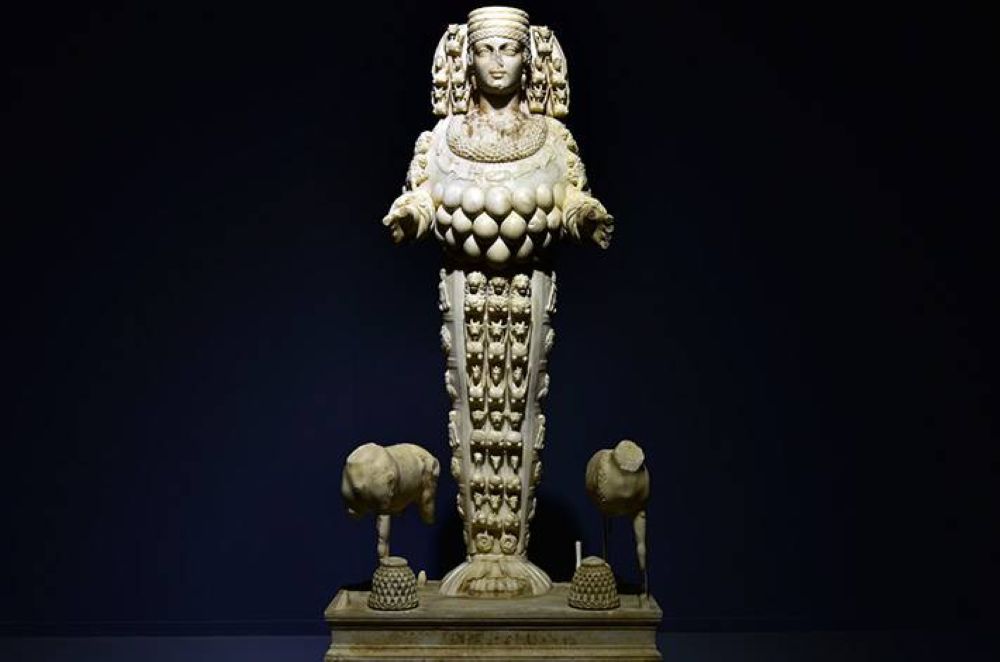
Very little survives above ground at the Temple of Artemis today, but the site once held one of the Seven Wonders of the Ancient World. Its importance lies not in the number of standing columns but in understanding the scale and religious significance of ancient Ephesus.
If you arrive early enough, the Ephesus Archaeological Museum is an excellent introduction to the following day. The museum displays sculptures and objects excavated at Ephesus, including finds connected with the Temple of Artemis and the city’s domestic and religious life.
Travelers staying in Kusadasi can spend the late afternoon walking along the waterfront, visiting the harbor area or resting at the hotel.
Do not visit the main archaeological site late in the day unless you have confirmed that enough time remains. Ephesus deserves several hours, and rushing through the city before closing would weaken one of the most important days of this itinerary.
Prepare for Ephesus
Before dinner, confirm:
- Current opening time
- Which entrance you will use
- Whether Terrace Houses admission is included in your ticket
- Transport to the site
- Weather conditions
- Water and sun protection
- Whether you plan to include the House of the Virgin Mary
Ephesus contains marble streets, uneven surfaces and exposed areas with limited shade. Comfortable footwear is essential.
Overnight: Selcuk or Kusadasi
Suggested pace: Light to moderate
Main objective: Complete the transfer comfortably and prepare for an early start at Ephesus
Day 7: Ephesus and the Ancient World of Western Anatolia
Today is dedicated to Ephesus, one of the most important archaeological sites in the Mediterranean.
Ephesus is often described as a Roman city, but its history is much longer. The settlement developed through Greek, Hellenistic, Roman, Byzantine and later periods, while the surrounding area also became important in early Christian history.
At its height under Roman rule, Ephesus was a major port, commercial center and capital of the province of Asia. Its monumental streets, public buildings, temples, baths and houses reveal the wealth of a city connected to trade routes across the Mediterranean.
Start Early
Arrive close to opening time, particularly during summer.
Ephesus has limited shade, and the marble surfaces become extremely hot around midday. Cruise excursions can also bring large groups into the site, especially on days when several ships are docked in Kuşadası.
Starting early provides cooler temperatures, softer light and a better chance to experience the principal monuments before the largest crowds arrive.
If transport allows, entering from the upper gate and walking downhill toward the Great Theatre provides a natural route through the city. However, both entrances are usable, and your final arrangement may depend on parking, taxi pickup or tour logistics.
Allow at least three hours for the main archaeological site. Visitors with a strong interest in history can easily spend four hours or more, especially when including the Terrace Houses.
Ephesus can be visited independently, but a licensed guide adds valuable context to the city’s monuments, inscriptions, daily life and religious history.
The State Agora and Odeon
Near the upper section of Ephesus, you encounter the administrative heart of the ancient city.
The Odeon served as a small theater and meeting space. Nearby structures were connected with civic administration, religious ceremonies and the political life of Ephesus.
This area receives less attention than the Library of Celsus, but it helps explain how the city functioned beyond its famous façades.
Curetes Street
Continue downhill along Curetes Street, one of the principal routes through ancient Ephesus.
Columns, fountains, temples, public buildings and the remains of elite houses line the street. Its worn marble surface makes the city feel less like an isolated ruin and more like an urban environment once filled with residents, merchants, officials and visitors.
Look beyond the reconstructed façades. Water systems, inscriptions, building entrances and differences in elevation reveal how carefully the city was designed.
Temple of Hadrian
The Temple of Hadrian is one of the most elegant structures along Curetes Street.
Its surviving façade includes arches and decorative reliefs. Some original sculptures and architectural elements are preserved in the Ephesus Archaeological Museum, while replicas may be displayed at the site to protect the originals.
The building is relatively small, but its location and ornamentation make it one of the most photographed monuments in Ephesus.
Terrace Houses
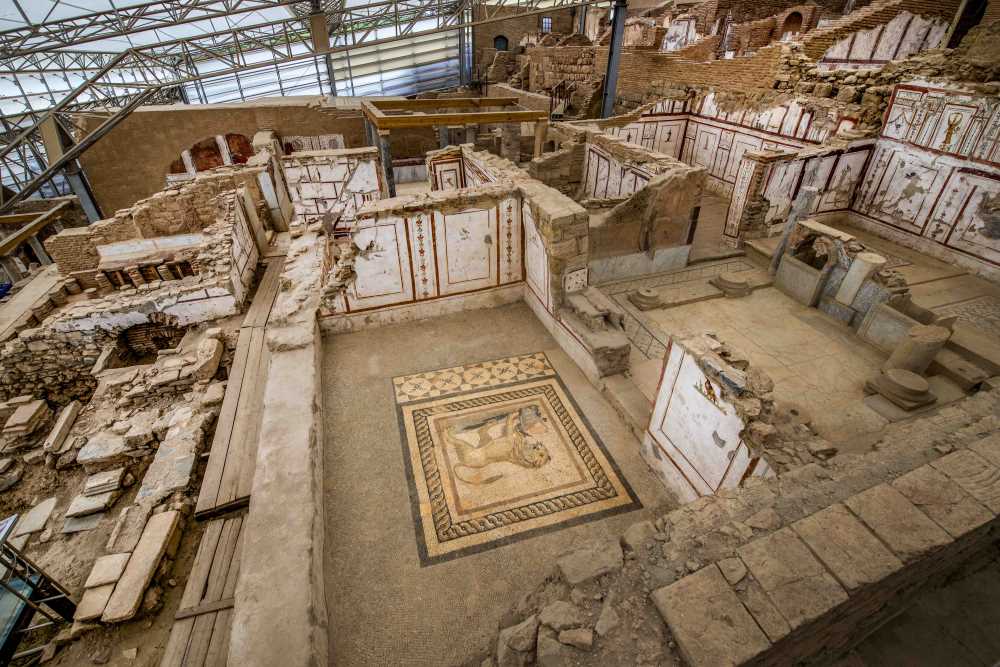
The Terrace Houses are essential for understanding the private lives of wealthy Ephesian families.
Built into the slope above Curetes Street, these residences contained mosaics, wall paintings, courtyards, heating systems and carefully arranged living spaces.
A protective roof now covers the excavated area. Visitors move along raised walkways and staircases, allowing them to see rooms and decorative surfaces from different levels.
The Terrace Houses usually require additional admission and involve numerous steps. Despite this, they are among the most valuable parts of the site because they show daily domestic life rather than only temples and public monuments.
Allow approximately 45–60 minutes if you want to explore them properly.
Library of Celsus
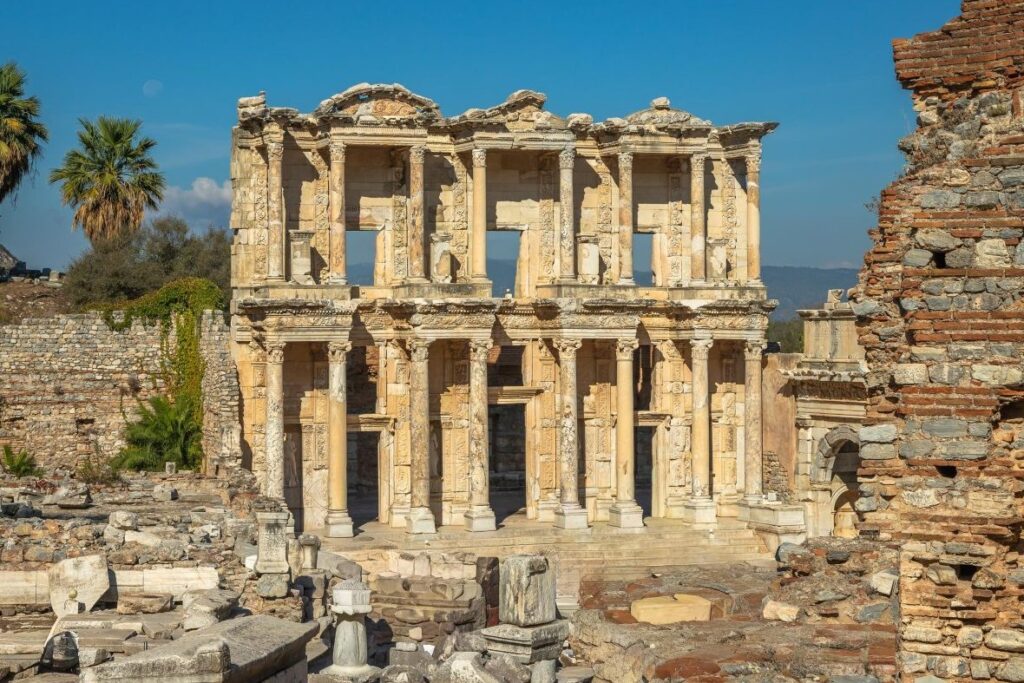
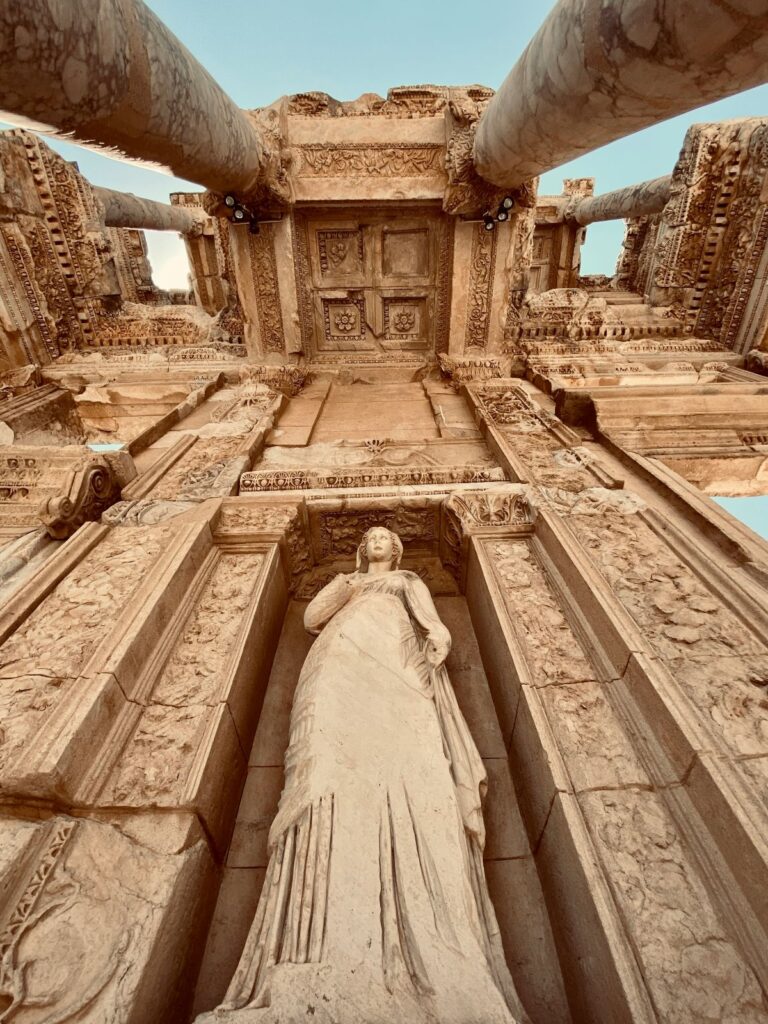
The Library of Celsus is the architectural symbol of Ephesus.
It was constructed in the Roman period in honor of Tiberius Julius Celsus Polemaeanus, a prominent official whose burial chamber was placed beneath the building.
The restored façade creates a dramatic impression, but the library was more than a decorative monument. It represented education, status, imperial civic culture and the prosperity of Ephesus.
Avoid repeating the common claim that it was definitively the “third-largest library in the ancient world.” The phrase is widely used in tourism, but ancient library rankings and precise collection sizes are not certain enough to present as established fact.
Commercial Agora
Beside the library lies the Commercial Agora, once one of the city’s principal marketplaces.
Its location near the former harbor route reflects the importance of trade to Ephesus. Merchants, sailors and travelers arriving through the port would have entered a city closely connected to regional and international commerce.
As the ancient coastline changed and the harbor gradually silted, Ephesus lost part of the geographical advantage that had supported its prosperity.
The Great Theatre
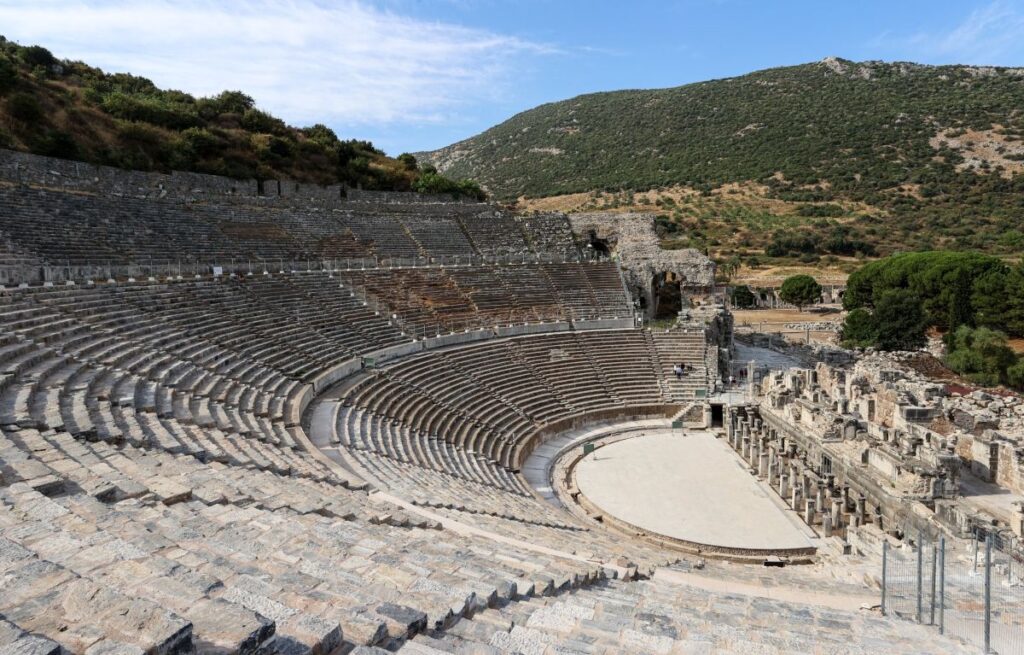
Continue toward the Great Theatre, one of the largest and most impressive structures at Ephesus.
The theater was used for performances, public gatherings and civic events. Its position facing the former harbor road created a monumental arrival experience for visitors entering the city from the sea.
The theater also has a place in Christian tradition. The Acts of the Apostles describes unrest in Ephesus connected with the preaching of Paul and the city’s devotion to Artemis.
It is important to separate the surviving archaeological structure from later storytelling. The theater genuinely belonged to the public life of Roman Ephesus, while biblical texts provide an additional historical and religious context for understanding the city.
Harbor Street
From the theater, look along Harbor Street toward the direction of the ancient port.
The sea is now several kilometers away, but in antiquity this avenue connected the city center to the harbor. Changes in the coastline and the silting of the harbor contributed to the gradual decline of Ephesus as a major port.
This is one of the best places to understand how dramatically the landscape has changed since antiquity.
Lunch and the Surrounding Sites
After leaving Ephesus, have lunch in Selçuk or near the site. Then choose two or three surrounding attractions rather than trying to visit everything.
House of the Virgin Mary
The House of the Virgin Mary stands on Mount Koressos above Ephesus.
Christian tradition associates the site with Mary’s final years, although direct archaeological proof of her residence there is limited. The location became an important pilgrimage destination and has been visited by several popes.
Present it as a place of faith and tradition rather than as an archaeologically proven residence.
The peaceful setting and religious significance make it meaningful for many Christian visitors. The site is also respected by some Muslim visitors because Mary holds an honored position in Islam.
Basilica of St. John
The Basilica of St. John was constructed during the Byzantine period over a site traditionally associated with the tomb of John the Apostle.
Its surviving foundations, columns and reconstructed sections reveal the scale of what was once one of the region’s major Christian monuments.
The hill also provides views toward Selçuk, the İsa Bey Mosque, the Temple of Artemis and the surrounding landscape.
Temple of Artemis
Only limited remains survive from the Temple of Artemis, but it should not be judged solely by its present appearance.
The sanctuary was one of the most celebrated temples of the ancient world and a major center of religious devotion. Artemis of Ephesus developed distinctive local characteristics and differed in appearance and symbolism from the classical Greek image of the goddess.
A short visit is enough, but understanding the temple is essential for understanding the identity and wealth of ancient Ephesus.
Ephesus Archaeological Museum
If time and energy permit, finish at the Ephesus Archaeological Museum in Selçuk.
Objects displayed in the museum provide details that can be missed at the archaeological site. Sculptures of Artemis, household objects, coins and architectural pieces help reconstruct the religious and daily life of Ephesus.
The museum is especially valuable after visiting the ruins because you can connect the artifacts with the buildings and streets you saw earlier.
A Realistic Ephesus Day
The ideal combination for most first-time visitors is:
- Main Ephesus archaeological site
- Terrace Houses
- House of the Virgin Mary
- Temple of Artemis
- Either the Basilica of St. John or Ephesus Archaeological Museum
Trying to include all surrounding attractions, Şirince and a long lunch on the same day creates an unnecessarily rushed program. Şirince will fit more comfortably on Day 9.
Return to your hotel in the late afternoon or early evening.
Overnight: Selcuk or Kusadasi
Suggested pace: Active
Estimated walking: Approximately 5–8 kilometers, with additional stairs inside the Terrace Houses
Recommended visit duration: At least three hours inside Ephesus, plus time for surrounding sites
For deeper historical and practical information, read the Ephesus Travel Guide and Best Things to Do in Ephesus.
Day 8: Day Trip to Pamukkale and Hierapolis
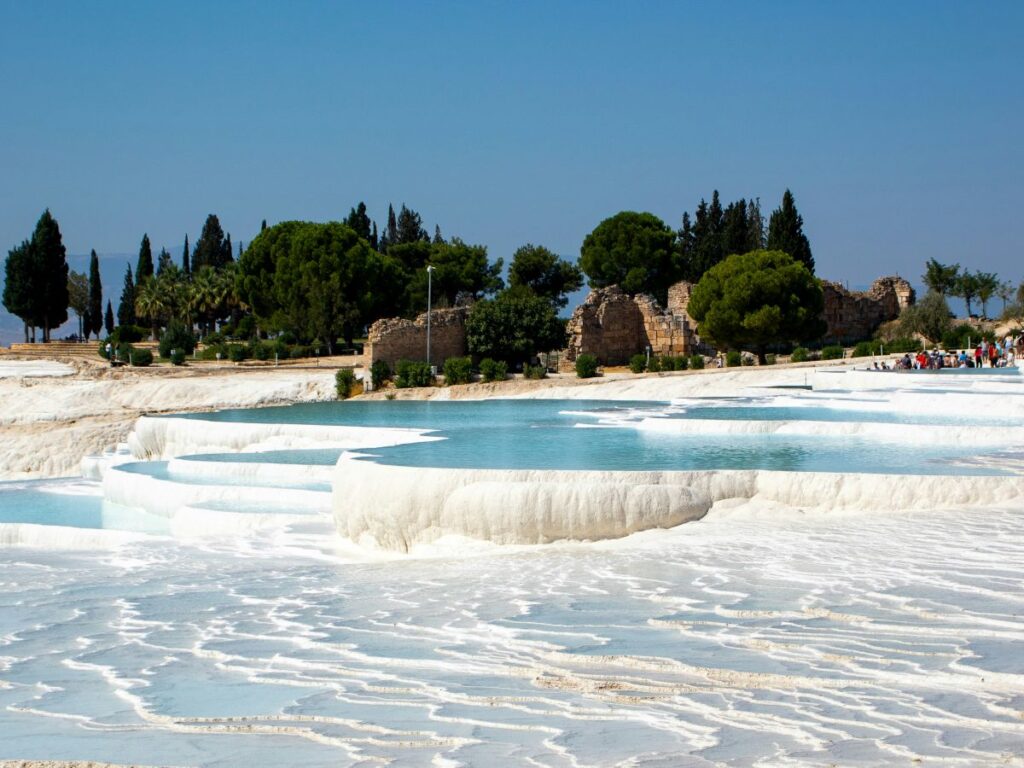
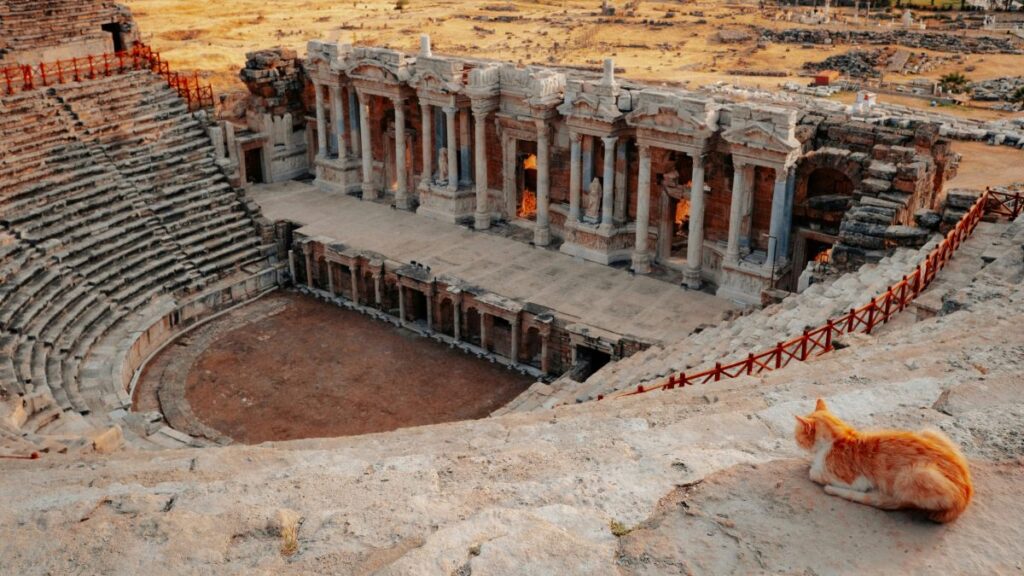
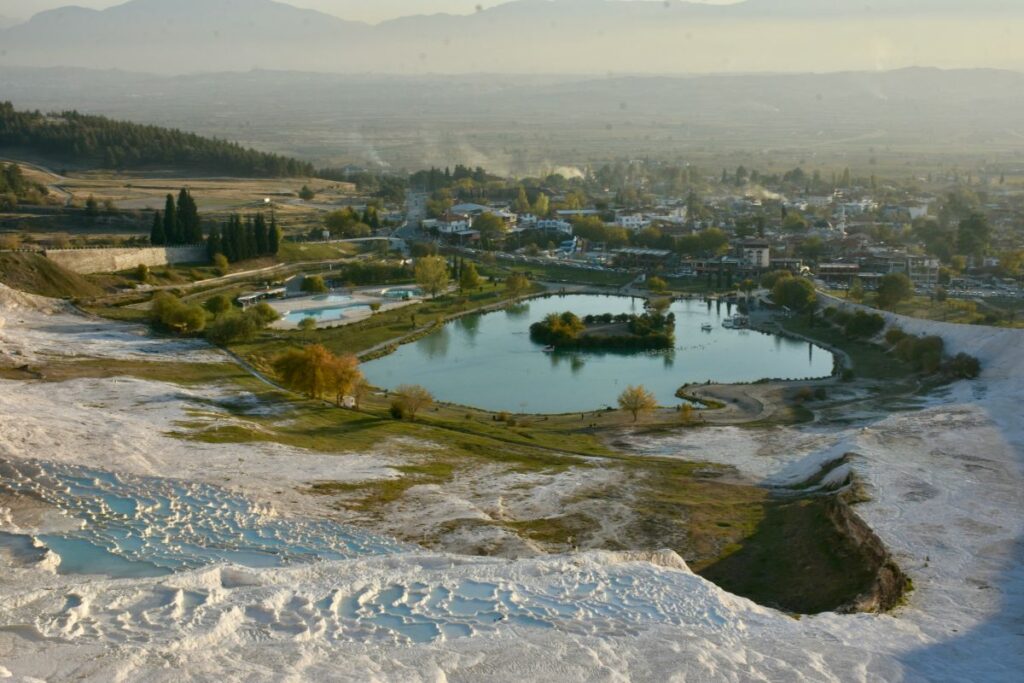
Day 8 is the longest excursion of the Aegean section.
Pamukkale is roughly three hours from Selcuk or Kusadasi by road, although the exact journey depends on traffic, rest stops and your starting location. A return day trip can therefore involve six hours of driving.
It is a long day, but it allows you to include Pamukkale without changing hotels for a single night.
Start early, ideally around 7:00. This gives you enough time to explore both the travertines and Hierapolis without watching the clock throughout the visit.
How to Reach Pamukkale
The most practical options are:
- Organized day tour from Selcuk or Kusadasi
- Private vehicle with a driver
- Rental car
- Carefully planned bus or train connections
An organized tour is usually the easiest choice for travelers who do not want to drive. Check how much actual time the tour spends at Pamukkale. Some inexpensive tours include lengthy shopping stops or provide too little time at the archaeological site.
A private transfer provides greater control over the day but will cost more.
A rental car allows you to start early, choose your entrance and leave according to your own schedule. Roads are generally straightforward, but the driver must remain comfortable after a long sightseeing day.
Public transport is possible, but it is less convenient for a same-day return. Trains and buses generally require an additional connection from Denizli to Pamukkale, making the day slower.
A guided day trip is the simplest option if you want transportation, entrance planning and a structured visit without driving for approximately six hours yourself.
Understanding Pamukkale
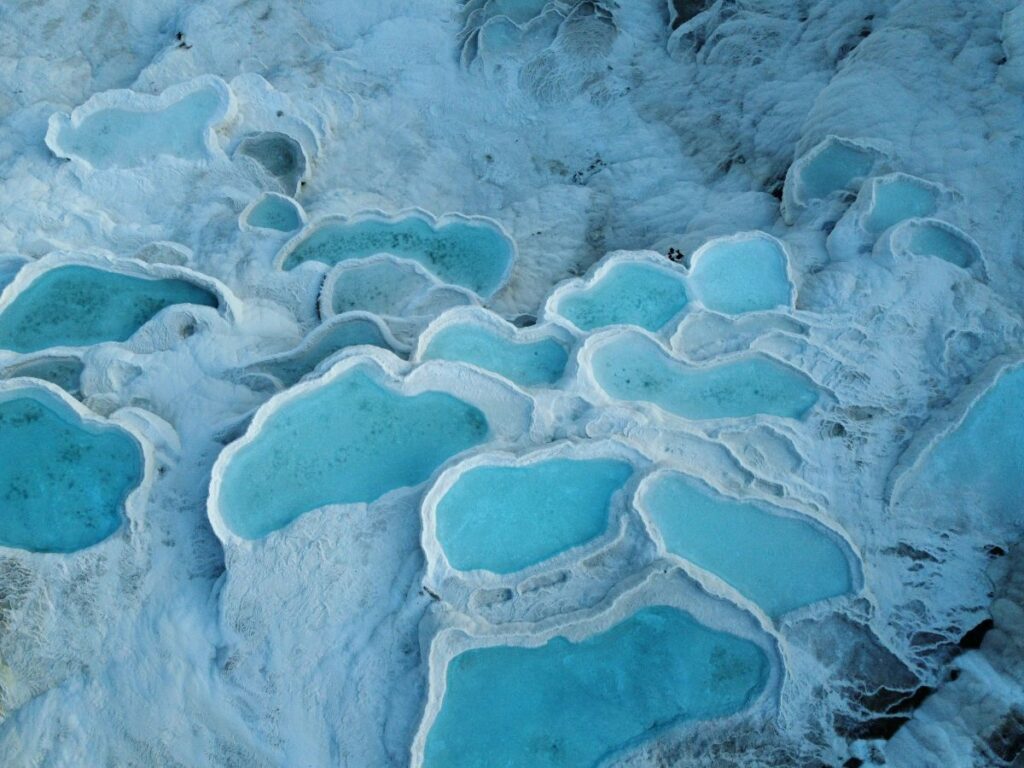
Pamukkale means “Cotton Castle” in Turkish, a name inspired by the white appearance of its travertine terraces.
The terraces were formed as mineral-rich thermal water flowed down the hillside. As the water cooled and carbon dioxide escaped, calcium carbonate accumulated and gradually created the white formations visible today.
Pamukkale is therefore not made of snow, salt or ordinary white rock. It is a living thermal landscape that continues to change.
Water flow across individual terraces is managed to help protect the formations. This means the appearance and water level of particular pools can vary. Photographs taken in different years or seasons may not match exactly what you see during your visit.
Walking on the Travertines
Visitors may walk barefoot through designated parts of the travertines. Shoes must be removed to reduce damage to the surface.
The wet calcium deposits can be slippery, while some dry areas feel rough underfoot. Carry a small bag for your shoes and move carefully.
Access outside the designated visitor route is restricted. Do not step over barriers for photographs. The travertines have already been affected by decades of tourism development, and current protections are essential to their survival.
During summer, the white surface reflects intense sunlight. Bring:
- Water
- Sun protection
- A hat
- Sunglasses
- A small towel
- Secure footwear for the archaeological area
Swimming conditions and accessible pools can change, so do not plan the visit around the expectation that every terrace will be filled with deep thermal water.
Hierapolis
The white terraces are only one part of the site. Above them stands Hierapolis, an ancient city closely connected with the region’s thermal springs.
The city developed as a healing and religious center during the Hellenistic and Roman periods. Visitors came for the waters, while the settlement also contained temples, baths, streets, public buildings and one of Anatolia’s largest surviving necropolises.
Allow at least three to four hours for Pamukkale and Hierapolis together. Visitors interested in archaeology may need longer.
The Roman Theatre
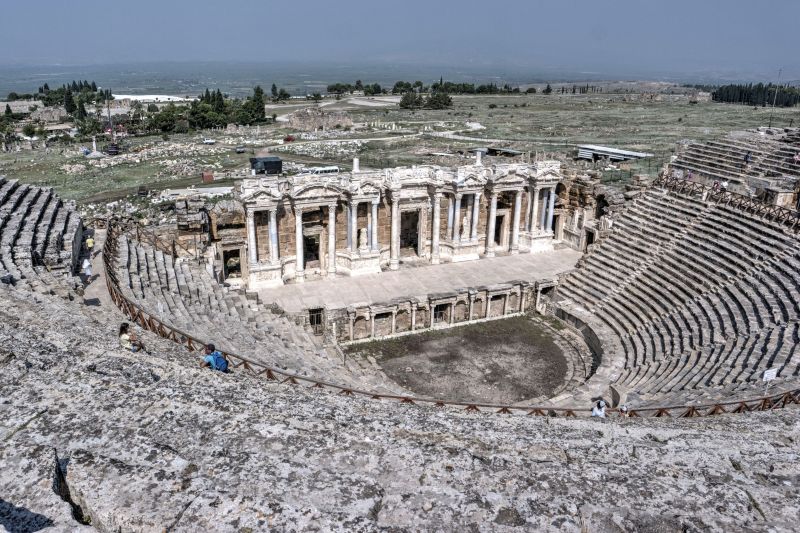
The theater is one of the most impressive monuments at Hierapolis.
It stands above the main part of the city and preserves substantial architectural decoration. Reaching it requires an uphill walk, but the scale of the structure and the view across the site justify the effort.
Do not skip the theater simply because it lies away from the travertine pools. It is one of the clearest demonstrations of Hierapolis’s importance during the Roman period.
The Necropolis
The northern necropolis extends across a large area and contains different forms of burial architecture, including sarcophagi, tumuli and monumental tombs.
Its size reflects both the long history of Hierapolis and the number of people who came to the thermal center. Some visitors may have hoped to recover from illness but died in the city and were buried nearby.
Walking through the full necropolis requires additional time. If your day tour has a restricted schedule, ask which exit and meeting point will be used before walking too far from the central area.
The Ancient Thermal Pool
A thermal pool containing ancient architectural fragments has long been one of Pamukkale’s best-known visitor experiences.
Access conditions, restoration work and swimming availability can change. Check current official information shortly before your visit rather than assuming that swimming will be possible.
Even when the pool is accessible, it requires additional time and may involve a separate fee. On a tightly planned day trip, prioritize the travertines, theater and principal ruins before deciding whether to swim.
The Martyrium of St. Philip
Hierapolis also holds an important place in Christian tradition.
A large octagonal martyrium was constructed on a hill outside the main urban area and associated with the Apostle Philip. Later archaeological work identified a nearby church and tomb complex connected with the same tradition.
The identification and historical interpretation are more nuanced than the simple statement that “the apostle’s tomb was found.” Nevertheless, the complex demonstrates the importance of Philip’s cult and Hierapolis as a Christian pilgrimage center during the Byzantine period.
The walk to the martyrium is longer and steeper than the route to the principal monuments. Include it if early Christian history is one of your main interests and your schedule allows.
A Practical Route Through the Site
For visitors arriving by organized vehicle, the South Gate is often a practical starting point.
A logical route is:
- Enter the archaeological area
- Explore the central remains of Hierapolis
- Walk up to the Roman Theatre
- Visit the museum or thermal pool if desired and accessible
- Finish at the travertines
- Meet your driver at the agreed gate
The North Gate can be useful for visitors who want to walk through the necropolis first, but it creates a longer route.
Agree on the meeting point before entering. Pamukkale has multiple entrances, and “meet at the exit” is not precise enough.
Return to Selcuk or Kusadasi
Leave enough time for the return journey before it becomes too late.
After approximately six hours on the road and several hours walking through an exposed archaeological site, most travelers will not want a complicated evening program.
Have dinner near your hotel and rest.
Overnight: Selcuk or Kusadasi
Suggested pace: Active
Approximate road travel: Around six hours in total
Recommended site time: At least three to four hours
Local guide’s note: If you dislike long day trips, stay one night in Pamukkale instead. The route will involve another hotel change, but you can visit the terraces in the late afternoon and again early the following morning.
For a deeper explanation of the thermal landscape and ancient city, read the Pamukkale Travel Guide and Best Things to Do in Pamukkale.
Day 9: Sirince, Selcuk or a Relaxed Aegean Day
After the long Pamukkale excursion, Day 9 is intentionally flexible.
Some travelers will want another day of history. Others will prefer a slower morning, a coastal walk or additional time in Izmir before departure.
Choose one of the following routes rather than trying to combine all of them.
Option 1: Sirince and Selcuk
This is the best option for travelers staying in Selcuk and for anyone who wants a relaxed cultural day without another long journey.
Sirince
Sirince is a hillside village located a short drive from Selcuk.
The village is known for its traditional houses, narrow streets, hillside setting and fruit wines. Its architecture reflects the history of the Greek Orthodox community that lived here before the population exchange between Greece and Turkey in the 1920s.
Sirince is attractive, but it should not be presented as an undiscovered village. It is a popular visitor destination with souvenir shops, restaurants and tasting rooms. Arriving earlier in the morning provides a quieter experience.
Walk beyond the busiest market streets to appreciate the architecture and surrounding landscape. Visit one of the village churches if it is open, enjoy breakfast or lunch and avoid feeling obligated to join every wine tasting offered along the main route.
Fruit wine has become strongly associated with Sirince tourism, although quality varies considerably. If you want to purchase wine, taste it first and choose based on flavor rather than decorative packaging.
Allow two to three hours.
Basilica of St. John
Return to Selcuk and visit the Basilica of St. John if you did not include it after Ephesus.
The basilica was commissioned during the Byzantine period and constructed over a site traditionally associated with John the Apostle.
Although much of the building survives only in foundations and partial reconstruction, its scale becomes clear when walking through the complex.
The hill also provides an excellent geographical overview. From here you can see the İsa Bey Mosque, the remaining column of the Temple of Artemis, Selçuk and the wider landscape once connected with ancient Ephesus.
Isa Bey Mosque
Below the basilica stands the Isa Bey Mosque, built in the fourteenth century during the period of the Aydınoğlu principality.
Its courtyard, stonework and reused architectural materials illustrate the cultural layers of the region after the Byzantine period.
The mosque remains a place of worship. Dress respectfully and avoid entering during prayer when access may be limited.
Ephesus Archaeological Museum
If you did not visit the museum on Day 7, add it to the afternoon.
The museum is compact enough to explore without turning the day into another exhausting archaeological program. Sculptures of Artemis are among its most important objects, while finds from the Terrace Houses and other parts of Ephesus provide context for daily life in the city.
Finish with dinner in Selçuk or return to Kuşadası for an evening beside the sea.
Option 2: A Relaxed Day in Kusadasi
Choose this option if you are staying in Kusadasi and want to slow down.
Walk along the waterfront, explore the harbor area and visit Güvercinada, also known as Pigeon Island. The small fortress and coastal views provide a pleasant contrast to the large archaeological sites of the previous days.
During warmer months, you can spend part of the day at a beach. Keep expectations realistic: Kuşadası is a busy resort and cruise destination rather than a remote coastal village.
This option works particularly well for families or travelers who need a rest day before flying home.
Option 3: Izmir
Travelers who want to experience a major modern Turkish city can spend the day in Izmir.
Izmir is not filled with monumental attractions in the same way as Istanbul, but it has a relaxed coastal character and a strong local identity.
A practical route can include:
- Konak Square and the Clock Tower
- Kemeralti Bazaar
- Kızlaragasi Han
- The waterfront promenade
- Alsancak
- A ferry ride across Izmir Bay
Kemeralti is especially rewarding for visitors interested in bazaar culture. Unlike a purely reconstructed visitor attraction, it remains part of the city’s commercial life.
If your flight on Day 10 is early, consider moving to an Izmir hotel or an airport hotel tonight. This reduces stress on departure morning.
If you retain your Selcuk or Kusadasi hotel, arrange the airport transfer in advance.
Which Day 9 Option Is Best?
Choose according to your priorities:
- Şirince and Selçuk: Best for culture, architecture and early Christian history
- Kuşadası: Best for rest, sea views and a slower day
- İzmir: Best for urban life, food and easier access to an early flight
Do not attempt to visit Sirince, central Izmir and Kusadasi in one day. The purpose of Day 9 is to create breathing room before departure.
Overnight: Selcuk, Kusadasi or Izmir
Suggested pace: Relaxed to moderate
Local guide’s recommendation: For most first-time visitors, Sirince in the morning and Selcuk in the afternoon provide the most coherent ending to the historical route.
Day 10: Departure from İzmir
Your ten-day journey ends in the Aegean region.
İzmir Adnan Menderes Airport (ADB) is the most practical departure point for this itinerary. It has domestic connections to Istanbul and other Turkish cities, along with selected international services.
The airport is considerably closer to Selçuk than Istanbul is, which is why this route avoids returning across Turkey by road.
From Selçuk to İzmir Airport
The journey from Selcuk to Izmir Airport usually takes approximately 45–60 minutes by road, depending on traffic and your exact starting point.
Train services may also connect Selcuk with the airport. However, schedules can change, and train frequency may not match an early flight.
For a morning departure, a pre-booked private transfer is the safest option.
From Kusadasi to Izmir Airport
Allow approximately one hour from Kusadasi, with additional time during busy traffic periods.
Some hotels can arrange transfers, and shared shuttle services may be available. Confirm whether the quoted pickup time allows sufficient time for check-in rather than simply getting you to the airport shortly before departure.
Connecting Through Istanbul
Many international travelers will fly from İzmir to Istanbul before continuing home.
Whenever possible, book the domestic and international sectors on the same ticket. If the first flight is delayed, a protected connection provides considerably more security than two unrelated reservations.
If you book separate tickets, allow a generous connection. You may need to:
- Collect checked luggage
- Leave the arrivals area
- Check in again
- Pass through security and passport control
- Meet the baggage deadline for the second airline
Pay particular attention to the Istanbul airport code.
Istanbul Airport uses IST.
Sabiha Gokcen Airport uses SAW.
They are on opposite sides of the metropolitan area. Transferring between them can take several hours and should not be treated as an ordinary flight connection.
Do not book a domestic flight arriving at SAW followed shortly by an international flight from IST, or the reverse.
If Your International Flight Departs from Istanbul
If the international departure time is early or the tickets are separate, the safer alternative is to fly from İzmir to Istanbul on the evening of Day 9 and stay near the correct airport.
This shortens your Aegean stay slightly but greatly reduces the risk of missing the international flight.
If the connection is on one ticket and the schedule is reasonable, flying from İzmir on Day 10 is normally more efficient.
Final Morning
If your flight departs later in the day, enjoy a relaxed breakfast and a final walk.
Avoid adding a major attraction on departure morning. Museum visits, shopping trips and long restaurant meals can become stressful when luggage, traffic and airport timing are involved.
Confirm your transfer the previous evening and arrive at the airport according to your airline’s current recommendation.
Departure airport: İzmir Adnan Menderes Airport (ADB)
Suggested pace: Light
Main priority: A safe and comfortable connection rather than one final rushed attraction
Transportation Overview for This 10 Day Turkey Itinerary
Turkey is a large country. The distances between Istanbul, Cappadocia and the Aegean coast are too great for a comfortable ten-day itinerary based entirely on road transport.
Domestic flights make this route practical, while local transfers, tours or a rental car cover the shorter regional journeys.
| Route | Recommended transport | Approximate travel considerations |
|---|---|---|
| Istanbul Airport to hotel | Private transfer, airport bus or metro | Allow for immigration, luggage and heavy city traffic |
| Istanbul to Cappadocia | Domestic flight | Fly to NAV or ASR and reserve the hotel shuttle in advance |
| Cappadocia airport to hotel | Shared shuttle or private transfer | Approximately 40–90 minutes depending on the airport and hotel |
| Cappadocia to Izmir | Direct flight when available or a connection through Istanbul | Compare total journey time, not only airfare |
| İzmir Airport to Selcuk | Train, private transfer or rental car | Around one hour by road |
| Izmir Airport to Kusadasi | Private transfer, shuttle or rental car | Around one hour depending on traffic |
| Selcuk or Kusadasi to Ephesus | Taxi, private vehicle, local transport or tour | Selcuk is closer; Kusadasi usually requires a longer road transfer |
| Selçuk or Kusadasi to Pamukkale | Organized tour, private vehicle or rental car | Approximately three hours each way |
| Selcuk or Kusadasi to Izmir Airport | Private transfer, shuttle or train from Selcuk | Reserve additional time for traffic and check-in |
These are planning estimates, not guaranteed schedules. Flight times, train services, road conditions and seasonal traffic can change.
Should You Rent a Car?
You do not need one car for the entire itinerary.
Driving in central Istanbul is unnecessary for most visitors and can create more problems than it solves. Traffic is heavy, parking is difficult and the city has extensive public transport.
Cappadocia is easier with a rental car, but organized tours are practical for travelers staying only two nights. If you rent a car there, return it before flying west.
The Aegean region is the part of this itinerary where a rental car offers the greatest flexibility. It simplifies:
- İzmir Airport transfers
- Ephesus
- Şirince
- Pamukkale
- Kuşadası
- Smaller villages and countryside stops
However, a one-day organized Pamukkale excursion and local transfers can be more economical for solo travelers or couples who do not want to drive.
Compare the full cost, including:
- Rental fee
- Insurance
- Fuel
- Tolls
- Parking
- One-way drop charges
- Additional driver fees
Never assume that the cheapest advertised rental rate includes adequate insurance.
Where to Stay During This Itinerary
The right hotel location can save several hours across a ten-day trip.
Where to Stay in Istanbul
For a first visit of only three nights, prioritize transport and walkability.
Sultanahmet
Best for walking to the principal monuments of the Historic Peninsula.
Choose Sultanahmet if Hagia Sophia, the Blue Mosque, Topkapı Palace and the Basilica Cistern are your highest priorities.
The area becomes quiet in the evening and contains many tourist-oriented restaurants.
Sirkeci
Best overall for transport convenience.
Sirkeci offers easy tram access to Sultanahmet, ferry connections from Eminönü and Marmaray services across the Bosphorus.
It is particularly practical for visitors who want to combine historic monuments with different parts of the city.
Karakoy or Galata
Best for cafés, restaurants and evening atmosphere.
These neighborhoods provide easier access to Beyoglu and the waterfront but require additional transport or walking for the Historic Peninsula.
For this itinerary, Sirkeci provides the best balance for most first-time visitors.
Where to Stay in Cappadocia
Göreme
Best for visitors without a car and for a short stay.
Many tours and balloon transfers collect guests directly from Goreme hotels. Restaurants and viewpoints are also close together.
Uchisar
Best for panoramic hotels, quieter evenings and a more refined atmosphere.
Expect to use taxis or hotel transfers more frequently.
Ürgüp
Best for boutique stone hotels, restaurants and a town atmosphere.
It is well connected by road but less compact for visitors who want to walk everywhere.
For only two nights, Goreme is usually the simplest option. Choose Uchisar or Urgup if the hotel itself is an important part of the experience.
Where to Stay Near Ephesus
Selcuk
Best for archaeology, efficiency and local character.
Ephesus, the museum, Basilica of St. John and Temple of Artemis are nearby. Selcuk is also convenient for Şirince and the airport railway.
Kusadasi
Best for seafront hotels, resort facilities and evening atmosphere.
It offers more accommodation but requires a road transfer to Ephesus.
İzmir
Best for urban life and flight convenience, but not ideal as a daily base for Ephesus and Pamukkale.
Staying in central Izmir adds travel time to the archaeological section of the itinerary.
For history-focused travelers, Selcuk is my first recommendation. For travelers who want to combine history with a coastal hotel, Kusadasi is the better choice.
Is This Itinerary Too Fast?
This itinerary is active but realistic for travelers who are comfortable with domestic flights and several full sightseeing days.
It includes:
- Two domestic flight stages
- Three accommodation bases
- Several early mornings
- Long periods of walking
- One demanding Pamukkale day trip
- A possible flight connection on departure
The route is not relaxed, but it avoids changing hotels every night.
This Itinerary Works Well For
- First-time visitors
- Couples and solo travelers
- History and archaeology enthusiasts
- Travelers comfortable with early starts
- Visitors who want maximum variety in ten days
Consider a Slower Route If
- You are traveling with very young children
- You have mobility limitations
- You dislike domestic flights
- You want several beach days
- You prefer spontaneous mornings
- A hot-air balloon flight is your main priority
- You want to explore Istanbul or Cappadocia in greater depth
A slower ten-day trip could remove Pamukkale and divide the time between Istanbul, Cappadocia and Ephesus. Another alternative is to keep Pamukkale but remove the flexible Day 9.
Alternative Route: Stay Overnight in Pamukkale
Travelers who dislike long day trips can leave Selcuk or Kusadasi on Day 8, visit Pamukkale and stay overnight nearby.
The revised ending would be:
Day 8: Travel to Pamukkale, visit the site and stay overnight
Day 9: Return toward Izmir, Selcuk or Kusadasi
Day 10: Depart from Izmir
Advantages:
- More time at Pamukkale
- Opportunity to visit later in the afternoon
- Less pressure to complete a six-hour return journey in one day
Disadvantages:
- One additional hotel change
- Luggage must travel with you
- Less time for Sirince, Selcuk or Izmir
- Departure logistics become slightly more complicated
Neither choice is universally better. The day trip protects hotel continuity; the overnight stay creates a calmer Pamukkale experience.
Alternative Route for a Round-Trip Istanbul Flight
If your international ticket requires you to depart from Istanbul, adjust the final part of the route:
Day 9: Spend the morning in Sirince or Selcuk, then fly from Izmir to Istanbul
Night 9: Stay in Istanbul, preferably near the correct airport if the international flight is early
Day 10: International departure
Do not travel from Selcuk to Izmir, fly to Istanbul and attempt a short separate-ticket international connection on the same morning unless there is a very generous safety margin.
Losing part of Day 9 is preferable to missing the flight home.
Best Time for This 10 Day Turkey Itinerary
This route can be followed throughout the year, but spring and autumn usually provide the most balanced conditions.
Spring: April to May
Spring is one of the best periods for combining Istanbul, Cappadocia, Ephesus and Pamukkale.
Temperatures are generally comfortable for walking, landscapes are greener and the strongest summer heat has not yet arrived.
However, weather can remain changeable. Cappadocia mornings may be cold, and balloon flights can still be cancelled because of wind or rain.
Early Summer: June
June generally offers warm, dry conditions and long daylight hours.
It is a good month for early starts, but Ephesus and Pamukkale become increasingly hot around midday. Crowds and accommodation prices also begin to rise.
High Summer: July and August
The itinerary is possible in midsummer, but archaeological sites can be extremely hot and exposed.
Begin Ephesus and Pamukkale as early as possible, carry more water than you think you need and avoid filling every hour of the day.
Istanbul can feel humid, while Cappadocia usually has dry heat and cooler evenings. Never assume that one set of clothing will suit every region.
Autumn: September to October
September and October are excellent months for this route.
The most intense summer heat begins to decline, conditions remain suitable for outdoor exploration and the Aegean coast often stays pleasantly warm.
October evenings can become cool in Cappadocia, so bring layers.
Winter: November to March
Winter brings fewer crowds and a completely different atmosphere.
Snow can make Cappadocia exceptionally beautiful, but it may also affect roads, flights and balloon operations. Istanbul can be cold and rainy, while Ephesus and Pamukkale are quieter but exposed to wind and changing weather.
Winter travelers should build more flexibility into flight connections and avoid itineraries with extremely tight timing.
For detailed regional and monthly guidance, read the Best Time to Visit Turkey.
How Much Does This Itinerary Cost?
The cost of a ten-day Turkey itinerary varies considerably according to accommodation style, domestic flight timing, private transfers and optional experiences.
A traveler using comfortable mid-range hotels, domestic flights and a mixture of independent sightseeing and organized tours will spend significantly more than a backpacker using public transport and guesthouses, but far less than a private luxury itinerary.
Your largest expenses are likely to be:
- International flights
- Accommodation
- Domestic flights
- Cappadocia balloon flight
- Museum and archaeological site admission
- Airport and regional transfers
- Pamukkale day trip or rental car
- Food and drinks
Accommodation
Istanbul and Cappadocia hotel prices change considerably according to neighborhood, season and demand.
Cave hotels with famous balloon views may charge a premium. In Selçuk, small hotels and guesthouses are often more affordable than large coastal resorts in Kuşadası.
Book based on location as well as room price. A cheaper hotel far from the day’s attractions may create additional taxi costs and waste valuable time.
Domestic Flights
Domestic flights can be reasonably priced when booked in advance, but baggage rules vary.
The lowest fare may include only a small cabin allowance. Compare the total price after checked baggage, seat selection and other necessary services have been added.
Museum and Archaeological Site Admission
Entrance prices in Turkey can change frequently, particularly during periods of inflation or currency fluctuation.
Check current official prices shortly before your trip. A Museum Pass may offer value depending on which monuments are included, current validity rules and the number of sites you plan to enter.
Do not purchase a pass only because it sounds convenient. Compare its current price with the attractions in this exact itinerary.
Read the current Turkey Museum Pass Guide before deciding.
Hot-Air Balloon Flight
The Cappadocia balloon flight is usually the most expensive optional activity on this route.
Prices change with season, demand, basket capacity and availability. A higher price does not automatically guarantee a better experience, but unusually cheap offers should be examined carefully.
Compare licensed operators, flight duration, transfer inclusion and cancellation terms.
Daily Spending
Credit cards are widely accepted in hotels, restaurants and larger businesses. Carry some Turkish lira for small purchases, local transport, markets, tips and places where card terminals may not be available.
For a detailed budgeting framework, see Turkey Travel Costs.
What to Book First
Do not reserve every restaurant and minor activity months ahead. Focus first on the parts that determine whether the route works.
1. International Flights
Whenever possible, use an open-jaw ticket:
- Arrive in Istanbul
- Depart from Izmir
This avoids unnecessary backtracking.
If the international ticket must begin and end in Istanbul, reserve enough time for the final domestic connection.
2. Istanbul to Cappadocia Flight
Choose the flight according to:
- Istanbul departure airport
- Arrival airport in Cappadocia
- Hotel transfer availability
- Arrival time
- Baggage allowance
A very early flight provides more sightseeing time but requires leaving the Istanbul hotel well before dawn.
3. Cappadocia to Izmir Flight
This is the most schedule-sensitive part of the itinerary.
Check both Kayseri and Nevsehir departures. If no practical direct flight is available, compare connections through Istanbul before booking the Aegean accommodation.
4. Cappadocia Hotel and Balloon Flight
Reserve these early during busy periods.
If balloon cancellation would seriously disappoint you, add a third Cappadocia night rather than relying on a single morning.
5. Aegean Accommodation
Choose Selçuk or Kuşadası according to your priorities.
Do not divide four nights between both towns unless you have a specific reason. They are close enough to visit from one base, and another hotel change provides little benefit.
6. Pamukkale Transport
Decide whether you will:
- Join an organized tour
- Hire a private vehicle
- Rent a car
- Stay overnight in Pamukkale
Make this decision before finalizing Day 9.
Packing for This Route
This itinerary crosses several climatic regions and includes city streets, valleys and archaeological sites.
Pack light enough to manage domestic flights and hotel transfers.
Essential items include:
- Comfortable walking shoes with reliable grip
- Lightweight layers
- A rain jacket outside summer
- Sun hat
- Sunglasses
- Sunscreen
- Refillable water bottle
- Small day bag
- Portable charger
- Lightweight scarf for religious sites
- Swimwear if thermal or hotel pools are planned
- Small bag for shoes at the Pamukkale travertines
- Any necessary prescription medication
Avoid bringing only sandals. Marble streets at Ephesus, uneven valley paths in Cappadocia and wet surfaces at Pamukkale require proper footwear.
Check domestic baggage limits before packing. A suitcase accepted on an international flight may exceed the allowance of a low-cost domestic fare.
Practical Tips for a Smoother Journey
Keep One Flexible Evening
Do not reserve a demanding evening activity after every full sightseeing day. Delays, weather and fatigue are normal parts of travel.
Download Offline Maps
Mobile coverage is generally good in populated areas, but offline maps are useful in valleys, during road journeys and when arriving in a new town.
Use Official Taxi or Transfer Services
Arrange airport transfers through reputable providers or your hotel. Avoid accepting unverified transport offers inside arrival halls.
Carry Both Card and Cash
Cards are widely used, but small amounts of cash remain useful for local purchases, tips, toilets and minor transport costs.
Check Opening Days
Palaces, museums, bazaars and archaeological sites may follow different weekly schedules.
Do not build the entire Istanbul program around Topkapı Palace or the Grand Bazaar without checking their current opening day.
Protect Your Passport and Travel Documents
Carry a secure copy of your passport and insurance details. Store digital copies separately from the originals.
Do Not Overbook Guided Tours
A licensed guide adds the most value at historically complex sites such as Istanbul’s Historic Peninsula, Cappadocia and Ephesus.
However, leave some independent time for neighborhoods, markets, ferries and meals. The journey should not feel like ten consecutive organized excursions.
Frequently Asked Questions
Is 10 Days Enough for Turkey?
Ten days is enough for a first introduction, but not enough to see the entire country.
This itinerary focuses on four major highlights: Istanbul, Cappadocia, Ephesus and Pamukkale. It deliberately excludes Antalya, the Mediterranean coast, Ankara, Konya, Troy, the Black Sea and Southeastern Anatolia.
If you have fourteen days, the route can be expanded more comfortably.
Is This Itinerary Suitable for First-Time Visitors?
Yes. It combines Turkey’s best-known city, its most distinctive landscape and two of its most important archaeological destinations.
The route also uses well-established tourism infrastructure, making it manageable for visitors who have never traveled in Turkey.
Can I Follow This Route Without a Car?
Yes.
Use public transport in Istanbul, organized tours or transfers in Cappadocia, and taxis, tours or regional transport in the Ephesus area.
A rental car is helpful in the Aegean region but not essential.
Should I Visit Ephesus or Pamukkale First?
When approaching from İzmir, Ephesus first is usually more convenient.
Using Selçuk or Kuşadası as the base allows you to visit Ephesus locally and then take a full-day excursion to Pamukkale.
The order can be reversed if flight schedules or accommodation availability make it necessary.
Should I Stay in Selcuk or Kusadasi?
Stay in Selcuk for easier access to Ephesus, archaeological sites and Sirince.
Stay in Kusadasi for seafront hotels, resort facilities and a livelier evening atmosphere.
For a history-focused ten-day itinerary, Selcuk is more efficient.
Is the Cappadocia Balloon Flight Guaranteed?
No.
Flights depend on weather and official aviation approval. They can be cancelled even when the sky appears clear at ground level.
Two nights may provide only one flight opportunity. Stay three nights if the balloon is your highest priority.
Can I Take a Night Bus from Cappadocia to Pamukkale?
Yes, overnight buses may operate between the regions or via nearby transport hubs.
This can reduce flight costs and save a hotel night, but it is not the most comfortable option for every traveler. Arriving after limited sleep and immediately visiting Pamukkale can make the day exhausting.
The flight toward İzmir and Aegean-base approach used in this itinerary is more comfortable for many first-time visitors.
Is a Pamukkale Day Trip Too Long?
It is a long day.
Expect approximately six hours of road travel from Selçuk or Kuşadası, plus several hours at Pamukkale and Hierapolis.
Stay overnight in Pamukkale if you prefer a slower pace.
Should I Return to Istanbul Before Flying Home?
Only if your international ticket requires it.
An open-jaw itinerary arriving in Istanbul and departing from İzmir is more efficient.
If you must return, consider flying to Istanbul on Day 9, especially when the international and domestic flights are on separate tickets.
Is Turkey Safe for This Route?
Istanbul, Cappadocia, Selçuk, Kuşadası and Pamukkale are established tourism destinations.
As in any major destination, use normal precautions with valuables, transport and crowded areas. Conditions and travel advisories can change, so check current official guidance before departure.
For a more detailed regional discussion, read Is Turkey Safe to Visit?.
Final Thoughts
A successful ten-day Turkey itinerary is not about fitting the greatest possible number of cities onto a map.
It is about choosing a route in which every transfer has a purpose.
Istanbul introduces the empires, neighborhoods and waterways that shaped the country’s largest city. Cappadocia replaces the urban landscape with volcanic valleys, underground settlements and rock-cut churches. Ephesus reveals the scale and sophistication of an ancient Mediterranean city, while Pamukkale brings together natural formations, thermal water and the ruins of Hierapolis.
The journey is varied because Turkey itself is varied.
You will cross continents by ferry, fly over Central Anatolia, walk through Byzantine and Ottoman monuments, descend into underground cities and follow marble streets once used by the inhabitants of Ephesus.
Ten days will not show you everything.
But with realistic planning, it can show you enough to understand why so many travelers return.
If you have more time, continue with the 14 Day Turkey Itinerary. Travelers interested in archaeology, Mesopotamia and less-visited regions can also explore the Eastern Turkey Itinerary.