On this page
If you have one week in Turkey, Istanbul and Cappadocia make a rewarding first journey. You can spend your first few days exploring palaces, mosques and waterfront neighbourhoods, then travel inland to a landscape of volcanic valleys, cave churches and underground cities. There is enough variety to make the 7 day Turkey itinerary feel full without changing hotels every night.
I’m Ömer, a licensed tour guide based in Cappadocia who has guided international travellers across Turkey since 2008. For this seven-day route, I suggest spending three nights in Istanbul and three in Cappadocia, flying between them on the fourth day. That leaves two full sightseeing days in each destination, with a little flexibility around arrival and departure.
You can also make the journey by road with a licensed guide, staying one night in Ankara along the way. It is a good option if you are interested in ancient Anatolian history and the story of modern Turkey. I explain that version later in the article, including how to fit Ankara into the same week.
Some links in this guide are affiliate links. If you book through them, I may earn a small commission at no extra cost to you.
Day 1: Arriving in Istanbul
Your first impression of Istanbul will depend partly on where you stay. In Sultanahmet, you can walk out of your hotel and find yourself close to the domes of Hagia Sophia and the Blue Mosque. Around Sirkeci, trams pass busy streets leading towards the waterfront. Across the Golden Horn, Karaköy offers cafés, restaurants and easy access to the streets climbing towards Galata.
For a short first visit, I would choose somewhere convenient for walking and public transport. Sultanahmet and Sirkeci work particularly well if the historic monuments are your priority. You can read more about the city’s layout in my Istanbul travel guide.
Leave the rest of today open. Arriving at either Istanbul Airport or Sabiha Gökçen involves more than the flight itself: immigration, luggage and the journey to your hotel can take a substantial part of the day. If you arrive early, walk through Sultanahmet Square and the former Hippodrome, or head towards Eminönü to watch the ferries coming and going. If you arrive late, dinner near your hotel is enough.
Spend your first night in Istanbul and save the major museum visits for tomorrow.
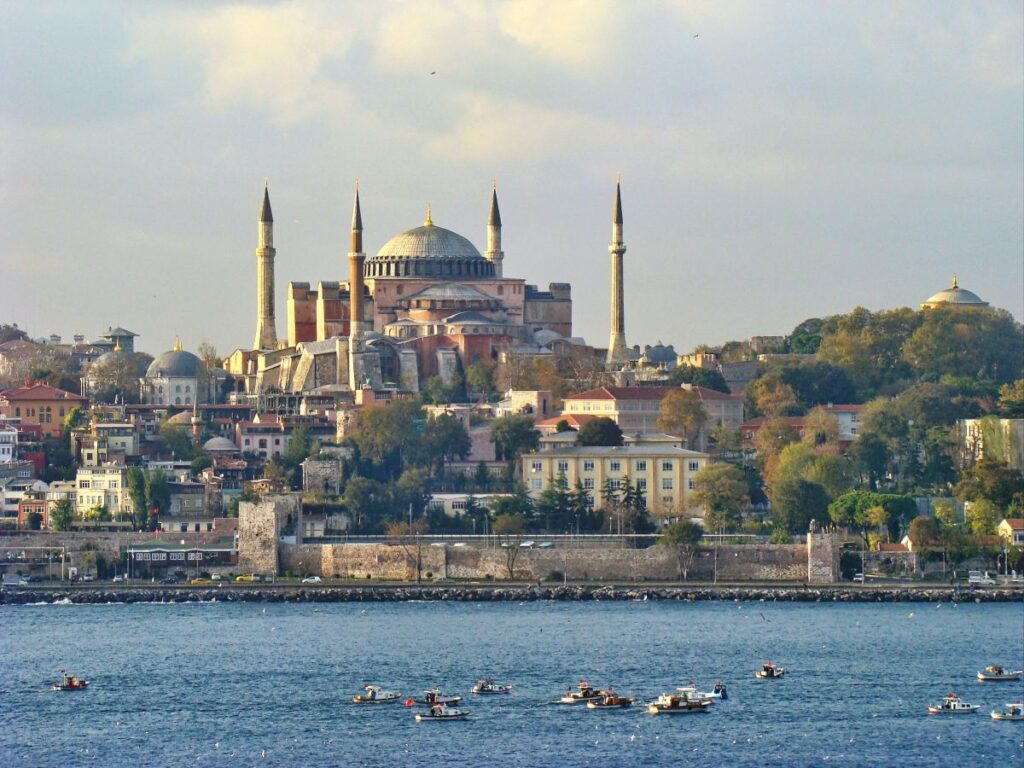
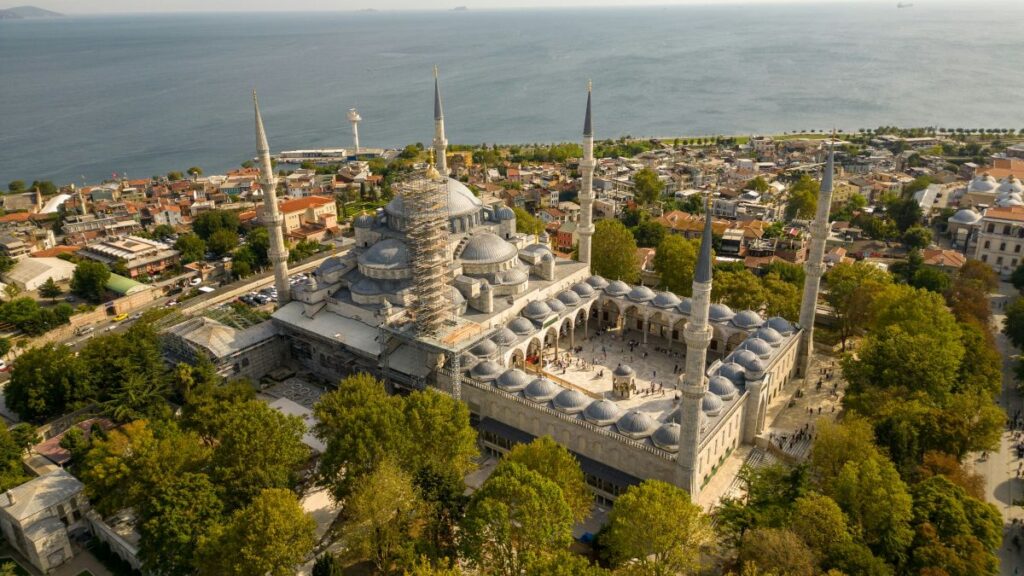
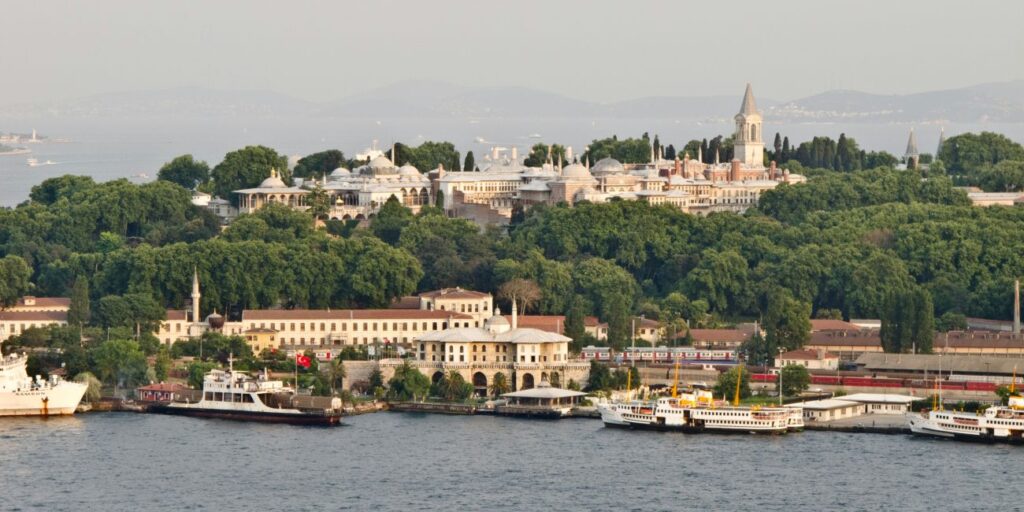
Day 2: Hagia Sophia, the Blue Mosque and Topkapı Palace
Begin your first full day in Sultanahmet. The old Hippodrome is a useful place to start because it introduces the city before the Ottoman period. Its surviving monuments recall the public ceremonies and chariot races of Byzantine Constantinople, while the buildings around the square show how the city changed under later rulers.
Visit the Blue Mosque and Hagia Sophia, allowing time to appreciate their interiors. The Blue Mosque remains a working place of worship, so the order of your visits should take prayer times into account. At Hagia Sophia, the scale of the dome and the layers of Byzantine and Ottoman history are what stay with most visitors.
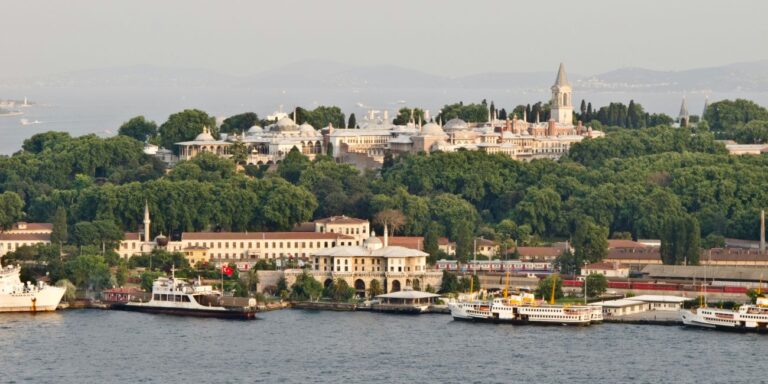
The Basilica Cistern is nearby and can fit into the morning if queues and your pace allow. Afterwards, have lunch before continuing to Topkapı Palace. Give the palace a substantial afternoon: its courtyards, collections and waterfront views deserve more than a quick circuit. If you also want to visit the Harem, allow additional time.
This is a full day on foot. If you prefer longer visits and a slower lunch, leave one attraction for another day. Opening days matter too; if Topkapı is closed, switch part of today’s programme with tomorrow rather than trying to force everything into the same afternoon.
A guide can help you understand how these places relate to one another. If you would like a guided visit to the two mosques, you can see this Hagia Sophia and Blue Mosque tour on GetYourGuide. Check the current admission arrangements and inclusions, as the tour covers part of the day described here.
You will return to the same Istanbul hotel tonight. For more background before you visit, see my best things to do in Istanbul guide.
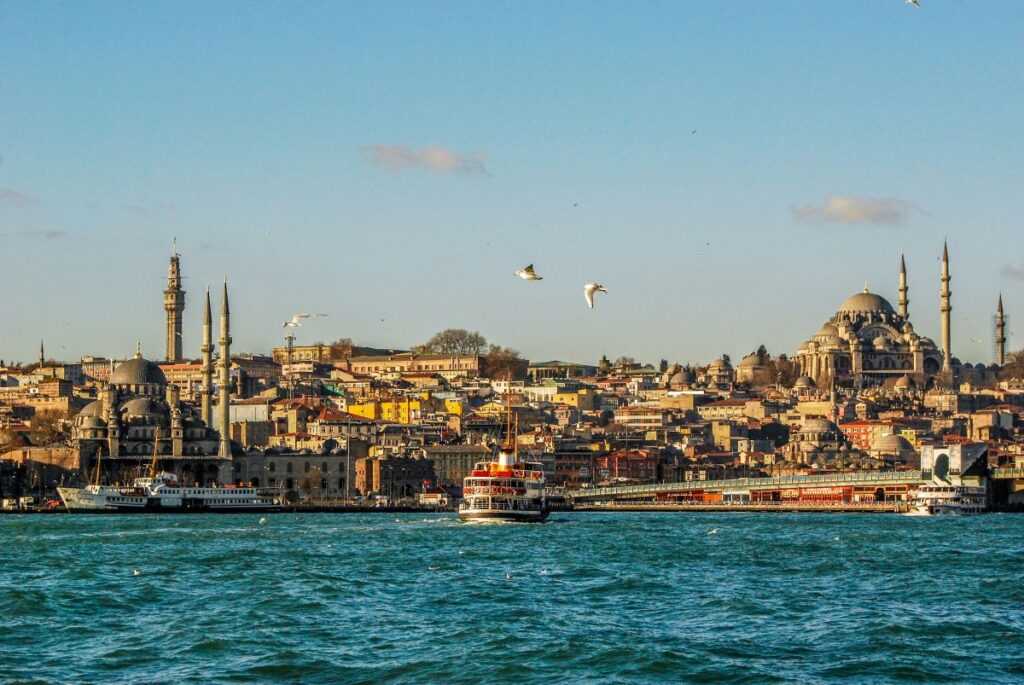

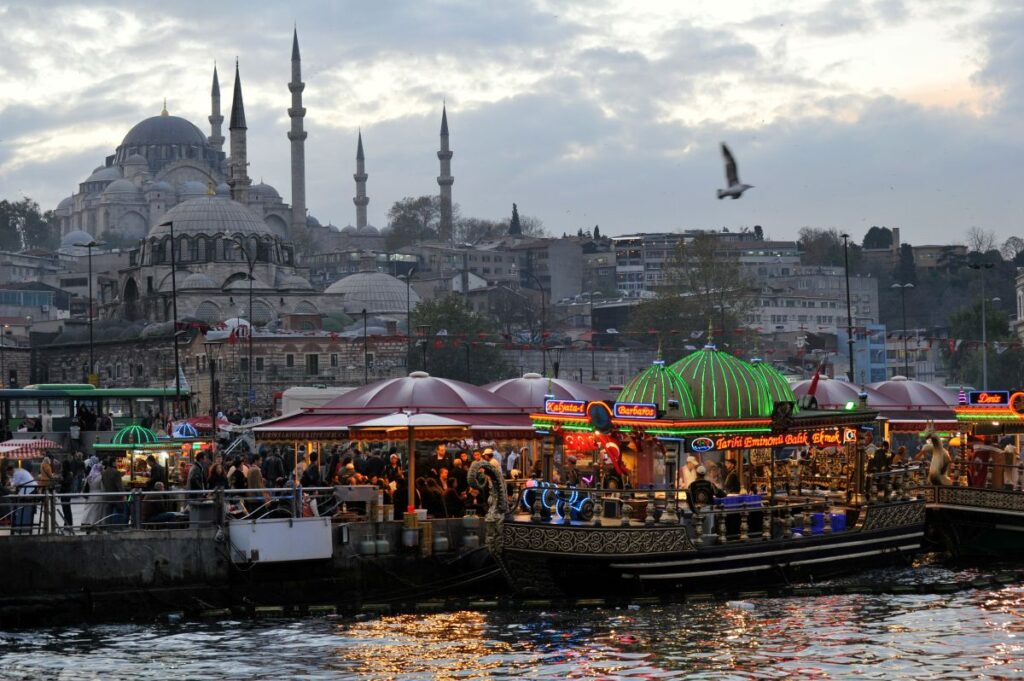
Day 3: The Bosphorus and Life Beyond Sultanahmet
After a day among imperial monuments, spend today exploring Istanbul around the water. Start near Eminönü, where the Spice Bazaar and surrounding streets provide a lively introduction to the city’s trading life. There are plenty of places to stop for tea or something to eat before heading to the waterfront.
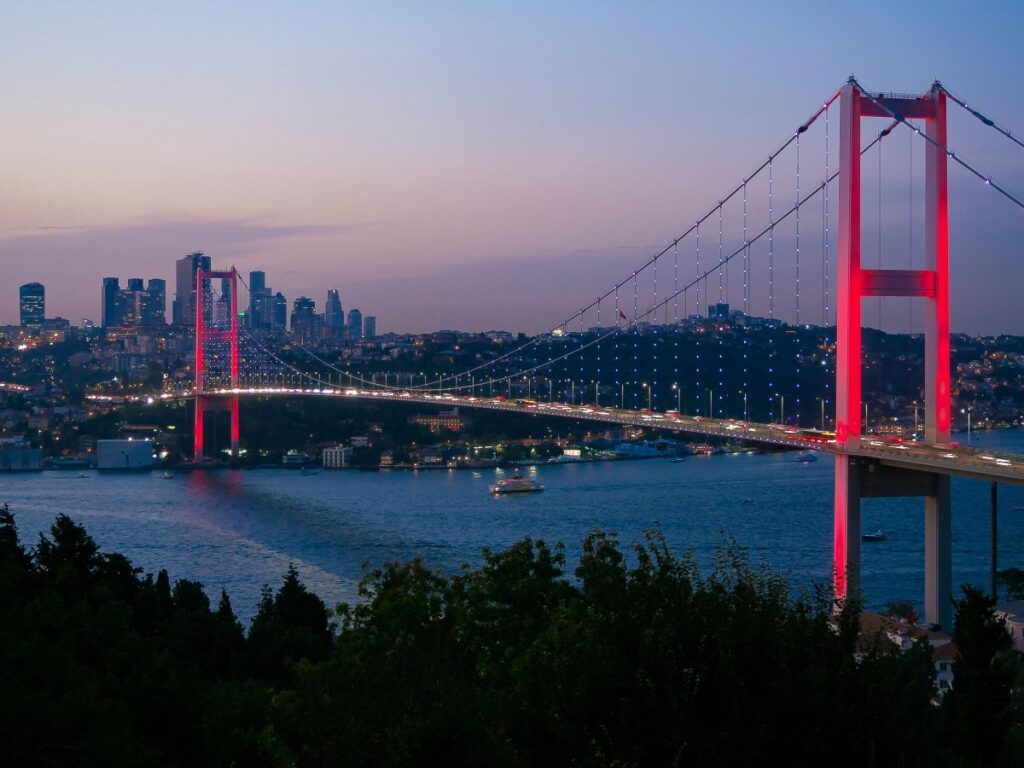
A short Bosphorus cruise is a good way to see how the city stretches along the strait. Palaces, waterfront houses and neighbourhood mosques appear between the hills, and the scale of Istanbul becomes much easier to understand from the boat. Afterwards, you can explore Karaköy and walk uphill towards Galata, stopping along the way rather than treating the tower as your only destination.
If you would rather spend more time in a neighbourhood, take a ferry to Kadıköy and explore its market streets. Lunch here, followed by a walk towards Moda, makes an enjoyable afternoon. Choose the combination that appeals to you; you do not need to fit every district into your final Istanbul day. My guide to non-touristy things to do in Istanbul has more ideas.
For an evening on the water, this Bosphorus dinner cruise combines dinner with entertainment. It is a different experience from a daytime sightseeing cruise, so choose according to what you would enjoy and how early you need to leave for the airport tomorrow.
Spend your third night in Istanbul. If you are taking the road route through Ankara, this is the day you leave the city instead; the alternative programme is explained below.
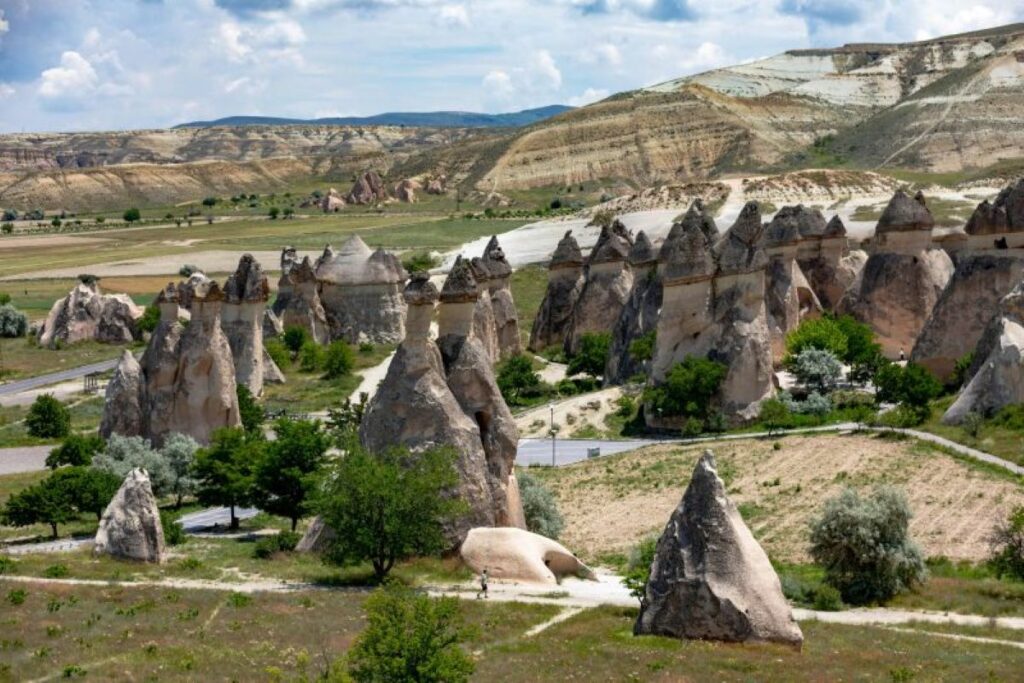
Day 4: Flying to Cappadocia
Take a flight to Nevşehir Kapadokya Airport or Kayseri Erkilet Airport, then continue to your Cappadocia hotel. Nevşehir is closer to the main visitor towns, but a well-timed flight to Kayseri may suit your journey better. Compare the airfare, departure time and onward transfer together. My Istanbul to Cappadocia guide explains the journey in more detail.
Check which Istanbul airport your flight uses before arranging transport from your hotel. Istanbul Airport and Sabiha Gökçen are far apart, and a domestic flight may leave from a different airport than the one where you arrived. In Cappadocia, reserve your airport transfer in advance, particularly if you want a shared shuttle. The Turkey airport transfer guide explains the ground connections.
With an early arrival, you should have time for a gentle afternoon out. Uçhisar Castle and the nearby Pigeon Valley viewpoint make an enjoyable introduction, followed by a sunset stop overlooking the valleys. If your flight lands later, settle into your hotel and explore the town where you are staying.
For these three nights, choose one base. Göreme is convenient if you want restaurants and visitor services nearby. Uçhisar is appealing for its valley views, while Ürgüp offers boutique hotels, restaurants and more of a local town atmosphere. My where to stay in Cappadocia guide will help you decide.
Have a relaxed dinner tonight, especially if you are hoping to fly in a balloon tomorrow morning.
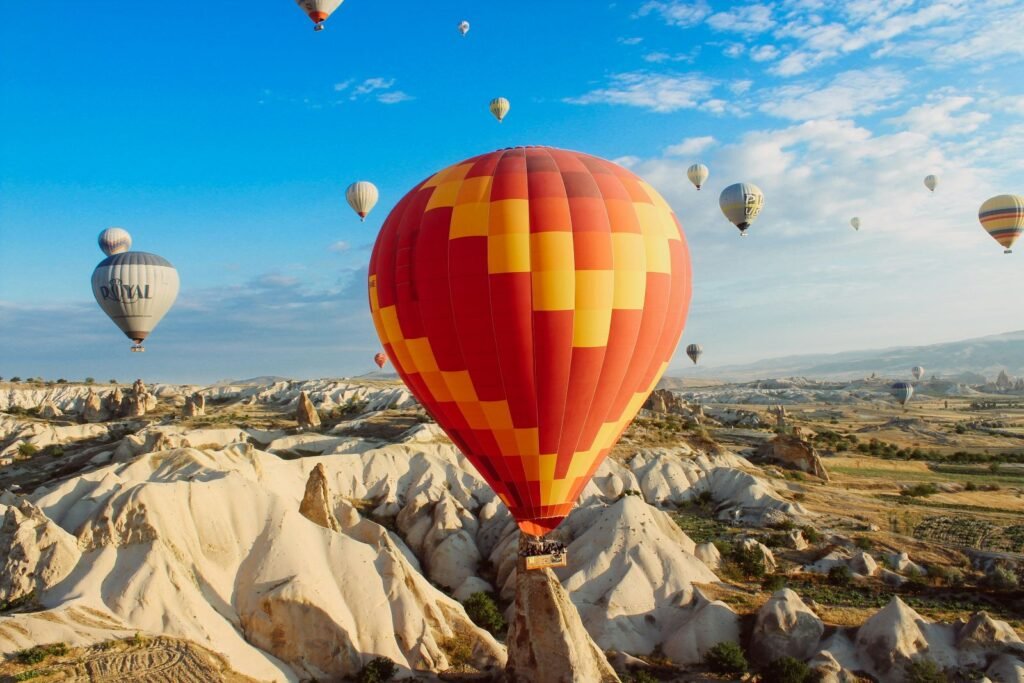
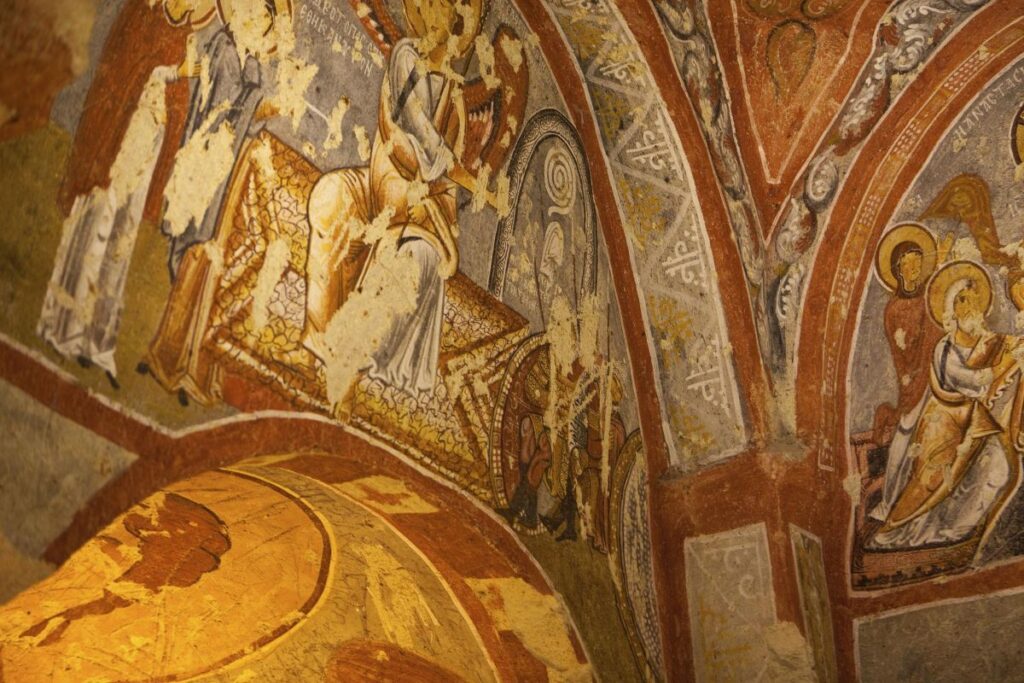
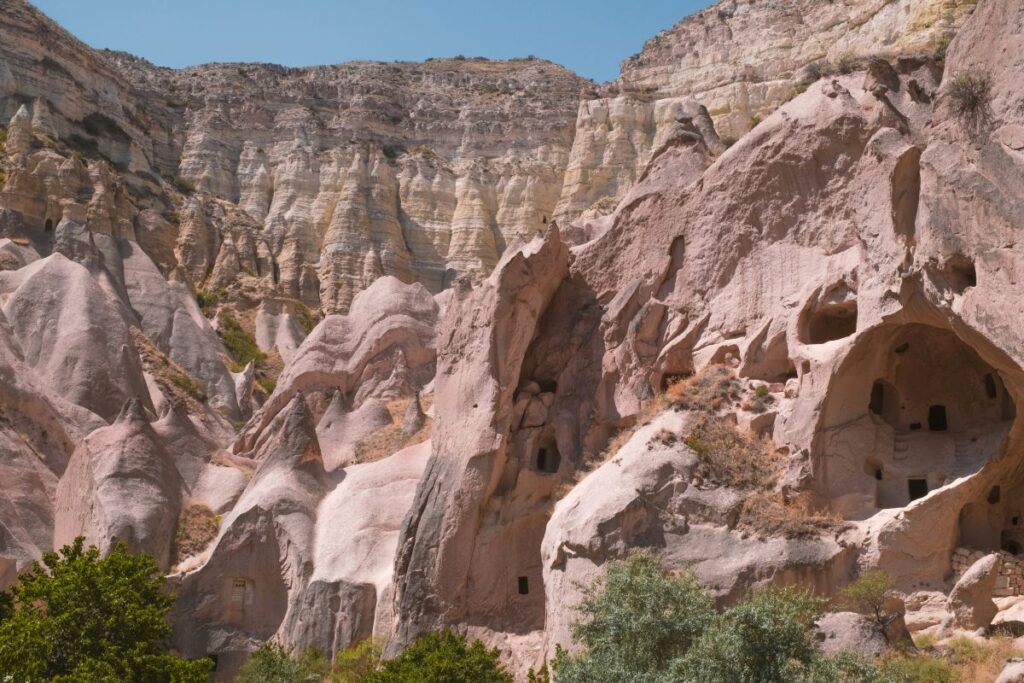
Day 5: Balloons, Cave Churches and Fairy Chimneys
If a hot-air balloon flight is part of your plans, book it for your first suitable morning in Cappadocia. Flights depend on weather conditions and civil aviation approval. When flying is cancelled, having another morning available gives you a chance to try again if the operator has space.
You can check this Cappadocia sunrise balloon flight on GetYourGuide, looking at the flight area, basket option and pickup arrangements before choosing. If you prefer to watch from the ground, find a suitable viewpoint for sunrise on a morning when balloons are flying.
After breakfast, begin at Göreme Open-Air Museum. The churches and their painted interiors help explain the religious life of Cappadocia’s rock-cut settlements. Take time to look at the frescoes and the spaces around the churches; this is one of the places where a guide’s explanation adds a great deal to the visit.
Continue to Paşabağ, where some of the region’s most distinctive fairy chimneys stand close together. From there, travel to Devrent to see the different shapes created by erosion, then finish in Avanos. The town’s pottery tradition and setting beside the Kızılırmak River offer a change from the valleys. If you are interested, stop for a pottery demonstration and leave time for a walk around town.
This route works well with a private vehicle or a guided day tour because the sites are spread out. Check the actual stops when booking, as similarly named tours can follow different programmes. You can find more about each place in my best things to do in Cappadocia guide.
Return to your Cappadocia hotel for a quiet evening after the early start.
Day 6: An Underground City and Ihlara Valley
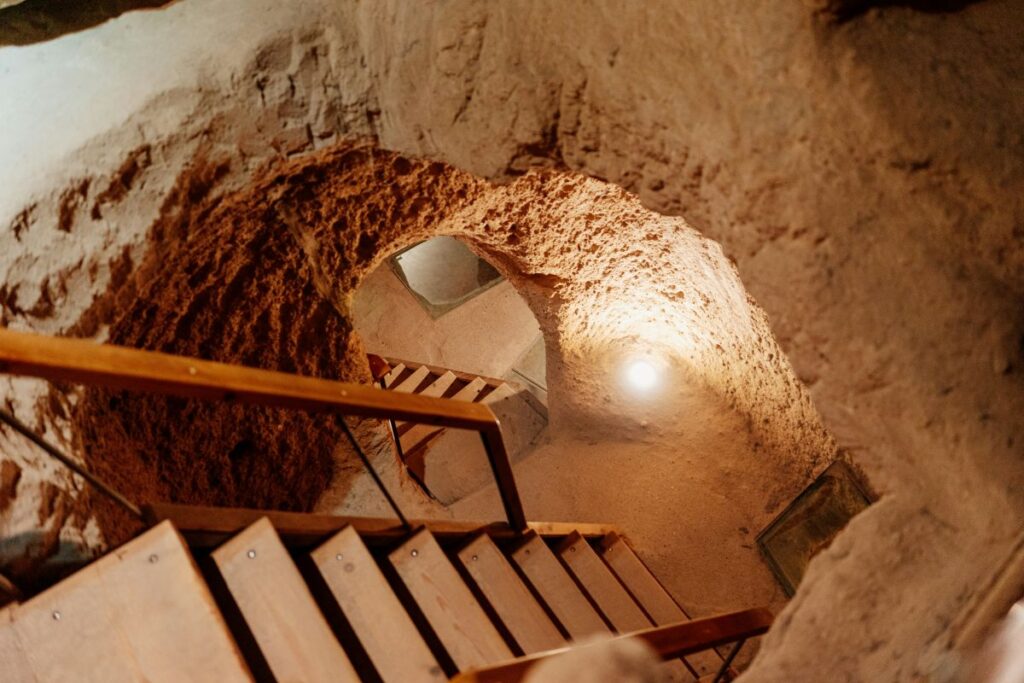
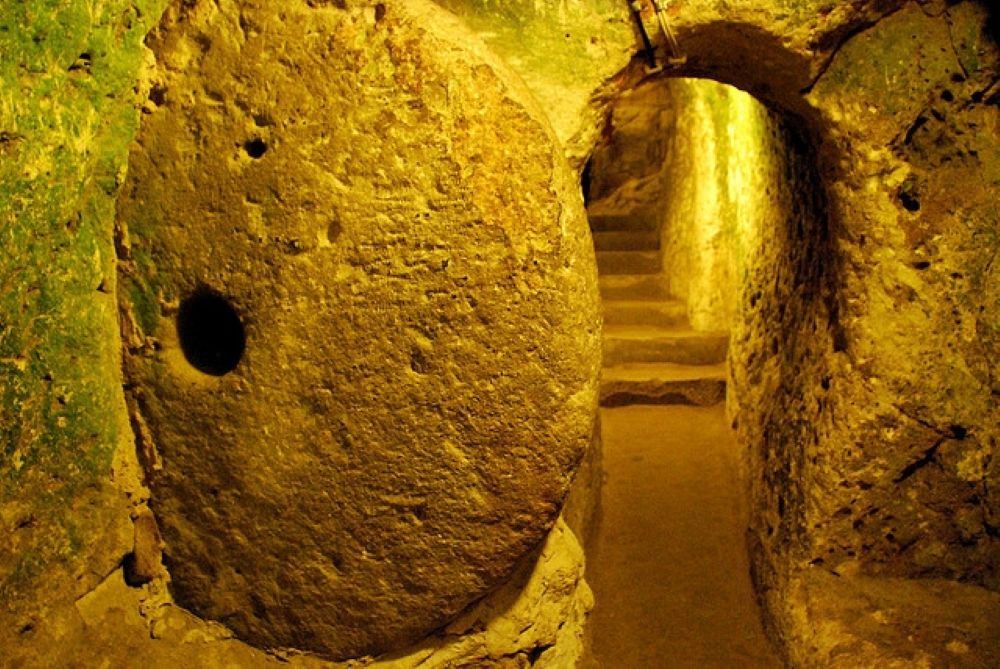
Today takes you farther from the central valleys to explore another side of Cappadocia. Start with Kaymaklı or Derinkuyu Underground City. Walking through the passages and shared spaces gives you a sense of the planning involved in creating these underground refuges, from ventilation to food storage.
Choose one underground city for this trip. Their narrow passages and stairs can be uncomfortable for anyone who dislikes enclosed spaces or has difficulty bending and climbing, so discuss an alternative with your guide if necessary.
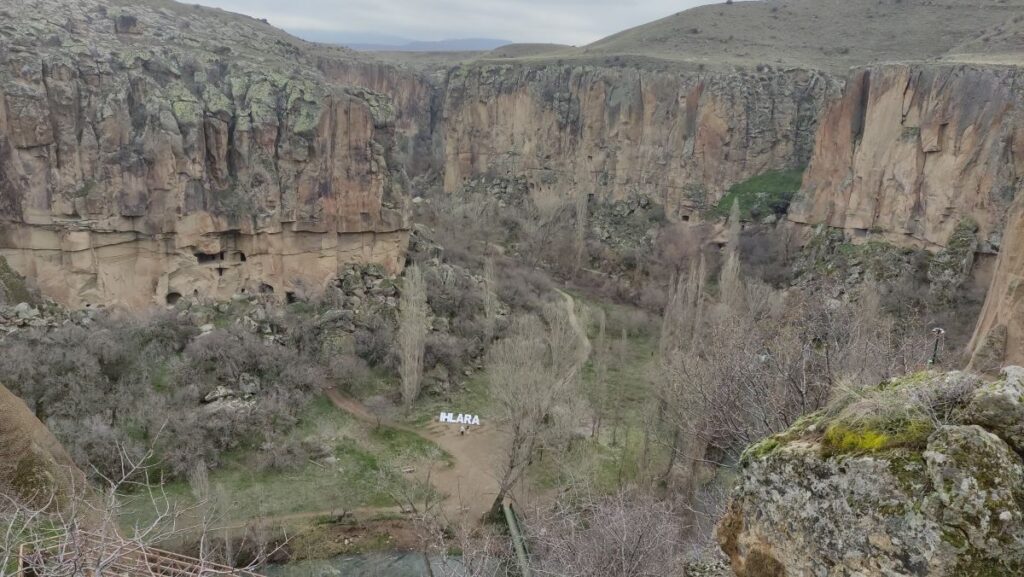
Continue towards Ihlara Valley, where a walk beside the Melendiz River brings a different landscape into the journey. Trees line the water and rock-cut churches survive in the canyon walls. You can choose a manageable section of the valley rather than attempt a long hike, with lunch near the river along the way.
Selime Monastery can also fit into the day, depending on how long you spend walking and visiting the other sites. Its rock-cut spaces are worth seeing, but agree on the programme with your guide so that you have enough time at the places that interest you most.
You will usually spend your final night in Cappadocia. If you need to return to Istanbul tonight for an early international flight tomorrow, arrange the sightseeing around your domestic departure time. My Cappadocia travel guide provides more help with the region’s layout and transport.
Day 7: Your Last Morning and Departure
Your flight time decides how much you can do today. A later departure may leave time for breakfast on the terrace, a short walk or a rescheduled balloon flight. An early departure means going straight to the airport, so avoid booking activities until you know your transfer time.
If you are connecting to an international flight in Istanbul, check that both flights use the same airport and understand whether they are on one booking or separate tickets. Leave a generous connection, particularly when the tickets are separate. For an early international departure, I would return to Istanbul on Day 6 and spend the last night there, shortening the final Cappadocia excursion as needed.
The route described here finishes in Cappadocia. Your journey home may involve a connection through Istanbul, so arrange that final leg before confirming all six hotel nights.
Travelling Through Ankara Instead of Flying
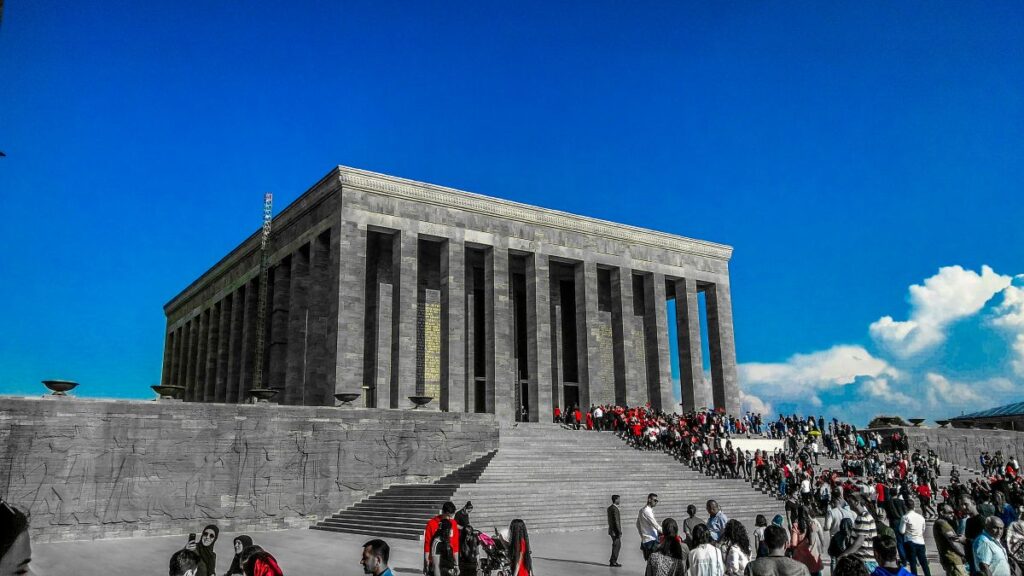
If you enjoy travelling overland, you can replace the flight with a private journey through Ankara, accompanied by a driver and licensed guide. The capital adds something different to the week: the Museum of Anatolian Civilizations introduces the cultures of ancient Anatolia, while Anıtkabir tells part of the story of the modern Turkish Republic.
To keep this version within seven days, spend two nights in Istanbul and leave for Ankara on Day 3. You will miss the full Bosphorus and neighbourhood day described above, although an evening cruise might fit earlier if your arrival time allows. After one night in Ankara, continue to Cappadocia on Day 4 and follow the remaining programme.
Day 3: Istanbul to Ankara
Leave Istanbul after breakfast and allow most of the first part of the day for the journey. As a broad planning estimate, expect around five to six hours of driving before meal breaks and sightseeing, with additional time possible when leaving Istanbul. Your hotel locations and traffic will affect the actual journey.
On arrival, choose your main Ankara visit according to the time available. Anıtkabir is a meaningful place to learn about Mustafa Kemal Atatürk and the foundation of the Republic. If ancient history is your main interest, give priority to the Museum of Anatolian Civilizations, whose collections provide context for the archaeological sites found across Turkey.
You may be able to visit one this afternoon and the other tomorrow morning. Keep that decision flexible around opening hours and your arrival time. If there is time afterwards, the old streets near Ankara Castle offer somewhere pleasant to walk before dinner and your overnight stay.
Day 4: Ankara to Cappadocia
After breakfast, finish the Ankara visit you have planned, then set off towards Cappadocia. Allow roughly three to four hours of driving before stops, depending on the route and the town where you are staying. Spending longer at the museum means reaching Cappadocia later, which is perfectly workable if you keep the afternoon light.
Tuz Gölü, the Salt Lake, can be a worthwhile stop when conditions and the route suit. Its appearance changes with the season and water level, so the landscape may look quite different from photographs you have seen. Your guide can help decide whether a stop makes sense on the day.
Continue to your Cappadocia hotel and settle in for three nights. If you arrive with daylight to spare, visit a nearby viewpoint before dinner. From the next morning, follow the balloon, Göreme and northern valleys programme, then the underground city and Ihlara route.
A private guided journey is particularly useful for this version because the road stops and museum visits can be planned together. When requesting a quotation, confirm the vehicle, driver, licensed guide, accommodation and admission arrangements so you understand what is included. The journey finishes in Cappadocia; a return drive to Istanbul would require more travel time.
You can also drive yourself, preferably collecting the car when you leave Istanbul. Check the one-way rental arrangements if you intend to return it in Cappadocia. My getting around Turkey guide explains the wider transport options.
Making This Week Work for You
For a first visit with exactly seven days, I would usually fly between Istanbul and Cappadocia. Choose the Ankara version if the capital is somewhere you actively want to visit and you enjoy road journeys. If you would like the full Istanbul programme as well as Ankara, adding an eighth day gives the trip more breathing room.
Spring and autumn are appealing for walking in both destinations. Summer can also work well with earlier starts, while winter brings a quieter atmosphere and the possibility of snow in Cappadocia. For the road version, winter conditions may require more flexibility. My guide to the best time to visit Turkey explains the seasonal differences.
Once you have matched the route to your international flights, arrange the domestic flight or private vehicle, then book the hotels and any activities you particularly want to do. The balloon flight can make a noticeable difference to your total spending, so compare current options alongside accommodation and transport. See my Turkey travel costs guide for more help with budgeting.
If you also want to include Ephesus and Pamukkale, allow more time and follow the 10 day Turkey itinerary. For a broader journey, the 14 day Turkey itinerary includes additional regions. My guide to how many days to spend in Turkey can help you decide which route fits your holiday.
If you are unsure how the journey would work with your flights, you can ask me a question. Send your arrival and departure airports, travel dates and the places you most want to see, and I can help you judge whether the flying or Ankara version makes more sense.