“Is Turkey safe to visit?” is a question I hear often. I have worked as a licensed tour guide across Turkey since 2008, and I have never felt unsafe anywhere in the country—not even when guiding at the Syrian border itself. That is my firsthand experience, built over many years on the road with travelers.
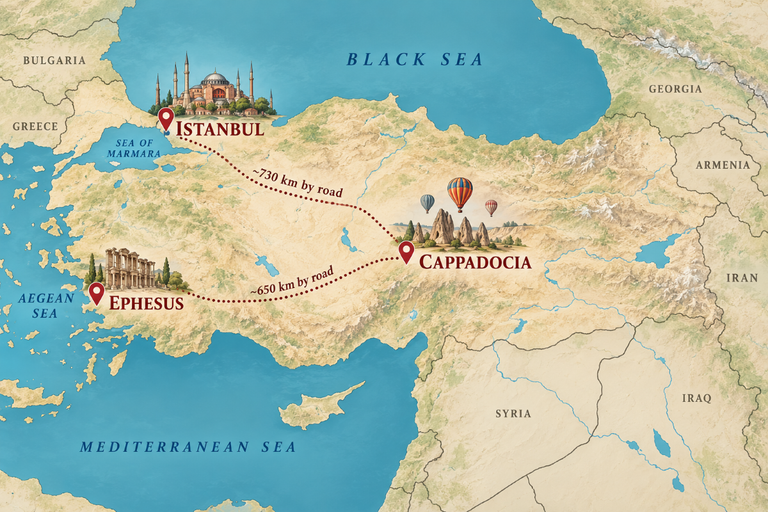
I also understand why people ask. International headlines often focus on conflict and political tension, while giving little sense of the distances involved or what daily life is like on a visitor’s actual route. A headline about one border area can leave the impression that the whole country feels the same. It does not.
My honest answer is that Turkey is a welcoming country where visitors travel every day to Istanbul, Cappadocia, Ephesus, the Aegean coast and many other regions. As in any large country, local conditions differ and no guide can promise that every place or moment is risk-free. Read this page as a practical guide from someone who knows the country firsthand, and check official advice for the exact places on your itinerary before you travel.
The short answer
Based on my experience as a guide, I have never felt that Turkey’s main visitor routes were inherently unsafe. I would not tell travelers to judge the country only by dramatic headlines or by warnings written for a particular province. The useful questions are more specific: Where are you going? What is the current local situation? Which transport and activities are you using?
Most trips call for the same sensible habits used in other busy destinations: look after your belongings, use reputable transport, follow local instructions and check conditions when traveling between regions. For any border-area itinerary, review current official guidance for your passport country and the specific route. That is a practical planning step, not a reason to assume that all of Turkey is dangerous.
Turkey, NATO and the wider picture
Turkey is a long-standing member of the Western alliance through NATO, which it joined in 1952. NATO membership is part of the country’s wider security and international context, and it is one reason Turkey should not be understood only through headlines about neighboring conflicts. Turkey is also a large, modern country with established tourism routes and a long history of welcoming international visitors.
For me, the most meaningful perspective comes from years of guiding across the country. I have taken travelers through many regions, including places close to the Syrian border. Visitors should still follow local instructions and check relevant travel advice for a specific route. NATO membership and a guide’s personal experience provide context; neither replaces practical, up-to-date information.
Sources: NATO — Türkiye and Greece joined NATO in 1952; NATO — collective defence and Article 5.

Is Turkey Safe for Tourists?
Turkey attracts more than 50 million international visitors every year, making it one of the most popular travel destinations in the world.
These areas are well-developed for tourism and have strong infrastructure including modern airports, hotels, and transportation networks.
Police presence is also common in major tourist zones, which helps maintain safety for visitors.
The vast majority of travelers explore Turkey without encountering any safety problems.
Most tourists visit famous destinations such as:
- Istanbul
- Cappadocia
- Ephesus
- Pamukkale
- Antalya
- Bodrum
- Fethiye
Crime Rates in Turkey: Big Cities vs Tourist Areas
Like many countries, crime levels in Turkey vary depending on the location.
Large cities such as Istanbul, with more than 15 million residents, naturally experience more minor crime compared to smaller towns.
However, this situation is very similar to major European cities such as:
- Paris
- London
- Rome
The most common issues tourists might extremely rarely encounter include:
- pickpocketing in crowded places
- taxi scams
- overcharging in tourist markets
Violent crime involving tourists is extremely rare.
Smaller travel destinations such as Cappadocia, Pamukkale, and Ephesus are known for being peaceful and safe.
Many travelers actually feel safer in these areas than in large metropolitan cities.
Is Istanbul safe to visit?
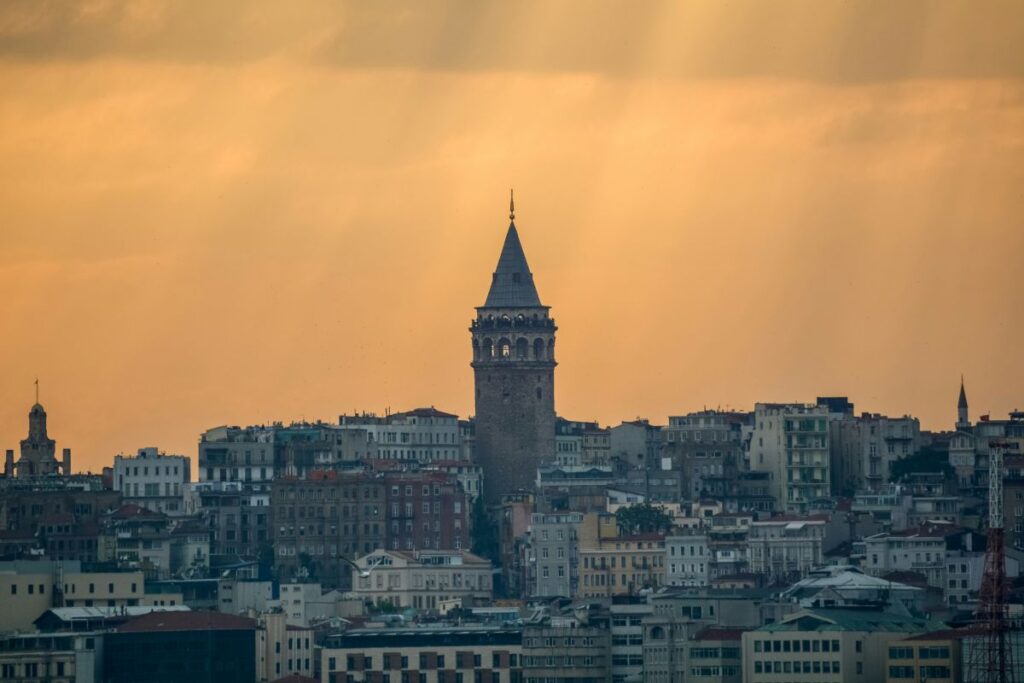
I have visited Istanbul dozens of times, both while guiding travelers and on my own. I have walked its streets alone late in the evening on many occasions, and I have never personally experienced a safety problem or felt worried about being there. Visitors I guide regularly tell me how comfortable they feel once they arrive and experience the city for themselves.
Istanbul is a vast city with very different neighborhoods, so practical advice is more useful than a blanket label. Around busy attractions, markets and public transport, keep your belongings secure. Check restaurant prices before ordering and use licensed taxis or established transport services. These are ordinary precautions for exploring a major city.
For a first visit, I would spend more time planning a convenient hotel location and understanding the transport network than worrying about every evening walk. Exploring the waterfront, having dinner out and enjoying the city after sunset are part of the Istanbul experience.
For neighborhood, transport, and sightseeing advice, see my Istanbul Travel Guide.
Is Cappadocia safe to visit?
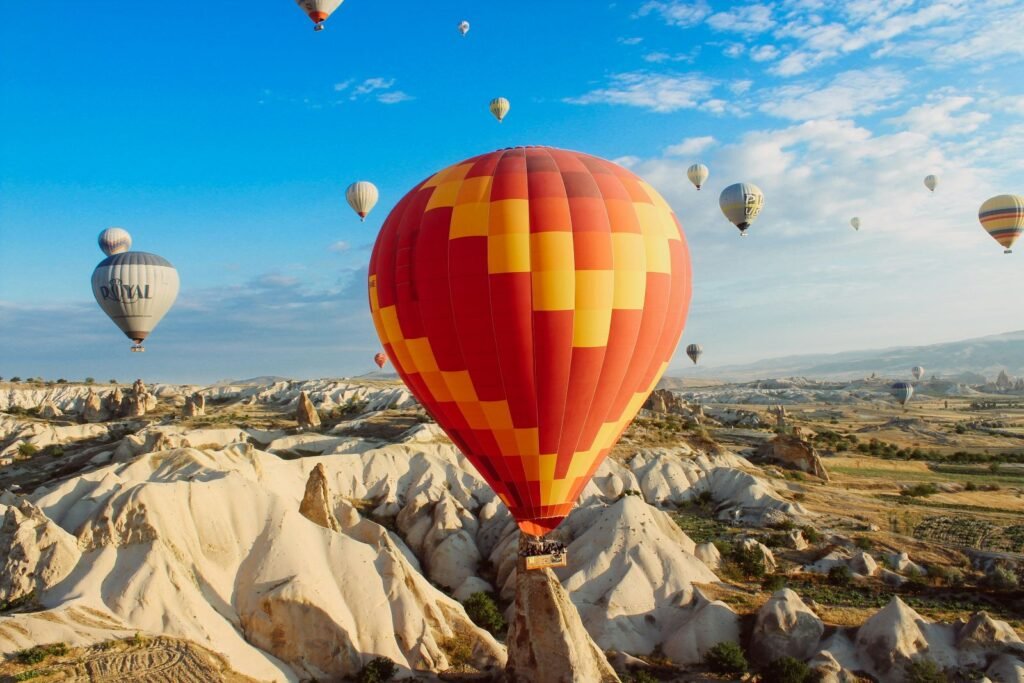
Cappadocia is where I live and work, and my perspective comes from years of everyday life here as well as guiding visitors. I have explored the region countless times, including walking alone late in the evening, and I have never personally felt unsafe. Travelers frequently tell me that they find the towns welcoming and the atmosphere relaxed.
The things that deserve attention are mostly practical. Valley paths can be uneven, loose volcanic soil can be slippery, and an unfamiliar hiking route becomes harder to follow after dark. Take suitable shoes and water, and finish longer walks before sunset unless you know the route well.
For hot-air balloon flights, the decision to allow flying is subject to Turkey’s civil aviation oversight and the assessment of weather conditions. Flights do not simply go ahead because passengers have booked: when conditions are unsuitable, they are cancelled. Pilots also assess whether they can safely operate their flights. A cancellation can be disappointing, but it is part of how balloon operations manage safety.
My advice is to book with a licensed operator, listen carefully to the safety briefing and allow more than one morning in Cappadocia if a balloon flight is a priority.
My Cappadocia Travel Guide covers the region’s valleys, towns, underground cities, and practical travel planning.
Is Ephesus safe to visit?
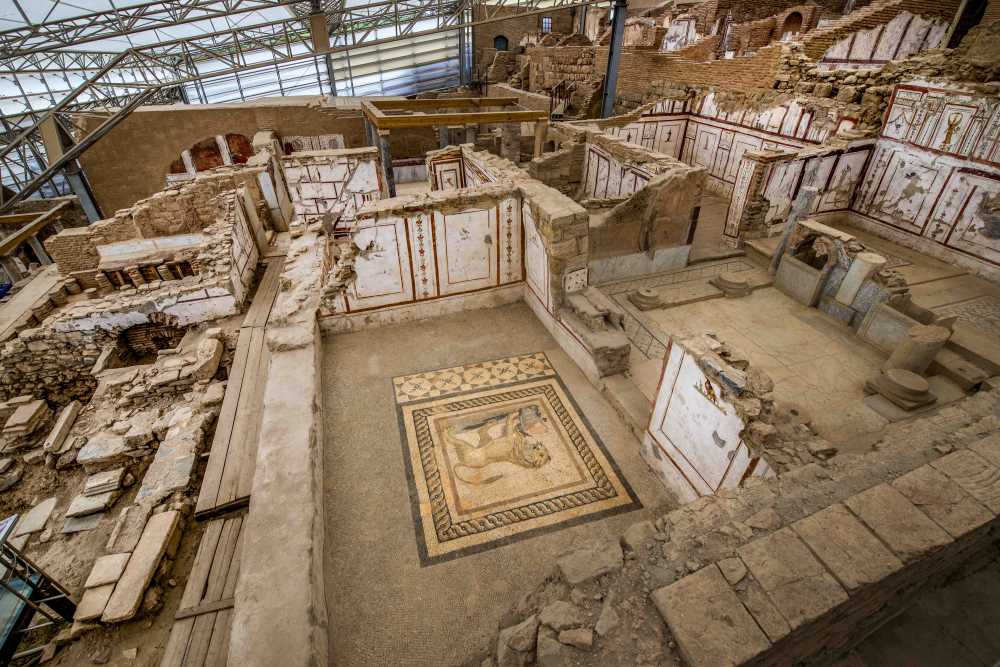
I have taken travelers to Ephesus dozens of times and have never personally experienced a safety problem there. In my experience, visitors generally feel comfortable exploring the archaeological site and spending time in nearby Selçuk.
At Ephesus, the main challenges during an ordinary visit are the heat, the walking and the ancient surfaces underfoot. Marble paving can be slippery, some sections are uneven, and shade is limited along much of the route. Comfortable shoes, drinking water and sun protection will make a much greater difference to your visit than arriving with a sense of anxiety.
Keep your belongings with you, as you would at any busy attraction, and arrange your return transport before setting off. Beyond those practical details, give yourself time to enjoy the site. Ephesus rewards a slower visit, with opportunities to look beyond the famous Library of Celsus and understand the streets, houses and public buildings around it.
For a fuller look at the archaeological site and nearby Selcuk, see my Ephesus Travel Guide.
Is Eastern Turkey safe to visit?
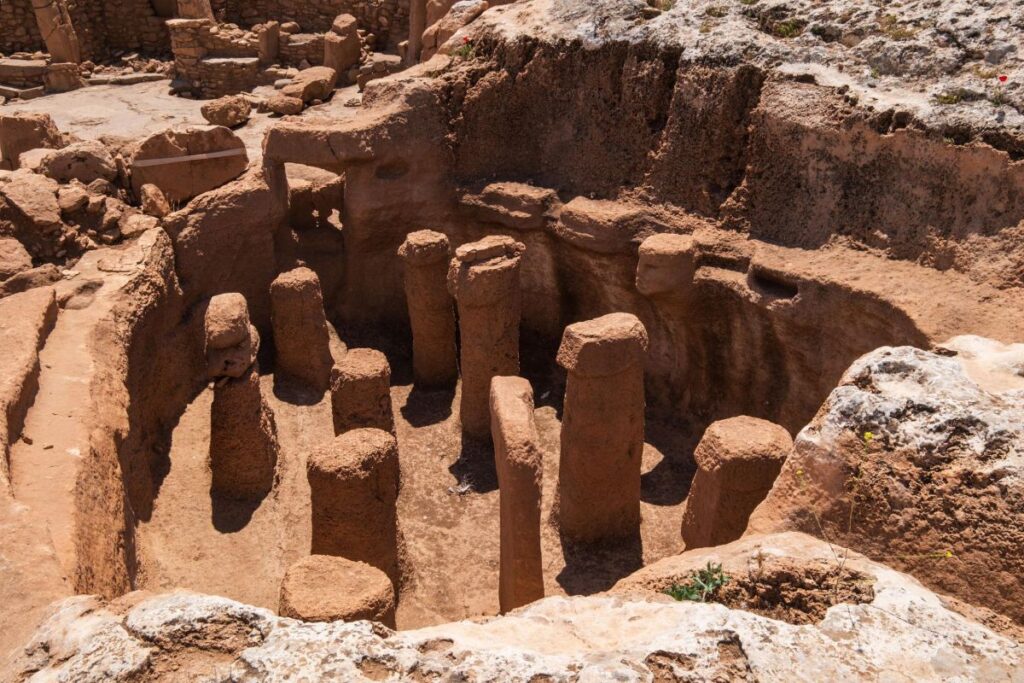
Eastern and southeastern Turkey are places I have returned to many times as a guide. I have traveled through the region, explored towns and cities, and walked alone late in the evening on dozens of occasions without personally experiencing a safety problem or feeling concerned. That includes my own visits close to the Syrian border.
Travelers I accompany often tell me how comfortable they feel and how warmly they have been welcomed. Conversations with local people, visits to markets and meals in neighborhood restaurants frequently become some of their strongest memories of the trip.
It also helps to understand the geography. Eastern and southeastern Turkey cover a huge area. Kars, Van, Diyarbakır, Mardin, Şanlıurfa and Mount Nemrut are distinct destinations, with different landscapes, distances and travel conditions. Treating all of them as one uniform “border region” gives a misleading picture.
For visitors, good planning means allowing realistic driving times, choosing accommodation in convenient locations and accounting for seasonal conditions, particularly on mountain routes. For remote excursions or places immediately beside an international border, ask a knowledgeable local guide or operator about access and any restrictions affecting that particular route.
My personal experience cannot promise what every traveler will encounter, but it is the experience I can honestly share: I have repeatedly felt comfortable traveling here, including after dark, and my guests regularly describe feeling the same.
If you are planning a longer journey, my Eastern Turkey Itinerary shows how to connect destinations across the region.

Turkish Hospitality: Why Travelers Feel Welcome
One of the most memorable aspects of traveling in Turkey is the hospitality of the Turkish people.
Hospitality has deep cultural roots in Turkish society, and guests are traditionally treated with great respect.
Travelers often experience simple but meaningful gestures such as:
- locals offering directions
- shop owners inviting visitors for tea
- restaurant staff providing extra help
These small interactions often make visitors feel comfortable and welcomed throughout the country.
Many travelers say this friendly atmosphere contributes greatly to feeling safe while exploring Turkey.
For longer journeys between destinations, read my guide to Getting Around Turkey.

Is Turkey in Europe or the Middle East?
Turkey spans both Europe and Asia. Its smaller European territory, known as Eastern Thrace, lies west of the Bosphorus, the Sea of Marmara and the Dardanelles. Most of the country occupies Anatolia in Asia. Istanbul itself stretches across the Bosphorus, with neighborhoods on both continents.
The question becomes more nuanced when we talk about the Middle East, because Europe and Asia are continents, while the Middle East is a geographical and political region with no universally agreed boundaries. Turkey is included in many definitions of the Middle East, particularly in discussions of regional politics. However, describing the entire country only as “Middle Eastern” leaves out much of its geography, history and identity.
Turkey also belongs to the Mediterranean and Black Sea worlds, has deep connections with the Balkans and the Caucasus, and shares linguistic and cultural ties with Central Asia. These connections overlap. Along the Aegean coast, visitors encounter olive groves, ancient Greek and Roman cities, and seaside towns. In southeastern Anatolia, the landscapes and heritage connect more closely with northern Mesopotamia. Istanbul brings together layers of Roman, Byzantine and Ottoman history.
Turkey’s Muslim-majority population is another reason some visitors associate it primarily with the Middle East. Yet religion alone does not define a country’s geography, culture or everyday life. Traditions, lifestyles and local customs vary considerably between regions and communities.
For travelers, the most useful approach is to understand the places on your itinerary. A holiday in Istanbul, Cappadocia or Ephesus should be assessed through conditions in those destinations. Sharing a border with a country experiencing conflict does not mean that every part of Turkey shares the same circumstances. Geography and distance matter, alongside current information about the route you actually plan to travel.
To see how Istanbul, Cappadocia, Ephesus, and Pamukkale fit into one route, use this 10 Day Turkey Itinerary.
Safety Tips for Visiting Turkey
Following simple precautions can help ensure a safe trip.
✔ Keep valuables secure in crowded areas
✔ Use official taxis or transportation apps
✔ Avoid carrying large amounts of cash
✔ Stay aware in busy tourist locations
✔ Respect local customs and traditions
These simple steps can help travelers avoid most potential problems.
Emergency number in Turkey
Call 112 for emergency assistance. Turkey uses 112 as its single emergency call number for services including ambulance, police, fire and gendarmerie. Tell the operator your location as clearly as possible. If you are at a hotel or organized tour, ask staff to help communicate your location and needs.
Official source: Republic of Türkiye Ministry of Interior — 112 Emergency Call Center
Save your accommodation address and a trusted contact offline on your phone. Keep your insurer’s emergency number and your country’s embassy or consulate details accessible. For a lost passport or consular help, contact your country’s official embassy or consulate rather than relying on unofficial intermediaries.
Final Thoughts: Is Turkey Safe to Visit?
Turkey remains one of the most fascinating destinations in the world.
With its rich history, diverse landscapes, and welcoming culture, the country continues to attract millions of visitors every year.
For the vast majority of travelers, Turkey is a safe and rewarding place to explore.
By following basic travel precautions and staying informed, visitors can enjoy everything Turkey has to offer.
FAQ
Is Turkey safe for tourists Now in 2026?
Yes. Turkey is safe for tourists, especially in major destinations like Istanbul, Cappadocia, Pamukkale, Antalya and Ephesus. It is safe all around Turkey.
Are Turkish people friendly to tourists?
Yes. Turkish culture is known for hospitality, and many travelers report positive interactions with locals.
Is Turkey part of Europe or the Middle East?
Turkey is a transcontinental country located in both Europe and Asia.