Looking for the best traditional hammams in Istanbul? Visiting a traditional Turkish bath is one of the most unforgettable cultural experiences in Turkey. From historic Ottoman bathhouses and marble steam rooms to relaxing foam massages and centuries-old rituals, Istanbul’s hammams offer much more than a simple spa treatment.
In this guide, you’ll discover the best traditional hammams in Istanbul, what to expect during your first visit, local etiquette, prices, tips, and the differences between authentic historic hammams and modern tourist-focused experiences.
Whether you want a luxury Ottoman hammam or a more local Turkish bath experience, these are the best places to relax after exploring Istanbul.
What Is a Turkish Hammam?
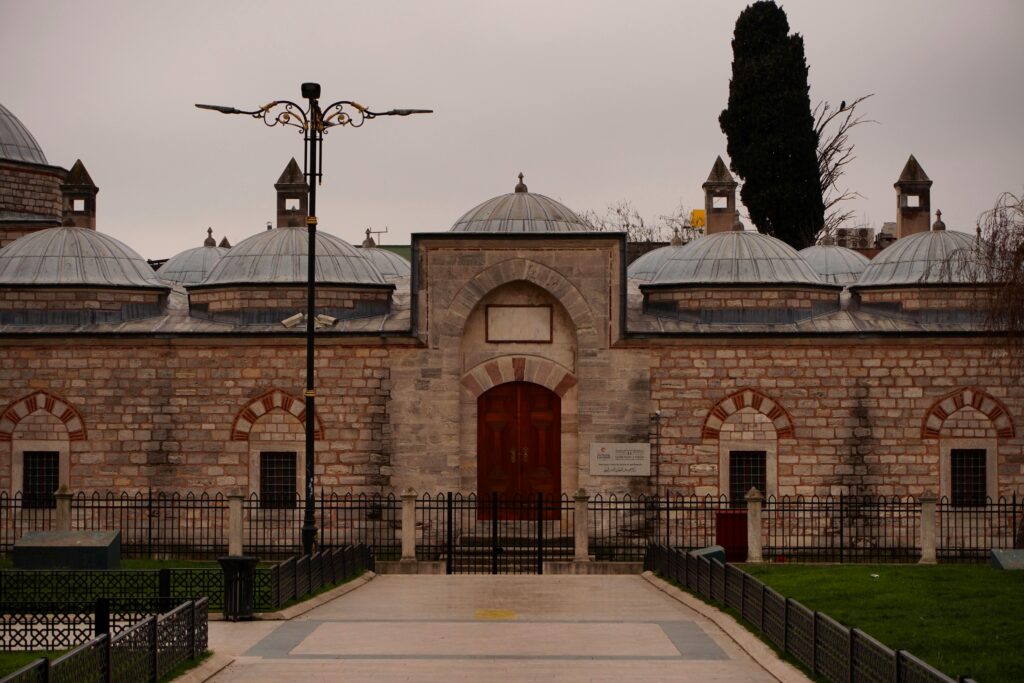
A Turkish hammam is a traditional bathhouse culture that dates back to the Ottoman Empire and was influenced by Roman and Byzantine bathing traditions.
Most traditional hammams include:
- steam rooms
- hot marble platforms
- foam massage
- body scrubbing
- relaxation areas
Historically, hammams were important social spaces where people gathered not only to bathe but also to relax and socialize.
Today, they remain one of the most unique cultural experiences in Istanbul.
The History of Turkish Hammams
The tradition of Turkish hammams has roots stretching back thousands of years.
Long before the Ottoman Empire, public bathing culture already existed in the Roman and Byzantine worlds. Roman bathhouses were important social centers where people gathered not only for hygiene but also for relaxation, conversation, and daily life.
When the Byzantines ruled Constantinople, large public baths remained an essential part of urban culture. After the Ottoman conquest of the city in 1453, Ottoman architects and sultans transformed this bathing tradition into what became known as the Turkish hammam.
Ottoman hammams combined influences from:
- Roman bath architecture
- Byzantine bathing traditions
- Islamic purification rituals
Over time, hammams became one of the most important institutions of Ottoman daily life.
They were built as part of larger kulliye complexes that often included:
- mosques
- schools
- markets
- kitchens
- hospitals
Beyond bathing, hammams served as social gathering places for weddings, celebrations, and community life.
Architecturally, Ottoman hammams evolved into elegant domed spaces filled with:
- marble interiors
- heated central platforms
- steam chambers
- decorative fountains
Many of Istanbul’s most famous hammams today were designed by the legendary Ottoman architect Mimar Sinan during the 16th century, the golden age of Ottoman architecture.
Visiting a hammam in Istanbul today is therefore much more than a spa experience — it is a continuation of a bathing tradition shaped by Roman, Byzantine, and Ottoman civilizations over centuries.
Are Hammams Worth Visiting in Istanbul?
Absolutely.
After days of walking through Istanbul’s hills, mosques, bazaars, and busy streets, visiting a hammam can feel incredibly relaxing.
For many travelers, a Turkish bath becomes one of the highlights of their trip to Turkey because it combines:
- history
- architecture
- wellness
- local culture
Historic hammams in Istanbul are also visually stunning, with domes, marble interiors, Ottoman decoration, and centuries-old atmosphere.
➡️ Best Things to Do in Istanbul
What Happens Inside a Turkish Bath?
For first-time visitors, hammams can feel a little intimidating at first.
A traditional hammam experience usually includes:
- Changing into a pestemal (traditional towel)
- Relaxing in a heated steam room
- Lying on a warm marble platform
- Full-body scrubbing
- Foam massage
- Rinsing and relaxation
Some hammams also offer:
- oil massage
- private rooms
- skincare treatments
- aromatherapy
The experience is generally relaxing rather than uncomfortable, even for first-time visitors.
Cemberlitas Hammam
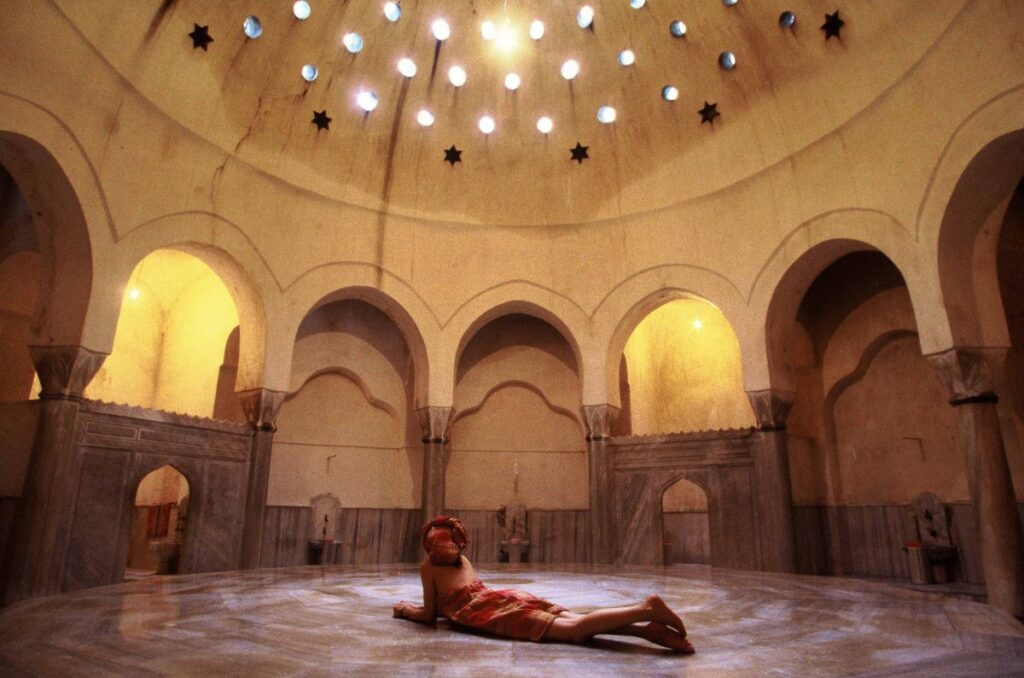
Built in 1584 by the legendary Ottoman architect Mimar Sinan, Cemberlitas Hammam is one of the oldest and most historically important hammams in Istanbul.
It was commissioned by Nurbanu Sultan, the powerful wife of Sultan Selim II and mother of Sultan Murad III. During the Ottoman period, hammams were not only bathing spaces but also important social centers connected to mosques, charitable foundations, and daily urban life.
The architecture reflects the classical Ottoman hammam style:
- large marble interiors
- high domes with small glass openings
- symmetrical bathing halls
- heated central stone platform called the gobek tasi
One of the most atmospheric parts of the hammam is the steam-filled central hall beneath the massive dome, where sunlight filters softly through small circular openings in the ceiling.
Despite being heavily visited by tourists today, the building still preserves much of its original Ottoman atmosphere.
How to Get There
Take the T1 tram line to Cemberlitas station. The hammam is located just a short walk from the tram stop near the Grand Bazaar.
Cagaloglu Hammam
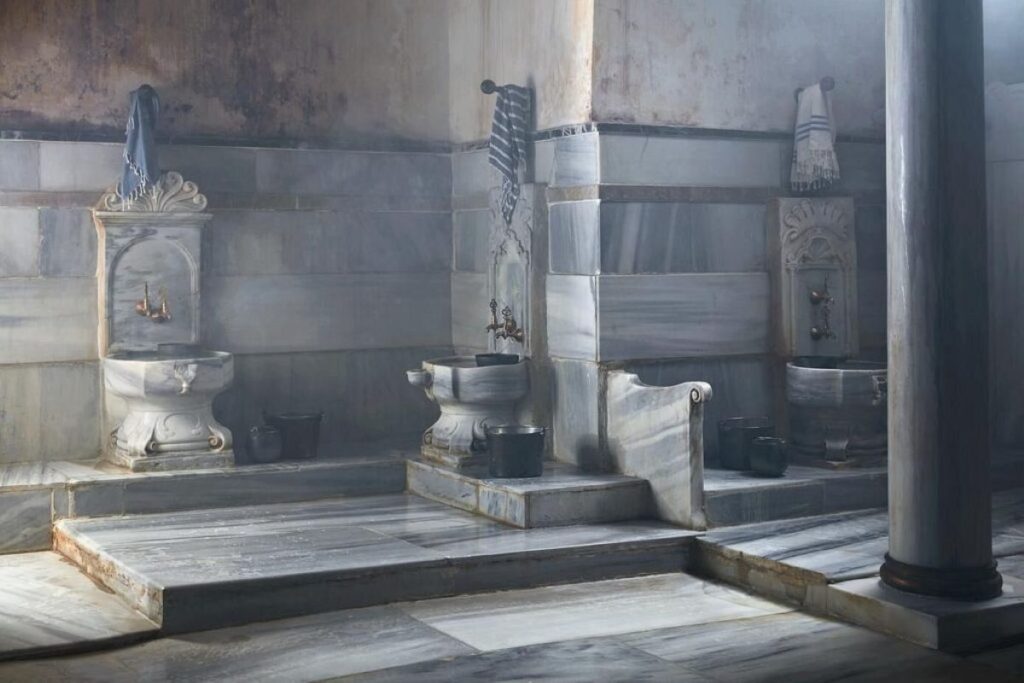
Completed in 1741 during the late Ottoman period, Cagaloglu Hammam is considered one of the last great imperial hammams built in Istanbul.
Unlike earlier classical Ottoman bathhouses, its architecture also reflects strong Baroque and Rococo influences that became fashionable during the 18th century.
This creates a more decorative and elegant atmosphere compared to older hammams designed by Mimar Sinan.
Historically, the hammam became famous among:
- Ottoman elites
- diplomats
- writers
- foreign travelers
Over the centuries, many well-known international figures visited Cağaloğlu Hammam, including politicians, actors, and members of royal families.
The interior is especially impressive because of:
- enormous domes
- carved marble details
- decorative fountains
- dramatic lighting
Today, it remains one of the most luxurious hammam experiences in Istanbul while still preserving its historical character.
How to Get There
Take the T1 tram to Sultanahmet or Gulhane station and walk a few minutes toward the historic old city area.
Suleymaniye Hammam
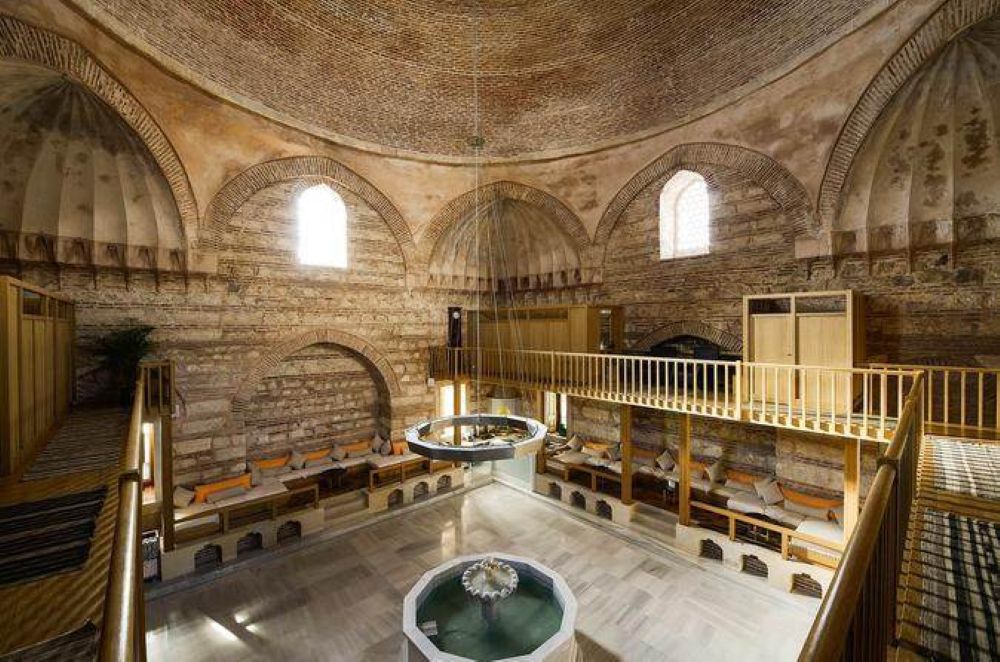
Suleymaniye Hammam was built in the 16th century as part of the massive Suleymaniye Mosque complex commissioned by Sultan Suleyman the Magnificent.
Like the mosque itself, the hammam was designed by Mimar Sinan, the greatest architect of the Ottoman Empire.
Historically, Ottoman kulliye complexes were designed to serve entire communities and often included:
- mosques
- schools
- kitchens
- hospitals
- caravanserais
- hammams
This means the hammam was originally part of a much larger social and religious center rather than an isolated bathhouse.
Architecturally, Suleymaniye Hammam feels more traditional and intimate compared to some luxury tourist hammams.
Its thick stone walls, domed bathing rooms, and historic marble interiors still preserve much of the original Ottoman atmosphere.
One unique feature is that the hammam is known for welcoming couples together, which is less common in traditional Turkish bath culture.
How to Get There
Take the T1 tram to Beyazıt or Laleli area, then walk uphill toward Süleymaniye Mosque.
➡️ Official Suleymaniye Hammam Website
Kılıc Ali Pasa Hammam
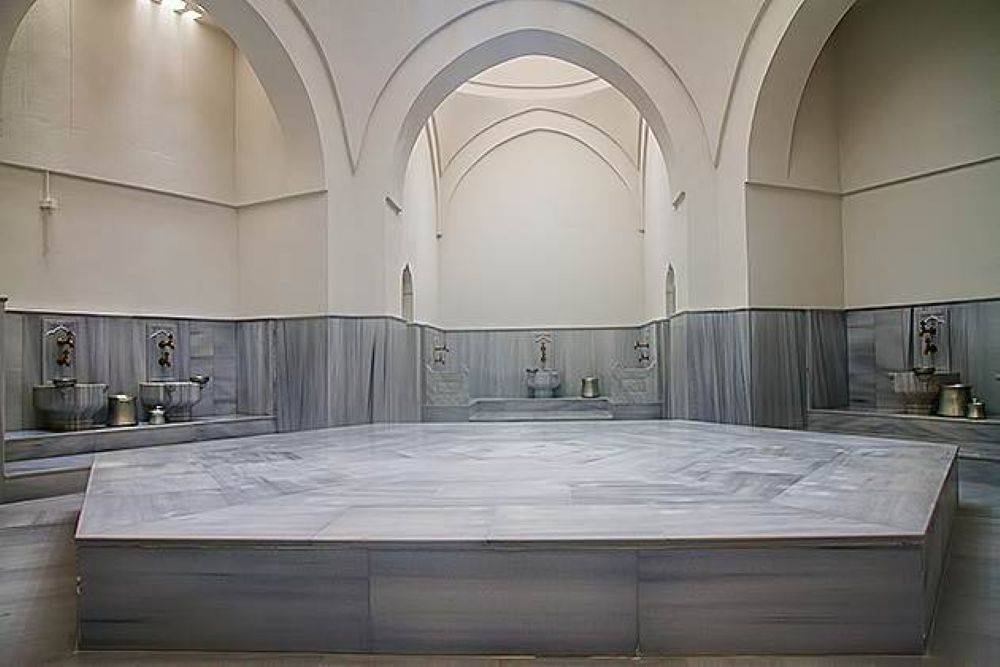
Kilic Ali Pasa Hammam was built in the late 16th century for the famous Ottoman admiral Kilic Ali Pasa.
Interestingly, Kilic Ali Pasa himself was originally born in southern Italy before later becoming one of the most powerful naval commanders of the Ottoman Empire.
The hammam was designed once again by Mimar Sinan and formed part of the larger Kilic Ali Pasa mosque complex in the Tophane district near the Bosphorus.
For centuries, sailors and naval workers used this hammam because of its location close to Ottoman naval docks and shipyards.
The architecture is especially impressive because of:
- its enormous central dome
- bright marble interiors
- balanced Ottoman proportions
- elegant restoration work
After a major restoration project lasting several years, the hammam became one of the most visually stunning luxury hammams in Istanbul.
Today, it combines:
- authentic Ottoman architecture
- premium spa atmosphere
- historic maritime heritage
making it especially popular among international travelers.
➡️ Non-Touristy Things to Do in Istanbul
How to Get There
Take the T1 tram to Karakoy or walk downhill from Galata area toward the Bosphorus waterfront.
Local Hammams vs Tourist Hammams
Not all hammams in Istanbul offer the same experience.
Tourist-focused hammams usually provide:
- English-speaking staff
- luxury interiors
- private services
- easier booking systems
Local hammams are often:
- cheaper
- simpler
- more traditional
- less polished
Both experiences can be enjoyable depending on what kind of atmosphere you prefer.
Hammam Etiquette & Tips
Before visiting a Turkish hammam, there are a few useful things travelers should know.
Helpful Tips
- Bring swimwear if you feel more comfortable
- Don’t rush the experience
- Drink water afterward
- Avoid heavy meals before visiting
- Expect intense body scrubbing
- Tipping staff is common
Most major hammams provide:
- towels
- slippers
- soap
- lockers
What to Bring
You usually don’t need to bring much to a hammam because most places provide basic essentials.
However, it’s useful to bring:
- underwear or swimwear
- hairbrush
- skincare products
- comfortable clothes afterward
Prices of Hammams in Istanbul
Prices vary significantly depending on:
- location
- luxury level
- included services
- historic reputation
Budget local hammams can be relatively affordable, while luxury Ottoman hammams may cost considerably more.
Experiences including oil massage or private rooms are usually more expensive.
➡️ Official Cagaloglu Hammam Website
Final Thoughts
Visiting a traditional hammam is one of the most memorable cultural experiences in Istanbul.
Whether you choose a historic Ottoman bathhouse near Sultanahmet or a quieter hammam in Karaköy, the combination of steam, marble architecture, relaxation, and centuries-old tradition offers a completely different side of Turkey beyond sightseeing.
For many travelers, a Turkish bath becomes the perfect way to slow down and experience Istanbul beyond the usual tourist attractions.
If you’re planning your first trip, don’t miss our complete guide to the best things to do in Istanbul for more unforgettable experiences across the city.
FAQ
Are Turkish hammams in Istanbul worth it?
Yes. Visiting a traditional hammam is one of the most unique cultural experiences in Istanbul and combines history, relaxation, and Ottoman bath traditions.
What should first-time visitors expect in a Turkish hammam?
Most hammam experiences include steam rooms, body scrubbing, foam massage, and relaxation areas. The atmosphere is generally relaxing and beginner-friendly.
Which hammam in Istanbul is the most famous?
Cagaloglu Hammam and Cemberlitas Hammam are among the most famous historic hammams in Istanbul.
Do you wear clothes in a Turkish hammam?
Most hammams provide a traditional towel called a pestemal. Some visitors also prefer wearing swimwear underneath.
Are hammams mixed gender in Istanbul?
Some hammams have separate sections for men and women, while others operate at different hours or allow couples together in private sessions.