Turkey can be affordable, but it is no longer a destination where every visitor can expect low prices. Your total depends on your travel dates, hotel choices, route, restaurant style and the attractions or experiences you include. Istanbul, Cappadocia and popular archaeological sites can cost considerably more than a quiet day in a smaller town.
As a licensed tour guide who has worked across Turkey since 2008, I see how different travelers experience the country. A couple sharing a comfortable hotel room and using public transport will spend very differently from a solo traveler booking private transfers, boutique hotels and guided experiences.
The estimates below are per person, per day, assuming two people share a double room. They cover accommodation, meals, local transport and a reasonable allowance for ordinary sightseeing. They exclude international flights, long-distance travel between destinations, shopping, travel insurance and higher-priced activities such as a Cappadocia balloon flight or a private tour.
Turkey travel budget at a glance
| Travel style | Typical daily budget per person | What it generally means |
|---|---|---|
| Budget | €60–100 | Hostel or simple guesthouse, local eateries, public transport and selected paid sights |
| Mid-range | €120–220 | Comfortable hotel shared by two, a mix of local and sit-down meals, public transport and occasional taxis |
| Comfortable | €250–450+ | Higher-end or boutique hotels, more restaurant meals, private transfers and several paid experiences |
These are planning ranges, not fixed prices or official national averages. Some days will be cheaper; a flight day, a major archaeological site or a special activity can make another day much more expensive.
For a broader route-planning example, see the 10 Day Turkey Itinerary.
How much should I budget for a week, 10 days or two weeks?
The table below multiplies the daily ranges above. It still does not include international flights, intercity transport or expensive optional experiences.
| Trip length | Budget | Mid-range | Comfortable |
|---|---|---|---|
| 7 days | €420–700 | €840–1,540 | €1,750–3,150+ |
| 10 days | €600–1,000 | €1,200–2,200 | €2,500–4,500+ |
| 14 days | €840–1,400 | €1,680–3,080 | €3,500–6,300+ |
These totals assume that two people share a room. A solo traveler should allow more for accommodation because the room cost is not divided between two people.
Your route matters as much as your trip length. A 10-day holiday based mostly in Istanbul will have different transport costs from a route that connects Istanbul, Cappadocia, Pamukkale and Ephesus. Use the Getting Around Turkey guide to compare flights, buses, trains and driving before adding those legs to your budget.
Accommodation costs in Turkey

Accommodation is often the largest part of a traveler’s daily budget. Prices depend on the exact dates, neighborhood, room type, cancellation terms and how far in advance you book.
Use these as broad planning bands for one room per night, not guaranteed rates:
| Accommodation type | Approximate room budget |
|---|---|
| Hostel dorm bed or very simple stay | €20–45 per person |
| Basic private double room or guesthouse | €50–100 |
| Comfortable mid-range double room | €100–200 |
| Boutique, luxury or high-demand property | €200–400+ |
A room that costs €120 per night works out to €60 per person when two people share. The same room becomes a €120-per-night cost for a solo traveler.
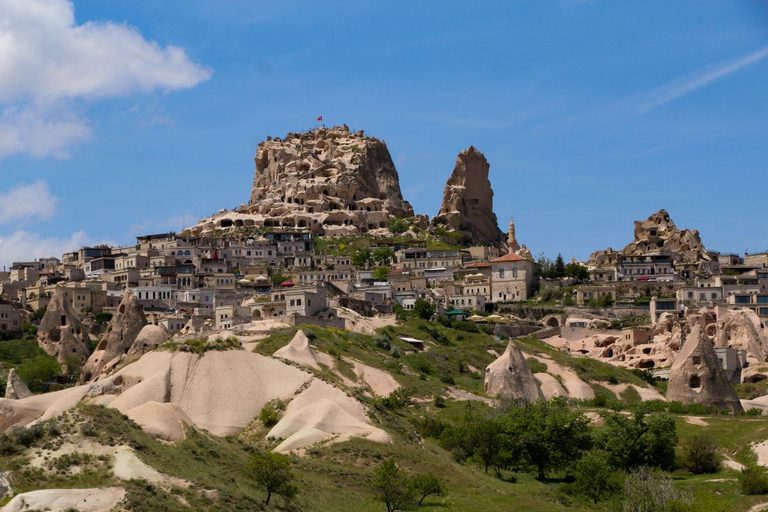
Prices can rise sharply on popular dates, during holidays and in peak summer. In Cappadocia, distinctive cave hotels and rooms with balloon views may command a premium. In Istanbul, a centrally located hotel can save time and transport costs, but central districts do not all have the same prices. In beach destinations, the season can make a bigger difference than the hotel category.
When comparing accommodation, check the total price, including taxes, breakfast, cancellation terms and the room’s location. The cheapest listing is not always the lowest-cost choice if it requires long taxi rides or has a strict non-refundable policy.
For destination-specific planning, see the Istanbul Travel Guide and Cappadocia Travel Guide.
Food and drink costs
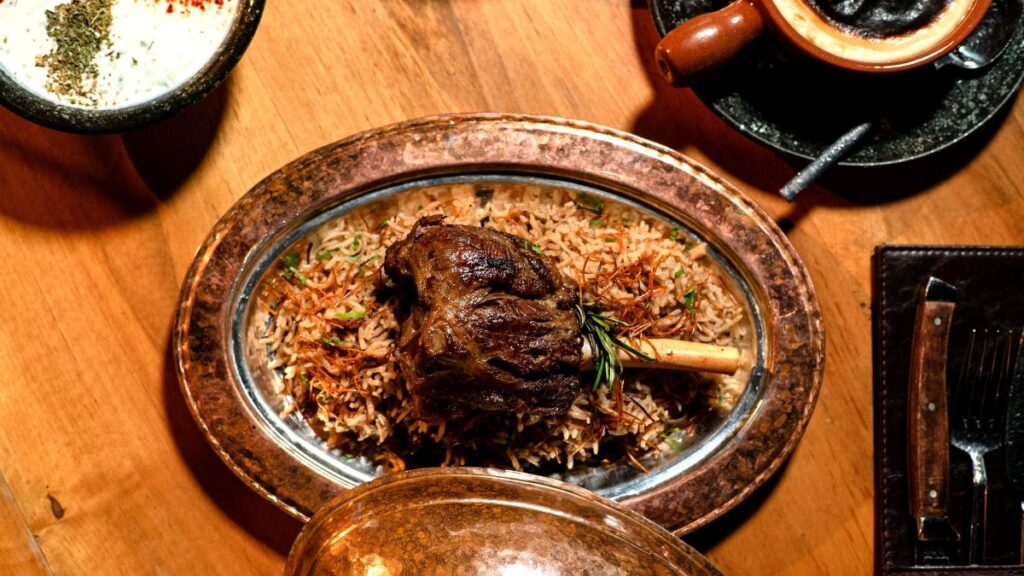
Turkey offers everything from a quick bakery breakfast to a long dinner with several courses. Eating at a local restaurant can be good value, while restaurants in the busiest tourist streets or with Bosphorus, archaeological-site or seafront views may charge much more.
As a rough daily guide:
| Food style | Approximate daily budget per person |
|---|---|
| Bakery breakfast, simple lunch and casual dinner | €15–30 |
| Mix of local restaurants and sit-down meals | €30–60 |
| Frequent restaurant dining, drinks or special meals | €70–120+ |
A simple bakery breakfast or street snack may cost only a few euros. A meal at a local esnaf lokantası can be a practical lunch option; prices vary with the dishes you choose. A sit-down dinner in a popular tourist district can cost several times more than a modest neighborhood meal.
Ask whether the price is per person or for a shared breakfast spread, and check the menu before ordering. If a menu does not show prices, ask first. This is especially useful in busy tourist areas, where restaurants may have very different price levels within a short walk.
Local transport and travel between cities
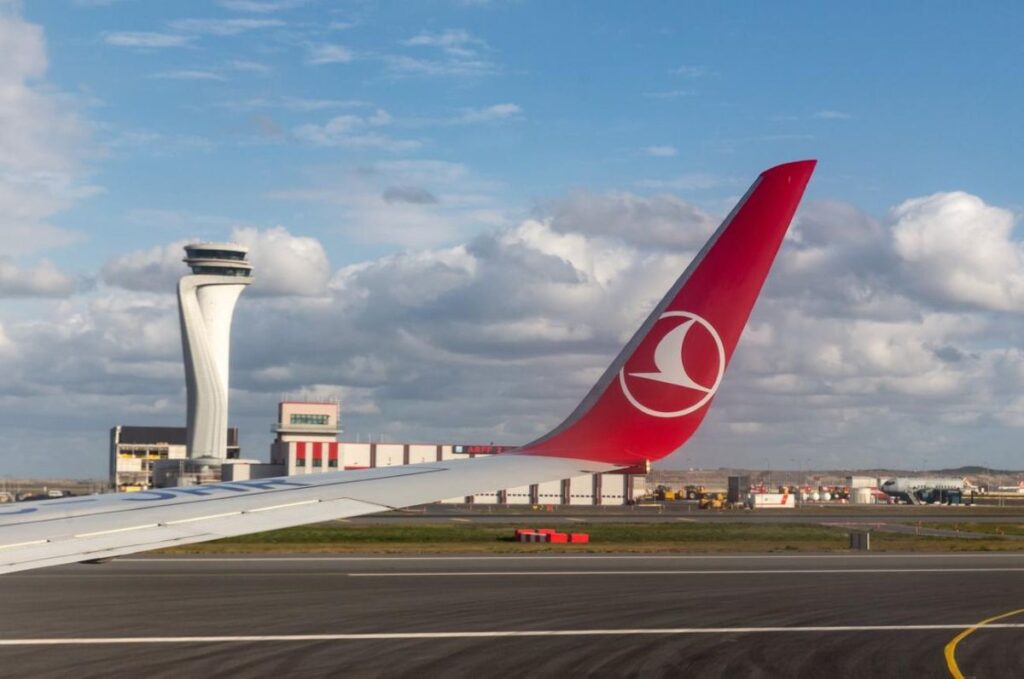
Local transport is usually manageable within a daily budget if you use public transport where it is convenient. Istanbul’s metro, tram, buses and ferries can help keep costs down. In smaller destinations, walking, local buses, taxis or hotel-arranged transfers may be more practical.
Keep intercity journeys separate from your daily allowance. A domestic flight, an overnight bus and a private transfer are different products with different prices. The total also changes with baggage, booking date, airport choice, departure time and how far your hotel is from the transport hub.
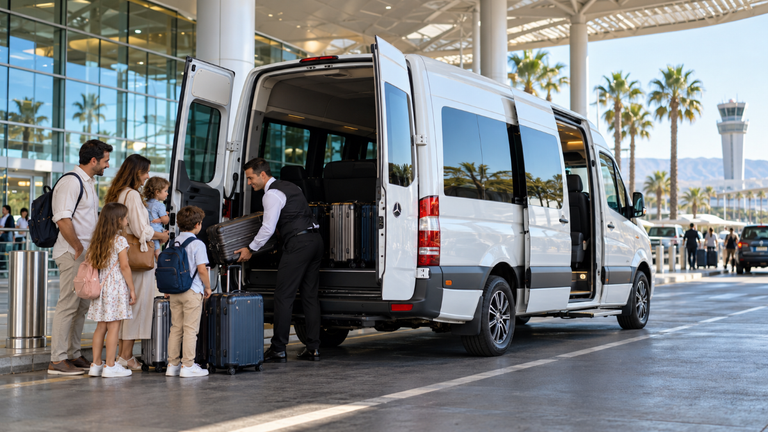
At airports, compare the full journey to your hotel rather than only the ticket price. The Turkey Airport Transfers guide explains the options and distances for Istanbul, Antalya, Cappadocia and the Ephesus area.
Museum and archaeological-site entrance fees
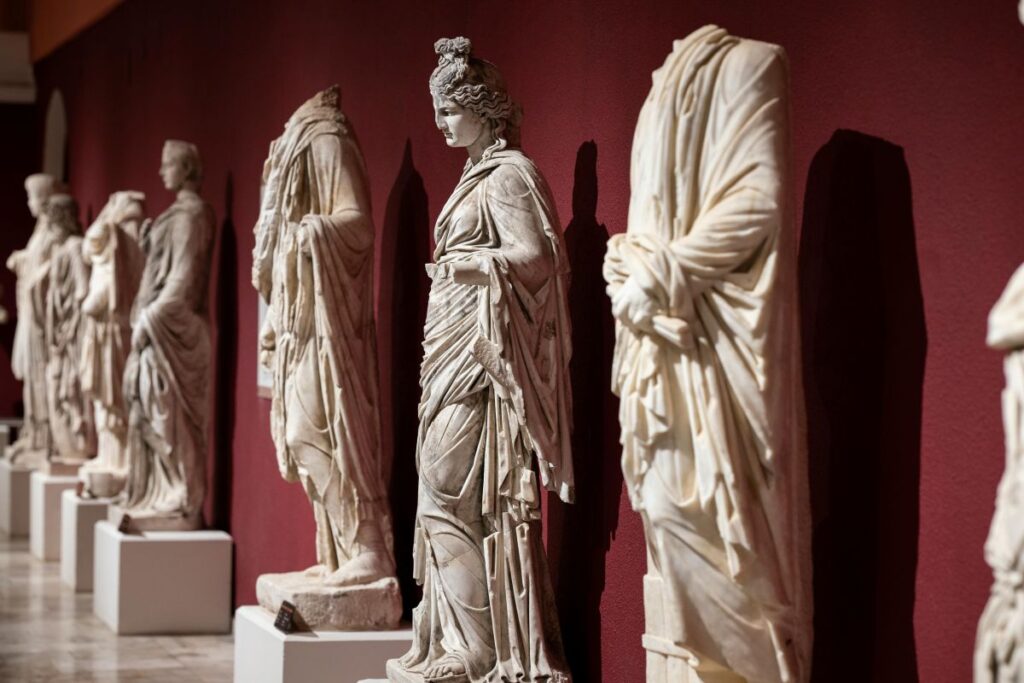
Paid attractions can add a significant amount to your trip, particularly if you plan to visit several major archaeological sites. For a sense of scale, the Ministry of Culture and Tourism’s current visitor information lists foreign adult admission at €40 for Ephesus, €30 for Hierapolis–Pamukkale and €20 for Göreme. Check the official ticket page before visiting because prices and inclusions can change. dosim.ktb.gov.tr
| Attraction | Listed foreign adult admission |
|---|---|
| Ephesus | €40 |
| Hierapolis–Pamukkale | €30 |
| Göreme Open-Air Museum | €20 |
Some attractions or sections may require a separate ticket, and a pass may not cover every place you want to visit. Compare the current Museum Pass options with the sites on your itinerary before buying one. Do not assume that a pass will save money without checking which entrances it includes.
For a visit to the ancient city, the Ephesus Travel Guide explains what to see and how to plan your time there.
Activities that can change your budget
A few experiences can raise the cost of an otherwise moderate trip:
- Cappadocia balloon flight: Treat this as a separate, high-cost activity. Prices vary by date, operator, flight type and demand. Check current offers directly before setting your budget.
- Private guide or vehicle: Useful for groups, families or routes where public transport is limited, but more expensive than traveling independently.
- Bosphorus cruise: Public ferries and sightseeing cruises have very different prices and inclusions.
- Turkish bath: The cost depends on the hammam, treatment and length of the service.
- Food experiences and special dinners: A tasting tour or a restaurant with a prominent location will cost more than everyday meals.
Decide which experiences matter most to you, then add their current prices separately. That gives you a more realistic total than assuming every day will fit the same average.
Example: what a normal day might cost
Here is an illustrative mid-range day for one person sharing a double room:
| Item | Example allowance |
|---|---|
| Half of a comfortable double room | €50–100 |
| Meals and non-alcoholic drinks | €30–60 |
| Local transport | €10–20 |
| Average allowance for ordinary sightseeing | €20–40 |
| Approximate total | €110–220 |
This example does not include a domestic flight, a private guide, a balloon flight or shopping. A day at a major archaeological site may cost more because of its entrance ticket; a relaxed day exploring neighborhoods on foot may cost less.
When is Turkey cheaper to visit?
Hotel and tour prices usually respond to demand. Summer is especially busy on the Mediterranean and Aegean coasts. Spring and autumn are popular for sightseeing, and prices in destinations such as Istanbul and Cappadocia can vary by weekend, holiday and event dates.
Winter can bring lower accommodation prices in some places, but it also brings shorter days and weather-related changes. Cappadocia balloon flights, mountain routes and coastal services depend on conditions and seasonal operations. Compare your travel dates against the activities you want, not price alone.
See the Best Time to Visit Turkey guide before choosing your dates.
Practical ways to manage your budget
- Choose the number of destinations before booking. Long distances mean more transport costs and less time at each stop.
- Compare the whole route cost, including transfers to and from airports.
- Book accommodation with a location that fits your plans; a cheaper room far from everything can cost more in time and transport.
- Use public transport in cities where it suits your route.
- Check attraction prices on official museum pages before you travel.
- Keep a separate allowance for one-off activities, especially balloon flights and private tours.
- Check whether breakfast is included and whether the hotel price includes taxes.
- Carry a payment method that works internationally and keep a small amount of Turkish lira for situations where cash is useful.
- Recheck prices close to departure. Prices in Turkish lira and their equivalent in your home currency can change.
Frequently asked questions
Is Turkey cheap to visit?
Turkey can still offer good value, but it is not uniformly cheap. Accommodation, restaurants and activities in popular tourist districts can be expensive, while local eateries and public transport can help keep everyday spending lower.
How much money do I need for 10 days in Turkey?
As a broad estimate, plan around €600–1,000 for a budget trip, €1,200–2,200 for a mid-range trip or €2,500–4,500+ for a comfortable trip per person. These estimates assume two people share a room and exclude international flights, long-distance transport between destinations and costly optional activities.
Are museum tickets included in the daily budget?
The daily ranges include an allowance for ordinary sightseeing, but not every major ticket. A single high-priced entrance can exceed that day’s sightseeing allowance. Check current official ticket prices for the sites you plan to visit.
Should I budget in Turkish lira, euros or dollars?
Use the currency that makes it easiest to compare your trip with your own budget. Many prices are charged in Turkish lira, while some major attractions for foreign visitors list prices in euros. Your card provider’s exchange rate and fees affect the final amount in your home currency.
How can I keep my Turkey trip affordable?
Choose fewer destinations, use public transport where practical, compare the full cost of each transport leg and prioritize the paid experiences that matter most to you. Traveling outside the busiest dates can also help with some hotel and tour prices.
Final thoughts
There is no single price for a trip to Turkey. A carefully planned budget holiday and a comfortable trip with boutique hotels and private tours can both work; they simply involve different choices.
Start with a realistic daily range, then add your international flight, intercity travel and the special experiences you want. Recheck accommodation, transport and attraction prices close to your travel dates so your budget reflects the trip you are actually planning.