Turkey is a country that changes dramatically with the seasons. Snow covers the fairy chimneys of Cappadocia in winter, tulips bloom across Istanbul in spring, and the turquoise coast comes alive with beach travelers during the summer months. Because of this variety, there is no single “best” time to visit Turkey — it really depends on what kind of experience you are looking for.
If you want comfortable weather for sightseeing, spring and autumn are often considered the best times to visit. But if you dream of hot air balloons over Cappadocia or swimming in the Mediterranean, other seasons might be even better.
If you’re planning a full trip across the country, don’t miss our detailed 10 day Turkey itinerary to see how different regions fit together.
Below is a simple month-by-month overview to help you decide when to plan your trip.
Visiting Turkey in Spring (March – May)
Spring is one of the most beautiful times to visit Turkey. Temperatures are mild, nature becomes vibrant again, and most major destinations are less crowded than in summer.
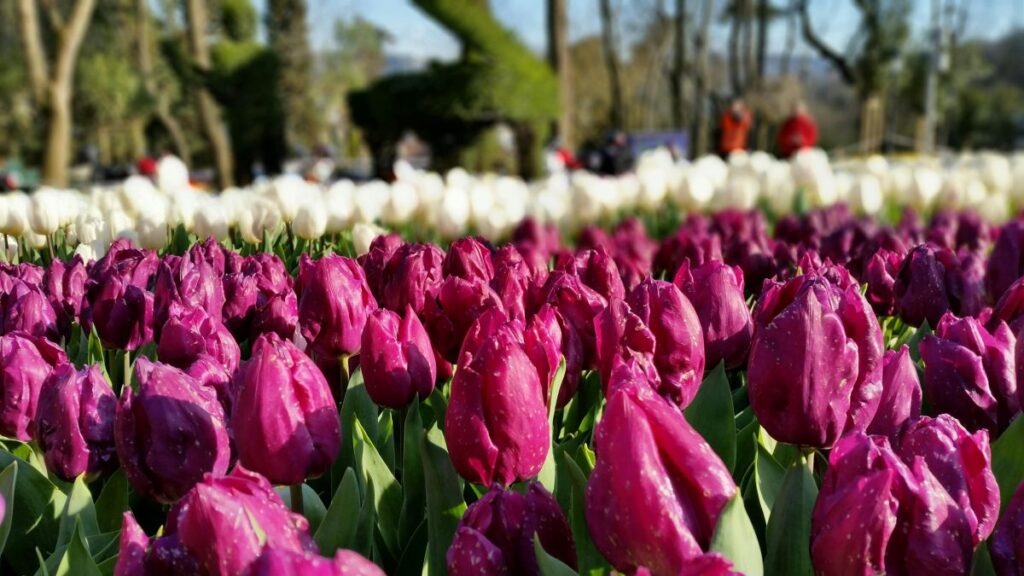
Istanbul is particularly magical in April when the city celebrates the famous Tulip Festival. Parks such as Emirgan Park turn into colorful gardens filled with millions of blooming tulips.
Cappadocia is also fantastic during spring. The weather is ideal for exploring valleys, hiking between fairy chimneys and enjoying sunrise hot air balloon flights without the intense summer heat.
For seasonal highlights and activities, check our best things to do in Cappadocia, including hot air balloon rides and hidden valleys.
Average temperatures:
- Istanbul: 12–22°C
- Cappadocia: 10–20°C
- Mediterranean coast: 16–25°C
Spring is perfect for travelers who want to combine history, nature and city exploration.

Visiting Turkey in Summer (June – August)
Summer is the peak tourist season in Turkey. Coastal destinations such as Antalya, Bodrum and Fethiye attract travelers looking for sunshine, beaches and clear blue waters.
Temperatures along the Mediterranean coast often reach 30–35°C, making it perfect for swimming and sailing trips.
However, cities like Istanbul and archaeological sites such as Ephesus can become quite hot in July and August. If you visit during this time, it is best to explore early in the morning and relax during the hottest hours of the afternoon.
If you’re interested in travelling to Ephesus, don’t miss our detailed best things to do in Ephesus section for tips and historical context.
Cappadocia is still popular in summer, especially for sunrise balloon flights, but daytime temperatures can be high.
Summer is best for travelers who want a beach holiday combined with historical sightseeing.

Visiting Turkey in Autumn (September – November)
Autumn is another fantastic season to visit Turkey. The summer crowds begin to fade, the weather becomes more comfortable, and many destinations remain lively.
September is especially ideal. The sea is still warm along the Mediterranean coast, while cities such as Istanbul become pleasant again for walking and sightseeing.
We also recommend reading our guide on the best things to do in Istanbul for seasonal highlights and experiences.
Cappadocia in autumn is often considered one of the best experiences in Turkey. The soft golden light of the season creates incredible views across the valleys, making it a favorite time for photographers.
Average temperatures:
- Istanbul: 15–25°C
- Cappadocia: 12–22°C
- Mediterranean coast: 20–28°C
Autumn is perfect for travelers who want good weather with fewer tourists.
Prices can vary significantly by season, so check our full breakdown of Turkey travel costs before planning your trip.

Visiting Turkey in Winter (December – February)
Winter is the quietest travel season in Turkey, but it has its own charm.
Cappadocia becomes especially magical when snow covers the fairy chimneys. Balloon flights still operate in winter when weather conditions allow, creating truly unique views of the snowy landscape.
Istanbul is colder and sometimes rainy, but it also feels more authentic without the large summer crowds. Museums, mosques and historic neighborhoods can be explored in a calmer atmosphere.
Winter is also the best time to visit Turkey’s ski resorts such as Uludağ, Erciyes, and Palandoken.
Average temperatures:
- Istanbul: 5–10°C
- Cappadocia: 0–8°C
- Eastern Turkey: often below freezing
Winter is ideal for travelers who prefer fewer tourists and unique landscapes.
Best Time for Activities in Turkey
The best time to visit Turkey also depends on what you want to do during your trip. Different seasons offer very different experiences, and planning around activities can make a big difference.
Hot Air Balloon Rides in Cappadocia
The best time for hot air balloon rides in Cappadocia is between April and October, when weather conditions are more stable and cancellations are less frequent. Early mornings during these months offer clear skies and breathtaking views over the valleys.
This is one of the most popular experiences in Turkey and often sells out during high season.
Booking in advance is highly recommended, especially during spring and autumn.
To see what else you can do in the region, check our best things to do in Cappadocia.
Bosphorus Cruises in Istanbul
Bosphorus cruises are enjoyable all year round, but spring and autumn offer the most comfortable weather. Summer evenings are also very popular, especially for dinner cruises with city lights and live shows.
For a complete list of experiences, you can explore our best things to do in Istanbul.
Check Prices & Availability
Exploring Ephesus and Pamukkale
The best time to visit Ephesus and Pamukkale is during spring (April–June) and autumn (September–October), when temperatures are pleasant for walking and exploring historical sites.
Summers can be extremely hot, especially around midday, so visiting early in the morning is recommended if you travel during peak season.
To plan your visit better, check our best things to do in Ephesus and best things to do in Pamukkale.
Cheapest Time to Visit Turkey
If you’re traveling on a budget, the cheapest time to visit Turkey is during the winter months, especially between January and March. This is considered the low season in most parts of the country, which means significantly lower prices for accommodation, flights, and tours.
In popular destinations like Istanbul and Cappadocia, hotel prices can drop dramatically compared to spring and autumn. You’ll also find better deals on guided tours and activities, making it a great option for travelers who want to experience Turkey without spending too much.
However, it’s important to note that some experiences are seasonal. For example, hot air balloon rides in Cappadocia depend on weather conditions and may be canceled more often in winter due to wind or snow.
That said, winter offers a completely different atmosphere. Cappadocia covered in snow, quiet streets in Istanbul, and fewer crowds at major sites can make your trip feel more authentic and relaxed.
If you want a full breakdown of expenses including accommodation, food, and tours, check our Turkey travel costs guide.
When NOT to Visit Turkey
While Turkey is a year-round destination, there are certain times that may not be ideal depending on your travel style.
July and August can be extremely hot, especially in inland regions like Cappadocia, Southeastern Turkey, and cities such as Ephesus. Temperatures can easily exceed 35°C (95°F), making sightseeing during the day quite exhausting.
Coastal areas like Bodrum, Antalya, and Fethiye are very popular during summer, which means crowded beaches, higher prices, and limited availability for accommodation and tours.
If you prefer a more relaxed and comfortable travel experience, it’s better to avoid peak summer months unless your focus is purely on beach holidays.
Winter, on the other hand, can be quiet and affordable, but shorter daylight hours and occasional weather disruptions may affect your plans, especially in regions like Cappadocia.
For a more balanced experience with good weather and manageable crowds, spring and autumn remain the best overall choices.
To plan your trip more efficiently, you can follow our 10 day Turkey itinerary and adjust it based on the season.
So When Is the Best Time to Visit Turkey?
For most travelers, the best months to visit Turkey are:
April – June and September – October
During these periods you will usually find:
- Comfortable temperatures
- Beautiful landscapes
- Fewer crowds than summer
- Excellent conditions for sightseeing
According to the Turkish tourism statistics, spring and autumn are among the most popular seasons for visiting the country.
However, each season offers something different. Whether you want beach relaxation, cultural exploration or dramatic landscapes, Turkey can be enjoyed year-round.
To plan your trip step by step, don’t forget to check our complete 10 day Turkey itinerary or 10 day eastern Turkey itinerary and start building your perfect route.